
Reviewed · LUXOR WEST BANK TOURS
Luxor: Valley of the Kings and Hatshepsut Temple w/Nile Boat
The best part of this Luxor day trip is the sheer concentration of ancient Egypt it delivers in one long day. You move from the giant columns of Karnak to royal tombs in the Valley of the Kings, then on to Hatshepsut’s cliffside temple and the Colossi of Memnon. Nana, Ahmed, Shaban, and other Egyptologist guides are known for clear explanations, humor, and patient help.
I like the small-group format, which gives the day a more personal feel than a packed coach tour. I also like the practical care: an air-conditioned vehicle, lunch, bottled water, cold drinks, and snacks. The drawback is the distance. From Hurghada, the drive can take about four hours each way, and the sightseeing takes place in fierce heat.
Key points at a glance
- Karnak comes first: Walk through the Avenue of Sphinxes and the temple’s huge columned halls.
- The Valley of the Kings is the day’s dramatic centerpiece: Your entry includes the main valley, with Tutankhamun’s tomb available only if you select or add it.
- The Nile crossing is optional: A short boat ride can replace or supplement the usual road transfer from Luxor’s East Bank to the West Bank.
- Guides make a real difference: Nana is praised for humor and stories, while Ahmed is valued for patient, clear explanations.
- Lunch and refreshments are included: Ask your hotel for a breakfast box the night before, since the departure is early.
- The $90 price reflects a full-service day: Transport, entries, guide, lunch, and drinks make it reasonable if you want Luxor in one outing.
Why this Luxor day trip is worth the long road
Luxor is not a quick side trip. It is far from the Red Sea resorts, and the journey begins before sunrise. Still, if you are staying in Hurghada and want to see the places that define ancient Egypt, this tour covers the main sights in a single day without asking you to arrange separate taxis, tickets, guides, and lunch.
The day follows a sensible route. Karnak is on Luxor’s East Bank, while the Valley of the Kings, Hatshepsut Temple, and the Colossi of Memnon are on the West Bank. That gives you a broad look at the ancient city, once known as Thebes, rather than just one isolated monument.
I would choose this trip for a first visit to Luxor. You get the grand religious complex, royal burial chambers, a famous queen’s temple, and the monumental statues of a forgotten temple entrance. You do not get much free time, but that is the trade-off for seeing so much in one day.
More Boat Tours in Hurghada
- Hurghada: Luxury Cruise Trip to Orange Bay with Lunch
★ 4.9 · 5,451 reviews - Hurghada: Orange Bay Island Boat Trip w/ Breakfast and Lunch
★ 4.9 · 5,345 reviews - Hurghada: Royal Seascope Submarine Cruise with Snorkel Stop
★ 4.4 · 4,637 reviews
The early pickup and four-hour drive
Pickup takes place at your hotel in an air-conditioned vehicle. The exact arrangements depend on your resort, and this is one point to confirm carefully before booking. The information lists Hurghada as the main departure area, while pickup from Makadi, Sahl Hasheesh, El Gouna, Soma Bay, and Safaga is listed as not included. If you are staying outside central Hurghada, ask about the meeting point or extra transfer cost.
The drive can take around four hours each way. That makes this a very long day, but the vehicle and air conditioning matter. Bring a neck pillow or something similar if you find long road journeys tiring, though large bags and luggage are not allowed.
Your hotel should prepare a breakfast box if you ask at reception the evening before. Do not leave this until the morning. Water, cold drinks, and snacks are provided during the day, but a hotel breakfast box is the sensible way to handle the early start.
The pickup process can take time if several hotels are involved. One previous arrangement took more than an hour to collect everyone. A fixed meeting point could reduce delays, but it is less convenient than a hotel pickup. If timing matters to you, confirm the pickup details and the working contact number the day before.
Karnak Temple and the Avenue of Sphinxes
Karnak is a powerful opening stop. The complex is not one small temple but a vast collection of sanctuaries, pylons, columns, courtyards, and carved surfaces built and expanded by several rulers over many centuries.
You begin along the Avenue of Sphinxes, then move toward the main temple areas. The scale is the thing to notice first. The columns are so large that you need time simply to look upward and take in the engineering. Your guide can help explain the gods, rulers, religious use, and symbols carved into the stone, which keeps the visit from becoming a walk among impressive but confusing ruins.
This is where a good guide earns the fee. Nana is especially appreciated for combining jokes with lesser-known details, while Ahmed is praised for explaining the temples and culture in a direct, easy-to-follow way. Guides such as Doa and Shaban have also been singled out for patience and care.
Karnak is exposed, and there is little reason to rush through it. Wear shoes with a firm sole, bring a hat and sunglasses, and keep water close. The heat builds quickly, particularly in summer.
Crossing the Nile to Luxor’s West Bank
The tour can include an optional Nile boat crossing from the East Bank to the West Bank. This is a pleasant break after Karnak and gives you a different view of the river. It also adds a small sense of occasion to the day, since the Nile has always been central to Luxor’s life.
Check the exact booking option before you pay. The crossing is described as optional, so it may not be included in every package. If you prefer not to take the boat, the group can continue by road, but the river ride is a relaxing way to break up the sightseeing.
Do not expect a long cruise. This is a short transfer, not a separate Nile sailing trip. Its value is in the change of pace, the river views, and the chance to sit down for a few minutes before the West Bank sites.
A few other Hurghada days to weigh up
- Small group Hurghada to Luxor, Valley of the Kings by Van
★ 4.5 · 2,470 reviews - Small Group Excursion to Luxor Valley of the Kings from Hurghada
★ 5.0 · 637 reviews - From Hurghada Individual excursion to Luxor & the Valley of the Kings
★ 5.0 · 175 reviews - Hurghada: Luxor, Karnak, Hatshepsut and Valley of the Kings
★ 4.0 · 67 reviews
The Valley of the Kings and the tombs below the hills
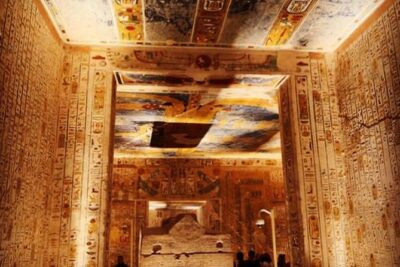
The Valley of the Kings is the tour’s biggest prize. Here, royal tombs were cut into the dry hills rather than built as visible pyramids. From the outside, the valley can look stark. The real drama is underground, where painted corridors descend toward burial chambers.
Your entry includes the Valley of the Kings, though the standard ticket does not necessarily open every tomb. Tomb access can vary, and Tutankhamun’s tomb is specifically listed as an option or add-on. If seeing Tutankhamun’s burial place is important to you, select that option when booking rather than assuming it is part of the base price.
Inside the tombs, expect narrow passages, steps, and painted walls. The artwork and hieroglyphs are the reason to go slowly. Your Egyptologist can explain the scenes, religious ideas, and role of the tomb, giving meaning to the figures and symbols around you.
The valley is hot and dry. There is limited shade, and the walking surface can be uneven. Anyone with mobility limits, serious back problems, heart problems, or difficulty managing heat should think carefully before booking. The tour is also not suitable for pregnant women according to the activity information.
You will want photographs, but photography rules can vary inside individual tombs. Follow the guide and site instructions. A phone or small camera is easier to manage than a large bag, which is not allowed.
Hatshepsut Temple and a powerful female ruler
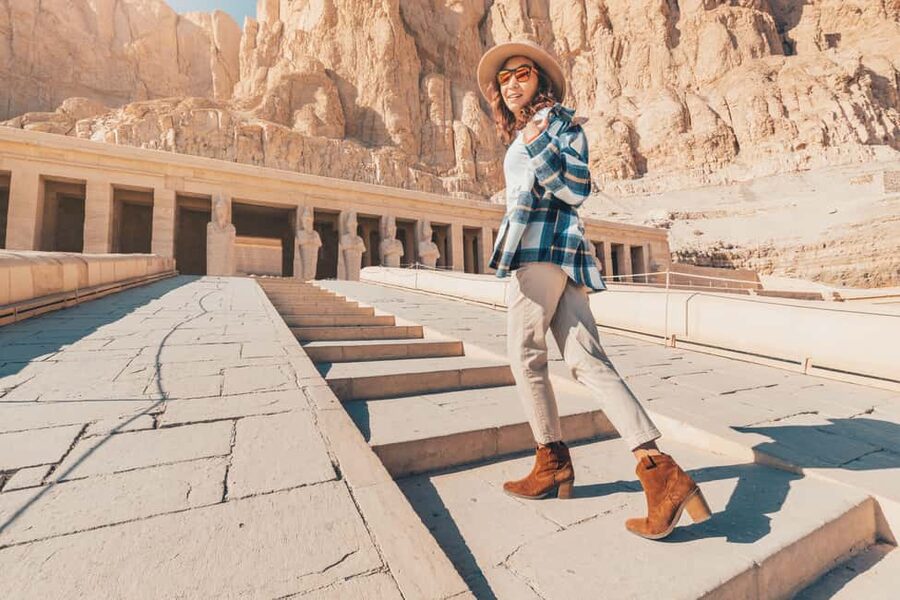
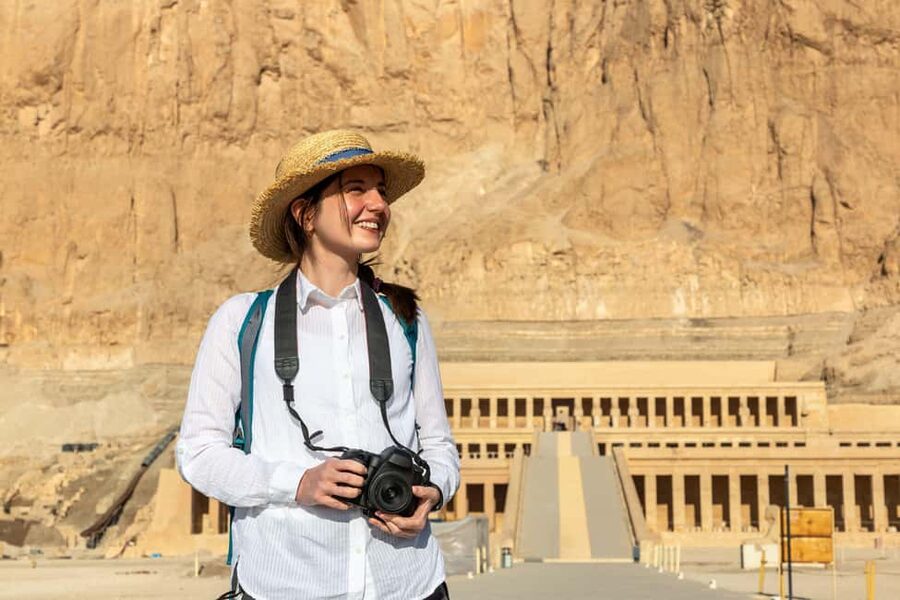
Hatshepsut’s temple feels different from the tombs. Instead of descending into rock, you approach broad terraces built against the cliffs. Its long horizontal lines and rising levels give it a formal, orderly appearance.
Hatshepsut ruled as pharaoh and presented herself in the traditional symbols of kingship. Your guide can explain why her reign matters and how the temple’s artwork presents her authority. This is one of the stops where clear storytelling helps, since the politics and royal imagery are not always obvious from the stone alone.
The site offers little relief from the sun, so use the same strategy as at Karnak: hat, sunglasses, comfortable shoes, and regular water. You may find the heat more tiring here because it comes after the valley, but the temple is well worth your time.
I like the contrast between this temple and the Valley of the Kings. One is a grand public monument built into the cliffs, while the other is a hidden royal burial area. Together, they give you a better sense of how Egyptian rulers wanted to be remembered.
The Colossi of Memnon, a short but worthwhile stop
The Colossi of Memnon are two enormous seated statues of Amenhotep III. They once guarded the entrance to his temple complex, most of which has disappeared.
This is usually a brief stop, but it is useful because the statues help you picture the scale of the lost temple. Stand back for a moment rather than taking only a close portrait. The figures are impressive even without the surrounding complex, and the stop gives your legs a short rest between longer visits.
Do not expect a full museum visit here. The attraction is the statues themselves and the story your guide provides about their original setting.
Lunch, water, and the practical comforts
Lunch is served at a local restaurant in Luxor. The meal is described as a buffet, which makes it easier to find something suitable after a hot morning of walking. It is a functional midday pause rather than the main reason to book the tour, but it matters on a full-day outing.
Water, cold drinks, and snacks are supplied during the trip. Several guides are also praised for making sure people had what they needed, and one guide helped when a participant felt unwell. That sort of attention is especially useful in Luxor’s heat.
Still, pace yourself. Drink before you feel thirsty, cover your head, and take short breaks when possible. The tour visits major sites in sequence, so you should not expect a leisurely lunch followed by a long rest.
What the guide adds to the day
The guide can make or break a Luxor tour. Ancient Egyptian sites are full of names, symbols, rulers, and religious ideas. Without context, you may remember the columns and tomb paintings but miss what they mean.
Nana is frequently described as funny, energetic, and full of stories about Egyptian kings and queens. Ahmed is valued for clear explanations, patience, and an ability to answer questions without making the day feel like a lecture. Shaban is praised for being friendly, helpful, and attentive, while Doa is noted for explaining architecture and ancient history in detail.
A further benefit is group protection. One guide, Nene, was particularly helpful with persistent sellers and unwanted attention. That does not mean every interaction will disappear, but staying with the group and following the guide’s advice can make the day more comfortable.
Ask questions. The best moments are often not the prepared speech but the extra explanation about a carved figure, a royal title, or the reason a tomb was placed where it was.
Is $90 good value?
At $90 per person, this is not the cheapest Luxor excursion you may find. It includes hotel transport, an air-conditioned vehicle, a guide, Karnak Temple, the Valley of the Kings, Hatshepsut Temple, the Colossi of Memnon, lunch, and refreshments. That is a fair package if you want the main sights handled in one booking.
The value is strongest for first-time visitors who do not want to arrange transport across a large distance or negotiate separate entry tickets. The small-group setup also matters. It can make explanations easier to hear and gives you a better chance to ask questions than a large coach tour.
Check the fine print on pickup, the optional Nile crossing, and Tutankhamun’s tomb. A low advertised price can look attractive until transport supplements or optional tickets are added. Here, the higher starting price may save hassle, but only if the inclusions match what you want.
Who should book this tour?
Book it if you are staying in Hurghada and want to see Luxor’s main ancient sites without planning a separate overnight trip. It suits people who value a guide, prefer a small group, and are willing to accept a very early start and a long return journey.
It is a good match for history fans, first-time Egypt visitors, and anyone who wants the Valley of the Kings explained rather than simply photographed. Families with older children may also appreciate the stories and variety of sites, though the heat and walking require stamina.
Think twice if you dislike long drives, struggle in hot weather, need a slow pace, or want substantial free time in Luxor. You must return to Hurghada with the group, so you cannot leave the tour and stay in the city.
Cancellation is available up to 24 hours before departure for a full refund, and you can reserve now and pay later. Bring your passport or ID, cash, comfortable shoes, sunglasses, and a hat.
Should you book it?
I would book this tour if Luxor is high on your Egypt list and you have only one day available. The drive is demanding, but the route covers the places you most want to see, and the guide support adds real value. Request a breakfast box early, confirm your pickup area, and select the Nile boat and Tutankhamun’s tomb only if those options matter to you.
I would skip it only if the four-hour journey each way sounds worse than the sights sound exciting. For most first-time visitors based in Hurghada, the chance to walk through Karnak, enter royal tombs, and see Hatshepsut’s temple in one organized day is worth the early alarm and the $90 price.
FAQ
How much does the Luxor tour cost?
The listed price is $90 per person. Tutankhamun’s tomb, the Nile boat, an FTS scarf, and other language options may require a selected option or add-on.
What sites are included?
The tour includes Karnak Temple, the Valley of the Kings, Hatshepsut Temple, the Colossi of Memnon, and a Luxor city tour.
Is Tutankhamun’s tomb included?
Tutankhamun’s tomb is included only if you select the relevant option or add-on.
Is the Nile boat crossing included?
The Nile crossing is described as optional. Check the selected package to confirm if it is included in your booking.
What languages are available?
The listed languages are English, German, and Arabic. French and other languages may be available upon request as an add-on.
What should I bring?
Bring your passport or ID card, comfortable shoes, sunglasses, a hat, and cash. Large bags and luggage are not allowed.
Can I stay in Luxor after the tour?
No. You must return to Hurghada with the group and cannot leave the tour to remain in Luxor.
More Boat Trips in Hurghada
- Hurghada: 3 Islands, Dolphins & Snorkel Yacht Trip w/ Lunch
★ 4.7 · 4,609 reviews - Hurghada: Hula Hula Cruise with Lunch, Massage, & Snorkeling
★ 4.5 · 1,875 reviews - Hurghada: Dolphin Watching Boat Tour with Snorkeling & Lunch
★ 4.9 · 1,819 reviews - Hurghada: Giftun Island Orange Bay Speedboat Cruise & Lunch
★ 4.7 · 1,233 reviews
New on the Hurghada list
- Private Day Tour to Luxor from Hurghada★ 5.0 · 25 reviews
- Full-Day Small-Group Luxor Tour from Hurghada with Lunch & Entrance Fees★ 4.5 · 25 reviews
- From Hurghada: El Gouna Quad and MX Bike Safari Tour★ 4.5 · 25 reviews
- Cairo Over Day Egyptian Musuem & Pyramids with Transfer -Hurghada★ 5.0 · 26 reviews
- Makadi Bay: Luxor Private Tour Kings Valley and Hatshepsut★ 4.4 · 26 reviews
- Orange Bay Island By Speedboat★ 5.0 · 26 reviews
- Private Speedboat Tour From Hurghada★ 5.0 · 26 reviews
- Orange Bay Island Boat Trip and Parasailing with Lunch – Hurghada★ 5.0 · 26 reviews
Luxor West Bank Tours, compared.
Luxor Valley of the Kings & Tutankhamun Tomb Trip
Read our review →
Valley of the Kings and Hatshepsut Temple Day Tour
Read our review →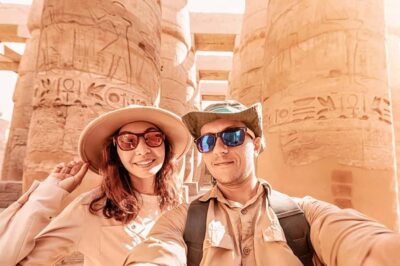
Luxor Tour with Valley of Kings, Karnak & Tut Tomb
Read our review →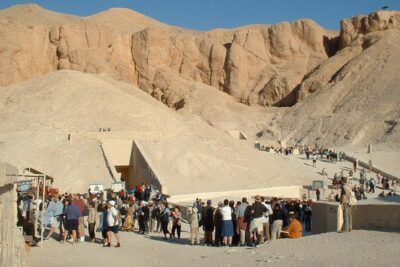
Valley of Kings, Hatchepsut Temple ,Karnak & Luxor-DayTour
Read our review →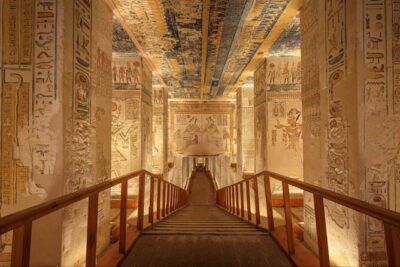
Full Day Tour of Luxor West Bank Temples and Tombs (Private)
Read our review →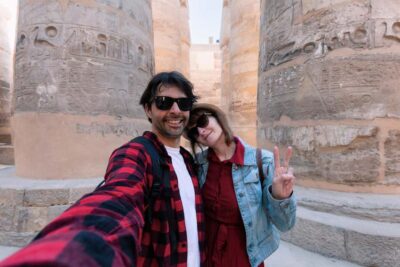
Small Group Excursion to Luxor Valley of the Kings from Hurghada
Read our review →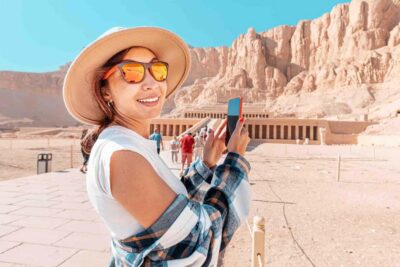
Valley of Kings Hatshepsut & Karnak Luxor Day Trip
Read our review →Browse the lists this tour appears in