
Reviewed · LUXOR WEST BANK TOURS
Hurghada: Luxor Tour with Valley of Kings, Karnak & Tut Tomb
The most remarkable part of this Hurghada excursion is how much ancient Egypt you can see in one very long day. You leave before dawn, cross the desert to Luxor, then walk among the columns of Karnak, enter royal tombs cut into the Valley of the Kings, and stand before Hatshepsut’s temple.
I like the small-group format, limited to 15 people, and the way the Egyptologist guides turn bare stone into understandable stories. I also like that the price covers transport, entrance fees, lunch, water, snacks, and a guide, so you are not piecing together a complicated day on your own.
The catch is simple: 15 hours is a serious day out. The drive takes about five hours each way, and the minivan can feel tight, especially if you are tall. Pickup times can also be confirmed late, so contact the operator if you still have no details the evening before.
Key points to know before you book
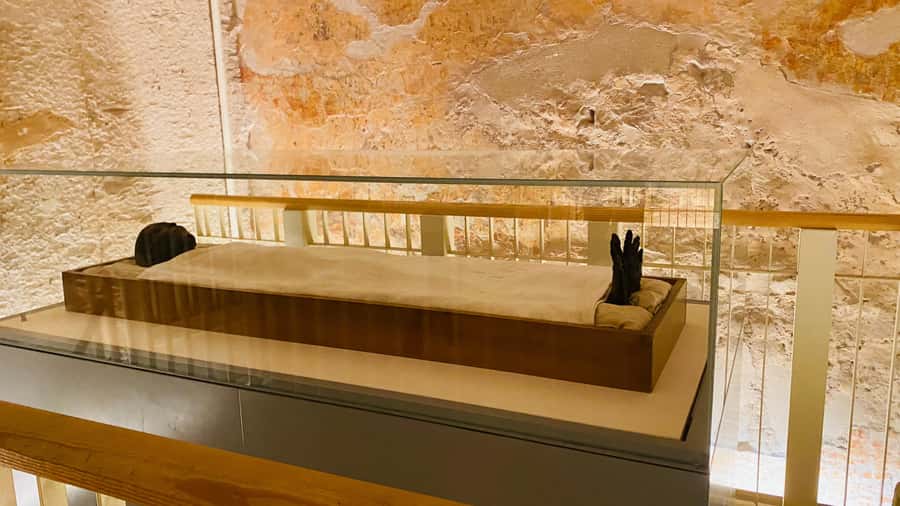
- Tutankhamun’s tomb is the special extra: KV62 contains the young king’s mummy, and paying for this optional entry is widely considered worthwhile.
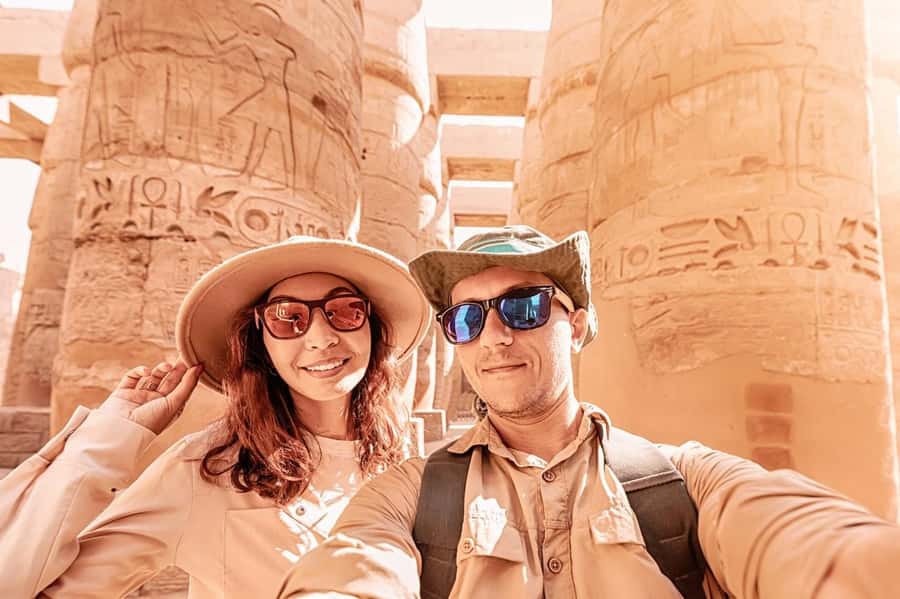
- Karnak is the grand opening: The Great Hypostyle Hall, chapels, and sacred lake give you the biggest sense of scale.
- Hoda and Mahmoud are standout guide names: Both are praised for clear explanations, patience, humor, and careful group management.
- You cross the Nile for lunch: A short boat ride from Luxor’s East Bank to the West Bank may be included, adding a pleasant change from the road.
- The day runs before dawn until evening: Many pickups fall around 3:30 to 4:00 a.m., with hotel return around 8:00 p.m.
- Bring small Egyptian notes: Restrooms may charge a small fee, and you will want change during sightseeing.
Why the long ride from Hurghada can be worth it
Hurghada is a Red Sea resort town, but Luxor is where Egypt’s ancient royal story becomes tangible. The two places are separated by a long road journey, yet this trip gives you access to the country’s most important temple and tomb sites without changing hotels or arranging separate transport.
The vehicle leaves from your hotel area at an agreed time, often around 3:30 or 4:00 a.m. In a group tour, you may collect other people on the way. There is usually a break of about 15 to 20 minutes for the restroom, and breakfast bags, snacks, and bottled water help make the early start more manageable.
I would not call the minivan luxurious. Several tall people found the legroom limited, and reclining seats can make the ride harder. Still, air conditioning, organized transfers, and a driver who knows the route matter on a journey of this length. If you need extra pickup service from El Gouna, Sahl Hasheesh, Soma Bay, Makadi, or Safaga, that must be booked as an add-on.
The reward comes when the road gives way to Luxor’s ancient monuments. A private day trip might offer more control, but at $103 per person, this option bundles the costly and awkward parts into one booking. For a first visit, that is a fair trade.
A few other Luxor days to weigh up
- Hurghada: Luxor Valley of the Kings & Tutankhamun Tomb Trip
★ 4.7 · 13,208 reviews - Luxor: Valley of the Kings and Hatshepsut Temple Day Tour
★ 4.4 · 1,404 reviews - Luxor: Valley of Kings, Hatchepsut Temple ,Karnak & Luxor-DayTour
★ 5.0 · 735 reviews
Karnak Temple: begin with Egypt at full scale
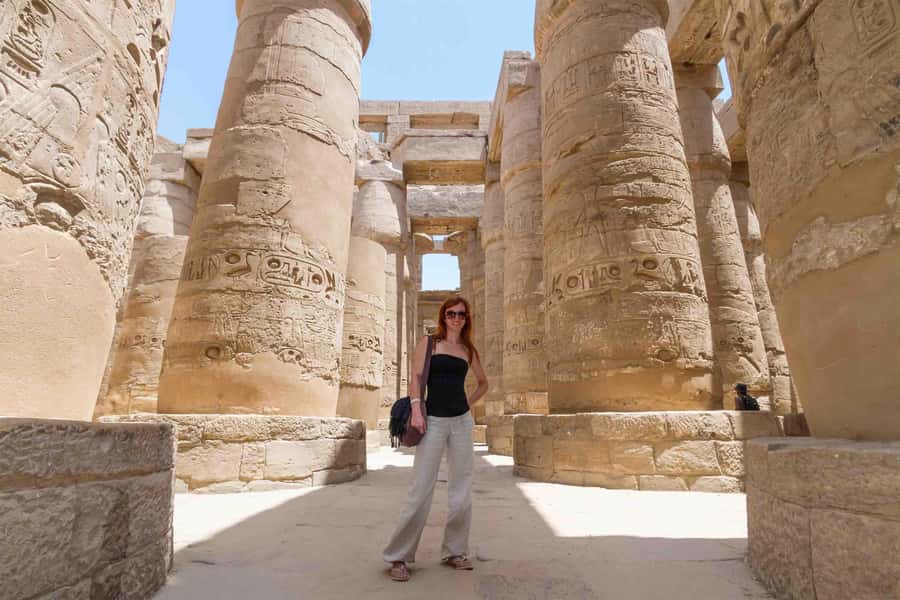
Karnak is the best place to start because it immediately shows you the ambition of ancient Thebes. Your guide leads you through the temple complex, pointing out its enormous columns, chapels, inscriptions, and religious spaces. The Great Hypostyle Hall is the visual high point, with rows of towering columns that make modern buildings feel modest.
The sacred lake adds another useful piece of context. This was not simply a collection of rooms for tourists to admire. Karnak served as a major religious center, and the water, processional routes, and temple courts all formed part of its ritual world.
The guided portion lasts about an hour, followed by some time to walk and take photographs. I would like a little more free time here, since the site is large and there is plenty to see beyond the main route. Still, the guide’s explanation gives you a framework, which is far better than wandering through a forest of columns without knowing what you are looking at.
Take comfortable shoes. The day includes repeated walking on hard surfaces, and the early morning can feel cool before the sun becomes strong.
Luxor Temple from outside, then across the Nile
The program includes a short photo stop outside Luxor Temple, usually about 15 minutes. This is not a full interior visit, so set your expectations correctly. You get a quick look and a chance for photographs, along with an introduction to the beliefs and ceremonies connected with the pharaohs.
Some people will wish this stop were longer. The temple deserves more time, but the schedule is already packed, and the visit to Karnak receives the fuller treatment. Think of Luxor Temple as a preview rather than a complete tour.
A pleasant surprise for many people is the short boat ride across the Nile to the West Bank. It may not be emphasized in the basic description, but it can be part of the day’s organization and offers a welcome break from the minivan. Lunch is served at a local restaurant, sometimes with a view of the river.
The meal is generally a buffet and is included in the price. I would keep expectations practical rather than culinary. Some people find it satisfying, while others find the food less appealing than expected. Drinks are not included, so carry some Egyptian pounds or another accepted payment method for beverages.
Colossi of Memnon and the City of the Dead
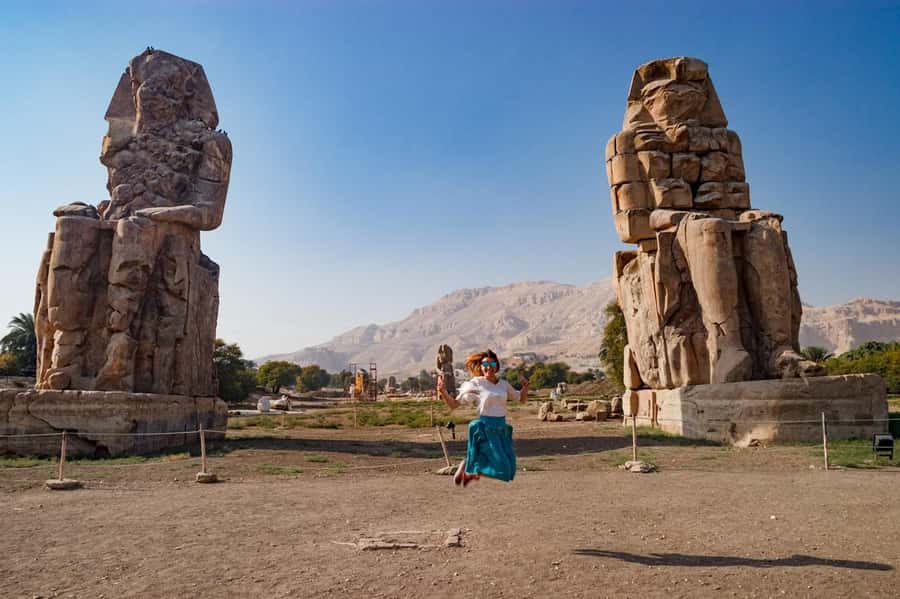
The Colossi of Memnon are a quick but memorable stop. These two huge seated figures once guarded the entrance to the temple of Amenhotep III. The temple itself has largely disappeared, so the statues now seem to sit alone beside the road.
Your guide explains the remains and the area sometimes called the City of the Dead. The stop lasts around 15 minutes, which is enough to see the figures, hear the main story, and take photographs. It is not enough for a long archaeological walk, but that is sensible given the number of major sites still ahead.
This is also a good point to use your hat and water. There is little reason to linger in the open area once you have seen the statues, and the schedule works best if you stay near the group.
Same base, a completely different day out:
- Luxor Day Trip from Hurghada Small Group & Tutankhamun Tomb
★ 4.8 · 5,366 reviews - Hot Air Balloon Ride in Luxor Egypt with Transfers Included
★ 5.0 · 4,319 reviews - Luxor: Shared Full-Day Tour to Luxor West and East Banks
★ 4.5 · 1,812 reviews - Luxor: Hot Air Balloon Ride over Luxor Relics
★ 4.8 · 1,681 reviews
Hatshepsut’s temple: a different face of royal Egypt
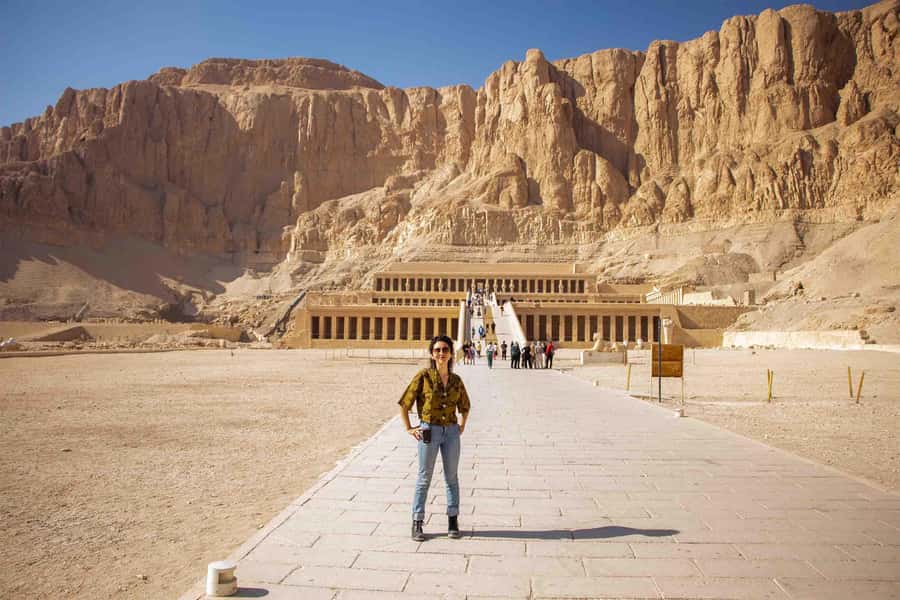
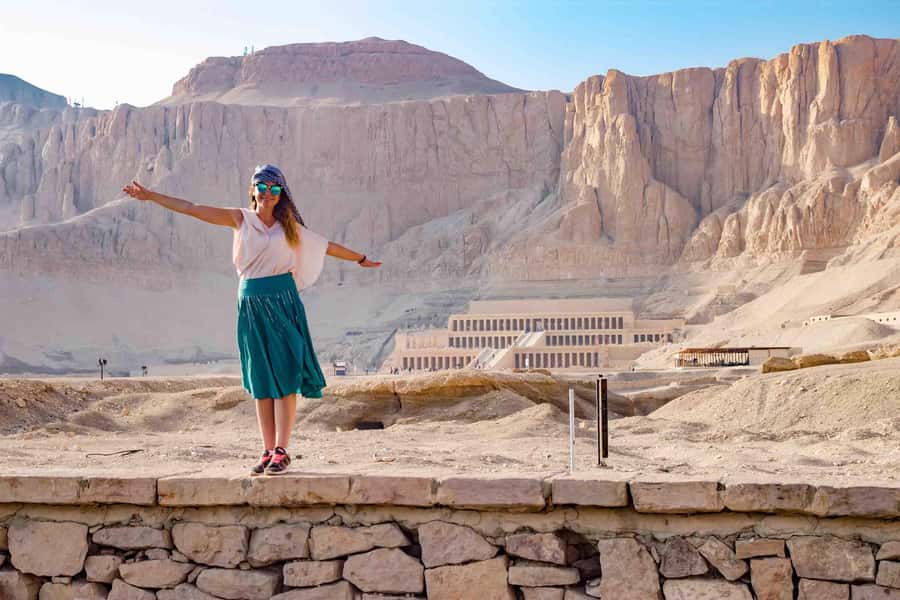
The Mortuary Temple of Queen Hatshepsut is one of the day’s most striking stops. Built during the 18th Dynasty, it rises in broad terraces against the cliffs on the West Bank. Compared with the heavy enclosure walls and dense columns of Karnak, the design feels open, ordered, and sharply tied to the rock behind it.
Your Egyptologist guide helps explain Hatshepsut’s rule and the purpose of a mortuary temple. You also get time to walk, look at the reliefs, and photograph the terraces. The site usually receives about an hour, which is enough to appreciate its layout without turning the visit into a rushed photo stop.
By this stage, fatigue is real. You have already spent hours on the road and walked through Karnak, so shoes, water, and a sensible pace matter. The temple is worth keeping in the schedule, but you may feel that the last stop of the day requires more effort than the first.
The Valley of the Kings and the tombs underground
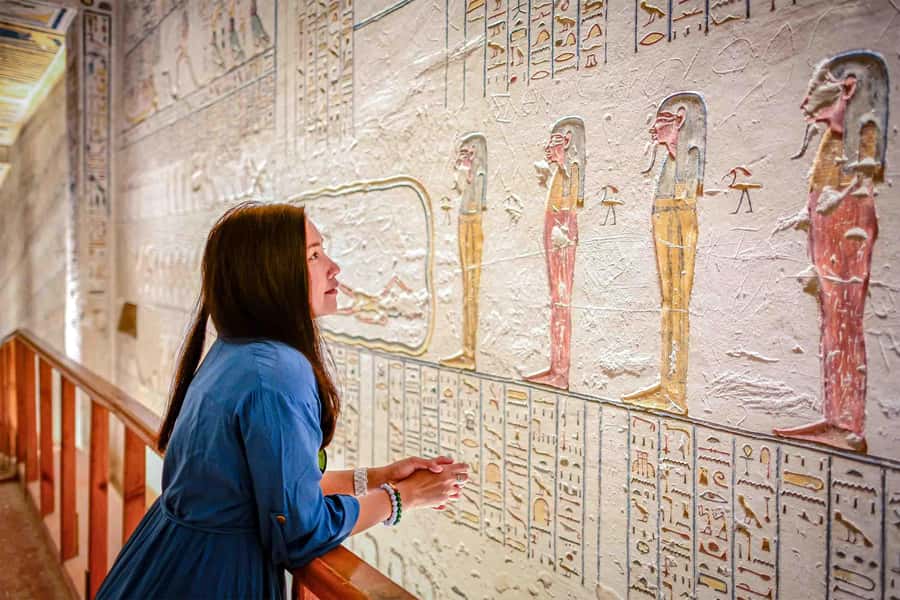
The Valley of the Kings is the emotional center of the excursion. Here, the pharaohs of the New Kingdom were buried in hidden rock-cut tombs rather than in the open pyramids associated with earlier royal burials. The dry valley helped preserve painted scenes and hieroglyphs, though the experience is still hot, dusty, and physically demanding.
The standard entrance allows visits to selected tombs, and the exact choice can vary. The program identifies several Ramses tomb options: KV11, KV2, KV1, or KV6. You may also be able to enter around four tombs, depending on the day’s timing and ticket arrangements.
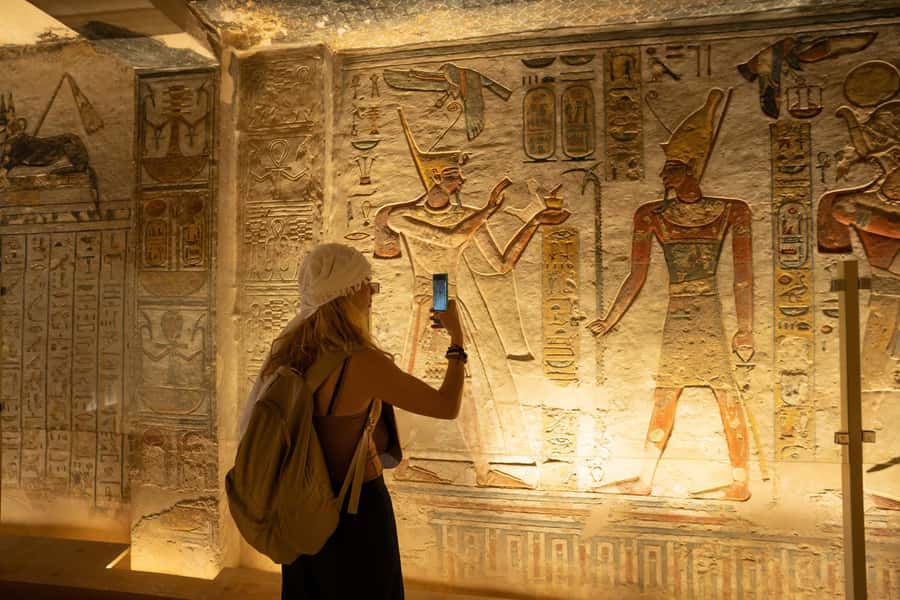
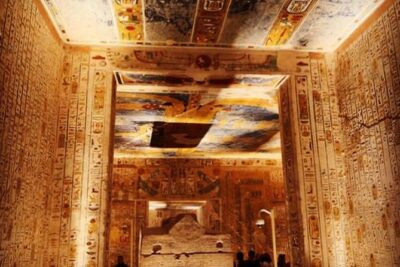
Inside, the scale changes completely. The outside valley is stark and sunlit, while the tomb corridors are narrow and covered with colored images, burial texts, gods, and scenes intended to guide the king into the next world. Your guide explains the symbols before you enter or at the meeting point, since guides may not accompany you through every interior space.
The tombs are not all alike. Some have longer corridors, some preserve brighter decoration, and some are easier to walk through than others. Bring your passport or ID card, wear shoes with a good grip, and avoid carrying large bags, which are not allowed.
Be careful around unofficial photo assistance. One person reported having a phone taken inside a tomb and being asked for a tip before it was returned. Do not hand your camera or phone to someone you do not know. Keep it in your own hand and follow the posted photography rules.
Tutankhamun’s tomb, KV62
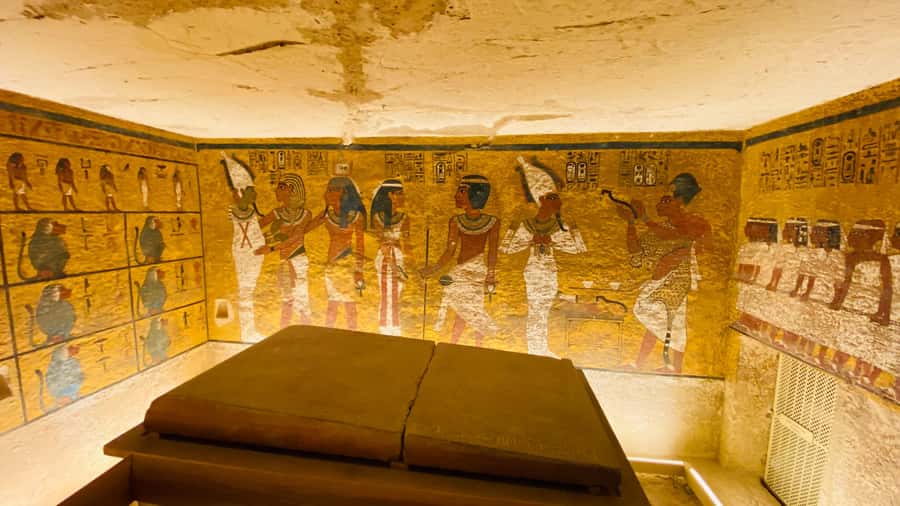
Tutankhamun’s tomb is an optional paid entry, depending on the package you select. I would choose it if your budget allows. It is not the largest or most decorated tomb in the valley, but its importance is unmatched because the burial chamber still contains Tutankhamun’s mummified body.
The tomb is identified as KV62. Inside, you see the chamber and the mummy, along with the setting connected to the discovery that made Tutankhamun famous around the world. The gold mask is not here, so do not expect the treasures displayed in Cairo museums. The value is in seeing the actual burial place and the remains of the young king.
The extra ticket is especially worthwhile if this is your first visit to Egypt or if you have a strong interest in the pharaohs. If you are tired, short on funds, or more interested in painted tomb interiors than famous names, the other tombs may give you more visual impact.
Guides make the difference
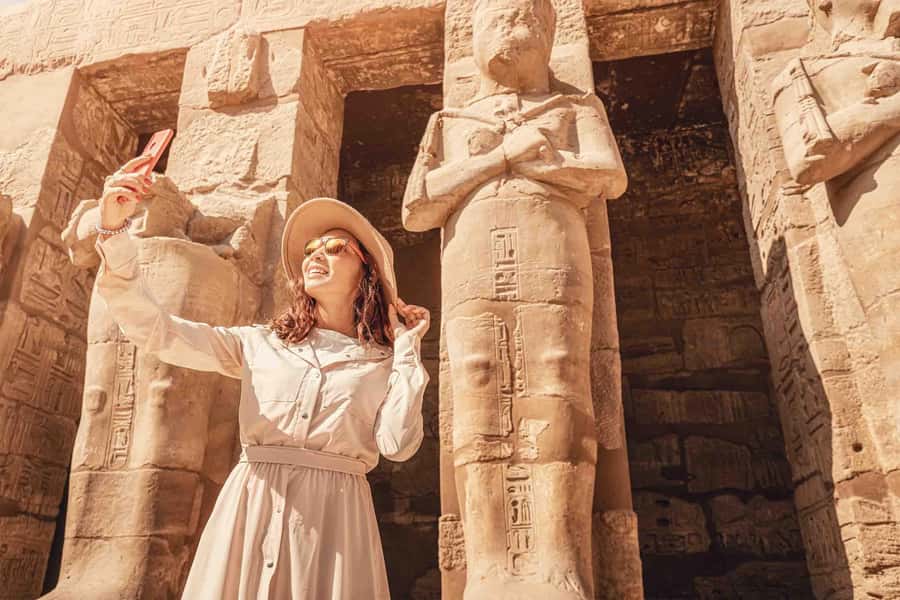
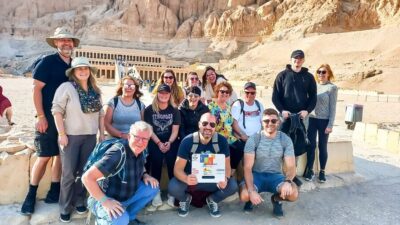
The best part of the experience is the Egyptologist guide. Names assigned to groups vary, but Hoda, also written as Huda, and Mahmoud receive especially strong praise for clear English, patient answers, humor, and detailed explanations. Guides such as Ismail and Smile also help keep the long bus ride organized and cheerful.
A good guide changes the sites from impressive ruins into readable places. At Karnak, you learn why the columns mattered. At Hatshepsut, you understand the temple’s role. In the Valley of the Kings, painted figures and burial scenes begin to make sense instead of blending into colorful walls.
The guides also manage practical problems. They direct you through entrance points, tell you where to meet, keep people from being left behind, and offer advice about salespeople and photographs. Language options are English, French, and German, but you should confirm your chosen language when booking.
Guide quality can vary from one departure to another, since you are not guaranteed a particular person. Even so, the small group of up to 15 gives the guide a better chance to answer questions than a large coach tour would.
What $103 includes, and what it does not
At $103 per person, this is not the cheapest way to see Luxor, but the price covers a lot:
- Hotel pickup and return in Hurghada
- Air-conditioned transportation
- Egyptologist guide
- Entrance tickets to the listed sites
- Lunch at a local restaurant
- Bottled water and snacks during the journey
- Valley of the Kings, Hatshepsut’s temple, Karnak, Colossi of Memnon, and a Ramses tomb
- Tutankhamun’s tomb if you select that option
- Service taxes
That bundle gives the trip solid value. You avoid arranging a five-hour drive, finding a guide on arrival, buying several entrance tickets, and locating lunch. The short Nile crossing, when included in the day’s arrangements, adds value without creating another booking to manage.
The weak points are the lunch drinks, personal purchases, and any long-range pickup add-on. You may also encounter an alabaster or stone shop. This can be an interesting look at local craft, but it is a sales stop, and prices may be high. Treat it as optional shopping, not part of the archaeological experience.
How to make the day easier
I would plan for the day as if it were an endurance event with spectacular rewards. Sleep early, keep your small bag light, and bring a hat, comfortable shoes, passport or ID, and water. Large luggage is not allowed.
Carry Egyptian pounds for restrooms and small purchases. One useful detail is that some facilities may return change in more than one currency, but Egyptian money is the safest choice.
Pickup instructions matter. Wait at the main hotel gate by the highway, not inside reception, and provide your nationality, hotel, address, and room number. The exact pickup time is supposed to be confirmed the day before. If you have heard nothing by the evening, contact the activity provider or booking service rather than guessing.
Families can manage the day. Children aged six and eight have completed it happily, helped by the breaks, snacks, and variety of stops. Still, young children need patience for the long ride, and the limited legroom may be hard for anyone over six feet tall.
The tour is not suitable for wheelchair users. If you have mobility limits that are not immediately visible, ask before paying because the sites involve walking and uneven surfaces.
Should you book this Hurghada to Luxor tour?
I would book it if you are staying in Hurghada and want to see Luxor without organizing a private vehicle, guide, lunch, and tickets yourself. The combination of Karnak, the West Bank tombs, Hatshepsut, the Colossi, and optional KV62 gives you a strong first look at ancient Thebes for $103.
I would skip it only if you dislike pre-dawn starts, long road journeys, shared transport, or tightly planned sightseeing. If you want a slow archaeological visit, stay in Luxor for several nights instead.
For most people, the decision comes down to stamina. If you can handle a 15-hour day, this is a practical and worthwhile way to trade one day of Red Sea relaxation for Egypt’s greatest ancient sights. Select Tutankhamun’s tomb if the extra cost fits your budget, protect your phone from unofficial helpers, and ask for your pickup time early.
FAQ
How long is the Hurghada to Luxor tour?
The experience lasts about 15 hours. The drive to Luxor takes roughly five hours, followed by the sightseeing schedule and another five-hour return journey.
What time is pickup from Hurghada?
Pickup is arranged for the exact time agreed with you, often around 3:30 to 4:00 a.m. The final time should be confirmed one day before the activity.
Is hotel pickup included?
Pickup and drop-off from hotels in Hurghada are included. Pickup from El Gouna, Sahl Hasheesh, Soma Bay, Makadi, or Safaga requires a long-range pickup add-on.
Which sites are included?
The tour includes Karnak Temple, an outside photo stop at Luxor Temple, the Colossi of Memnon, Hatshepsut’s Mortuary Temple, the Valley of the Kings, and a Ramses tomb. Tutankhamun’s tomb is included only if you book that option.
Is lunch included?
Yes. Lunch at a local restaurant in Luxor is included. Drinks during lunch are not included.
Is Tutankhamun’s tomb included in the price?
It is included only with the option that specifically lists the Tutankhamun tomb visit. Check your selected package before booking.
What languages are available?
Live guiding is available in English, French, and German.
How large is the group?
This is a small-group experience limited to 15 participants.
What should I bring?
Bring your passport or ID card, comfortable shoes, a hat, and some Egyptian pounds for restroom fees or small purchases. Large bags and luggage are not allowed.
New on the Luxor list
- Full-Day East and West Luxor Private Tour★ 4.5 · 26 reviews
- Marsa Alam: Snorkeling with Sea Turtles Marsa Mubarak★ 4.9 · 26 reviews
- Day Trip to Edfu & Kom Ombo temples from Luxor and drop off in Aswan or Luxor★ 5.0 · 26 reviews
- Private Full day East and West Bank, Luxor★ 5.0 · 26 reviews
- Luxor Day Tour: Kings Valley & Karnak & Luxor & Hatshepsut Temple★ 5.0 · 26 reviews
- Luxury Hot Air Balloon Experience in Luxor with Pick-up★ 5.0 · 27 reviews
- Full-Day Luxor Tour – Discover the East and West Banks of the Nile★ 5.0 · 27 reviews
- 5 Days 4 Nights Nile Cruise Tour★ 5.0 · 27 reviews
Luxor West Bank Tours, compared.
Luxor Valley of the Kings & Tutankhamun Tomb Trip
Read our review →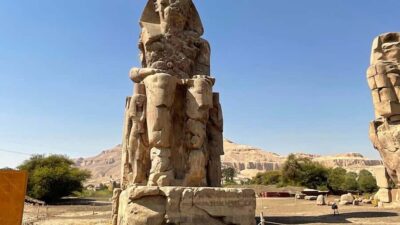
Valley of the Kings and Hatshepsut Temple Day Tour
Read our review →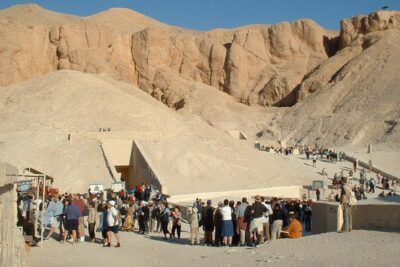
Valley of Kings, Hatchepsut Temple ,Karnak & Luxor-DayTour
Read our review →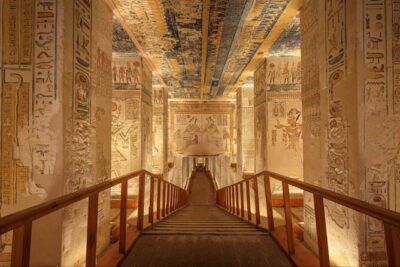
Full Day Tour of Luxor West Bank Temples and Tombs (Private)
Read our review →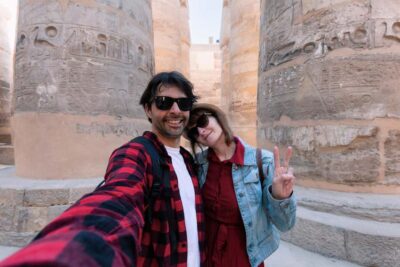
Small Group Excursion to Luxor Valley of the Kings from Hurghada
Read our review →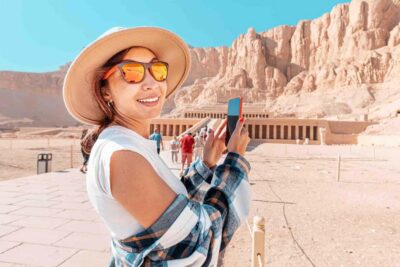
Valley of Kings Hatshepsut & Karnak Luxor Day Trip
Read our review →
Valley of the Kings and Queens Guided Tour with Lunch
Read our review →Browse the lists this tour appears in