
Reviewed · LUXOR WEST BANK TOURS
West Bank 2
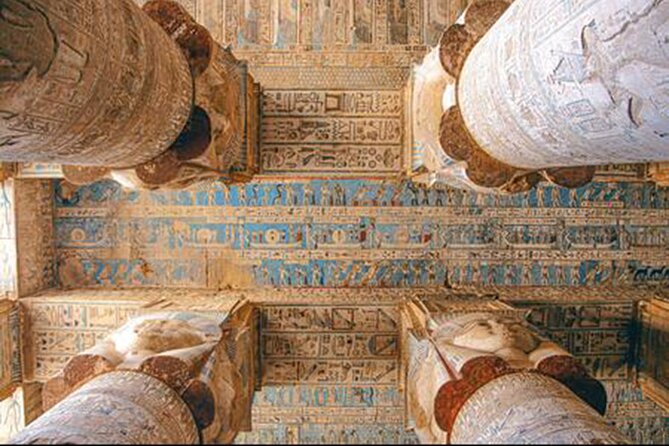
The best part of this Luxor West Bank tour is its focus. Instead of rushing through only the famous royal tombs, you spend time with the Valley of the Queens and Valley of the Nobles, where painted walls reveal family life, work, ritual, and the beliefs of ancient Egyptians.
I like the private format, since your guide can explain a scene at your pace and adjust the visit to your interests. I also like the practical package: hotel pickup and return, an air-conditioned vehicle, entrance fees, bottled water, and an English-speaking Egyptologist are included.
The main drawback is the short advertised duration of about two hours. Three major sites can feel brisk, especially if you want long periods inside the tombs. Nefertari’s celebrated tomb is also not included in the standard price, and requires a separate ticket.
Key Points About This Luxor West Bank Tour
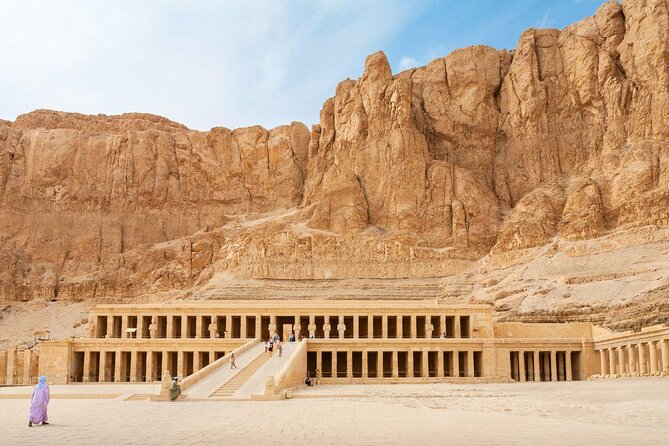
- Four tombs in the Valley of the Queens: The visit includes entry to four tombs, giving you more than a quick look at one painted chamber.
- Daily life in the Valley of the Nobles: These tombs focus on scenes of farming, food, craft, family, and ceremony rather than only royal power.
- Medinet Habu and Ramses III: The final stop presents a large temple filled with military imagery and stories of the pharaoh’s battles.
- Private English-speaking Egyptologist: Guides named Ahmed, Usama, Anwar, Abdullah, Mohammed, and Ahmed Awad have led different departures, with clear explanations and strong English noted as particular strengths.
- Hotel-to-hotel convenience: Pickup and return in Luxor, private air-conditioned transport, and site admission remove much of the day’s planning work.
- $47 value for a private visit: The price is attractive if you want transport, a guide, and entrance fees handled together, though the separate Nefertari ticket raises the final cost if you add it.
Why These Quieter West Bank Sites Matter
Luxor’s West Bank is often treated as a checklist of famous names. The Valley of the Kings gets the attention, Hatshepsut’s temple gets the photographs, and the Colossi of Memnon provide the quick roadside stop.
This tour takes a different route. You visit royal women, high-ranking officials, and a warrior king. That gives you a broader picture of ancient Egyptian society than a tour focused only on pharaohs’ burial chambers.
The distinction matters. The Valley of the Queens shows how royal burial traditions extended beyond the king. The Valley of the Nobles gives you scenes connected to ordinary work and social life. Medinet Habu then shifts the mood toward royal power, military victories, and temple ceremony.
I find that combination more satisfying than seeing several similar tombs in one morning. You get variety, and a private guide can connect the paintings and inscriptions instead of leaving you to guess what each wall means.
A few other Luxor days to weigh up
- Hurghada: Luxor Valley of the Kings & Tutankhamun Tomb Trip
★ 4.7 · 13,208 reviews - Luxor: Valley of the Kings and Hatshepsut Temple Day Tour
★ 4.4 · 1,404 reviews - Hurghada: Luxor Tour with Valley of Kings, Karnak & Tut Tomb
★ 4.6 · 1,082 reviews
Valley of the Queens: Four Painted Tombs
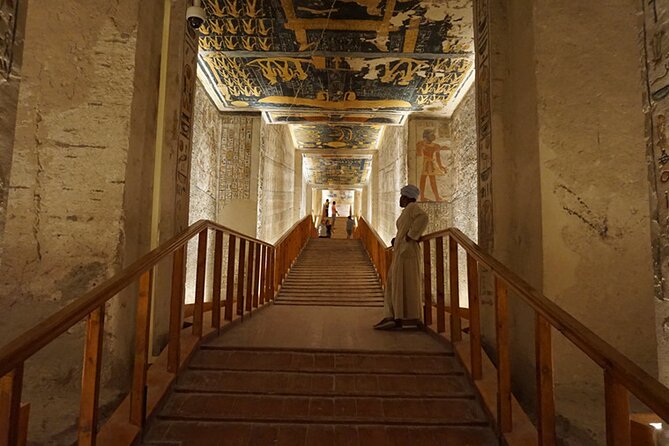
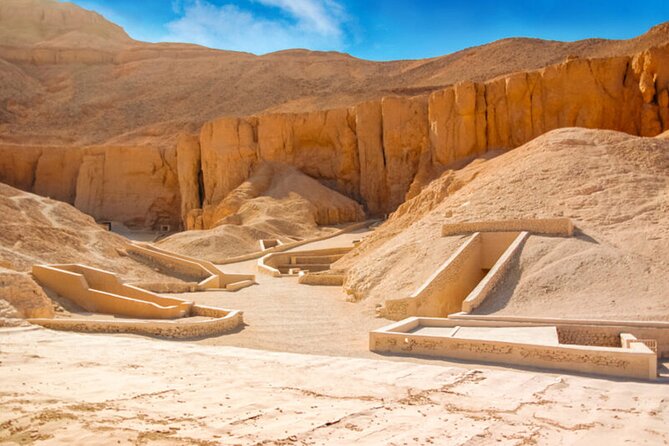
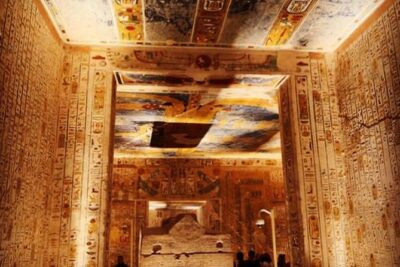
The first major stop is the Valley of the Queens, the burial area associated with pharaohs’ wives and other members of the royal family. The standard visit includes entry to four tombs, a useful feature for anyone who wants more than a single decorated room.
Inside, expect a close look at painted walls, carved figures, and hieroglyphic texts. The quality and subject matter vary from tomb to tomb, so the guide’s role is important. A good explanation helps you see the difference between a religious scene, a funerary text, and an image tied to the person buried there.
The strongest reason to take this stop with a private Egyptologist is that the art can be hard to read at first. You may notice repeated figures and bright colors, but the guide can explain who is shown, what the symbols mean, and how the scenes fit ancient Egyptian beliefs about death and rebirth.
Do not assume the famous tomb of Nefertari is included. It is specifically excluded from the standard package and requires a special ticket. That is an important cost detail, since Nefertari’s tomb is often the main reason people want to visit this valley.
If you hope to enter Nefertari’s tomb, ask about the separate ticket before you go. The tour still includes four tombs without it, but you should know in advance that the most famous extra may change the total cost and timing.
The valley is also a good place to pay attention to the difference between popular reputation and the broader site. Nefertari receives much of the attention, but the other tombs can help you understand the wider role of royal women and the care given to their afterlife.
Valley of the Nobles: Ancient Life Beyond the Throne
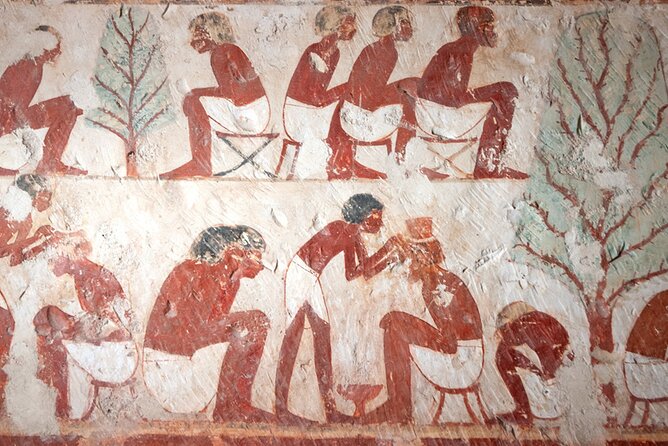
The Valley of the Nobles changes the subject from royal burial to the lives of officials and elite families. Its tombs contain scenes of daily activity, including work, food production, ceremonies, and social life.
This is one of my favorite parts of the route because it gives ancient Egypt a human scale. A royal tomb may show gods and pharaohs in grand symbolic scenes. A noble’s tomb can show people harvesting crops, preparing food, tending animals, making goods, or taking part in family rituals.
The paintings are not simply decoration. They were tied to the tomb owner’s hopes for the next life. Scenes of food, labor, music, and household activity helped preserve the conditions the deceased wanted to continue after death.
Your guide’s explanation is especially useful here. Several guides connected with this tour, including Usama, Anwar, and Ahmed Awad, are noted for explaining hieroglyphs and the stories shown on the walls. Clear interpretation can turn a series of pictures into a readable account of status, belief, and work.
Some of these tombs are less crowded than the headline sites, which can make the visit feel more personal. The tradeoff is that the experience may be less straightforward for a first-time visitor. You may not immediately know which tombs matter most or how they differ.
That is where a private tour earns its keep. You can ask why a scene appears, what a particular symbol represents, or how noble tombs differ from royal ones. You are not tied to a large group’s questions or a fixed explanation.
Medinet Habu: Ramses III in Military Mode
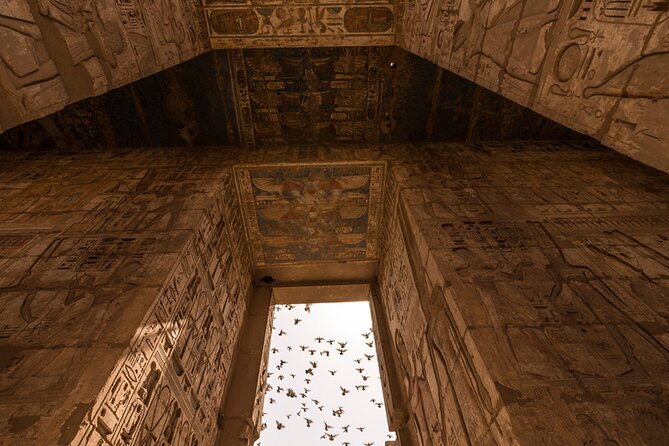
The final stop is Medinet Habu, the temple associated with Ramses III. Its walls and gateways present a forceful image of the pharaoh as a military leader, with scenes tied to battles and royal victories.
After the quieter tombs, this temple provides a dramatic change. Instead of narrow chambers and painted burial texts, you get a larger ceremonial setting and a public statement of royal strength.
The focus on warfare is not accidental. Egyptian temples were places of worship, but they also reinforced the authority of the king. At Medinet Habu, the images of battle and victory helped present Ramses III as the defender of Egypt and the rightful ruler.
A guide can also help you separate historical information from royal propaganda. Temple walls were designed to show the pharaoh in the best possible light. The scenes tell you what Ramses III wanted the state and the gods to remember, even when they do not provide a neutral account of every event.
I would allow enough attention for the carved walls and major architectural details rather than treating Medinet Habu as a quick final stop. The itinerary is short, so you may need to tell your guide if the temple is a priority for you.
The temple is also useful as a visual finish to the tour. The Valley of the Queens presents royal identity through burial. The Valley of the Nobles presents society through work and family life. Medinet Habu presents the king as warrior and protector.
Same base, a completely different day out:
- Luxor Day Trip from Hurghada Small Group & Tutankhamun Tomb
★ 4.8 · 5,366 reviews - Hot Air Balloon Ride in Luxor Egypt with Transfers Included
★ 5.0 · 4,319 reviews - Luxor: Shared Full-Day Tour to Luxor West and East Banks
★ 4.5 · 1,812 reviews - Luxor: Hot Air Balloon Ride over Luxor Relics
★ 4.8 · 1,681 reviews
What the Private Guide Adds
The tour includes a private English-speaking Egyptologist, and this is the feature most likely to shape the quality of your morning. You are not simply being driven between monuments. You have someone who can explain the inscriptions and adapt the pace to your questions.
Different departures have used guides named Ahmed Samir, Ahmed Awad, Usama, Anwar, Abdullah, Mohammed, and Shazly. The strongest pattern in the guide feedback is clear English, detailed explanations, patience, and a good sense of service.
That does not mean every guide will have the same personality or teaching style. Guide assignments can vary. Still, the private arrangement gives you a better chance to ask for clarification, spend more time on a favorite tomb, or request a simpler explanation when the symbolism becomes dense.
Some guides also appear to work closely with the driver and travel desk to adjust the outing. That can be useful if you want help with the day’s plan or have a particular site you hope to prioritize.
I recommend telling the guide at the start what matters most to you. If painted tomb art is your main interest, ask for more explanation in the Valley of the Queens and Valley of the Nobles. If architecture and royal power interest you, ask for extra context at Medinet Habu.
Transport, Timing, and Comfort
Pickup is offered from your Luxor hotel, with return to the same meeting point. The private air-conditioned vehicle is a practical advantage, especially when moving between sites in Luxor’s dry heat.
The vehicle is not just a luxury. It keeps the tour simple and avoids the need to arrange separate transport across the West Bank. A bottle of water is included, and the transport and site visits are organized as one private activity.
The stated duration is approximately two hours. That is efficient, but it is also the point where you should set realistic expectations. Three sites in two hours leaves little room for a slow visit, extended photography, or long pauses at every tomb.
Some descriptions of the experience refer to it as a half-day outing, and actual timing may vary with pickup, site access, and the pace of your group. I would treat two hours as the basic estimate, not a promise that you will have a leisurely morning.
If you want a relaxed visit, ask at the beginning how the schedule will work. A private tour is more flexible than a large group, but the listed route still covers three separate locations.
The tour is suitable for most people according to the booking information. Still, tombs and temple grounds can involve walking, steps, heat, and uneven surfaces. The supplied information does not give a detailed accessibility description, so ask the operator directly if mobility is a concern.
Is $47 a Good Price?
At $47 per person, this tour offers solid value for anyone who wants a private guide and organized transport. The price includes hotel pickup and return, a private air-conditioned vehicle, entrance fees to the listed sites, bottled water, taxes, service charges, and an English-speaking Egyptologist.
That package saves you from arranging a driver, buying several entrance tickets on your own, and finding explanations at each monument. For a solo visitor, the private format can be especially appealing because the cost is still clear per person and you are not placed into a large group.
The value depends on how much time you want. If you prefer a quick, well-organized introduction, the price is sensible. If you want to linger in every tomb, the short schedule may feel limiting, even though the private guide gives you some control.
Group discounts are available, but no exact discount amount is given. Ask for the current rate if you are booking for several people.
Remember the Nefertari supplement. Her tomb has a special ticket, and that cost is not part of the $47 package. The base price remains reasonable, but the final amount may be higher if you add this famous tomb.
Tipping is not included. Bring some Egyptian currency if you plan to thank your guide or driver, but the amount is left to your judgment.
Who Should Book West Bank 2?
I would choose this tour if you have already seen, or plan to see, the Valley of the Kings and want a different side of Luxor. It is also a good fit if you prefer a private explanation rather than reading signs and guidebooks on your own.
The route suits you best if you like:
- Painted tombs and hieroglyphs
- Stories about family life and work in ancient Egypt
- A private guide who can answer questions
- Hotel pickup and a prearranged car
- A shorter introduction rather than a full-day archaeological outing
- Sites that are generally less crowded than Luxor’s headline attractions
It may not be the right choice if Nefertari’s tomb is your main goal and you expect it to be included. You can ask about adding it, but the special ticket must be handled separately.
It may also feel too compressed if you want a slow, photographic visit. In that case, confirm whether extra time is possible before booking.
Practical Advice Before You Go
Wear comfortable clothing and shoes suitable for walking. The tour includes tombs and temple grounds, so you should be ready to move between indoor chambers and open-air sites.
Carry water beyond the included bottle if you tend to get thirsty in hot weather. The air-conditioned car gives you relief between stops, but much of the archaeological area is outdoors.
Keep your expectations clear about the guide assignment. You may be paired with Ahmed Samir, Ahmed Awad, Usama, Anwar, Abdullah, Mohammed, Shazly, or another English-speaking Egyptologist. The strongest guide strengths associated with the experience are clear English, patient explanations, and detailed reading of the carved and painted scenes.
Tell the operator your hotel location when booking. Pickup is offered in Luxor, and the activity ends back at the meeting point.
You receive confirmation at booking, and free cancellation is available if you cancel at least 24 hours before the local start time. Cancellations or changes made less than 24 hours before the start are not accepted for a refund.
Should You Book It?
Book West Bank 2 if you want Luxor’s tombs and temple stories without the usual large-group routine. The route has a thoughtful mix: four tombs in the Valley of the Queens, daily-life scenes in the Valley of the Nobles, and Ramses III’s martial temple at Medinet Habu.
The $47 price is fair because it includes a private guide, transport, admission, water, and hotel transfers. The two points to settle before booking are the short schedule and the extra ticket for Nefertari.
If you value clear explanations and a simple hotel-to-hotel plan, this is a strong choice. If you want a long, slow archaeological day, ask about extending the time or choose a longer tour.
FAQ
How long does the West Bank 2 tour last?
The advertised duration is approximately two hours. Timing may vary depending on pickup and the pace of the private group.
Which sites are included?
The tour visits the Valley of the Queens, the Valley of the Nobles, and Medinet Habu temple.
Are entrance fees included?
Yes. Entrance fees to all listed sites are included. Nefertari’s tomb requires a separate special ticket.
Is hotel pickup available?
Yes. Pickup from your hotel in Luxor and return service are included, and the activity ends back at the meeting point.
Is this a private tour?
Yes. This is a private activity, so only your group participates.
What is included in the $47 price?
The price includes hotel transfers, a private air-conditioned vehicle, entrance fees to the listed sites, a bottle of water, taxes and service charges, and a private English-speaking Egyptologist guide. Tipping and any extras are not included.
New on the Luxor list
- Full-Day East and West Luxor Private Tour★ 4.5 · 26 reviews
- Marsa Alam: Snorkeling with Sea Turtles Marsa Mubarak★ 4.9 · 26 reviews
- Private Full day East and West Bank, Luxor★ 5.0 · 26 reviews
- Day Trip to Edfu & Kom Ombo temples from Luxor and drop off in Aswan or Luxor★ 5.0 · 26 reviews
- Luxor Day Tour: Kings Valley & Karnak & Luxor & Hatshepsut Temple★ 5.0 · 26 reviews
- Luxury Hot Air Balloon Experience in Luxor with Pick-up★ 5.0 · 27 reviews
- Full-Day Luxor Tour – Discover the East and West Banks of the Nile★ 5.0 · 27 reviews
- 5 Days 4 Nights Nile Cruise Tour★ 5.0 · 27 reviews
Luxor West Bank Tours, compared.
Luxor Valley of the Kings & Tutankhamun Tomb Trip
Read our review →
Valley of the Kings and Hatshepsut Temple Day Tour
Read our review →
Luxor Tour with Valley of Kings, Karnak & Tut Tomb
Read our review →
Valley of Kings, Hatchepsut Temple ,Karnak & Luxor-DayTour
Read our review →
Full Day Tour of Luxor West Bank Temples and Tombs (Private)
Read our review →
Small Group Excursion to Luxor Valley of the Kings from Hurghada
Read our review →
Valley of Kings Hatshepsut & Karnak Luxor Day Trip
Read our review →Browse the lists this tour appears in