
Reviewed · LUXOR WEST BANK TOURS
Day Trip to Luxor and Valley of the Kings
The best reason to take this trip is simple: it puts Karnak and the Valley of the Kings into one very long day from Hurghada. You leave at about 4 am, reach Luxor around 9, and spend the daylight hours among temples, royal tombs, workshops, and the famous Colossi of Memnon.
I like the strong ancient-Egypt focus, and I like having a live guide to explain what you are seeing rather than wandering through huge sites without context. Guide Ahmed is specifically praised for answering questions and explaining the sites in detail. The main drawback is the schedule: four to five hours by bus each way makes this a tiring outing, and the advertised $29.16 price does not include the required 2,700 Egyptian pound site and lunch fee.
Key points to know before booking
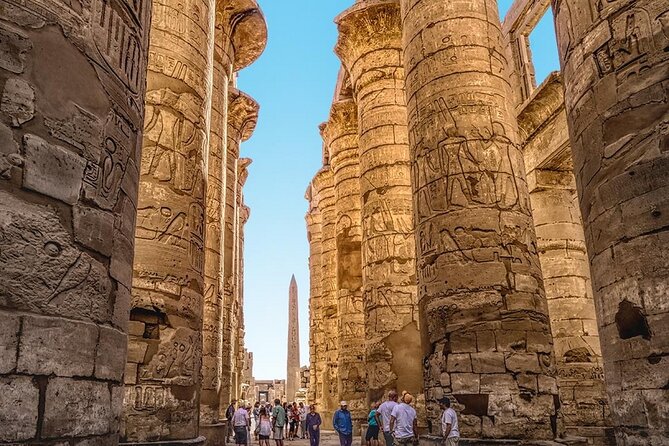
- Karnak gets two hours, enough to see its grand columns, courtyards, statues, and major religious areas with a guide.
- You visit three tombs in the Valley of the Kings, while entry to the tombs is an extra charge.
- The trip lasts about 18 hours, beginning at 4 am and involving a four to five-hour transfer from Hurghada.
- The required extra fee is substantial, covering Karnak, the Valley of the Kings, Hatshepsut Temple, and lunch.
- A smaller group can make a difference, with one booking arranged for a six-person group and a smaller vehicle.
- Shopping is part of the day, including 90 minutes at Luxor Market and 45 minutes at an alabaster workshop.
The long road from Hurghada to Luxor
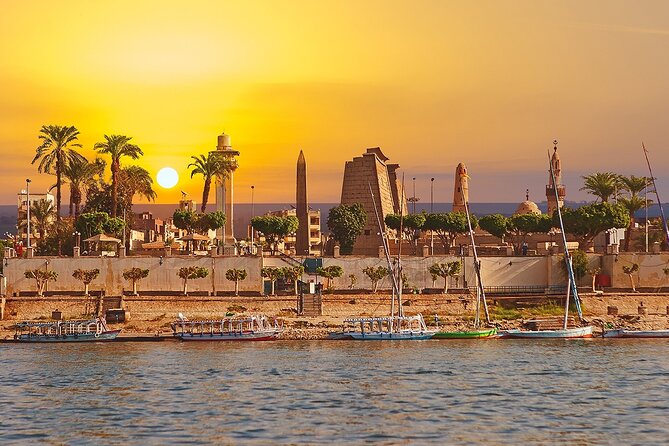
This is not a quick side trip. It is a full day and night out, with pickup at about 4 am, arrival in Luxor around 9 am, and a return journey after the sightseeing ends. The bus is air-conditioned, which matters in Egypt, but five hours on the road before the first major site is still a serious commitment.
I would choose this trip for the access to Luxor, not for comfort or sleep. The long transfer is the price of seeing the Nile Valley’s major ancient sites while staying in Hurghada. If you have only one free day and do not want to change hotels, this route is practical. If you dislike early starts and long bus rides, the day will feel heavy before Karnak even begins.
The group can reach up to 45 people. That is a fairly large vehicle, and the quality of the day may depend partly on how well the group is managed. A smaller option may be available, so I would ask about it before booking. One particularly positive booking involved a six-person group, which allowed the guide to give more direct attention and answer questions easily.
A few other Hurghada days to weigh up
- Small group Hurghada to Luxor, Valley of the Kings by Van
★ 4.5 · 2,470 reviews - Small Group Excursion to Luxor Valley of the Kings from Hurghada
★ 5.0 · 637 reviews - Luxor: Valley of the Kings and Hatshepsut Temple w/Nile Boat
★ 5.0 · 230 reviews
Karnak Temple gives the day a grand start
Karnak is the first major stop, with about two hours set aside. That is a useful amount of time for a guided introduction to the complex, though not enough to inspect every corner of a site built and expanded over more than 2,000 years.
The complex was the main religious center of ancient Thebes. Its principal area is connected with Amun-Re, and the site also includes the Precincts of Mut and Montu, along with the Temple of Amenhotep IV. You will see huge columns, carved reliefs, statues, chapels, and open courts spread across an enormous area.
The Great Hypostyle Hall is the sort of place that makes photographs look smaller than the real thing. Its forest of towering columns carries carved scenes and inscriptions, giving you a clear sense of the scale ancient builders achieved. A guide is especially useful here because the symbols and royal scenes can otherwise blur into a mass of stone.
Two hours should give you the main route and the key explanations. I would stay close to the guide at the start, then use any free moments for photographs. Karnak is not a site where you want to rush from one picture stop to the next without understanding the role of the buildings.
Admission is not included in the headline price. It is part of the mandatory 2,700 Egyptian pound fee listed for the day, along with the other main sites and lunch. Check the current conversion before you book, because that additional amount changes the real cost of the excursion.
Lunch and Luxor Market break up the monuments
After Karnak, you have an oriental lunch at a restaurant described as one of the more luxurious options in Luxor. The lunch is included in the required additional fee, not in the low advertised tour price.
The meal gives you a needed pause after the first major site. It also keeps the schedule moving, since this is a tightly packed day rather than a slow, independent visit. Exact menu details are not provided, so I would not book this for a particular dish or dietary promise. The value is mainly the organized stop and a chance to eat before the west-bank monuments.
The shopping stop at Luxor Market lasts about 90 minutes. That is a long pause in a day already crowded with ancient sites. Some people will appreciate time to browse local goods, while others may see it as time taken from the monuments.
Go in with a clear plan. If you enjoy shopping, the stop can add a local commercial side to the day. If you would rather spend every minute at temples and tombs, this may be the least appealing section. The itinerary also includes the Imhotep Alabaster workshop, so shopping is not a minor detail here. It is part of the tour’s design.
Hatshepsut Temple uses the cliffs as architecture
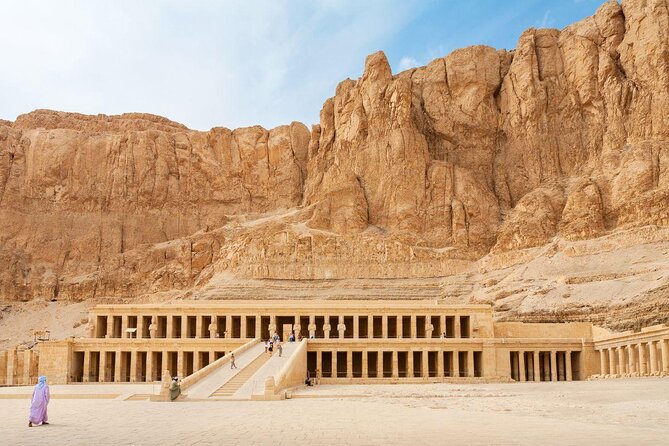
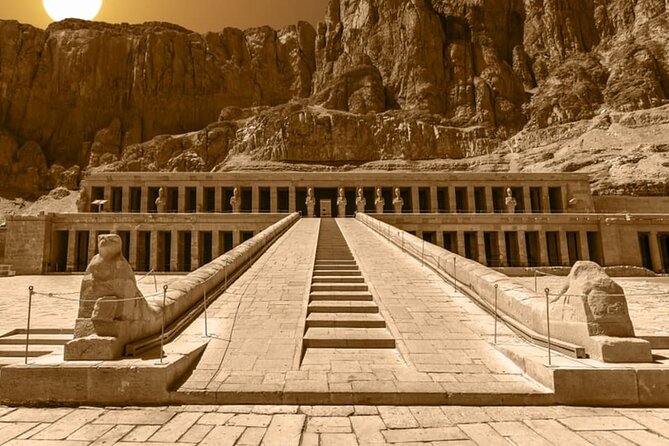
Hatshepsut Temple receives about 90 minutes. It sits at Deir el-Bahri and is known for its three broad terraces, colonnaded halls, and position against the cliffs on Luxor’s west bank.
The temple was built for Pharaoh Hatshepsut in the 15th century BC. Carved scenes and murals show parts of her reign and religious life. The structure feels different from Karnak. Karnak spreads outward through halls and courts, while Hatshepsut’s temple is arranged in strong horizontal levels that lead your eye toward the rock behind it.
Ninety minutes is enough for a guided walk and photographs. The site can be hard under the sun, so bring water, a hat, and shoes that are comfortable on uneven ground. Those are basic Egypt sightseeing habits, but they matter more on a schedule that keeps you outside for much of the day.
Hatshepsut is another stop covered by the mandatory site fee. Since the tour price alone is very low, make sure you include this cost when comparing it with other Luxor excursions. The price may still be good, but only after you count the compulsory extras.
Same base, a completely different day out:
- From Hurghada: Cairo and Giza Highlights Full-Day Tour
★ 4.5 · 6,014 reviews - Hurghada: Luxury Cruise Trip to Orange Bay with Lunch
★ 4.9 · 5,451 reviews - Hurghada: Orange Bay Island Boat Trip w/ Breakfast and Lunch
★ 4.9 · 5,345 reviews - Hurghada: Royal Seascope Submarine Cruise with Snorkel Stop
★ 4.4 · 4,637 reviews
The alabaster workshop is useful, but shopping-oriented
The 45-minute visit to Imhotep Alabaster Luxor shows how alabaster is worked by hand and how statues are made. This gives you a look at a traditional craft connected with Luxor’s visitor economy.
I see this as a practical stop rather than one of the day’s essential ancient sites. It can help you understand how stone objects are shaped and finished, and it offers a chance to buy a handmade item if you want one. But the schedule already includes 90 minutes at the market, so shoppers receive a larger share of the day than archaeology-focused visitors might expect.
You do not need to buy anything to benefit from the demonstration. Keep your budget and luggage space in mind. The best approach is to treat the workshop as a short cultural and commercial stop, not as a substitute for time at the temples.
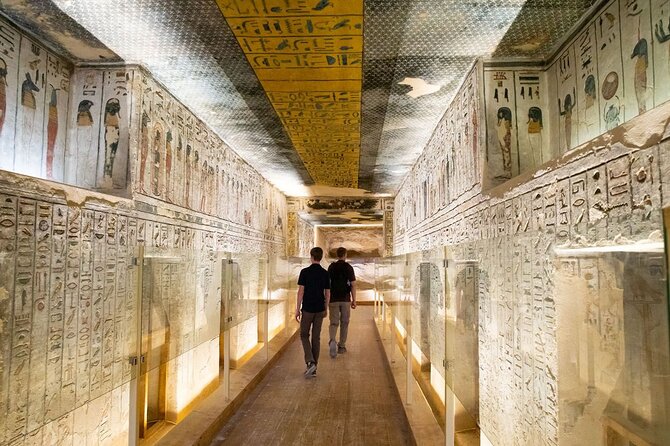
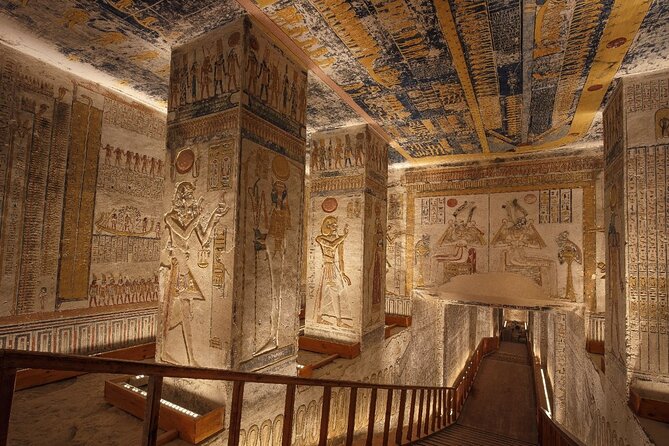
Three tombs in the Valley of the Kings
The Valley of the Kings is the afternoon highlight for many people. You have about 90 minutes to explore three tombs, with the guide explaining the site and helping point out important details.
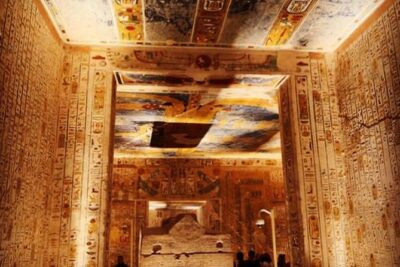
This valley served as a burial ground for pharaohs and nobles during Egypt’s New Kingdom, from roughly the 16th to the 11th century BC. The tombs are cut into the dry hills on Luxor’s west bank and decorated with scenes, symbols, and hieroglyphic texts intended to guide the dead into the next world.
The standard visit includes three tombs, but special tombs can require separate tickets. The information supplied for this tour does not promise entry to Tutankhamun’s tomb, Seti I’s tomb, or Ramses II’s tomb. Do not assume those are included. Ask the guide what the current three-tomb selection is and what optional charges apply.
The required fee includes Valley of the Kings admission, but the tour information also says tickets for the major sites are a mandatory extra. That wording makes it important to confirm exactly what you are paying for at booking and on the day.
Ninety minutes moves quickly here. Tomb entrances and underground passages can be close together, yet each one rewards a pause to look at the painted walls. Stay with the group for the guide’s explanation, then use the remaining time for photographs where permitted. The tombs are the place where a strong guide makes the biggest difference, since the writing and figures need interpretation.
Colossi of Memnon close the west-bank route
The final landmark is the Colossi of Memnon, with about 45 minutes allocated. These two seated figures represent Pharaoh Amenhotep III and are made from quartzite sandstone. They rise more than 18 meters and once formed part of a much larger temple complex.
The statues are easy to see from the open area, so this is a less demanding stop after the Valley of the Kings. Your guide explains the monument and its place in ancient Thebes. The famous story is that one statue once made a sound at sunrise as the stone warmed, though it no longer does so today.
The Colossi are included in the tour price, unlike the main ticketed sites. Forty-five minutes gives you time for photos and a final explanation without adding another strenuous walk to an already long day. It is a sensible closing stop before the bus ride back to Hurghada.
What the guide adds to the experience
The strongest personal detail available about the guiding is the praise for Ahmed, who is described as passionate, clear, and willing to answer questions. Those qualities matter here. Karnak, Hatshepsut Temple, and the Valley of the Kings are large, symbolic places, and a few dates alone will not help you understand them.
A good guide can show you where to look, explain the purpose of a relief, and connect the pharaohs with the buildings around you. Ahmed’s reported approach included detailed explanations and help with photographs. That combination is useful for solo visitors and for anyone who wants a record of the day without constantly asking other people to take pictures.
The guide also helps with the practical side of moving a group through several sites. Still, the group may contain up to 45 people, so do not expect the same personal attention as on a private tour. If direct conversation matters to you, ask about a small bus or smaller group. The six-person arrangement described for one booking is a good example of how much more personal the day can feel.
The true price and extra charges
The advertised price is $29.16 per person, but it is not the final amount. A mandatory fee of 2,700 Egyptian pounds per person covers tickets for Karnak, the Valley of the Kings, Hatshepsut Temple, and lunch.
There are also optional or location-based charges:
- A 40-minute Nile boat trip costs 10 euros per person.
- Pickup and return from Makadi or Sahl Hasheesh costs 5 euros per person.
- Pickup and return from El Gouna, Safaga, or Soma Bay costs 10 euros per person.
- Certain hotels listed as Kalaway require a 15 euro round-trip supplement.
The air-conditioned vehicle, live guide, hotel pickup, hotel drop-off, and Colossi of Memnon entry are included. The value is reasonable if you want transport and a guide arranged from Hurghada, but the headline fare can make the trip look cheaper than it really is.
I would compare the total cost, not the first number shown. Add the mandatory 2,700 Egyptian pounds, your hotel supplement if applicable, and any optional boat ride. Once you do that, you can judge the tour against other Luxor trips fairly.
Who should book this Luxor day trip?
I would recommend it to you if Luxor is high on your Egypt list and you are staying in Hurghada. You get the major east-bank and west-bank sights in one organized day, with transport, a guide, and a clear route.
It suits people who prefer someone else to handle the driving and site order. It also suits first-time visitors who want explanations at Karnak and inside the royal tombs. The guide’s role is a major part of the value, especially if you want to ask questions instead of reading every detail on your own.
This is less suitable for anyone who needs a relaxed pace. The 4 am start, long bus transfer, shopping stops, heat, and evening return create a demanding day. It is also not ideal if you want to spend hours at one site or choose every meal and stop yourself.
The trip is confirmed at booking, and most people can participate. It is listed as requiring good weather. Cancellation is free up to 24 hours before the start time, while cancellations or changes made inside that window are not refunded or accepted. If poor weather cancels the outing, you are offered another date or a full refund.
Should you book it?
Book this tour if you want the efficient, big-sights version of Luxor from Hurghada and you accept the long ride. Karnak, Hatshepsut Temple, the Valley of the Kings, and the Colossi of Memnon make a strong first look at ancient Thebes.
Before paying, confirm the final cost of the 2,700 Egyptian pound mandatory fee and ask if a smaller vehicle is available. If you can get a six-person-style group, the guiding and question time may be much better. If you want a slower, more private visit, spend more on a private tour or stay overnight in Luxor instead.
For a budget-minded visitor with one free day, this is a useful trade: less sleep and more time on the road in exchange for a guided look at some of Egypt’s most important monuments.
FAQ
What time does the tour start?
Pickup begins at about 4:00 am.
How long is the complete tour?
The experience lasts approximately 18 hours.
How long does the bus ride from Hurghada to Luxor take?
The transfer takes about four to five hours each way.
Which major sites are included in the route?
The route includes Karnak Temple, Hatshepsut Temple, the Valley of the Kings, the Colossi of Memnon, Luxor Market, and an alabaster workshop.
How many tombs can I visit in the Valley of the Kings?
The schedule allows you to explore three tombs.
Are entrance tickets included in the advertised price?
No. A mandatory fee of 2,700 Egyptian pounds per person covers tickets for Karnak, the Valley of the Kings, Hatshepsut Temple, and lunch.
Is lunch included?
Lunch is included in the mandatory additional fee.
Is a Nile boat ride included?
No. A 40-minute Nile boat trip is optional and costs 10 euros per person.
Is hotel pickup and drop-off included?
Hotel pickup and drop-off are included, but extra round-trip transfer charges apply for some areas. Makadi and Sahl Hasheesh cost 5 euros per person, while El Gouna, Safaga, and Soma Bay cost 10 euros per person.
New on the Hurghada list
- Private Tour: shopping Tour In Hurghada★ 5.0 · 26 reviews
- Super Safari ( Jeep – Quad- Buggy car-folklore-BBQ dinner)★ 5.0 · 26 reviews
- Hurghada: Neverland Musical Show Entry Tickets with Pickup★ 4.3 · 26 reviews
- Hurghada: 3 Hours Quad Bike & Camel ride★ 4.5 · 26 reviews
- Luxor Valley of the Kings from Hurghada★ 4.5 · 26 reviews
- Makadi: Giftun Island Speedboat Cruise to Orange Bay & Lunch★ 4.7 · 26 reviews
- The Super Desert Safari Jeep Tour from Hurghada★ 4.0 · 27 reviews
- Hurghada Paradise Conquest Semi Submarine Snorkeling Trip★ 4.5 · 27 reviews
Luxor West Bank Tours, compared.
Luxor Valley of the Kings & Tutankhamun Tomb Trip
Read our review →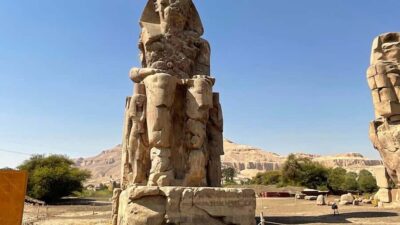
Valley of the Kings and Hatshepsut Temple Day Tour
Read our review →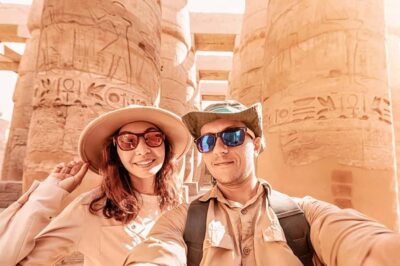
Luxor Tour with Valley of Kings, Karnak & Tut Tomb
Read our review →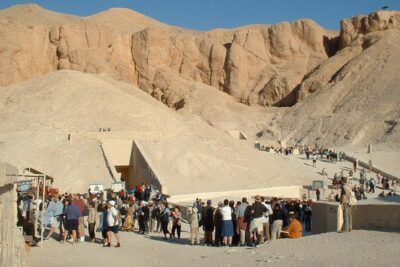
Valley of Kings, Hatchepsut Temple ,Karnak & Luxor-DayTour
Read our review →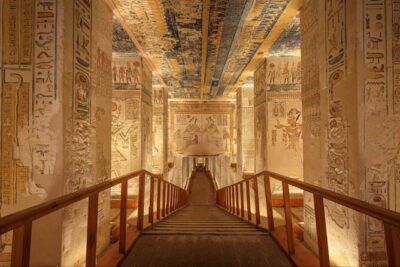
Full Day Tour of Luxor West Bank Temples and Tombs (Private)
Read our review →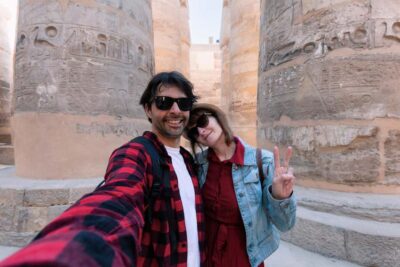
Small Group Excursion to Luxor Valley of the Kings from Hurghada
Read our review →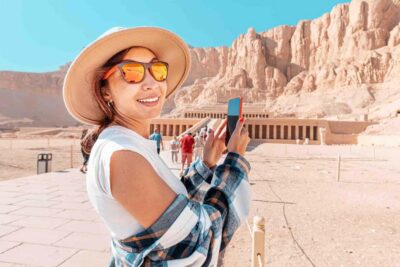
Valley of Kings Hatshepsut & Karnak Luxor Day Trip
Read our review →Browse the lists this tour appears in