
Reviewed · LUXOR TOURS
Private Full-Day Luxor Highlights East and West Banks
Luxor’s great advantage is that its biggest sights sit on both sides of the Nile, and this private day covers the lot. You move from the Valley of the Kings and Hatshepsut’s temple on the West Bank to Karnak and Luxor Temple on the East Bank, with a guide to connect the stones to the people who built them.
I like two things here: the private format, which lets you ask questions and set a comfortable pace, and the included lunch, which saves you one more decision during a long sightseeing day. Guides including Mahamoud, Ameen, Hassan, Ragab, Khalid, Abdul, and Hamdee have been praised for clear explanations, good English, patience, and a talent for making ancient Egypt easier to follow.
The catch is cost control. The $65 price does not include entrance tickets, and the day can include a sales stop at a stone shop. Ask in advance for a clear no-shopping plan, and budget for admission fees on top of the advertised price.
Key points to know before booking
- Four royal tombs are planned in the Valley of the Kings, with Tutankhamun’s tomb available as an optional extra for 300 EGP.
- The private guide makes a real difference, especially at Karnak, where a short explanation helps you make sense of a huge temple complex.
- Lunch, hotel pickup, drop-off, and air-conditioned transport are included, making the $65 fare more useful than a simple sightseeing transfer.
- The schedule is ambitious, covering both banks in about eight hours, so expect a full day with plenty of walking and heat.
- Entrance fees are separate, including the main monuments and optional tomb visits.
- Shopping stops need clarification, since at least one experience included an uncomfortable visit to a stone-figure shop.
Why this private Luxor day works so well
Luxor is not a place where you simply stroll from one monument to the next. The West Bank is spread across the desert foothills, while Karnak and Luxor Temple sit across the river on the East Bank. A private vehicle and guide turn a potentially awkward day of arranging taxis and tickets into one continuous visit.
The tour starts around 8:00 am with pickup from your Luxor hotel. The vehicle is described as air-conditioned, though one account reported a vehicle without effective air conditioning. Another explanation said the passengers had asked for fresh air instead, so it is sensible to confirm the vehicle and cooling arrangements when you book.
The experience is advertised as about eight hours, with roughly seven hours of guided touring. That is enough time to see the major monuments, but not enough to inspect every chamber at leisure. I would treat this as a strong first-day overview rather than a slow archaeological study.
The private setup is the main selling point. Instead of following a large group, you can ask why a tomb has a certain ceiling design, pause for photographs, or tell the guide when you have had enough hieroglyphs for the moment. Several guide names appear in the feedback, including Ragab, Ameen, Hassan, Abdul, Hamdee, Mahamoud, and Khalid. The praise is consistent: clear English, strong subject knowledge, patience, and a willingness to give free time after explaining a site.
A few other Luxor days to weigh up
- Luxor: Shared Full-Day Tour to Luxor West and East Banks
★ 4.5 · 1,812 reviews - Full Day Tour to East and West Banks of Luxor
★ 5.0 · 1,449 reviews - Luxor : Full Day Tour to Luxor West and East Banks & Lunch
★ 5.0 · 870 reviews
Valley of the Kings: start with the tombs
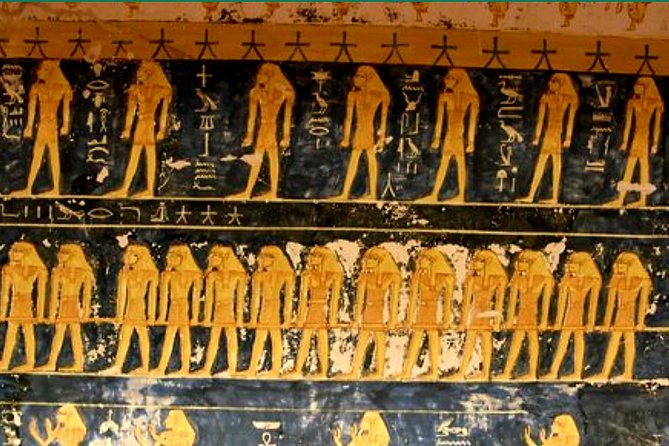
The first major stop is the Valley of the Kings, the New Kingdom burial ground for Egypt’s pharaohs. The cliffs and dry valleys make a stark setting, but the real drama begins underground, where painted corridors lead toward burial chambers.
The itinerary describes visits to four royal tombs. The named tombs include Ramesses III, Merneptah, and Ramesses IV, with other listed references also mentioning Ramesses VI and Ramesses IX. Tomb assignments and access can change, so do not assume every tomb named in the description will be open on your particular morning.
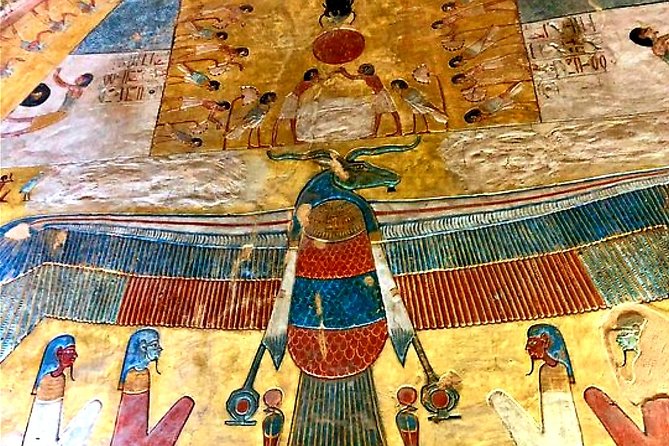
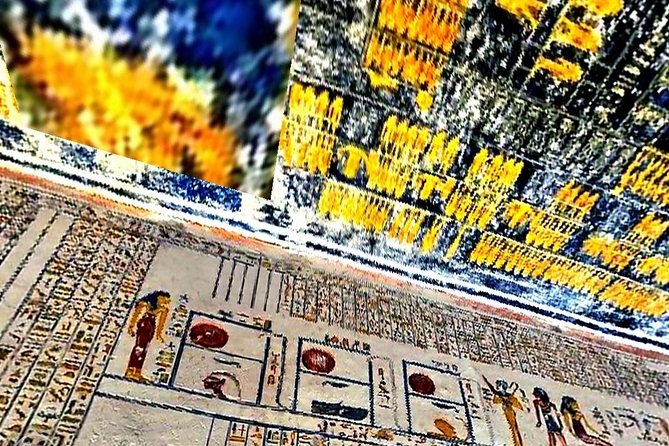
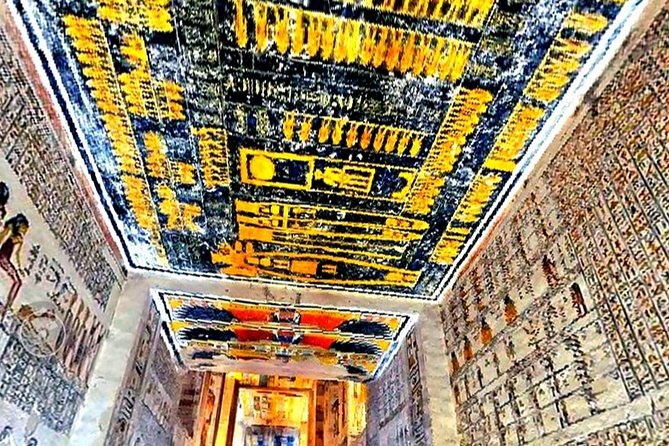
Ramesses IV is a strong choice. Its walls carry scenes from several funerary books, and the blue and white decoration remains striking. Look for the goddess Nut on the ceiling, shown swallowing the sun so it can pass through her body and be born again. The rose-colored granite sarcophagus adds a physical sense of scale to the room.
Ramesses III, also known as KV 11, has colorful sunken reliefs and religious texts. It is unusual for its small side chambers, which show details such as foreign goods, boats, weapons, pottery, and blind harpists. These scenes offer something beyond the standard parade of gods and kings.
Merneptah’s tomb has a different feel. Merneptah was a son of Ramesses II, and the tomb has taller corridors and rooms but fewer side chambers. That contrast is useful because your guide can point out how royal tomb design changed over time instead of presenting every tomb as the same.
You should expect about an hour for the principal Valley of the Kings visit, with shorter periods inside individual tombs. The walking is not extreme, but the heat, uneven ground, and repeated steps in and out of tombs can wear you down. Wear shoes with a firm sole, carry water, and save some energy for Karnak.
Tutankhamun’s mummy, at an extra cost
Tutankhamun’s tomb is an optional visit, listed at 300 EGP. The chamber is modest compared with some larger royal tombs, but you can see the king’s royal mummy there. That direct connection to the burial makes the stop meaningful, especially if Tutankhamun is the figure who first drew you to ancient Egypt.
The extra ticket is not included, so decide before the morning whether this matters to you. If you have already seen elaborate tomb paintings and want the historical connection, it may be worth adding. If you are watching your budget, the four standard tomb visits already provide plenty.
The tour description also mentions Carter House among possible West Bank stops. Howard Carter discovered Merneptah’s tomb in 1903, and the house is linked to his work in the area. The exact inclusion of this and the other additional West Bank sites is not fully clear, so ask your guide what the day’s final route will include.
Hatshepsut’s temple and the Colossi of Memnon
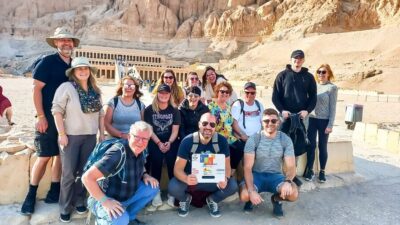
After the tombs, the route continues to the Temple of Hatshepsut at Deir el Bahari. Built into the cliffs, the temple uses broad terraces and long lines to create a very different effect from the underground tombs.
Hatshepsut ruled Egypt as pharaoh, and her story gives your guide a chance to explain kingship, image-making, and the way rulers presented themselves to later generations. The tour allows about an hour here, enough to see the principal terraces and hear the main story without turning the stop into a long lecture.
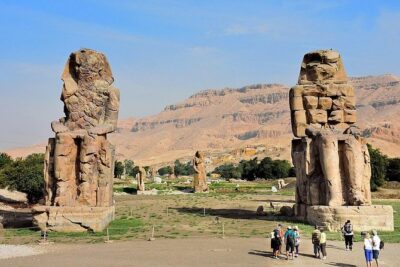
The Colossi of Memnon usually requires less time. These two huge statues date to the reign of Amenhotep III and sit near the road on the West Bank. The scheduled visit is only about ten minutes, so think of it as a photo and orientation stop rather than a full site visit.
Several extra names appear in the route material, including the Tombs of the Nobles, Al Asasif, the Temple of Merenptah, the Temple of Ramesses II, the Mortuary Temple of Seti I, and the tombs of Ramesses VI and Ramesses IX. This suggests the operator may adjust the West Bank route according to opening conditions, timing, and your interests. Because the core day is already packed, confirm which of these are included rather than expecting all of them.
Same base, a completely different day out:
- Hurghada: Luxor Valley of the Kings & Tutankhamun Tomb Trip
★ 4.7 · 13,208 reviews - Luxor Day Trip from Hurghada Small Group & Tutankhamun Tomb
★ 4.8 · 5,366 reviews - Hot Air Balloon Ride in Luxor Egypt with Transfers Included
★ 5.0 · 4,319 reviews - Luxor: Hot Air Balloon Ride over Luxor Relics
★ 4.8 · 1,681 reviews
Lunch on the West Bank
Lunch is included, and this matters more than it might seem. You are visiting dusty, open-air sites in the Egyptian sun, and stopping for a meal gives you a proper pause before the East Bank monuments.
The exact restaurant is not specified. One account praised a local restaurant on the West Bank for giving a better sense of everyday life, while another found the lunch very basic. That difference is a useful warning: expect a practical included meal, not a carefully designed food tour.
If you have dietary needs, raise them before the day begins. The supplied information confirms lunch but does not give a menu or list of dietary arrangements. Some accounts also describe a meal near the Nile or an unexpected boat ride, but neither should be treated as a guaranteed part of this tour.
Karnak Temple: allow time for the scale
Karnak is the East Bank centerpiece, and I would want the guide to spend real time here. The complex grew across many reigns, so it is not one tidy temple but a collection of sacred spaces, gateways, columns, obelisks, and open courts.
The Hypostyle Hall is the visual giant. Its 134 columns create a forest of stone, and the scale can be hard to read without someone explaining how the spaces fit together. The route also identifies the Avenue of Sphinxes, the obelisks of Hatshepsut and Thutmose I, the Temple of Amun, the Sacred Lake, and the granite scarab associated with Amenhotep III.
The schedule gives one hour to Karnak in one place and two hours to the Temple of Amun elsewhere. In practical terms, expect about one to two hours in the complex, depending on site access and the rest of the day. A private guide can keep the visit focused on the major features while leaving you time to take photographs.
The route separately lists the Temple of Ramesses III and the obelisks, though these are within the wider Karnak area. That repetition in the published route should not alarm you. It likely reflects individual points within the complex rather than entirely separate long visits.
Karnak rewards patience, but it can also overwhelm you. If your guide explains every dynasty, deity, and inscription in detail, speak up when you want time to look quietly. One of the best features of a private tour is the ability to balance explanation with personal exploring.
Luxor Temple and the Avenue of Sphinxes
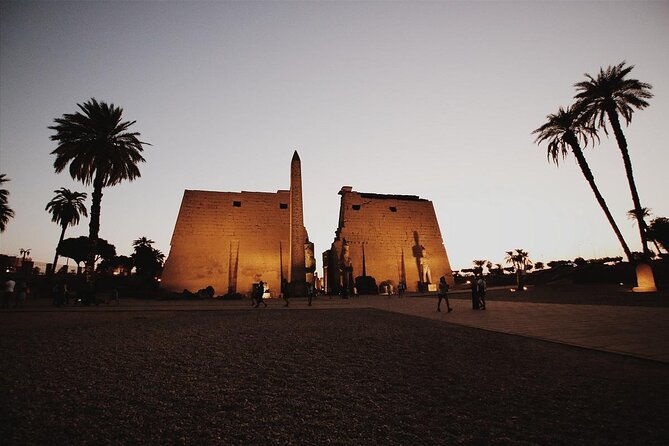
Luxor Temple provides a more compact finish to the East Bank portion. It is dedicated to the Theban Triad of Amun-Ra, Mut, and Khonsu, and its statues of Ramesses the Great give the entrance a strong royal presence.
Unlike Karnak, Luxor Temple is easier to understand as a single planned place, though it also reflects changes made by different rulers. Your guide can help you see the relationship between the temple, royal ceremonies, and the wider sacred route.
The Avenue of Sphinxes once connected Luxor Temple and Karnak across roughly three kilometers. Only part of the avenue is open to the public today, but the remaining section still shows how the two temples were tied together. The itinerary allows about fifteen minutes here, making it a brief walk and photo stop.
The obelisk of Thutmose I and the obelisk associated with Hatshepsut and Thutmose I are also listed as free stops. Since these features are tied to the Karnak and Luxor areas, the guide may include them while moving through the monuments rather than scheduling separate long visits.
The price, entrance fees, and real value
At $65 per person, this is a strong price for a private full-day outing if your group wants a guide and vehicle. The fare includes hotel pickup and drop-off in Luxor, transport, lunch, and an Egyptologist guide. Those inclusions remove several costs that would otherwise add up.
The price does not include any entrance fees. You will need to pay for the main sites yourself, and Tutankhamun’s tomb is an optional additional charge of 300 EGP. The exact total depends on which monuments are open and which tickets you choose, so ask for the current prices before entering the first site.
The value is best for two or more people sharing a private booking, families, and anyone who wants control over the pace. If you are traveling alone, compare the $65 fare plus tickets with a group tour, but remember that a group option usually offers less freedom.
Gratuities are not included and are recommended. Tip according to the quality of the guiding and driving, not because you feel pressured at a site or shop.
The shopping-stop question
Most of the feedback is highly favorable, but one serious complaint involved a stone-figure shop. The problem was not simply being shown souvenirs. The issue was unclear pricing and pressure to buy items the customer did not want.
Another person said the only part they would skip was the stone shop. That is enough for me to advise you to set a boundary early. Tell the guide clearly that you want the archaeological sites and lunch, but no shopping stop. If a shop is proposed, ask whether it is required and whether it will reduce your time at the monuments.
This is especially important because the rest of the private format is designed to give you control. You should be able to use that advantage.
Who should book this tour?
I would choose this tour if you have one full day in Luxor and want the major East and West Bank sights in one organized trip. It suits first-time visitors who want context, families who need a flexible pace, and couples or small groups who prefer not to spend the day with strangers.
It is also a good match if ancient Egyptian history feels confusing. Guides such as Khalid and Abdul are praised for answering questions in depth, while Hamdee is noted for sensing when people need a quieter pace. Hassan is described as both witty and well informed, and Ragab is praised for giving explanations followed by time to explore.
I would hesitate if you dislike long sightseeing days, want to see every tomb slowly, or prefer to arrange each monument independently. The schedule is full, the entrance fees are extra, and the lunch may be simple. You also need to confirm the vehicle’s air conditioning and reject any unwanted shopping stop.
Cancellation is flexible if you act in time: you can receive a full refund by canceling at least 24 hours before the local start time. Confirmation is provided at booking, most people can participate, and the activity is private for your own group.
Should you book the Luxor East and West Bank tour?
Book it if your priority is coverage, a private guide, and a smooth day from hotel to hotel. For $65 per person, the combination of transport, lunch, and personal guiding offers good value, especially when you want the monuments explained rather than simply photographed.
Before paying, send three questions: Which tombs are open and included? What will the total entrance fees be? Can you skip all shopping stops? If the answers are clear, this is a practical way to get your bearings in Luxor and see the essential monuments without wasting a day on transport planning.
FAQ
What time does the tour start?
The listed start time is 8:00 am.
How long does the Luxor tour last?
The tour lasts approximately eight hours. The guided sightseeing portion is described as about seven hours.
Does the tour include hotel pickup and drop-off?
Yes. Pickup and drop-off at Luxor hotels are included.
Is this a private tour?
Yes. Only your group participates in the private activity.
Is lunch included?
Yes. Lunch is included, although the restaurant and menu are not specified.
Are entrance fees included?
No. All entrance fees are paid separately.
Can I visit Tutankhamun’s tomb?
Yes. Tutankhamun’s tomb is an optional visit in the Valley of the Kings. The listed extra admission price is 300 EGP.
Which major sights are included?
The main route covers the Valley of the Kings, Hatshepsut’s temple, the Colossi of Memnon, Karnak Temple, Luxor Temple, and the Avenue of Sphinxes.
Can I cancel for a full refund?
Yes, if you cancel at least 24 hours before the experience starts. Cancellations made less than 24 hours in advance are not refunded.
New on the Luxor list
- Full-Day East and West Luxor Private Tour★ 4.5 · 26 reviews
- Marsa Alam: Snorkeling with Sea Turtles Marsa Mubarak★ 4.9 · 26 reviews
- Day Trip to Edfu & Kom Ombo temples from Luxor and drop off in Aswan or Luxor★ 5.0 · 26 reviews
- Private Full day East and West Bank, Luxor★ 5.0 · 26 reviews
- Luxor Day Tour: Kings Valley & Karnak & Luxor & Hatshepsut Temple★ 5.0 · 26 reviews
- Luxury Hot Air Balloon Experience in Luxor with Pick-up★ 5.0 · 27 reviews
- Full-Day Luxor Tour – Discover the East and West Banks of the Nile★ 5.0 · 27 reviews
- 5 Days 4 Nights Nile Cruise Tour★ 5.0 · 27 reviews
Luxor Tours, compared.
Luxor Valley of the Kings & Tutankhamun Tomb Trip
Read our review →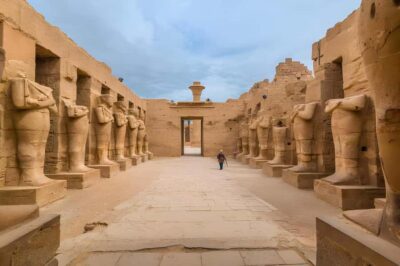
Luxor Day Trip from Hurghada Small Group & Tutankhamun Tomb
Read our review →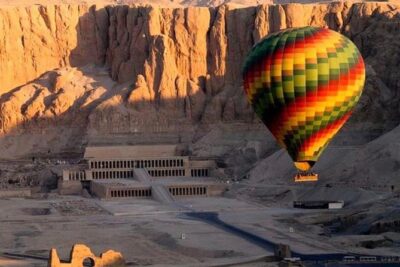
Hot Air Balloon Ride in Luxor Egypt with Transfers Included
Read our review →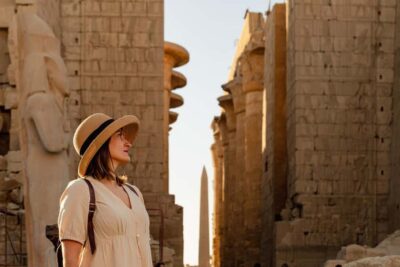
Shared Full-Day Tour to Luxor West and East Banks
Read our review →
Luxor Day Tour: Valley of Kings & Queens & Hatchepsut Temples
Read our review →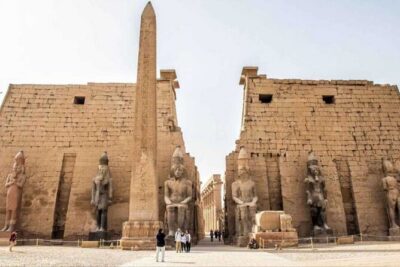
Full Day Tour to East and West Banks of Luxor
Read our review →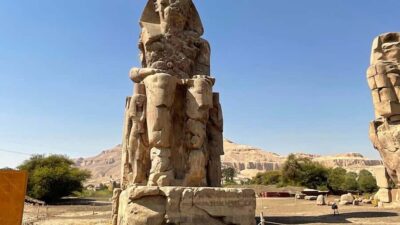
Valley of the Kings and Hatshepsut Temple Day Tour
Read our review →Browse the lists this tour appears in