
Reviewed · LUXOR TOURS
Luxor Day Tour: Valley of Kings & Queens & Hatchepsut Temples
Luxor’s West Bank packs an astonishing amount of ancient Egypt into one day. This private tour moves from royal tombs in the Valley of the Kings to Hatshepsut’s great terrace temple, the painted tombs of Deir el-Medina, and the less-visited Temple of Habu. It is a full dose of pharaohs, priests, artists, and afterlife beliefs.
I like the private format, since you can ask questions, adjust the pace, and stay with your own group. I also like that transport, entry fees, bottled water, and a licensed Egyptologist guide are included, which removes much of the bargaining and planning that can make Luxor tiring.
The main caution is consistency. Many people describe excellent guides, especially Abdo, Roshdy, and Mohamed Awad, but some accounts describe unwanted shopping stops, poor explanations, inflated charges for optional tombs, and one disturbing report of physical misconduct. Set firm boundaries before you leave the hotel, and do not pay for extras unless you agree to them clearly.
Five things to know before booking
- The tour covers nearly the whole West Bank: You visit six major areas, with the Tombs of the Nobles also mentioned as a final stop.
- Your guide makes or breaks the day: Names praised in individual accounts include Abdo Esmael, Abdo, Roshdy, and Mohamed Awad, but guide assignment is not guaranteed.
- The price covers the main admissions: At $89.24 per person, transport and standard entry fees give this good value for a private day, though special tombs and lunch cost extra.
- Start early if possible: The schedule includes a lot of walking and open-air sightseeing, and Luxor can feel hot even in winter.
- Say no to shopping stops: Alabaster and perfume shops are not part of the advertised sightseeing list. You can decline them and ask to continue to the archaeological sites.
What the $89.24 price really buys you
At $89.24 per person, this tour is not simply a ride between monuments. You are paying for a private vehicle, hotel or Nile cruise pickup and return, a licensed Egyptologist guide, standard admissions to the listed sites, water, and a full day of transport across the West Bank.
That is a fair package if you want explanation along the way. Hiring separate transport, arranging tickets, and finding a guide at each site would take more effort, and a private vehicle is especially useful in Luxor, where the archaeological areas are spread out.
The value is strongest for two or more people. A solo visitor pays the full per-person rate, but still gets personal attention and does not have to organize transport alone. Group discounts are available, which may make the cost more appealing for families or friends.
Lunch is not included. The schedule allows time for it, and the guide may offer restaurant choices, but confirm the price before ordering. One unpleasant account described being charged more than expected at lunch, so ask who is paying, what the meal costs, and whether any service charge is included.
Extra tombs also cost more. One account paid separately to enter the tombs of Tutankhamun and Ramses V and VI and felt the expense was worthwhile. That can be a good choice, but ask your guide for the official ticket price at the site. Do not hand over a large amount of cash without a clear explanation.
Airport pickup costs an additional $10. Hotel and Nile cruise pickup in Luxor are included.
A few other Luxor days to weigh up
- Hurghada: Luxor Valley of the Kings & Tutankhamun Tomb Trip
★ 4.7 · 13,208 reviews - Luxor Day Trip from Hurghada Small Group & Tutankhamun Tomb
★ 4.8 · 5,366 reviews - Hot Air Balloon Ride in Luxor Egypt with Transfers Included
★ 5.0 · 4,319 reviews
Valley of the Kings: the day’s main event
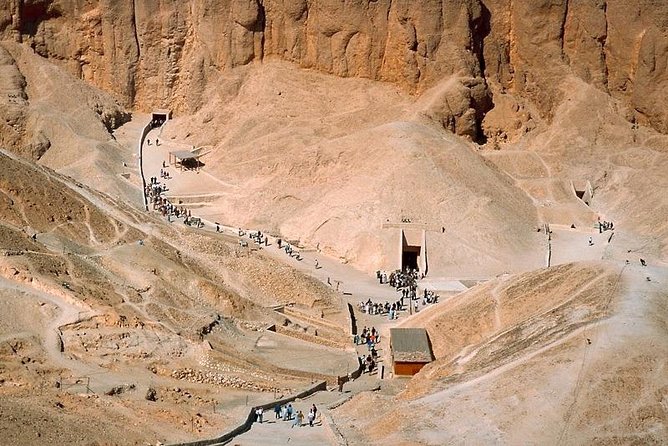
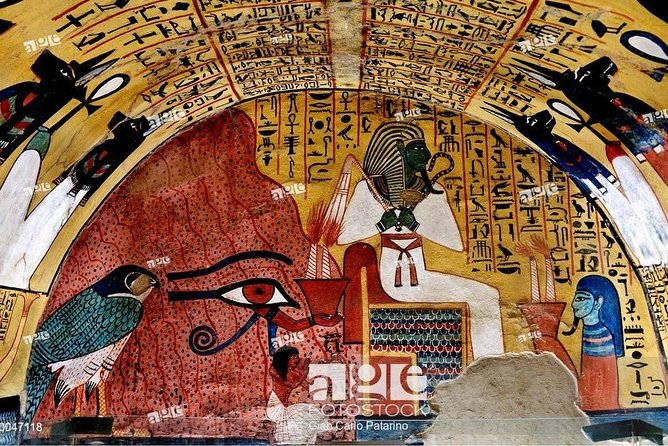
The tour begins with the Valley of the Kings, usually the most anticipated stop. The valley contains 63 known tombs, though only a selection is open at any given time. These are not bare burial chambers. Their walls carry scenes and texts tied to Egyptian ideas about death, judgment, gods, and the journey into the afterlife.
You will normally receive entry to the standard tombs included with the main ticket. The guide can explain which tombs are open and help you understand the painted scenes, but the exact selection may change. Some tombs require an additional ticket, including famous royal burials.
Tutankhamun’s tomb is the obvious example. It is smaller than many people expect, but it is famous for the young king’s burial and the mummy displayed inside. Ramses V and VI are also often singled out for their ceiling decoration and long passages. If you want these special tombs, budget extra and confirm the current cost before entering.
Three hours is a generous allocation, but you will spend much of it walking, waiting, and moving between tombs. Wear shoes with a firm sole, bring sun protection, and carry water. The site is exposed, and even winter visits can become hot later in the day.
The best guides do not simply point at painted figures. They explain how the images work together, why certain gods appear, and how the tombs were made for royal passage into the next world. Abdo Esmael was praised for answering many questions and explaining the sites in clear English. Mohamed Awad was also singled out for pointing out small details in the hieroglyphics.
Hatshepsut’s temple and the story of a female ruler
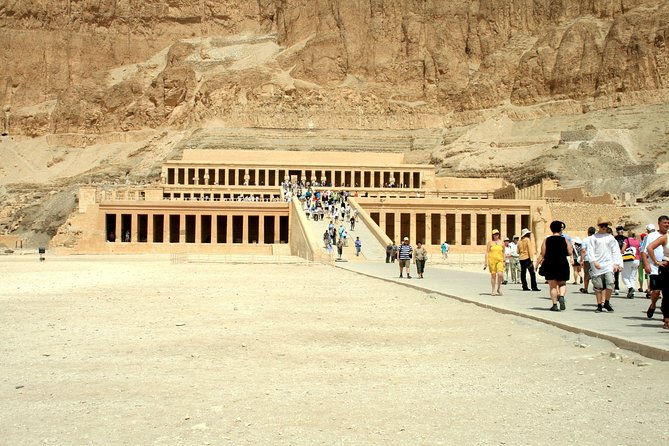
From the tombs, the tour continues to the Temple of Hatshepsut at Deir el-Bahari. Its broad terraces rise against the cliffs, creating one of Luxor’s most memorable settings.
Hatshepsut ruled as pharaoh and used the title meaning Foremost of Noble Ladies. Her reign is linked with long-distance trade, and the reliefs at the temple help show how royal power was presented through religion, ceremony, and foreign contact.
The one-hour visit gives you time to see the terraces, columns, reliefs, and cliff setting without rushing. The site is open and sunny, so this is another place where an early start helps.
A guide adds real value here because the temple’s design can look simple from a distance. The stories in the reliefs, the changes made after Hatshepsut’s reign, and the way the monument frames the cliffs are easier to understand with context. If your guide is spending too much time on sales stops, ask directly for the full explanation here. This is one of the sites where you want your time.
The Colossi of Memnon: a short but worthwhile pause
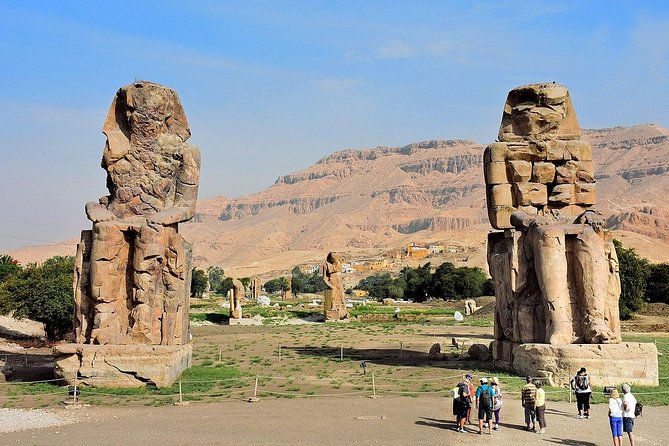
The twin Colossi of Memnon receive about 20 minutes. These giant seated statues were carved from quartzite sandstone and once guarded the entrance to a much larger temple complex.
This is a quick stop, not a full museum visit. You can take photographs, examine the scale of the figures, and hear why the statues became famous in later periods. The short duration makes sense, but it also means the quality of the explanation matters. A good guide can turn a brief roadside stop into a useful piece of the day rather than a rushed photo break.
Same base, a completely different day out:
- Luxor: Shared Full-Day Tour to Luxor West and East Banks
★ 4.5 · 1,812 reviews - Luxor: Hot Air Balloon Ride over Luxor Relics
★ 4.8 · 1,681 reviews - Full Day Tour to East and West Banks of Luxor
★ 5.0 · 1,449 reviews - Luxor: Valley of the Kings and Hatshepsut Temple Day Tour
★ 4.4 · 1,404 reviews
Medinet Habu reveals Ramses III’s power
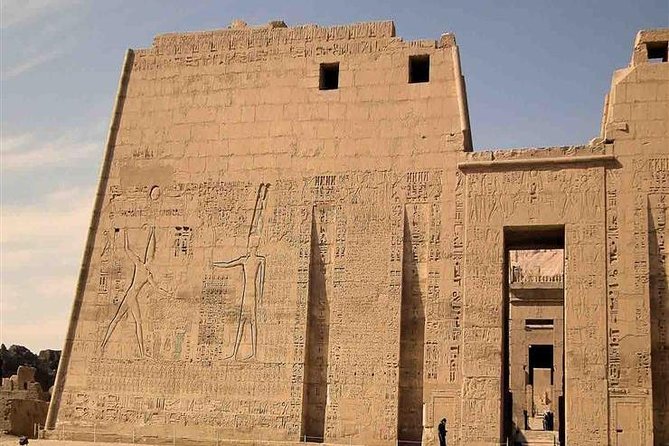
After lunch, you visit Medinet Habu, the temple built to honor Ramses III after his death, following the king’s own orders. Compared with the Valley of the Kings, this site gives you a different view of ancient Egypt. Here, the emphasis is on temple walls, royal victories, ceremonies, and the public image of the pharaoh.
The one-hour visit is enough for a focused look, though the temple deserves attention. Reliefs and inscriptions cover the walls, and the scale gives you a sense of how religious and political life were joined together.
This is one of the places where a strong Egyptologist guide earns the fee. Ask about Ramses III, the purpose of the temple, and how the reliefs communicate royal authority. Several guides named in the feedback, including Roshdy and Abdo, were praised for keeping the day informative without making it feel stiff.
Deir el-Medina: the workers behind the royal tombs
Deir el-Medina is one of the most revealing stops because it shifts attention away from kings. This was the village of the artists, craftsmen, and workers who built and decorated the royal tombs.
The remains help you picture the people who planned, carved, painted, and maintained the monuments in the Valley of the Kings. Their own tombs are often smaller, but the decoration can be remarkably detailed.
You receive about an hour here. It is a good place to ask how the workers lived, how tomb decoration was organized, and what daily life may have looked like. The site connects the grand royal monuments with the skilled labor that made them possible.
For me, this is the kind of stop that makes a day more than a checklist of famous names. You see the pharaohs, then meet the community that made the pharaohs’ monuments possible.
Valley of the Queens and Nefertari’s famous tomb
The Valley of the Queens adds another angle to royal burial. It contains the tomb of Queen Nefertari, one of the best-known queens of ancient Egypt, though entry to her tomb is generally an extra-cost experience when it is open.
The standard admission to the Valley of the Queens is included. Ask your guide which tombs are open that day and what special tickets cost. Do not assume that every famous tomb is covered by the basic ticket.
Nefertari’s burial chamber is known for its finely preserved decoration, but you should treat it as an optional addition, not a guaranteed part of the included package. The main tour still gives you a chance to understand how royal women were honored and how the Valley of the Queens differs from the Valley of the Kings.
The scheduled hour is useful, but this stop comes late in a busy day. If you are tired, take a short pause before entering the tombs. The walking and heat add up.
The Tombs of the Nobles finish the West Bank story
The final description also includes the Tombs of the Nobles, a group of more than 400 tombs belonging to officials and other elite people. These tombs were decorated with scenes and passages connected with the Book of the Dead and the afterlife.
This stop can complement the royal valleys. Kings were buried with grand religious texts and royal imagery, while the tombs of nobles often show work, farming, family life, food, music, and social duties. Those everyday scenes offer a more human view of ancient Egypt.
The schedule is already full, so confirm with the guide how much time is available for this stop. The supplied timing gives one hour to most major areas, but the Tombs of the Nobles appear as an added final visit rather than one of the six timed stops. Clear communication matters if you have a particular tomb in mind.
Transport, walking, and the private format
Pickup and return are provided from a Luxor hotel or Nile cruise. The vehicle is air-conditioned, and several accounts praised the drivers for careful driving, punctuality, and keeping the car cool while the group visited the sites. One account also noted a newer vehicle with a USB charging port, though you should not treat that as guaranteed equipment.
A private tour gives you more control than a large coach. You can ask detailed questions, spend longer at a favorite tomb, and request a meal stop. One group was able to eat at a local family restaurant near the Colossi of Memnon, while another extended the day with additional Luxor and Karnak visits. Those additions were outside the basic tour, and they made the day much longer.
The advertised duration is about eight hours. The route includes substantial walking on uneven ground, stairs, exposed paths, and time in the heat. A 68-year-old parent completed the day, but the account emphasized the need for good shoes. You know your own limits, so discuss breaks with the guide rather than trying to keep up silently.
The shopping-stop problem
The biggest practical concern is unwanted shopping. Several accounts describe visits to alabaster factories or perfume shops, with vendors applying strong sales pressure. These stops are not listed among the archaeological visits and can eat into your limited time.
You are not required to buy anything. Before departure, say plainly that you want the advertised sites only and no shopping stops. If the driver or guide suggests a shop, ask if it is optional and how much time it will take. You can also ask the guide to confirm the day’s route in writing through the booking message.
This is not a small issue. A factory visit can feel harmless when you have plenty of time, but the West Bank schedule is already packed. A sales stop may mean less time in a tomb or temple, and some accounts describe guides pressing people to purchase items they did not want.
Tips are also optional. Tipping is not included, but nobody should pressure you into visiting an ATM, paying for lunch, or handing over a large cash tip. Keep small notes if you choose to tip for good service, and decide the amount yourself.
One especially serious account described unwanted touching, sexual comments, a shortened tour, pressure to withdraw cash, and an unsafe-feeling situation for a solo woman. That is unacceptable conduct, not a normal part of Egyptian hospitality or guided sightseeing. Solo visitors should consider booking through a provider they can contact directly, sharing the itinerary with someone at home, and ending the tour promptly if a guide ignores personal boundaries.
Guide quality matters more than the vehicle
The strongest part of this experience, when it works well, is the guide. Abdo Esmael was praised for fluent English, patience, memory questions, and taking photographs. Abdo was also praised for waiting when a group was delayed, explaining the sites in depth, and helping arrange food at the end.
Roshdy received positive comments for clear English, friendly service, good timing, and strong communication. Mohamed Awad was praised for his command of Egyptian history and for explaining hieroglyphics in a way that helped people notice details they might otherwise miss.
These names do not guarantee who will lead your tour. Ask for the guide’s name before pickup and confirm that an Egyptologist guide will accompany you at the monuments, not just a driver. If the explanation is hard to understand, tell the guide early and ask for shorter, clearer explanations.
The feedback also includes reports of guides spending much of the day on their phones, giving poor explanations, overcharging for optional tickets, or pressuring people to shop. That sharp contrast explains why the overall rating can be very high while the experience is still not risk-free.
Who should book this Luxor tour?
I would consider it for couples, families, and small groups who want to see most of the West Bank in one organized day. It is especially useful if you are staying on a Nile cruise and want pickup, a private car, and a guide without arranging several separate rides.
It suits people who want historical context, not just photographs. You will get the most from it if you ask questions about burial customs, temple symbolism, Hatshepsut’s rule, the workers of Deir el-Medina, and the differences between royal and noble tombs.
It is less suited to someone who wants a slow visit to only two or three sites. Six timed stops, plus the Tombs of the Nobles, make for a demanding day. If you are sensitive to heat, have limited mobility, or want long periods alone at each monument, ask for a shorter customized route.
The tour has free cancellation up to 24 hours before the start time. Changes or cancellations inside that window are not accepted for a refund.
Should you book it?
I would book this tour if I wanted an efficient, private day on Luxor’s West Bank and was willing to manage the details firmly. The included admissions, air-conditioned transport, and access to an Egyptologist guide make $89.24 a reasonable price, especially for a small group.
Before booking, I would send three clear requests: no shopping stops, confirmation of the guide’s name and language ability, and a written explanation of the cost for optional tombs and lunch. I would also keep the provider’s contact details handy during the day.
Choose it for the route and the private format, not because every guide will deliver the same experience. With a good guide such as the highly praised Abdo or Roshdy, this can be a memorable, well-organized day among Egypt’s finest monuments. If your guide pressures you, changes the route, or behaves improperly, you have every right to refuse, contact the operator, and end the situation.
FAQ
How long does the Luxor West Bank tour last?
The tour lasts approximately eight hours, including transport and visits to the listed archaeological sites.
Is hotel pickup included?
Yes. Pickup and return are included from a Luxor hotel or Nile cruise.
Is airport pickup included?
Airport pickup is available for an additional $10.
Is this a private tour?
Yes. Only your own group participates in the private activity.
Is an Egyptologist guide included?
Yes. The tour includes a qualified and fully licensed Egyptologist guide.
Are admission fees included?
Standard admission to the Valley of the Kings, Hatshepsut Temple, Habu Temple, Deir el-Medina, and the Valley of the Queens is included.
Is lunch included?
No. Lunch is not included, although time is set aside for a meal during the day.
Do special tombs cost extra?
Yes. Optional tours and special tomb admissions are not included. Confirm the official price before paying.
Can I cancel for a full refund?
Yes. You can cancel at least 24 hours before the experience start time for a full refund. Changes or cancellations made less than 24 hours in advance are not accepted.
New on the Luxor list
- Full-Day East and West Luxor Private Tour★ 4.5 · 26 reviews
- Marsa Alam: Snorkeling with Sea Turtles Marsa Mubarak★ 4.9 · 26 reviews
- Private Full day East and West Bank, Luxor★ 5.0 · 26 reviews
- Day Trip to Edfu & Kom Ombo temples from Luxor and drop off in Aswan or Luxor★ 5.0 · 26 reviews
- Luxor Day Tour: Kings Valley & Karnak & Luxor & Hatshepsut Temple★ 5.0 · 26 reviews
- Luxury Hot Air Balloon Experience in Luxor with Pick-up★ 5.0 · 27 reviews
- Full-Day Luxor Tour – Discover the East and West Banks of the Nile★ 5.0 · 27 reviews
- 5 Days 4 Nights Nile Cruise Tour★ 5.0 · 27 reviews
Luxor Tours, compared.
Luxor Valley of the Kings & Tutankhamun Tomb Trip
Read our review →
Luxor Day Trip from Hurghada Small Group & Tutankhamun Tomb
Read our review →
Hot Air Balloon Ride in Luxor Egypt with Transfers Included
Read our review →
Shared Full-Day Tour to Luxor West and East Banks
Read our review →
Full Day Tour to East and West Banks of Luxor
Read our review →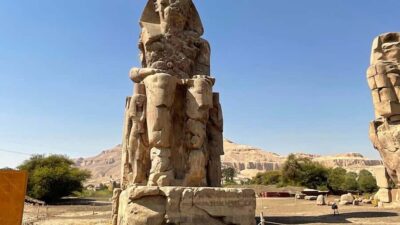
Valley of the Kings and Hatshepsut Temple Day Tour
Read our review →
2-Day Luxor Tour with Hotel, Balloon, & Boat Ride
Read our review →Browse the lists this tour appears in