
Reviewed · NILE CRUISES
Private 04 Days Days Nile Cruise from Aswan to Luxor
The best part of this four-day Nile cruise is the rhythm: ancient temples by morning, river views from the sun deck at midday, and your ship waiting when your feet need a break. You move from Aswan to Luxor while seeing the major sights in the order the river reveals them.
I like the private guide arrangement, especially if you can request a guide such as Ahmed Sliem, who is repeatedly praised for clear explanations, humor, and careful attention. I also like the simple all-in format: three nights aboard ship, meals, admission fees, airport or hotel transfers, and a private vehicle for shore visits are included.
The tradeoff is time. The first two days feel relaxed, but Luxor’s major sites are packed into a tight schedule, and the ship follows the same sailing pattern as many other boats. Temples and tombs can be crowded, particularly on the final two days.
Key details before you reserve
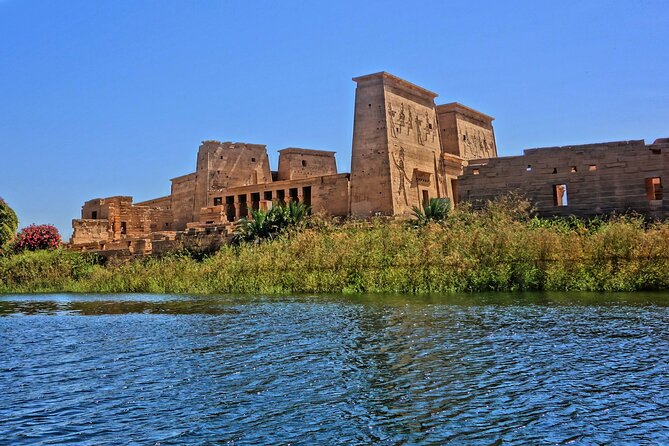
- Philae requires a motorboat ride: The island temple is reached by boat, making this one of the most memorable outings in Aswan.
- Three nights on a standard 5-star ship are included: Breakfast, lunch, dinner, taxes, and admission fees are covered.
- The itinerary covers the essential river sights: You visit Aswan, Kom Ombo, Edfu, the Valley of the Kings, Hatshepsut’s temple, Karnak, and Luxor Temple.
- The tour is private on land: Your group has its own English-speaking Egyptologist and private air-conditioned transport.
- Luxor sightseeing is the busiest part: Day 3 and Day 4 contain the biggest sites, but the timing leaves less room to wander.
- Extras cost more: Abu Simbel and a Nubian village visit have been arranged by some customers for an additional fee, but they are not part of the stated package.
Why cruising from Aswan to Luxor works so well
Egypt’s major temples are spread along the Nile, and this route saves you from packing and unpacking between each stop. Your cabin becomes a moving base, while the river provides a steady view of villages, palms, desert edges, and passing boats.
The direction from Aswan to Luxor also gives the trip a natural build. Philae begins with a graceful island temple, followed by the unusual double shrine at Kom Ombo and the huge temple at Edfu. By Luxor, you are ready for the grand scale of Karnak and the royal tombs in the Valley of the Kings.
At $640 per person, the price is best judged as a bundled four-day service rather than a simple boat fare. You receive three nights aboard ship, nine listed meals, admission fees, transfers, a private guide, private road transport, and help at arrival and departure. If you booked each item separately, the convenience alone would be worth something.
Still, ask what standard 5-star means before paying. The ship name and cabin details are not provided, so the exact room size, deck position, sailing schedule, and onboard facilities may vary. Request those details, along with the name of your guide and the final pickup plan, before confirming.
More Boat Tours in Aswan
- 4-Days Nile Cruise From Aswan To Luxor including Abu Simbel and Hot Air Balloon
★ 5.0 · 3,142 reviews - 4-Day 3-Night Nile Cruise from Aswan to Luxor&Abu Simbel+Balloon
★ 5.0 · 2,023 reviews - 4-Day 3-Night Nile Cruise from Aswan to Luxor including Abu Simbel, Air Balloon
★ 4.5 · 612 reviews
Day 1: Aswan, the High Dam, and Philae Temple
Your day begins with a meeting at Aswan Airport at 9 am. An English-speaking representative takes you by private, air-conditioned van to the cruise ship, with check-in scheduled before noon. If you are arriving by another route, confirm the pickup point in advance, since the stated meeting point is the airport.
Lunch is served aboard ship before the sightseeing begins. That is a useful arrangement because you can settle in, get your cabin organized, and eat before heading out into Aswan’s heat.
The first stop is the High Dam, built under President Gamal Abdel Nasser in the 1960s to control the Nile floods. The dam changed modern Egypt by regulating water and supporting electricity production, but it also changed the ancient river valley. The creation of Lake Nasser required the relocation of monuments, including Philae Temple.
You reach Philae by motorboat, which adds a pleasant change from the van and ship. The temple complex was built during the Graeco-Roman period and dedicated to Isis, the goddess associated with motherhood, magic, and protection. Its setting on an island gives the visit a special sense of arrival, and the water approach helps you understand why Philae is often a favorite stop.
Allow yourself time to look closely at the carved columns and reliefs. This is not just a large pile of old stone. It is a functioning religious complex with layers from different periods, and your Egyptologist can explain how the later Graeco-Roman builders continued Egyptian traditions.
The final stop is the Unfinished Obelisk, still lying in the red granite quarry. It shows how ancient stoneworkers shaped enormous monuments and where a flaw in the rock could halt the entire project. Seeing the abandoned work helps you understand the physical labor behind the polished obelisks found elsewhere.
You return to the ship for a free evening in Aswan. This is one of the easier parts of the program. You are not pushed into another formal visit, so you can rest, enjoy the ship, or explore on your own if you have the energy.
Day 2: Kom Ombo, Edfu, and a day on the river
After breakfast, the ship sails toward Kom Ombo. The temple is unusual because it was dedicated to two gods, Sobek and Haroeris. Sobek had the form of a crocodile, while Haroeris was a form of Horus. The paired design gives the temple a clear dividing line, and your guide can help you read the plan and reliefs.
Kom Ombo is also a good place to notice how Egyptian religious sites changed over time. Its visible remains include later construction, and the temple’s river setting connects it to the practical life of ancient Nile transport.
After the visit, you return to the ship for lunch on the sun deck. This is where the cruise earns its keep. Instead of spending the middle of the day in a vehicle, you can eat while watching the river slide past. The schedule includes time to relax aboard before the next temple.
Edfu is reached by horse-drawn carriage, described in the program as chariot riding. This transfer is part of the character of the stop, but it can also feel less polished than the private van rides. Keep your expectations practical and follow your guide’s instructions about meeting times and locations.
The Temple of Horus at Edfu is one of Egypt’s best-preserved temples. Its walls, pylons, columns, and reliefs give you a stronger idea of what an Egyptian temple looked like before centuries of weather and stone removal took their toll. It is a rewarding place to visit early in the trip because the details are still easy to follow.
Back aboard ship, you have time to rest. Dinner is included, followed by an Egyptian folkloric show organized by the crew. This is a light, social end to the day rather than a major cultural performance. Enjoy it as shipboard entertainment, not as the main reason to book the cruise.
The second day is often the most comfortable balance of sightseeing and downtime. You see two important temples, but the ship remains the center of the day.
Day 3: The Valley of the Kings and the west bank of Luxor
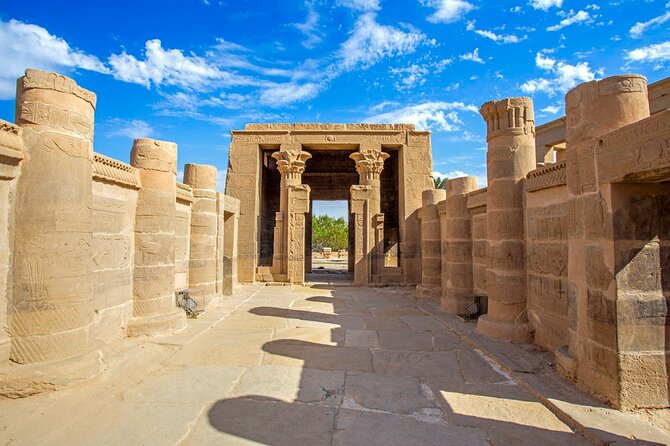
Day 3 brings the largest concentration of famous sites. After breakfast, you cross into the Theban west bank, the area used as the burial ground for kings and rulers of ancient Egypt.
The Valley of the Kings is the headline stop. Rather than building pyramid-shaped tombs in the open desert, pharaohs of the New Kingdom were buried in rock-cut chambers hidden in the valley. The tomb entrances may look modest from outside, but the corridors and painted walls inside reveal the religious journey expected after death.
Your admission includes the listed visits, but tomb access can vary by ticket and current site rules. The program does not specify which individual tombs are included, so ask your guide on the day. Bring water, wear practical shoes, and remember that the valley requires walking over uneven ground in strong sun.
The next stop is the Temple of Queen Hatshepsut at Deir El Bahari. Its terraces rise against the cliffs, creating one of the most distinctive settings in Luxor. Hatshepsut ruled as pharaoh and commissioned a temple that presented her authority through architecture, reliefs, and religious imagery.
This temple is not simply carved inside the mountain, as the description suggests. It is better understood as a large terraced complex built against the cliffs, with the rock wall forming its dramatic backdrop. The guide’s explanation is valuable here because Hatshepsut’s story involves royal power, succession, and the way rulers shaped their public image.
You then stop at the Colossi of Memnon, two enormous seated statues associated with Amenhotep III. The visit is brief, but the statues provide an immediate sense of scale. They also make a useful visual pause between the west bank’s tombs and temple terraces.
Lunch is served back aboard ship, followed by free time in the afternoon. This break matters. The morning involves heat, walking, and several major sites, so do not feel that you must fill every open hour.
Day 3 can feel rushed. The sights are spread out, and many ships reach the west bank on the same schedule. The combination of tight timing and shared arrival periods means you may have to move on just when you are beginning to settle into a place.
More Nile cruises around Aswan:
- From Aswan: 4-Day Nile Cruise from Aswan to Luxor with Guide
★ 4.1 · 593 reviews - 4-Days Nile Cruise From Aswan To Luxor including Abu Simbel and Hot Air Balloon
★ 4.5 · 509 reviews - 4-Day 3-Night Nile Cruise from Aswan to Luxor – Private Tour
★ 5.0 · 369 reviews - 4 Days Nile Cruise from Aswan to Luxor including Abu Simbel and Hot Air Balloon
★ 4.5 · 356 reviews
Day 4: Karnak and Luxor Temple before departure
Check-out is scheduled after breakfast at 8 am. The early start is sensible because Karnak is enormous, and the East Bank can become tiring once the day warms up.
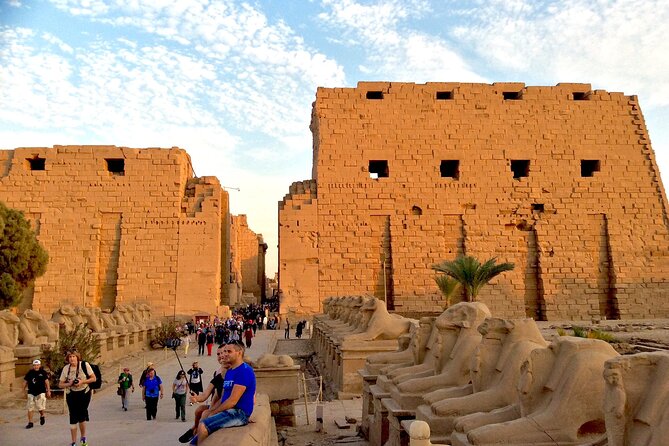
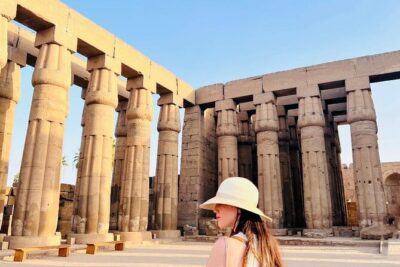
Karnak is not one temple in the narrow sense. It is a vast complex of sanctuaries, pylons, courtyards, columns, and chapels built and expanded by successive rulers. The Great Hypostyle Hall, with its forest of columns, is the visual centerpiece for many people, but the complex rewards a slower walk if your schedule allows.
The description calls Karnak the biggest complex construction in the world and gives its area as a hundred, but it does not specify the unit. Treat that wording as a general indication of scale rather than a precise measurement. The practical point is simple: Karnak is too large to understand in a quick glance, so stay close to your guide and ask which sections matter most during your visit.
Luxor Temple follows. Unlike Karnak, which grew over many centuries, Luxor Temple feels more compact and direct. It was built and expanded by several rulers, including Ramesses II, and its columns, statues, and processional spaces make a strong final visit.
The temple is especially effective after Karnak because the two sites were connected in ancient religious life. Your guide can explain that relationship and point out how rulers used the temples to link themselves with the gods and earlier pharaohs.
After the East Bank visit, a private air-conditioned van takes you to your chosen location in Luxor. The stated drop-off options include Luxor hotels, airports, and stations. Services end after this transfer, so plan any extra sightseeing or onward transport separately.
The guide can make or break the temples
The private Egyptology guide is one of the strongest features of this arrangement. These monuments are much easier to appreciate when someone explains the symbols, royal succession, temple layout, and religious purpose as you move through each site.
Ahmed Sliem is a guide you can specifically request, subject to availability. He is praised for being funny, kind, attentive, and good at explaining sites without turning the day into a lecture. Dr. Ashraf Al Raafey is another named guide associated with strong archaeological knowledge and clear answers.
You should still confirm the guide request before arrival. A request is not a guarantee, and the package promises an English-speaking private Egyptologist rather than a particular person.
The private format also helps with pace. You can ask for more time at Philae, request a short explanation before exploring on your own, or tell the guide when the group needs a break. The itinerary is full, so speak up early if you prefer fewer details at one site and more time at another.
Ship life, meals, and what $640 covers
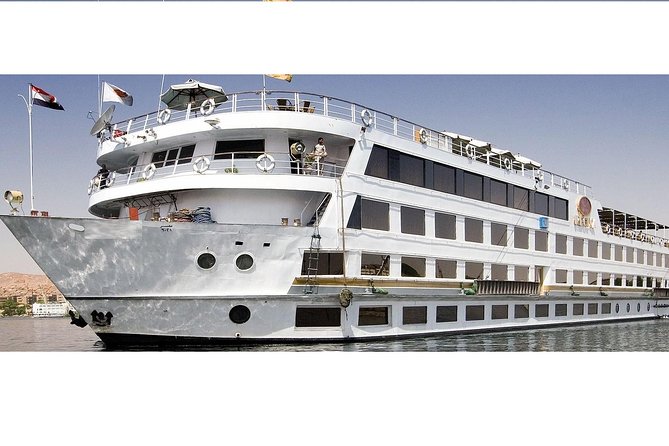
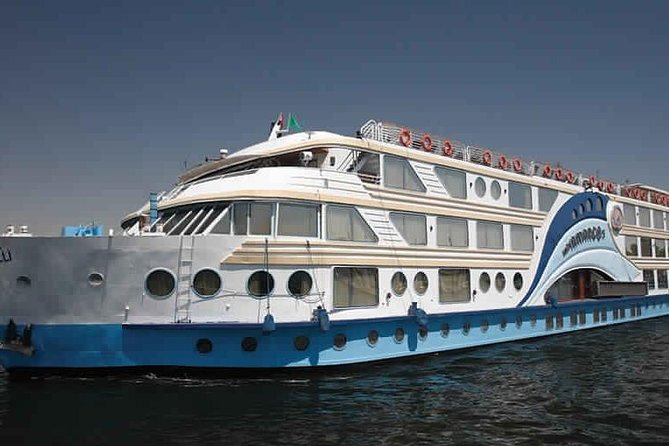
Three nights are spent aboard a standard 5-star Nile cruise on a full-board basis. Breakfast, lunch, and dinner are included for the cruise portion, along with one complimentary bottle of water per person per day.
Past onboard impressions point to friendly service, good meals, and cabins with river views, but the supplied details do not identify the ship. That means you should not assume a particular vessel, cabin category, pool, entertainment schedule, or Wi-Fi arrangement. Ask for the current ship name and cabin information before booking.
The river views are a major part of the value. You get rest between visits without giving up the sense of place. Lunch on the sun deck on Day 2 is a good example of how the cruise turns travel time into part of the experience.
Tips are not included. You should budget separately for the guide, driver, and cruise staff. Personal expenses such as laundry are also extra, as are any activities not listed. Abu Simbel and a Nubian village have been available as paid add-ons, but their price and availability should be confirmed directly.
Timing, crowds, and physical demands
This is a moderate-activity tour. You need to walk through temple grounds, climb or manage uneven surfaces in archaeological areas, and cope with heat. A current passport is required on the day of travel, children must be accompanied by an adult, and a vegetarian meal can be requested when booking.
The schedule is manageable for most people with moderate fitness, but it is not a lazy houseboat holiday. Day 1 runs about four hours, Day 2 about four hours, Day 3 about four hours, and Day 4 about four hours, not counting time spent moving with the ship or waiting at sites.
Crowds are the main timing issue. Nile ships tend to follow similar routes and arrive at the major temples in shared time windows. You cannot control every delay, but an early start, comfortable shoes, water, and close communication with your guide will make the long site days easier.
The tour is private, but the ship itself is not necessarily private. Your guide and land transport are for your group, while meals, sailing, and onboard activities may be shared with other people. Clarify this distinction if you want complete privacy.
Who should book this Nile cruise?
I would choose this trip if you want Egypt’s main Nile sights arranged in one compact package. It suits first-time visitors who want a guide, families who prefer private transport, and couples who would rather spend four days sightseeing than managing trains, taxis, tickets, and hotel changes.
It is also a good fit if you want a balance of structure and rest. The ship gives you a dependable base, while the free periods on the first and third days leave some breathing room.
I would hesitate if you need long, unhurried visits at every site, dislike fixed sailing schedules, or want a clearly specified luxury ship. The final two days are full, and the package description leaves the exact vessel and cabin details open.
The cancellation terms are worth noting before you commit. You can receive a full refund if you cancel at least six full days before the start time. Canceling two to six full days ahead allows a 50 percent refund, while canceling less than two full days before the start time is nonrefundable.
Should you book it?
Book this cruise if you value expert guidance and easy logistics more than total flexibility. The route covers the essential Aswan and Luxor monuments, the private touring setup lets you travel at your group’s pace, and the price includes the core costs that can quickly add up in Egypt.
Before paying, confirm the ship name, cabin category, guide request, pickup details, and any extra sightseeing you want. If those answers suit you, this is a practical way to experience the Nile without turning every transfer into a separate negotiation.
FAQ
How long is the Nile cruise from Aswan to Luxor?
The cruise lasts approximately four days and includes three nights aboard the ship.
What time does the tour start?
The stated meeting time is 9 am at Aswan Airport. Ship check-in is scheduled before noon on Day 1.
Where does the tour begin?
The stated starting point is Aswan Airport in Aswan, Egypt. Pickup is offered, but you should confirm the exact arrangement if you are arriving somewhere else.
Where does the tour end?
After the Day 4 visits, private air-conditioned transport takes you to your location in Luxor. The listed options include a hotel, airport, or station.
Is the tour private?
Yes. It is described as a private tour and activity, with only your group participating in the land portion.
What meals are included?
Three breakfasts, three lunches, and three dinners are included. The cruise operates on a full-board basis.
Is a guide included?
Yes. The package includes a private English-speaking Egyptology guide. Ahmed Sliem and Dr. Ashraf Al Raafey are named guides associated with the provider, but guide requests are subject to availability.
Which main sights are included?
The itinerary includes the High Dam, Philae Temple, the Unfinished Obelisk, Kom Ombo Temple, Edfu Temple, the Valley of the Kings, Hatshepsut’s temple, the Colossi of Memnon, Karnak, and Luxor Temple.
Is vegetarian food available?
Yes. A vegetarian option is available, but you must advise the provider at the time of booking.
Are tips and personal expenses included?
No. Tips for the guide, driver, and cruise staff are not included. Personal expenses such as laundry and other extras are also excluded.
More Boat Trips in Aswan
- From Aswan: 3-Day Cruise to Luxor with Hot Air Balloon
★ 4.3 · 598 reviews - 4-Day 3-Night Nile Cruise from Aswan to Luxor With Balloon and Abu Simbel
★ 5.0 · 327 reviews - 4-Days Nile Cruise Aswan&Luxor,Hot Air Balloon&Abu Simbel.Hot deal
★ 5.0 · 322 reviews - 2 Night Nile Cruise from Aswan to Luxor
★ 5.0 · 311 reviews
New on the Aswan list
- 4Day 3-Nights Nile Cruise From Aswan To Luxor★ 5.0 · 26 reviews
- 4 days 3 Nights Nile Cruise from Aswan to Luxor★ 5.0 · 26 reviews
- 4-Day-3 Night Nile Cruise Aswan & Luxor + Abu Simbel, Air Balloon★ 5.0 · 26 reviews
- 4-Days Nile Cruise sails Aswan to Luxor &Abu Simbel. Air Balloon★ 5.0 · 26 reviews
- Abusimbel Aswan to Luxor 4 days Nile cruise★ 5.0 · 27 reviews
- 4-Day 3-Night Nile Cruise from Aswan to Luxor – Luxury Tour★ 4.5 · 27 reviews
- Tour to Abu Simbel Temple with a small group and a Professional tour guide★ 4.5 · 27 reviews
- 4 Days 3 Nights from Aswan to Luxor Nile cruise+Abu simbel temple★ 5.0 · 27 reviews
Nile Cruises, compared.
4-Days Nile Cruise From Aswan To Luxor including Abu Simbel and Hot Air Balloon
Read our review →
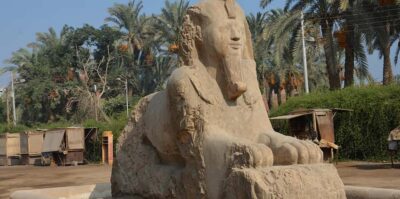
Sakkara, Memphis & Dahshur (Pyramid & Felucca Options)
Read our review →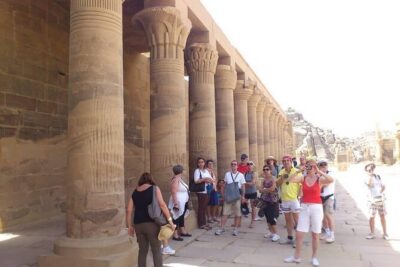
4-Day 3-Night Nile Cruise from Aswan to Luxor including Abu Simbel, Air Balloon
Read our review →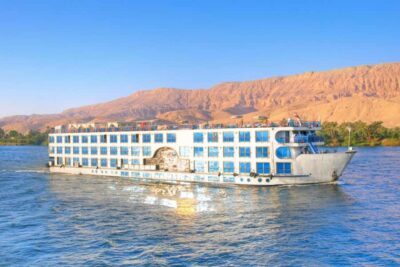
4-Day Nile Cruise from Aswan to Luxor with Guide
Read our review →
4-Days Nile Cruise From Aswan To Luxor including Abu Simbel and Hot Air Balloon
Read our review →
1 or 2-Hour Felucca Ride on the Nile with Transfers
Read our review →Browse the lists this tour appears in