
Reviewed · ABU SIMBEL TOURS
4-Day-3 Night Nile Cruise Aswan & Luxor + Abu Simbel, Air Balloon
Abu Simbel is the headline here: you leave before sunrise, cross the desert to Lake Nasser, and meet the enormous seated figures of Ramesses II before the heat and crowds build. I like that this trip also pairs Philae Temple on its island with a full Nile sailing, and I like the final morning balloon ride over ancient Thebes.
The trade-off is pace. Abu Simbel begins around 4:30 a.m., and the four-day schedule packs in nearly every major temple between Aswan and Luxor. The $720 price is attractive for a five-star, full-board cruise, but you must add domestic airfare, entrance fees, and tips.
Key points at a glance
- Abu Simbel before breakfast: Make the long pre-dawn road transfer for two of Egypt’s most powerful temples.
- A five-star Nile base: Three nights aboard a full-board cruise ship give you a comfortable place to eat, sleep, and watch the river pass.
- Philae by boat: Reach the island temple of Isis by sailing across the Nile to Agilkia Island.
- The classic temple run: Visit Kom Ombo, Edfu, Karnak, and Luxor Temple in one carefully packed route.
- Sunrise from the air: The included hot-air balloon flight offers a quiet view over the remains of ancient Thebes.
- Private service with one group exception: Your tour is private for your party, while the Abu Simbel visit is conducted with a group.
What this four-day Nile cruise really delivers
This is a concentrated introduction to Upper Egypt, not a slow, lazy cruise with long afternoons at every stop. In four days, you move from Aswan’s modern dam and island temples to the royal tombs and grand religious centers of Luxor.
The cruise ship is the organizing principle. You get three nights of accommodation, breakfast, lunch, and dinner, so the boat becomes your dining room, bedroom, and moving viewpoint. That saves you from changing hotels every night, though you should expect early starts and a steady stream of sightseeing.
A qualified Egyptology guide accompanies the experience. That matters here. The temples are large, symbolic, and full of rulers with similar names. Good explanations help you understand why a crocodile cult mattered at Kom Ombo, why Hatshepsut built her temple against the cliffs, and how Karnak functioned as more than a single building.
The published score is 4.9 from 26 ratings, with 100 percent recommending the experience. The strongest praise centers on friendly service, clear guidance, helpful drivers, and staff who make the journey easier for first-time visitors to Egypt. That fits the design of this trip: you have transfers, meals, sightseeing, and a guide arranged in one package.
More Boat Tours in Aswan
- 4-Days Nile Cruise From Aswan To Luxor including Abu Simbel and Hot Air Balloon
★ 5.0 · 3,142 reviews - 4-Day 3-Night Nile Cruise from Aswan to Luxor&Abu Simbel+Balloon
★ 5.0 · 2,023 reviews - 4-Day 3-Night Nile Cruise from Aswan to Luxor including Abu Simbel, Air Balloon
★ 4.5 · 612 reviews
Day 1: Aswan High Dam and Philae Temple
If you are coming from Cairo, pickup from your hotel or the airport is followed by a domestic flight to Aswan. Domestic airfare is not included, so check the total cost before you book. Once you arrive, the program begins with the Aswan High Dam.
The dam is not an ancient monument, but it explains modern Egypt. Built across the Nile, it controls water and produces power while creating Lake Nasser behind it. The stop gives you a useful look at the engineering project that changed the river and forced the relocation of several ancient sites.
Allow about an hour here. The admission ticket is extra, as are the tickets at the other major sightseeing stops. It is worth keeping a small cash reserve for entrance fees and tips, though the exact amount is not supplied with the tour details.
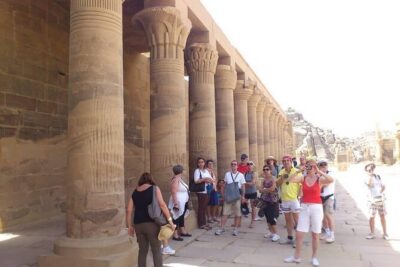
Next comes Philae Temple, one of the most memorable stops in Aswan. You cross the Nile by boat to Agilkia Island, where the sanctuary dedicated to Isis was rebuilt after the original island of Philae was threatened by rising water.
Isis was linked with magic, motherhood, and protection, and her temple carries a softer, more intimate feeling than the huge complexes farther downstream. The boat approach is part of the appeal. You do not simply arrive at a parking lot and walk through a gate. You see the temple as an island sanctuary, surrounded by the river.
After Philae, you check in to the Nile cruise. The schedule says full board, with dinner included on the first night. Since this is your only scheduled day in Aswan, the arrangement works best for someone who wants the main sights without adding a separate hotel night.
Day 2: The pre-dawn run to Abu Simbel
Abu Simbel requires the hardest wake-up call of the trip. Transfer begins around 4:30 a.m., with arrival expected around 8 a.m. The round trip and temple visit take about ten hours, so this is a major outing rather than a quick side trip.
The reason to go is simple: Abu Simbel is extraordinary. Ramesses II carved the Great Temple into the rock, placing four huge seated statues across its façade. Their scale is difficult to grasp until you are standing in front of them, looking up at a ruler who wanted his power to last for eternity.
Inside, the temple honors Re-Horakhty and celebrates Ramesses II through carved scenes and royal imagery. The nearby temple of Nefertari is smaller but especially important because it honors the queen alongside the goddess Hathor. Seeing both temples together gives you a fuller picture of royal presentation in ancient Egypt.
The drive is long, and the departure is early. You should treat this as a deliberate choice: Abu Simbel is one of the great sights of southern Egypt, but it costs you sleep. The excursion is listed as a group visit even though the broader activity is private for your party, so confirm how the Abu Simbel portion will operate if having a fully private day matters to you.
After returning, lunch is provided, then the boat continues to Kom Ombo. This is a good example of how the cruise schedule works. You tour a major site, return to the ship for food, and let the river carry you toward the next stop.
Kom Ombo and the crocodile cult
Kom Ombo is unusual because it is a double temple. One side is linked to Sobek, the crocodile god, while the other is associated with Horus. The paired design reflects two religious traditions sharing one sacred place.
The crocodile connection is more than a decorative detail. Ancient Egyptians could fear crocodiles as dangerous animals while also honoring them as symbols of fertility and the Nile’s life-giving power. The Crocodile Museum adds a direct, sometimes startling element to the visit, with preserved mummified crocodiles connected to the cult.
Plan for about two hours at the temple and museum. Admission is not included. The cruise then sails toward Edfu, giving you a chance to rest after the long Abu Simbel day.
This may be your best evening for enjoying the ship itself. The tour promises a five-star vessel and full board, but it does not name the ship or list facilities. Think of the cruise category as a comfort level rather than a guarantee of a particular pool, cabin layout, or entertainment program.
More Nile cruises around Aswan:
- From Aswan: 4-Day Nile Cruise from Aswan to Luxor with Guide
★ 4.1 · 593 reviews - 4-Days Nile Cruise From Aswan To Luxor including Abu Simbel and Hot Air Balloon
★ 4.5 · 509 reviews - 4-Day 3-Night Nile Cruise from Aswan to Luxor – Private Tour
★ 5.0 · 369 reviews - 4 Days Nile Cruise from Aswan to Luxor including Abu Simbel and Hot Air Balloon
★ 4.5 · 356 reviews
Day 3: Edfu, Karnak, and Luxor Temple
Edfu Temple is dedicated to Horus and is among the best-preserved temples in Egypt. Its condition helps you picture how a major Egyptian sanctuary was organized, from the massive entrance gateway to the courtyards and enclosed halls.
The temple sits beside the Nile in the town of Edfu. A two-hour visit gives you time to take in the reliefs and hear the religious stories behind them. Horus, often shown as a falcon or a man with a falcon’s head, appears throughout the decoration.
After Edfu, the program turns toward Luxor. The next major stop is Karnak, a vast complex on the east bank of ancient Thebes. Three hours here is useful because Karnak is not one compact temple. It is a collection of sanctuaries, courts, pylons, and columns built and altered by many rulers.
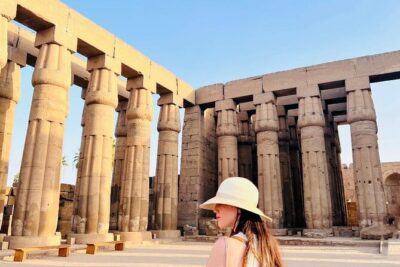
Karnak was known as Ipet-Isut, the Most Select of Places, and it served the sacred gods of Thebes. The scale is the point. You walk through spaces designed to make ordinary people feel small before the gods and the king.
The itinerary calls the stop Karnak Open Air Museum, but the main attraction is the Karnak temple complex. Admission is extra. Wear shoes that can handle uneven ground and be ready for a lot of walking under the Egyptian sun.
Luxor Temple follows, with about an hour inside. Compared with Karnak, it feels more compact and easier to grasp in one visit. Its ancient name, Ipet Resyt, means the Southern Sanctuary, and it played a role in the Opet Festival, when sacred images were carried between Karnak and Luxor Temple.
I like the order of this day. Edfu shows you a well-preserved Ptolemaic temple, Karnak supplies monumental scale, and Luxor Temple brings the subject back to a more focused ceremonial setting. The drawback is that this is another full sightseeing day, so the cruise is not the right pick if you want long, unplanned hours on deck.
Day 4: A sunrise balloon over ancient Thebes
The final morning begins with the tour’s most unusual feature: a hot-air balloon flight over Luxor. Takeoff is timed for sunrise, and breakfast is listed as included on board before checkout.
From the air, you get a broad view of the remains of ancient Thebes rather than another ground-level procession through columns and doorways. The calm, high view can help you understand the relationship between the Nile, the city, and the western necropolis.
The balloon flight lasts about an hour and is included in the package. Exact operating details, such as the launch site and weather procedures, are not provided, so ask the operator for the final pickup time and flight arrangements before the morning begins.
After breakfast and checkout, you visit the Valley of the Kings. Ancient Egyptian rulers carved tombs into the hills here to hide their burials and protect their mummies from the fate that had overtaken many earlier pyramids and tombs.
The valley is not about grand exteriors. The drama is underground, in painted corridors and burial chambers cut into the rock. The entrance fee is not included, and the number of tombs open can vary, so ask your guide which tombs your ticket covers and what extra options are available.
Three hours is a sensible amount of time for the area. You will walk between tombs and spend time inside them, where heat and enclosed spaces can make the visit tiring. A hat, water, and comfortable shoes will make a real difference.
The final major sight is the mortuary temple of Hatshepsut at Deir Al-Bahri. Its terraces rise against the cliffs in a design that feels very different from the enclosed temples at Karnak and Luxor. Hatshepsut ruled as pharaoh and built a monument that presented her authority in carefully planned images and inscriptions.
The route then passes the Colossi of Memnon, two enormous sandstone statues of Amenhotep III. This is a shorter photo stop rather than a long exploration, but the statues make a strong final image before your transfer to the airport, station, or hotel.
How the value works at $720
At $720 per person, this package can be good value if you want a guided cruise with meals and major transfers arranged in advance. You receive three nights on a five-star Nile ship, nine listed meals, an Egyptology guide, the hot-air balloon ride, airport or hotel assistance, and the Abu Simbel excursion.
The price does not cover domestic airfare, entrance fees, or tipping. Those exclusions are important. The advertised price is not the final amount you will spend, especially if you are flying from Cairo to Aswan and paying admission at every major site.
The value is strongest for first-time visitors who want structure. You do not need to organize separate transport from Aswan to Luxor, find a boat, arrange Abu Simbel, or coordinate a balloon flight. The staff also handles meet-and-assist service on arrival and departure with an air-conditioned vehicle.
The value is weaker for independent visitors who already know the Nile route and prefer to choose their own ship, tomb tickets, or sightseeing pace. You are paying for coordination and support, not just transportation.
Service, guides, and the private-tour setup
The service element receives especially strong praise. The team is described as friendly, protective, responsive, and helpful with practical problems. One notable example is staff recovering a lost mobile phone at the airport, which tells you more about support than a generic claim of good service.
Guides are also praised for explaining sites clearly, giving people enough time to walk around, and offering context about Egyptian culture. The tour data does not provide the name of the guide assigned to this Nile cruise, so do not assume that names associated with other Exodus trips will be your guide here.
The activity is described as private, meaning only your group participates, but Abu Simbel is listed as a group excursion. That distinction deserves attention when you book. It may mean your local transfers and main sightseeing are private while the long Abu Simbel visit joins other passengers.
The company has also received positive comments for directing people toward legitimate shops. That can support reputable sellers, but it may cost more than informal stalls. If shopping is part of your plan, ask about prices before buying and remember that you are free to decline.
Who should book this Nile cruise
I would choose this for a first visit to Upper Egypt, especially if you want the classic Aswan to Luxor route without building the trip yourself. It suits people who value a guide, organized transfers, full-board meals, and a comfortable ship more than free time.
It also works well for couples, families, and small groups that want a private structure. Group discounts are offered, so ask how the rate changes for your party.
You should think twice if you dislike early mornings, long drives, or tightly scheduled sightseeing. Abu Simbel begins before dawn, and the final two days are packed with temples and tombs. Anyone with limited energy may prefer a longer cruise that spreads these visits out.
Free cancellation is available up to 24 hours before the local start time for a full refund. Changes or cancellations inside that 24-hour window are not accepted or refunded.
Should you book it?
Book this tour if Abu Simbel is high on your Egypt list and you want the major Nile sights handled in one package. The combination of Philae, Kom Ombo, Edfu, Karnak, the Valley of the Kings, and a sunrise balloon flight gives you a remarkable amount in four days.
Before paying, add up the domestic flight, all entrance tickets, and tips. Then confirm the ship name, the private versus group arrangement at Abu Simbel, and the balloon pickup time. If the final total still fits your budget, this is a strong, efficient way to see Upper Egypt, provided you are ready for the early alarms.
FAQ
How long is the Nile cruise?
The experience lasts approximately four days and includes three nights aboard a five-star Nile cruise ship traveling from Aswan to Luxor.
What meals are included?
Breakfast, lunch, and dinner are included for the cruise period. The package lists four breakfasts, three lunches, and three dinners.
Is the domestic flight from Cairo to Aswan included?
No. Domestic airfare is excluded from the price. Pickup from a Cairo hotel or airport and transfer arrangements are offered, but the flight itself must be paid for separately.
Is Abu Simbel included?
The Abu Simbel excursion is included as a group visit. The entrance ticket for this stop is listed as free, while the broader package excludes entrance fees to the mentioned sightseeing sites, so confirm the exact ticket arrangements before departure.
What time does the Abu Simbel transfer begin?
The transfer begins around 4:30 a.m., with arrival expected at approximately 8 a.m. The full Abu Simbel outing takes about ten hours.
Is the hot-air balloon ride included?
Yes. The one-hour hot-air balloon ride over Luxor is included, with a sunrise takeoff and breakfast provided on board.
Which temples are visited?
The route includes Philae Temple, Abu Simbel, Kom Ombo, Edfu Temple, Karnak, Luxor Temple, the Temple of Hatshepsut, and the Colossi of Memnon.
Are entrance fees included?
No. Entrance fees to the listed sightseeing locations are excluded unless specifically stated otherwise. The hot-air balloon ride is included, and the Abu Simbel entry is listed as free.
Is the tour private?
The activity is described as private, with only your group participating. Abu Simbel is specifically described as a group visit, so confirm how that section is organized.
What happens after the final sightseeing stops?
After the Valley of the Kings, Hatshepsut’s Temple, and the Colossi of Memnon, you are transferred to the airport, station, or hotel according to your preference.
More 4-Day Experiences in Aswan
- 4-Day 3-Night Nile Cruise from Aswan to Luxor With Balloon and Abu Simbel
★ 5.0 · 327 reviews - From Aswan:4 Days Nile Cruise Luxor Abu Simbel & Air Balloon
★ 4.4 · 310 reviews - 4-Day Nile Cruise sails Aswan to Luxor&Abu Simbel.Hot air Balloon
★ 4.5 · 247 reviews - 4-Day Nile Cruise Aswan and Luxor Hot Air Balloon with Abu Simbel
★ 5.0 · 234 reviews
More Abu Simbel Tours in Aswan
- From Aswan: Abu Simbel Temple Day Trip with Hotel Pickup
★ 4.4 · 2,807 reviews - Private Day Tour to Abu Simbel Temples from Aswan
★ 4.5 · 507 reviews - From Aswan: Abu Simbel Day Tour with Private Guide and Car
★ 4.3 · 342 reviews - Aswan: Abu Simbel Group Tour with Guide and Entrance Fees
★ 4.3 · 337 reviews
New on the Aswan list
- 4-Days Nile Cruise sails Aswan to Luxor &Abu Simbel. Air Balloon★ 5.0 · 26 reviews
- Abusimbel Aswan to Luxor 4 days Nile cruise★ 5.0 · 27 reviews
- 4-Day 3-Night Nile Cruise from Aswan to Luxor – Luxury Tour★ 4.5 · 27 reviews
- Tour to Abu Simbel Temple with a small group and a Professional tour guide★ 4.5 · 27 reviews
- 4 Days 3 Nights from Aswan to Luxor Nile cruise+Abu simbel temple★ 5.0 · 27 reviews
- 4 Days Nile Cruise from Aswan to Luxor★ 5.0 · 28 reviews
- Nile Cruise 4 Days 3 Nights from Aswan to Luxor★ 4.5 · 29 reviews
- Private Tour in Aswan : Felucca and Nubian village★ 5.0 · 29 reviews
Abu Simbel Tours, compared.
4-Days Nile Cruise From Aswan To Luxor including Abu Simbel and Hot Air Balloon
Read our review →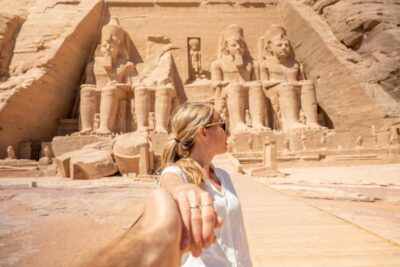
4-Day 3-Night Nile Cruise from Aswan to Luxor including Abu Simbel, Air Balloon
Read our review →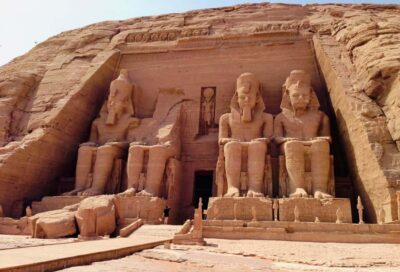
Abu Simbel Temple Private Guided Day Trip with Lunch
Read our review →4-Days Nile Cruise From Aswan To Luxor including Abu Simbel and Hot Air Balloon
Read our review →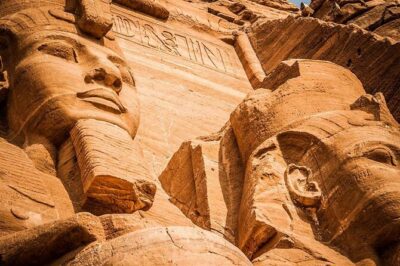
Private Day Tour to Abu Simbel Temples from Aswan
Read our review →4 Days Nile Cruise from Aswan to Luxor including Abu Simbel and Hot Air Balloon
Read our review →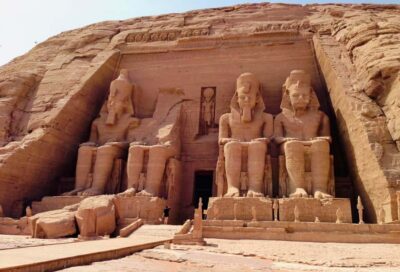
Browse the lists this tour appears in