
Reviewed · NILE CRUISES
Abusimbel Aswan to Luxor 4 days Nile cruise
The best part of this trip is the way it links Egypt’s greatest river temples into one moving journey. You unpack once, watch palms and desert slide past from the deck, then step ashore at places such as Abu Simbel, Edfu, and Karnak. The cruise turns a string of long sightseeing days into a fairly comfortable route from Aswan to Luxor.
I like the strong range of sights, especially the early Abu Simbel visit and the nighttime walk through Luxor Temple. I also like the guide-led format. Guides named in the feedback include Hani, Gamal, Magdy, Hossam, and Hassan, with repeated praise for clear explanations, practical help, and friendly care. The main caution is cost clarity: the $350 price does not include the 4,900 EGP entry-ticket charge, drinks, tips, or the $245 single-occupancy supplement.
Key points to know before booking
- Abu Simbel is the trip’s headline visit: You leave early with a breakfast box, then return to the ship for lunch.
- The cruise covers the classic river route: Philae, Kom Ombo, Edfu, Luxor Temple, Karnak, the Valley of the Kings, Hatshepsut, and the Colossi of Memnon are all included in the schedule.
- Your guide can shape the experience: Hani, Gamal, Hossam, Hassan, and Magdy are among the guides praised for history, organization, and personal attention.
- The advertised price is not the final total: Add 4,900 EGP for entry tickets, onboard drinks, crew and guide tips, and possibly $245 if you are traveling alone.
- The group can reach 30 people: That is manageable for logistics, but the quality of your day-to-day experience will depend partly on the assigned guide and group size.
- Meals and water are covered: You receive three breakfasts, three lunches, three dinners, and bottled water during tours.
Why a Nile cruise works so well here
Egypt’s major ancient sites are spread along the Nile. From Aswan, you could arrange each visit by road, but that means repeated packing, hotel changes, and long transfers. This cruise gives you a floating base while the river does much of the moving.
The scenery is part of the reward. From the ship, you see cultivated riverbanks close to the water and bare desert beyond them. The contrast is stark and very Egyptian: a narrow strip of farmland beside an immense dry horizon.
The ship also gives you breathing room between temples. Meals are served onboard, there is a top deck for views and relaxation, and the schedule includes evening entertainment. Past visitors describe boats such as Kleos and MS Royal Viking as clean and comfortable, with friendly staff and good cabin views. The exact ship should be confirmed before you pay, since the vessel is not fixed in the information provided.
This is not a slow, empty-waterway holiday. You will have early starts, guided walks, temple visits in heat, and several hours of sightseeing on the final day. Think of it as a history-focused trip with a comfortable river hotel, not a pure rest cruise.
More Boat Tours in Aswan
- 4-Days Nile Cruise From Aswan To Luxor including Abu Simbel and Hot Air Balloon
★ 5.0 · 3,142 reviews - 4-Day 3-Night Nile Cruise from Aswan to Luxor&Abu Simbel+Balloon
★ 5.0 · 2,023 reviews - 4-Day 3-Night Nile Cruise from Aswan to Luxor including Abu Simbel, Air Balloon
★ 4.5 · 612 reviews
Day 1: Aswan High Dam and Philae Temple
Your representative meets you in Aswan and takes you to the ship for check-in and lunch. The first sightseeing outing is a light four-hour tour to the Aswan High Dam and Philae Temple.
The High Dam is more than a quick photo stop. It changed Egypt’s control of the Nile, reduced seasonal flooding, and helped provide power. It also altered the old river environment, which makes this a useful place to begin thinking about how modern Egypt and ancient Egypt are tied to the same river.
Philae is the more memorable stop. Dedicated mainly to the goddess Isis, the temple complex was moved to higher ground when the original island was threatened by rising water after dam construction. That story adds weight to the carved gateways and columns. You are not simply looking at old stones. You are seeing a monument that was saved, dismantled, and rebuilt.
Admission is not included, so keep the separate 4,900 EGP entry-ticket cost in mind. The first day is relatively light compared with the final day, giving you time to settle into the cabin before dinner and the Nubian show party onboard.
Day 2: Abu Simbel, Kom Ombo, and the river after sunset
The Abu Simbel visit begins early. You receive a breakfast box before pickup, then travel by road for a guided look at the two famous rock-cut temples.
Abu Simbel is worth the early start. The scale of the seated royal figures and the temple facades is hard to grasp in photographs. The site also gives you one of the most striking encounters with the power of Ramesses II. Plan on a busy morning, but the early timing helps you see the temples before the day becomes more tiring.
You return to the cruise for lunch, then sail toward Kom Ombo. This rhythm is one of the trip’s strengths: a major outing in the morning, food and rest on the ship, then another temple later in the day.
Kom Ombo is unusual because it was dedicated to two gods, Horus and Sobek. The shared design makes the complex especially interesting, and your guide can explain how the two cults fit into the same temple setting. The visit comes as the cruise continues toward Edfu, so you get both an ancient monument and changing Nile views in one afternoon.
The schedule describes this as the longest day, listed at about three days and eight hours, which is clearly a formatting error in the supplied timing. In practical terms, expect an early Abu Simbel departure followed by a full cruise day, temple visit, dinner, and overnight sailing or docking near Edfu.
Day 3: Edfu and Luxor Temple after dark
After breakfast, you visit the Temple of Horus at Edfu. This is one of Egypt’s best-preserved temples, and that condition makes it easier to read the basic shape of an ancient religious complex. Large pylons, courtyards, columns, and carved walls still give you a strong sense of how the site was planned.
Edfu is also a good test of your guide’s teaching. A well-organized explanation helps you understand the difference between a pylon, sanctuary, relief, and processional route. The names Hani, Gamal, and other guides appear in the supplied material as guides who explain the temples carefully and answer questions. Guide assignments are not guaranteed, so treat those names as examples rather than promises.
After Edfu, you return to the boat for lunch as the ship continues toward Luxor. Dinner is also included. The river portion matters here because it breaks up the monument-heavy schedule and lets you see how villages, fields, and desert sit together along the Nile.
The evening visit to Luxor Temple is a fine choice. Floodlights bring out the columns and statues in a different way from the daytime sites. You return to the ship for dinner and night entertainment. The listed four-hour tour does not mean four hours inside the temple, so expect transport, guided time, and the evening return to be part of that block.
More Nile cruises around Aswan:
- From Aswan: 4-Day Nile Cruise from Aswan to Luxor with Guide
★ 4.1 · 593 reviews - 4-Days Nile Cruise From Aswan To Luxor including Abu Simbel and Hot Air Balloon
★ 4.5 · 509 reviews - 4-Day 3-Night Nile Cruise from Aswan to Luxor – Private Tour
★ 5.0 · 369 reviews - 4 Days Nile Cruise from Aswan to Luxor including Abu Simbel and Hot Air Balloon
★ 4.5 · 356 reviews
Day 4: The Valley of the Kings and Luxor’s grand finale
Day four is the busiest sightseeing day. After breakfast, you check out of the cabin and visit the Valley of the Kings, the Temple of Queen Hatshepsut, and the Colossi of Memnon before continuing to Luxor Temple and Karnak.
The Valley of the Kings is the emotional center of the morning. Instead of a single monumental facade, you enter tomb passages cut into the desert hills. The painted walls and burial plans show a different side of ancient Egypt, focused on the afterlife rather than public temple ceremony. Entry to the general valley area is included in the visit plan, but the overall 4,900 EGP ticket charge is separate, and individual tomb access can be subject to local ticket rules.
Hatshepsut’s temple has a different feel. Its terraces and broad lines sit against the cliffs, creating a powerful setting. The story of Hatshepsut, one of Egypt’s most important female rulers, gives your guide plenty to explain about royal images, succession, and political presentation.
The Colossi of Memnon is a short stop with a big visual payoff. Two huge seated statues once guarded a temple entrance. Even when your schedule is tight, this is a useful pause between the west-bank sites and the city’s major temples.
You then visit Luxor Temple and Karnak. Luxor Temple is especially atmospheric after dark, but seeing it again in the broader context of the final day helps connect it to the larger religious center at Karnak. Karnak is vast, and you should expect plenty of walking. Its Hypostyle Hall, with its dense forest of columns, is one of the most impressive spaces on the route.
The day lasts about eight hours. At the end, the operator transfers you to your hotel or the airport. Be careful with flight timing. The schedule gives an approximate duration, and Egypt’s sightseeing days can run long when traffic, temple access, or group movement slows things down.
Guides are the key variable
The strongest praise is directed at the guides. Hani is described as friendly, relaxed, funny, and well informed about both ancient history and practical matters. Gamal is described as caring, helpful, and willing to answer questions. Hossam, including a guide called Sam in one account, receives praise for teaching rather than simply reciting facts.
Hassan is noted for Spanish-language guiding, attention to guests, and taking photographs. Magdy is praised for arranging pickups, drop-offs, and short-notice planning. These details matter because a Nile cruise can otherwise become a procession of names and dates.
Your guide also helps with the small stresses: finding the right vehicle, keeping the group together, explaining where to go, and helping you use limited time well. Still, guide names are not guaranteed in advance. Ask Egypt Knight who is assigned to your departure and what language the guide will speak.
The maximum group size is 30. Some accounts describe much smaller groups, including four people, but that is not a promise. A small group usually means easier questions and quicker movement. A group of 30 can still work, though you may need to stay close to the guide and be patient at entrances.
What the $350 price really covers
At $350 per person, this is a strong-value package for the route it covers, provided you budget for the extras. Three nights of cruising, meals, guided sightseeing, transfers, and a long list of major monuments are bundled together.
Included items are:
- Three breakfasts
- Three lunches
- Three dinners
- Bottled water during tours
- Pickup and transfer support
- The cruise accommodation and scheduled visits
Not included are onboard drinks except breakfast beverages, tips for the cruise crew, guides, and drivers, and entry tickets costing 4,900 EGP per person. A solo traveler must also pay a $245 single-occupancy supplement onboard.
That means a couple sharing a cabin will usually find the advertised rate more attractive than a solo traveler. I would calculate the full cost before booking, including the ticket charge and a realistic tip budget. The food is described as plentiful, with some especially positive comments about quality. Drinks are extra, so watch those purchases onboard.
Food, cabins, and the pace onboard
The ship is described as clean, comfortable, and friendly, with good cabin views and a pleasant top deck. Those are important features because you spend much of the trip moving between visits. A cabin with a river view gives you a front-row seat to the daily change from city edge to farmland to desert.
Food sounds practical rather than luxurious. You receive full breakfast, lunch, and dinner service, and the strongest descriptions call it plentiful, with some praise for excellent meals. No detailed menu or dietary policy is provided, so contact the operator if you have food restrictions.
The schedule includes a Nubian show party and another evening entertainment program. These offer a change from temple visits, though entertainment quality can vary. I would treat them as pleasant extras, not the reason to choose this cruise.
The main challenge is pace. Abu Simbel starts early, Edfu and Kom Ombo share a busy day, and the last day combines five major sights. Comfortable shoes, water, and a willingness to walk will make a real difference.
Who should book this cruise
I would choose this trip if you want the classic Aswan to Luxor route in a compact four-day format. It suits first-time visitors who want transport, meals, guides, and monument visits organized in one package.
Families can benefit from having one ship base instead of changing hotels. Couples will appreciate the river views and evening temple visits. Solo travelers should think carefully about the extra $245 charge, since the supplement changes the value calculation.
I would look elsewhere if you want long, unhurried visits at each monument, a guaranteed named guide, or a clearly specified luxury ship. The schedule is full, the ship may vary, and extra charges are significant enough to require advance planning.
Should you book it?
Book this cruise if your priority is seeing the essential Nile sights with solid organization and helpful guiding. Abu Simbel, Philae, Edfu, Kom Ombo, the Valley of the Kings, and Karnak make this a powerful route, while the ship gives you a comfortable break between ancient sites.
Before paying, confirm the ship name, guide language, pickup details, exact entry-ticket charge, and final transfer time. If those points are clear and you are comfortable with the added costs, the $350 base price offers a practical way to experience Egypt’s great river corridor in four busy, rewarding days.
Free cancellation is available up to 24 hours before the local start time for a full refund. Changes or cancellations inside that 24-hour window are not accepted for a refund.
FAQ
How long is the Nile cruise?
The experience lasts approximately four days and includes three nights onboard the cruise ship.
Where does the cruise start and finish?
The cruise starts in Aswan and ends in Luxor. The final transfer can take you to a hotel or the airport.
Is pickup included?
Yes. Pickup is offered, and the representative meets you in Aswan to escort you to the ship. Final pickup details should be confirmed at booking.
Is Abu Simbel included?
Yes. Day two includes an early guided visit to the Abu Simbel temples, a breakfast box, and return to the cruise for lunch.
Are meals included?
Yes. The package includes three breakfasts, three lunches, and three dinners. Drinks onboard are not included except with breakfast.
Are entrance tickets included?
No. Entry tickets are listed separately at 4,900 EGP per person.
Is there an extra charge for solo travelers?
Yes. Solo travelers must pay a $245 single-occupancy supplement onboard.
How large can the group be?
The maximum group size is 30 travelers. The actual group size can vary by departure.
What is the cancellation policy?
You can cancel at least 24 hours before the experience start time for a full refund. Cancellations or changes made less than 24 hours before the start time are not accepted for a refund.
More Boat Trips in Aswan
- From Aswan: 3-Day Cruise to Luxor with Hot Air Balloon
★ 4.3 · 598 reviews - 4-Days Nile Cruise Aswan&Luxor,Hot Air Balloon&Abu Simbel.Hot deal
★ 5.0 · 322 reviews - 2 Night Nile Cruise from Aswan to Luxor
★ 5.0 · 311 reviews - Private 04 Days Days Nile Cruise from Aswan to Luxor
★ 5.0 · 278 reviews
More 4-Day Experiences in Aswan
- 4-Day 3-Night Nile Cruise from Aswan to Luxor With Balloon and Abu Simbel
★ 5.0 · 327 reviews - From Aswan:4 Days Nile Cruise Luxor Abu Simbel & Air Balloon
★ 4.4 · 310 reviews - 4-Day Nile Cruise sails Aswan to Luxor&Abu Simbel.Hot air Balloon
★ 4.5 · 247 reviews - 4-Day Nile Cruise Aswan and Luxor Hot Air Balloon with Abu Simbel
★ 5.0 · 234 reviews
New on the Aswan list
- 4-Day-3 Night Nile Cruise Aswan & Luxor + Abu Simbel, Air Balloon★ 5.0 · 26 reviews
- 4-Days Nile Cruise sails Aswan to Luxor &Abu Simbel. Air Balloon★ 5.0 · 26 reviews
- 4-Day 3-Night Nile Cruise from Aswan to Luxor – Luxury Tour★ 4.5 · 27 reviews
- Tour to Abu Simbel Temple with a small group and a Professional tour guide★ 4.5 · 27 reviews
- 4 Days 3 Nights from Aswan to Luxor Nile cruise+Abu simbel temple★ 5.0 · 27 reviews
- 4 Days Nile Cruise from Aswan to Luxor★ 5.0 · 28 reviews
- Nile Cruise 4 Days 3 Nights from Aswan to Luxor★ 4.5 · 29 reviews
- Private Tour in Aswan : Felucca and Nubian village★ 5.0 · 29 reviews
Nile Cruises, compared.
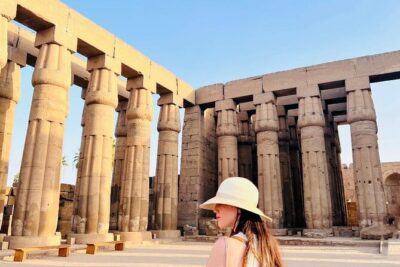
4-Days Nile Cruise From Aswan To Luxor including Abu Simbel and Hot Air Balloon
Read our review →
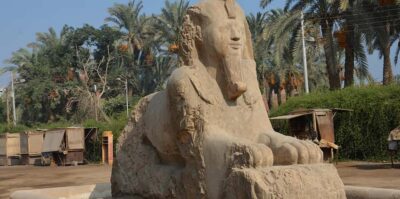
Sakkara, Memphis & Dahshur (Pyramid & Felucca Options)
Read our review →
4-Day 3-Night Nile Cruise from Aswan to Luxor including Abu Simbel, Air Balloon
Read our review →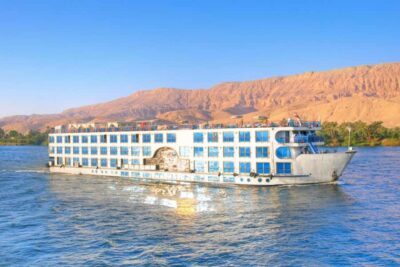
4-Day Nile Cruise from Aswan to Luxor with Guide
Read our review →
4-Days Nile Cruise From Aswan To Luxor including Abu Simbel and Hot Air Balloon
Read our review →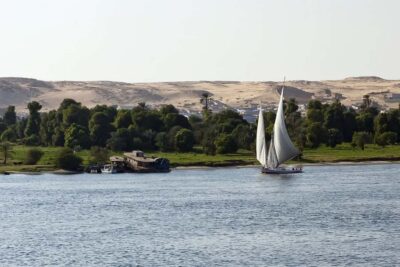
1 or 2-Hour Felucca Ride on the Nile with Transfers
Read our review →Browse the lists this tour appears in