
Reviewed · NILE CRUISES
Nile cruise between Aswan and Luxor: Sail the best temples in Egypt
A Nile cruise gives you Egypt in a neat, memorable sequence: ancient temples by day, quiet river views between stops. From Aswan, you sail north through Philae, Kom Ombo, Edfu, and Luxor, with the major sites arranged in a way that saves you from repeated long road transfers.
I like two things here. First, the price includes accommodation, site tickets, most meals, pickup in Aswan, and drop-off in Luxor. Second, Mohamed Gaber, known as Moha, is repeatedly praised for his Spanish, detailed explanations, and funny little role-playing scenes that make the complicated Egyptian pantheon easier to follow.
The main thing to check before paying is the schedule. The experience is advertised as four days, while the inclusions say four nights aboard the boat. Abu Simbel is optional and its admission is not included, and drinks and tips are extra.
Key points to know before booking
- Abu Simbel adds the biggest optional sight: Ramses II’s rock-cut temples are not included in the ticket price, but they are widely considered the trip’s most important add-on.
- Philae requires a boat ride: The Temple of Isis sits on an island, making the visit feel different from the roadside temple stops.
- You get three tombs in the Valley of the Kings: Choose three entrances, then visit Hatshepsut’s temple and the Colossi of Memnon.
- Moha is a major part of the experience: Mohamed Gaber is praised for his Spanish, careful organization, humor, and lively explanations.
- The cruise mixes sightseeing with downtime: Day 1 is free for the pool, rest, or independent time in Aswan.
- The $500 price covers the essentials: Rooms, listed entrance tickets, lunch, dinner, and both city transfers are included, but drinks, tips, and Abu Simbel admission are not.
Why this Aswan to Luxor cruise works
This is a good format for seeing Upper Egypt because the Nile does some of the moving for you. Instead of checking out of one hotel, finding another car, and repeating the process every day, you settle into one room and let the boat carry you between major monuments.
The sailing itself is part of the appeal. The tour description promises quiet spaces for watching the river, while the days bring a full run of temples and tombs. You get both sides of Egypt: the grand stone remains of the pharaohs and the slower rhythm of villages, fields, and water viewed from the deck.
The group is capped at 30 people. That is not an intimate private tour, but it is also not an enormous bus group. The quality of the experience will depend partly on how the operator arranges guide talks and site visits, so I would ask about the boat name, cabin category, and daily timing before booking.
More Boat Tours in Aswan
- 4-Days Nile Cruise From Aswan To Luxor including Abu Simbel and Hot Air Balloon
★ 5.0 · 3,142 reviews - 4-Day 3-Night Nile Cruise from Aswan to Luxor&Abu Simbel+Balloon
★ 5.0 · 2,023 reviews - 4-Day 3-Night Nile Cruise from Aswan to Luxor including Abu Simbel, Air Balloon
★ 4.5 · 612 reviews
Day 1: Settle in around Aswan
Pickup is offered from an Aswan airport, train station, or hotel, at the time and place you provide. That is useful if your arrival is by train or if you are already staying in town. You are taken to the boat, shown to your room, and served meals according to the vessel’s schedule.
The first day is deliberately light. You can rest by the pool, enjoy the river, or explore Aswan on your own. I like this breathing room because the following visits begin early and involve a lot of standing in the sun.
Aswan is also a fitting starting point. It feels less frantic than Egypt’s largest cities, and the river is central to the town’s character. Since no guided Aswan sightseeing is listed for this first day, you should not expect a structured city tour. If you want to see more of Aswan independently, use this free time rather than assuming it will be added later.
One practical point matters here: the stated start time is 6:00 a.m., but the first day is described as free after pickup. Ask the operator exactly when your pickup occurs and when the boat departs. The written details also mention four nights of accommodation for a tour described as four days, so confirm the number of nights and checkout time.
Day 2: Abu Simbel, Philae, and Kom Ombo
Abu Simbel and the monuments of Ramses II
Abu Simbel is optional, with admission charged separately. Still, I would give it serious thought. Ramses II ordered these temples cut into the rock as a monument to himself and his wife, Nefertari. The scale and setting make this more than another temple stop.
The visit lasts about two hours. Since the excursion is optional and the admission ticket is not included, ask whether transport is also covered and what time you would leave. The supplied details do not state the additional cost, so get the full amount before deciding.
Skipping Abu Simbel gives you more rest, but it also means missing one of the most distinctive monuments connected with this cruise. If you have come to Egypt mainly for the pharaonic sites, this is the add-on I would consider first.
More Nile cruises around Aswan:
- From Aswan: 4-Day Nile Cruise from Aswan to Luxor with Guide
★ 4.1 · 593 reviews - 4-Days Nile Cruise From Aswan To Luxor including Abu Simbel and Hot Air Balloon
★ 4.5 · 509 reviews - 4-Day 3-Night Nile Cruise from Aswan to Luxor – Private Tour
★ 5.0 · 369 reviews - 4 Days Nile Cruise from Aswan to Luxor including Abu Simbel and Hot Air Balloon
★ 4.5 · 356 reviews
Philae, reached by boat
The Temple of Philae is dedicated to Isis and sits on an island. You reach it by boat, which gives the visit a clear sense of arrival. It is not just a temple beside a parking area. The short ride helps you understand why the setting matters.
The scheduled visit lasts about one hour, and admission is included. Expect reliefs, columns, and the familiar Egyptian mix of gods, royal power, and ritual. Moha’s role is especially useful here because Egyptian temples can look like a wall of names and symbols without a guide who explains who is who.
Kom Ombo and its two gods
Kom Ombo is unusual because it was built for two gods, Sobek and Haroeris. That shared design gives the site a different logic from Philae and Edfu. A one-hour visit is enough for a focused explanation and photographs, though anyone who wants to study every carving may find the stop brisk.
This is where a clear guide can make a real difference. Mohamed Gaber is praised for explaining Egyptian culture and the complicated relationships among the gods in an entertaining way. His use of small theatrical scenes and audience participation may appeal to you if you prefer stories and memorable comparisons to a long formal lecture.
Day 3: Edfu and Luxor’s two great temples
Edfu, the best-preserved temple stop
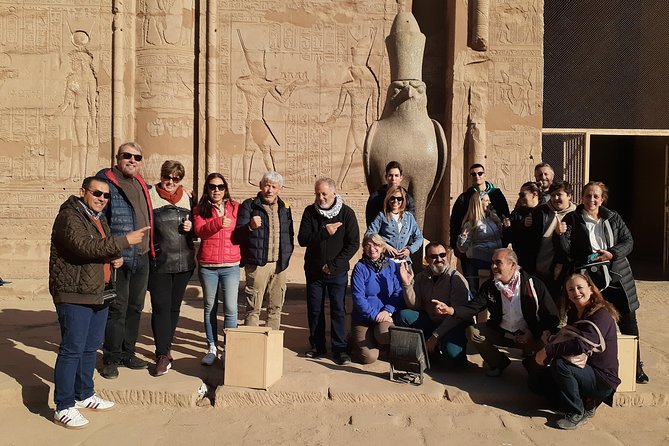
Edfu Temple is dedicated to Horus and is described as one of the best-preserved temples in Egypt. The visit is scheduled for two hours, with admission included. Compared with the more fragmentary remains at some sites, Edfu lets you read the shape of an Egyptian temple with unusual clarity.
Horus, shown as a falcon-headed god, is central to the temple’s meaning. With a guide, you can connect the reliefs to kingship, divine protection, and the larger family of Egyptian gods. Without that context, the columns and carvings are impressive but harder to interpret.
Two hours is a useful amount of time here. You are not rushed through in a quick photo stop, though you should still wear comfortable shoes and bring sun protection. The supplied information does not specify how much walking occurs between the boat and entrance, so ask if mobility is a concern.
Karnak and its huge columned hall
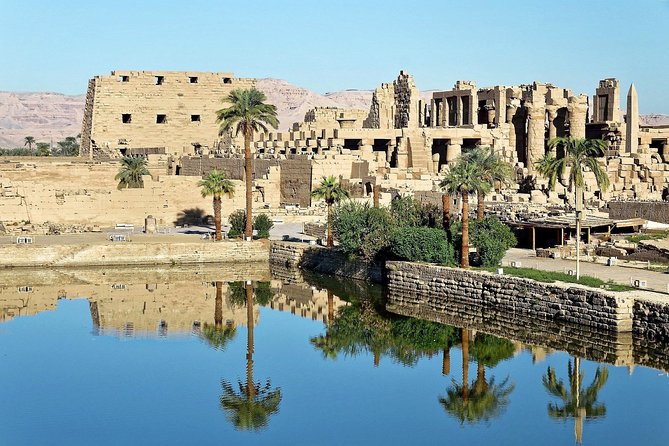
Karnak receives about two hours, with admission included. This is one of the tour’s heavyweight visits. The complex grew over more than 2,000 years under different pharaohs, so it is best understood as a long-running sacred center rather than a single building.
The famous features include the avenue of sphinxes, the columned hall, and the avenue of rams. The scale can be hard to grasp from photographs. Stand among the columns and you begin to see how architecture was used to express royal power and the presence of the gods.
Karnak can also be tiring. The site is broad, and the heat can make two hours feel longer than it sounds. Stay close enough to hear the guide, then leave time for your own photographs. Moha’s clear, lively style should help you keep the details in order, especially after several temple visits in two days.
Luxor Temple after dark or in the late day
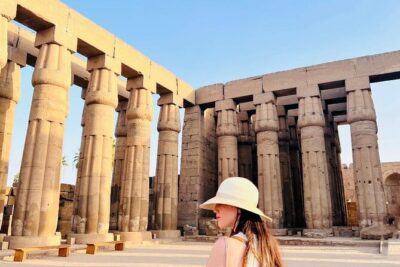
Luxor Temple was built in honor of Amun-Ra, regarded as the king of the gods and the god of kings. The visit lasts two hours and includes admission. Its location in Luxor gives the day a strong finish after the boat has carried you north.
This temple is not simply a smaller repeat of Karnak. The focus and setting are different, and the connection between the two sites is reflected in the avenue of sphinxes. Your guide can help place Luxor Temple in the religious story rather than treating it as another pile of columns.
The schedule is full. Edfu, Karnak, and Luxor Temple in one day means you will be looking at major monuments from morning into the evening. That is excellent for a first visit when your priority is coverage, but it is not the right pace if you want long, unhurried time at each site.
Day 4: Tombs, Hatshepsut, and the final transfer
Three tombs in the Valley of the Kings
The Valley of the Kings is a royal cemetery containing tombs of many New Kingdom pharaohs, along with the tomb of Queen Hatshepsut. Admission to the visit is included, and you can enter three tombs of your choice.
That choice is important. Tomb access can vary, and the experience is personal: one person may prefer painted chambers, while another may care more about a famous ruler. Ask your guide which three are open and which best fit your interests before making the final selection.
The valley is a powerful counterpoint to the temples. Temples were public monuments built for worship and royal display. Tombs are smaller, enclosed spaces designed for the afterlife, with painted scenes and texts meant to guide the dead. Three tombs give you a useful sample without turning the morning into an endless succession of similar chambers.
Hatshepsut’s mortuary temple
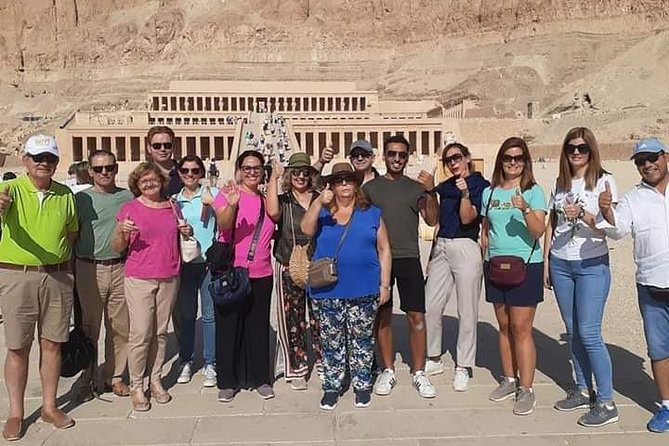
Hatshepsut’s mortuary temple receives about one hour, with admission included. Hatshepsut was one of Egypt’s most important queens, and her monument is often described as one of the great works of ancient Egypt.
The temple’s setting against the cliffs gives it a strong visual identity. Its terraces and long lines feel different from Karnak’s dense columns or the underground tombs. One hour should let you understand the layout and hear the main story, although you may want more time for photography.
The Colossi of Memnon
The two Colossi of Memnon are gigantic stone statues of Pharaoh Amenhotep III. The stop lasts only 15 minutes and admission is free. Treat it as a quick photo and orientation stop, not a full site visit.
That short pause is reasonable because the statues are viewed from outside. They provide a final reminder of the scale favored by Egypt’s rulers before you continue into Luxor.
Checkout and free time in Luxor
After the visits, you check out and have free time in Luxor. The operator will take you to the hotel, airport, or train station at the time and place you specify. This transfer is included, which makes the end of the trip easier to plan.
The free period is valuable if your transport leaves later. The details do not list a guided Luxor activity during those five hours, so plan to explore independently or arrange your next hotel. Keep your departure time clear, especially if you are catching a flight or train.
What the $500 price really covers
At $500 per person, the value depends on the boat and cabin, neither of which is specified in the supplied information. Still, the package includes a substantial amount: four nights aboard the cruise, pickup in Aswan, transfer in Luxor, all listed admission tickets, four lunches, and four dinners.
That saves money and planning time. The major stops are not paid add-ons, apart from Abu Simbel, and you do not need to arrange separate transport between Aswan and Luxor. For a first visit, that convenience can be worth as much as the sightseeing itself.
There are clear extras. Drinks are not included, and tips are not included. Breakfast is not listed among the inclusions, so ask about it rather than assuming it comes with the room. Also confirm whether the price covers only the standard cabin and whether a better room costs more.
The guide can shape the whole trip
Mohamed Gaber, often called Moha, is the name most closely associated with the guiding on this experience. His Spanish is repeatedly praised, along with his ability to explain Egyptian culture in precise but entertaining terms.
I would value that here. The temples are not difficult to admire, but they can be difficult to understand. Amun-Ra, Isis, Horus, Sobek, Haroeris, Ramses II, Hatshepsut, and Amenhotep III appear across several days, and the stories overlap. Moha’s reported use of humorous mini-scenes and group participation can help the information stick.
His practical care is also highlighted. That includes handling small problems quickly and paying attention to the comfort of the group. You should still confirm the guide’s language and assignment when booking, particularly if Spanish is important to you.
Who should book this cruise
I would recommend it most strongly if you want the main Upper Egypt sights arranged for you, prefer a single moving base, and enjoy guided explanations. Families may appreciate the mix of pool time, boat travel, stories, and short site visits. First-time visitors to Egypt will benefit from having transfers and tickets handled together.
It is less suited to you if you want a luxury cruise with clearly published ship details, a private guide, or long periods alone at each monument. The group may reach 30 people, and the schedule is active. You should also be comfortable with the fact that some details, including the vessel, cabin standard, breakfast, Abu Simbel cost, and precise departure times, need confirmation.
The cancellation rule is simple: you can receive a full refund if you cancel at least three full days before the local start time. Cancellations or changes made inside that period are not accepted for a refund.
Should you book the Aswan to Luxor sailing?
Book it if your priority is seeing the major temples with a guide and minimal transport hassle. The route covers Philae, Kom Ombo, Edfu, Karnak, Luxor Temple, the Valley of the Kings, Hatshepsut’s temple, and the Colossi of Memnon, while leaving the first day open for rest.
I would also price Abu Simbel before committing, since it is the one major optional piece. Then ask for the exact boat, room details, number of nights, breakfast arrangements, drink prices, and pickup schedule. If those answers are satisfactory, $500 is a practical package for a concentrated introduction to the Nile corridor, especially with Mohamed Gaber’s Spanish guiding and story-based approach.
FAQ
Where does the Nile cruise begin and end?
The cruise begins in Aswan, in Egypt’s Aswan Governorate, and ends in Luxor Governorate. Pickup is offered in Aswan, and transfer to a hotel, airport, or train station is provided in Luxor.
What time does the experience start?
The listed start time is 6:00 a.m. Confirm your exact pickup time with the operator because pickup can be arranged from an Aswan airport, train station, or hotel.
Is Abu Simbel included?
No. The Abu Simbel excursion is optional, and its admission ticket is not included. The visit lasts about two hours.
How many tombs can I enter in the Valley of the Kings?
You can enter three tombs of your choice. Admission to the Valley of the Kings visit is included.
What meals are included?
Four lunches and four dinners are included. Drinks are not included. Breakfast is not listed, so confirm the breakfast arrangement before booking.
What is the cancellation policy?
You can cancel for a full refund up to three full days before the experience start time. Cancellations or changes made less than three full days before the local start time are not accepted for a refund.
More Boat Trips in Aswan
- From Aswan: 3-Day Cruise to Luxor with Hot Air Balloon
★ 4.3 · 598 reviews - 4-Day 3-Night Nile Cruise from Aswan to Luxor With Balloon and Abu Simbel
★ 5.0 · 327 reviews - 4-Days Nile Cruise Aswan&Luxor,Hot Air Balloon&Abu Simbel.Hot deal
★ 5.0 · 322 reviews - 2 Night Nile Cruise from Aswan to Luxor
★ 5.0 · 311 reviews
New on the Aswan list
- 4-Day-3 Night Nile Cruise Aswan & Luxor + Abu Simbel, Air Balloon★ 5.0 · 26 reviews
- 4-Days Nile Cruise sails Aswan to Luxor &Abu Simbel. Air Balloon★ 5.0 · 26 reviews
- Abusimbel Aswan to Luxor 4 days Nile cruise★ 5.0 · 27 reviews
- 4-Day 3-Night Nile Cruise from Aswan to Luxor – Luxury Tour★ 4.5 · 27 reviews
- Tour to Abu Simbel Temple with a small group and a Professional tour guide★ 4.5 · 27 reviews
- 4 Days 3 Nights from Aswan to Luxor Nile cruise+Abu simbel temple★ 5.0 · 27 reviews
- 4 Days Nile Cruise from Aswan to Luxor★ 5.0 · 28 reviews
- Nile Cruise 4 Days 3 Nights from Aswan to Luxor★ 4.5 · 29 reviews
Nile Cruises, compared.
4-Days Nile Cruise From Aswan To Luxor including Abu Simbel and Hot Air Balloon
Read our review →
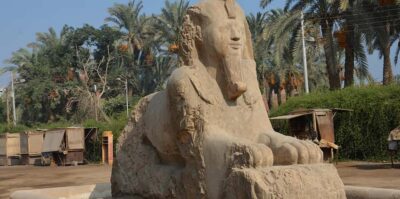
Sakkara, Memphis & Dahshur (Pyramid & Felucca Options)
Read our review →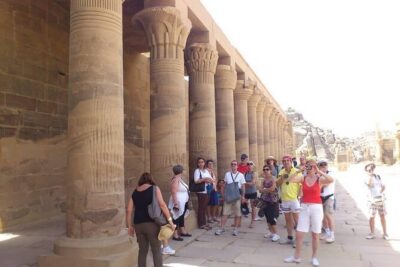
4-Day 3-Night Nile Cruise from Aswan to Luxor including Abu Simbel, Air Balloon
Read our review →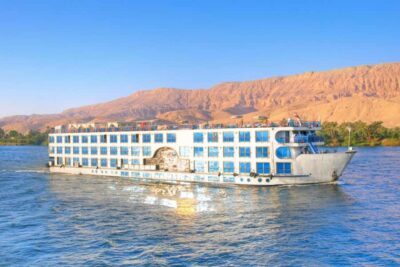
4-Day Nile Cruise from Aswan to Luxor with Guide
Read our review →
4-Days Nile Cruise From Aswan To Luxor including Abu Simbel and Hot Air Balloon
Read our review →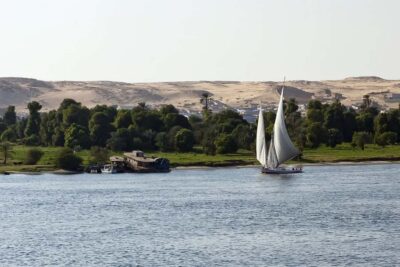
1 or 2-Hour Felucca Ride on the Nile with Transfers
Read our review →Browse the lists this tour appears in