
Reviewed · LUXOR TOURS
Luxor: Private Full-Day Customized Tour With Carriage Ride
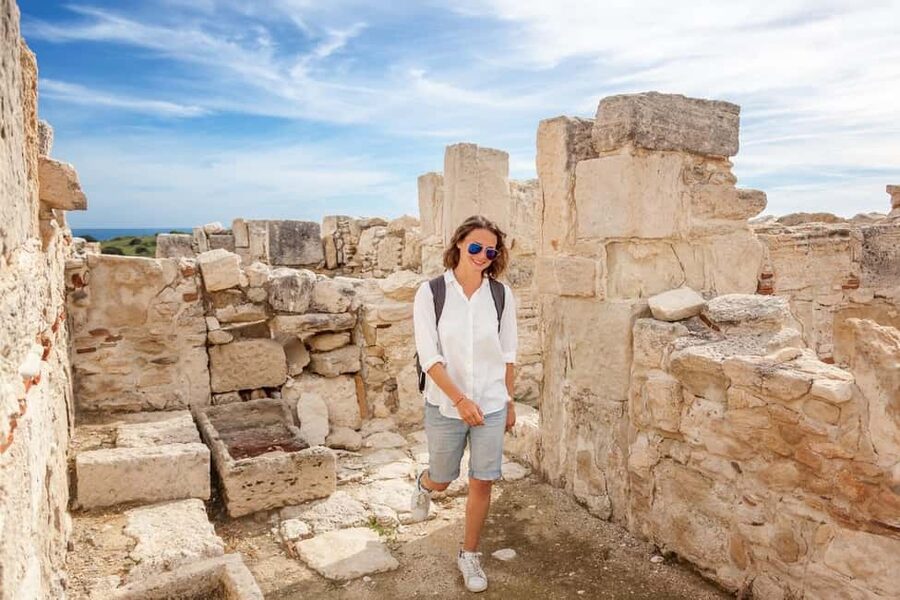
Luxor is best seen as two very different places: a grand ancient capital spread along the Nile, and a lively modern city where horse carriages rattle past shops and cafés. This private tour lets you link both sides in one day, choosing the monuments that fit your interests instead of following a fixed route.
I like the private air-conditioned car and the freedom to shape the day with your guide. I also like the free carriage ride, a simple local touch that breaks up the temple visits. The main catch is that entrance tickets are not included in the base price, so your final cost can rise if you add several tombs and monuments.
Key points to know before booking
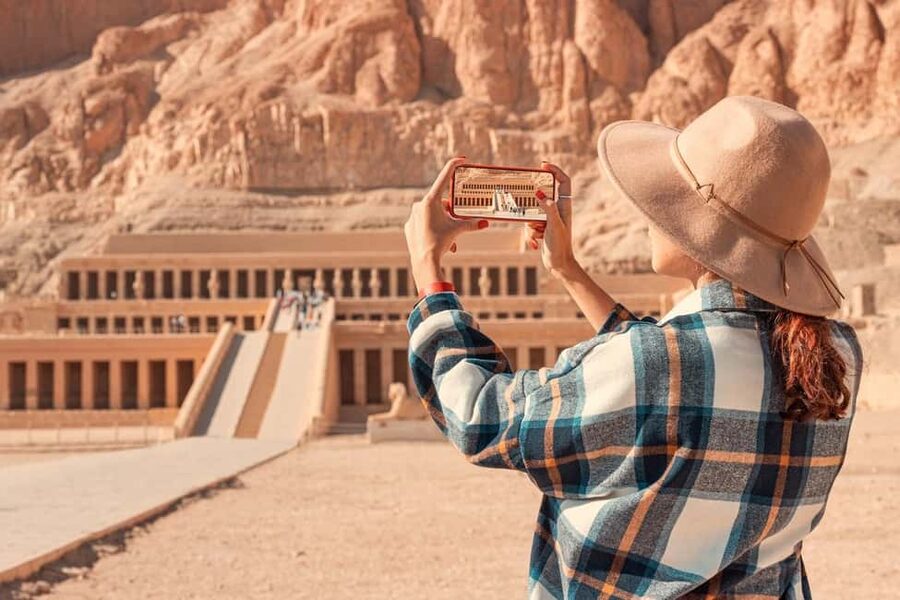
- You choose the sights: Build a day around Karnak, Luxor Temple, the Valley of the Kings, Hatshepsut Temple, or other preferred stops.
- A carriage ride adds local flavor: Ride through Luxor city by traditional horse carriage at no extra charge.
- The guide makes the difference: Omran, Aziz, Dua, and Laila are among the named guides praised for clear explanations and helpful advice.
- Expect seven to eight hours: The tour begins at your hotel, accommodation, or Luxor Airport and ends back at the meeting point.
- Tickets cost extra: Monument entry fees and special tomb access are optional add-ons, not part of the starting price.
- Early starts are smart: Luxor can be fiercely hot, especially in summer, so morning pickup is the better choice.
Why a private Luxor day works so well
At $58 per person, this is a strong starting price for a private full-day outing with a driver, Egyptologist guide, lunch, bottled water, and hotel or airport transfers. The value depends on how many people are in your party and how many paid sites you select, but the private format gives you something large group tours often cannot: control.
You can spend longer at a place that grabs you, move on when your attention fades, or swap one monument for another. That matters in Luxor, where a list of famous sites can easily exceed what you can sensibly see in seven or eight hours.
The guide is also more than a person who points out dates and names. A good Egyptologist helps you decide what deserves your limited time. Laila, for example, has advised visitors against buying the Luxor Pass when their chosen sites did not justify it. That kind of practical guidance can save money.
The experience is listed at $58 per person, but treat that as the framework rather than the full sightseeing budget. Entrance fees are separate, and extra tombs or special exhibits may cost more. One person reported spending another 4,000 Egyptian pounds on add-ons, so ask about current prices and choose your paid sites before the day gets underway.
A few other Luxor days to weigh up
- Luxor: Shared Full-Day Tour to Luxor West and East Banks
★ 4.5 · 1,812 reviews - Full Day Tour to East and West Banks of Luxor
★ 5.0 · 1,449 reviews - Luxor : Full Day Tour to Luxor West and East Banks & Lunch
★ 5.0 · 870 reviews
Starting at your hotel or Luxor Airport
Pickup is available from a Luxor hotel, other accommodation, or Luxor Airport. At the airport, clear customs and walk outside the arrivals hall near the main exit doors. Your guide should meet you there in professional clothing and take you to the private vehicle.
Send exact pickup details when you book. That small step matters, especially if you are arriving by air and have luggage or a tight schedule. The tour ends back at the meeting point, so airport pickup can be useful for an arrival day, though you should make sure your flight timing leaves enough room for a seven to eight-hour activity.
The car is air-conditioned, and the driver handles the movement between sites while the guide focuses on the history and your plans. Several named guides, including Omran, Aziz, Dua, and Laila, have been singled out for clear English, warm manners, and strong explanations. Languages offered include English, German, Italian, Spanish, French, and Arabic.
One practical note: communication before pickup has not always been perfect. Once the meeting took place, the day itself went smoothly, but you should keep your phone available and confirm the pickup point in advance.
Karnak Temple, Luxor’s giant first chapter
Karnak is often the best place to begin because it gives you the scale of ancient Thebes. This is not one compact building. It is a huge religious complex with gateways, courts, columns, and sacred spaces built and altered by generations of rulers.
Your guide can help turn the site from a maze of stone into a readable story. Without context, the sheer size can blur together. With explanations, you begin to see how pharaohs added their own marks, how power and religion were linked, and why this was one of Egypt’s most important temple centers.
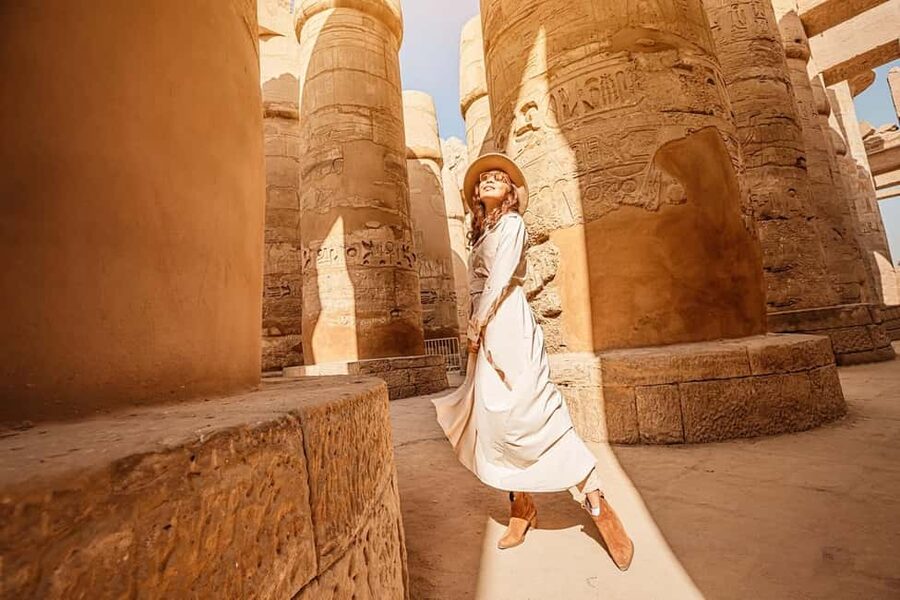
The Great Hypostyle Hall is the visual knockout. Its forest of massive columns makes you feel very small, which is exactly the point. Give yourself time to look upward at the carved surfaces and notice how the light changes across the stone.
Karnak can be tiring in full sun. Comfortable shoes, a hat, sunglasses, and sunscreen are not optional extras here. If you want detailed explanations and photographs without rushing, tell the guide early. The private setup makes that request realistic.
Luxor Temple after the crowds thin
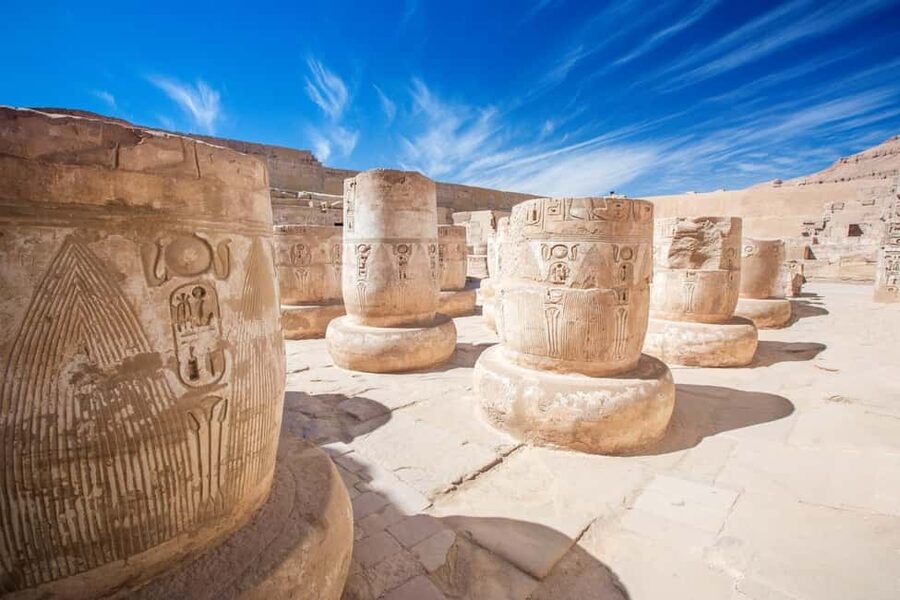
Luxor Temple sits closer to the modern city and feels different from Karnak. It is more compact and easier to grasp in one visit, with a grand processional entrance, tall columns, statues, and open courts.
Its location makes it a natural contrast to Karnak. Your guide can explain how the two temples were connected in ancient times and why Luxor Temple had an important role in royal ceremonies. The setting also lets you see ancient stone beside present-day Luxor, which is one of the city’s most appealing juxtapositions.
If you have limited time, Luxor Temple is a sensible choice because you can see a great deal without walking the distances required at Karnak or on the West Bank. It can also work well later in the day, when you want a major monument that does not demand another long stretch of walking.
Same base, a completely different day out:
- Hurghada: Luxor Valley of the Kings & Tutankhamun Tomb Trip
★ 4.7 · 13,208 reviews - Luxor Day Trip from Hurghada Small Group & Tutankhamun Tomb
★ 4.8 · 5,366 reviews - Hot Air Balloon Ride in Luxor Egypt with Transfers Included
★ 5.0 · 4,319 reviews - Luxor: Hot Air Balloon Ride over Luxor Relics
★ 4.8 · 1,681 reviews
The Valley of the Kings and the cost of extra tombs
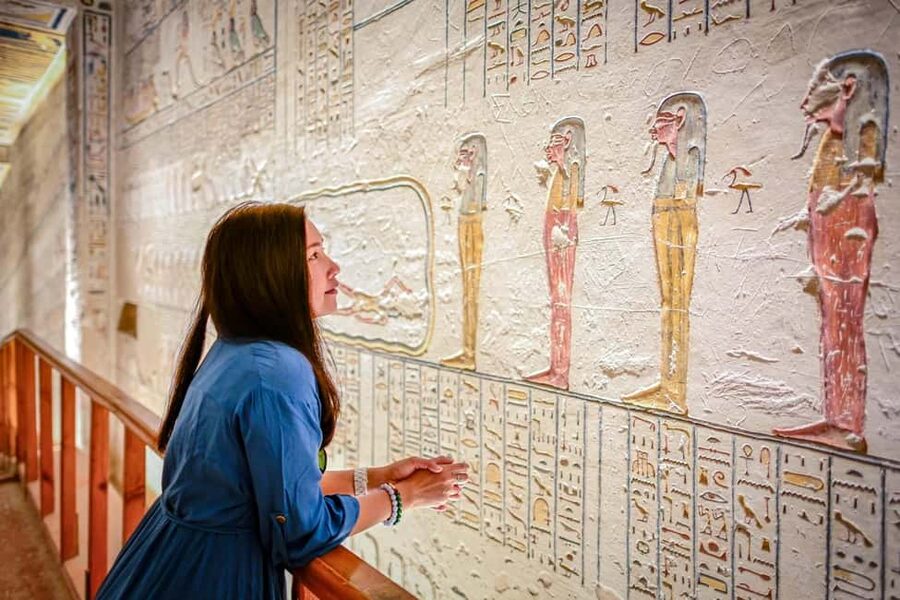
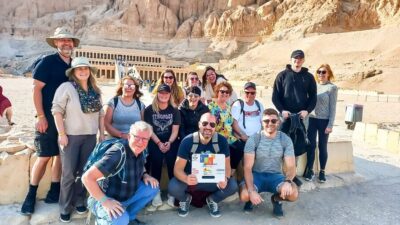
Crossing to the West Bank brings you to the Valley of the Kings, one of Luxor’s essential stops. Here, the royal tombs are cut into a dry valley rather than built as huge monuments above ground. The interiors are the reward, with painted corridors and chambers that preserve scenes and symbols from the ancient Egyptian view of the afterlife.
Your standard ticket may cover a set number of tombs, while certain famous tombs require additional payment. Access rules and prices can change, so discuss your choices with the guide before buying extras. If you are fascinated by wall paintings, paying for an additional tomb may be worthwhile. If you prefer a broad overview, the included selection may be enough.
This is one place where a guide’s judgment saves time. Laila has helped visitors choose the best sites from a longer wish list when the clock made everything impossible. That is exactly the kind of help you want here. It is better to see a few tombs properly than race through every possible entrance.
The valley is exposed and hot. Bring water, wear supportive shoes, and avoid treating the area as a quick photo stop. The decorated interiors are the reason to come, while the guide provides the key to understanding what you are seeing.
Hatshepsut Temple and the Theban cliffs
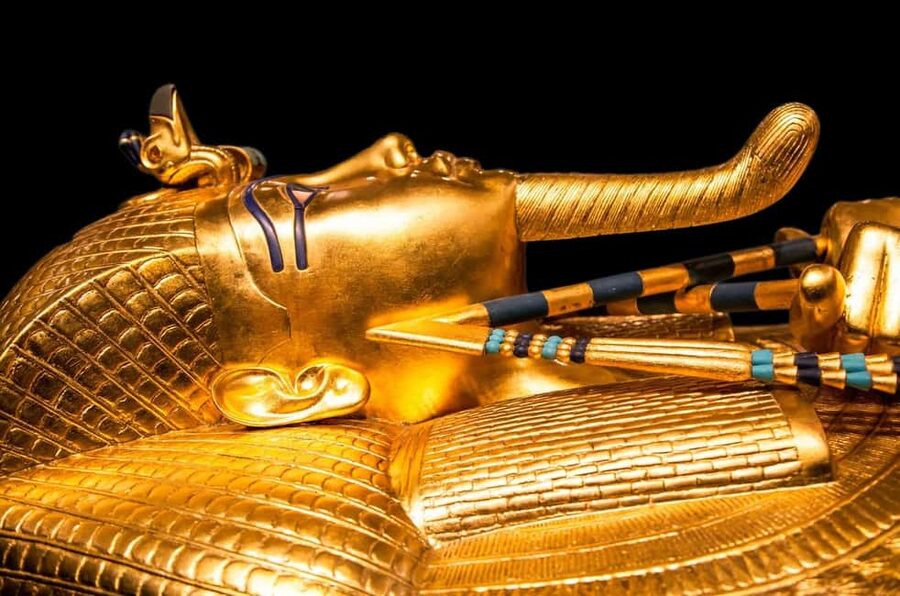
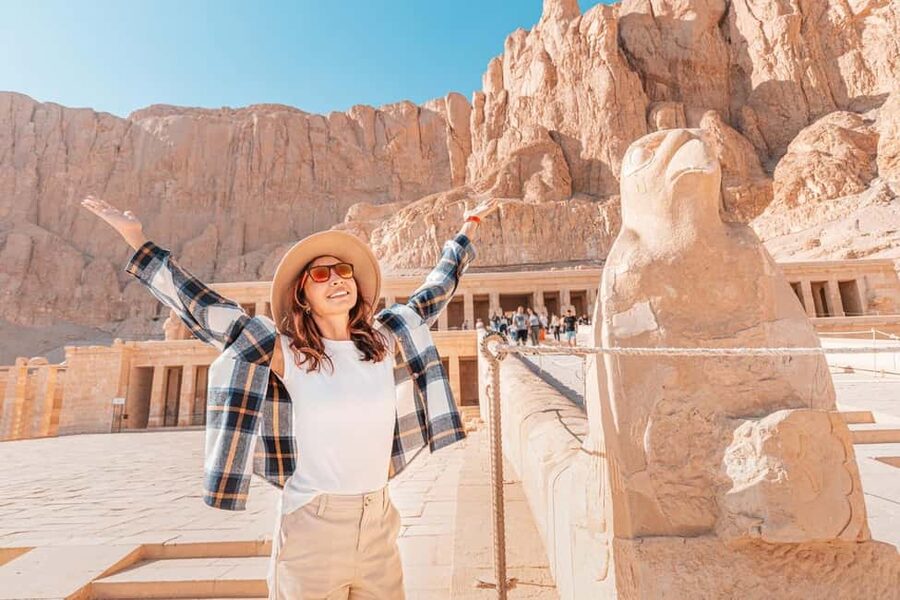
Hatshepsut Temple has a very different look from the tombs. Its broad terraces rise against the cliffs, creating a strong geometric setting. The monument tells the story of a powerful female ruler who presented herself in the traditional language of kingship.
The approach gives you a sense of the temple’s design before you even reach the upper levels. Once there, look for carved scenes, statues, and the way the terraces frame the rock behind them. Your guide can explain the political message behind the building rather than leaving you with only a list of dates.
Hatshepsut Temple is commonly paired with the Valley of the Kings and the Colossi of Memnon. That combination gives you royal burial, royal display, and monumental statues in one West Bank circuit. It is an efficient plan, but it also makes for a full morning or afternoon, so be realistic about adding too many other sites.
The Colossi of Memnon as a quick stop
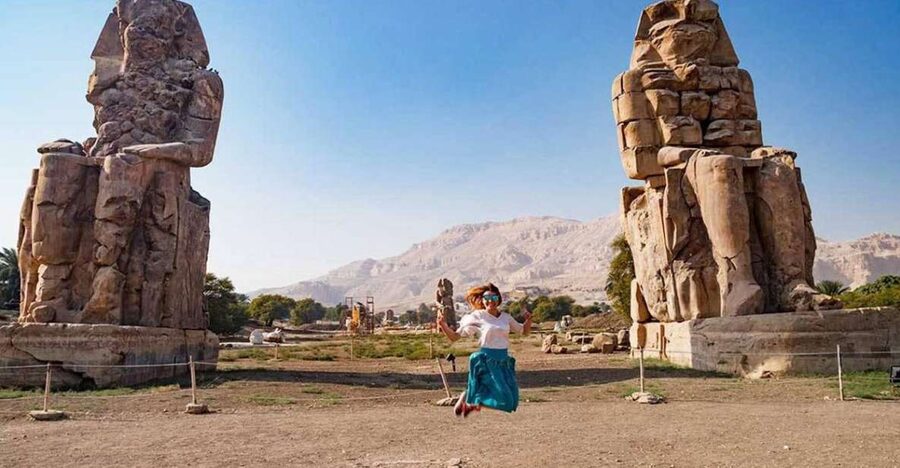
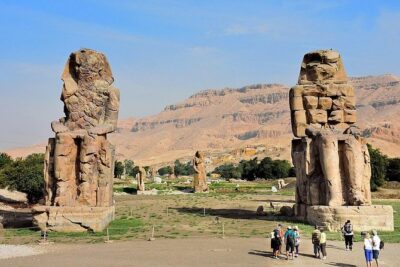
The Colossi of Memnon are usually a shorter visit, but they make a useful roadside pause. These huge seated figures once guarded the entrance to a temple complex that has largely disappeared.
The value is scale. You can stand close to the statues, take in their size, and hear how the site fit into the wider royal setting. This is not a place where you need an hour, which makes it easy to add when your main interests are the Valley of the Kings and Hatshepsut Temple.
A flexible private itinerary lets you decide if this brief stop is worth your time. If you are eager to see another tomb or temple, your guide can help weigh the options.
A horse carriage ride through modern Luxor
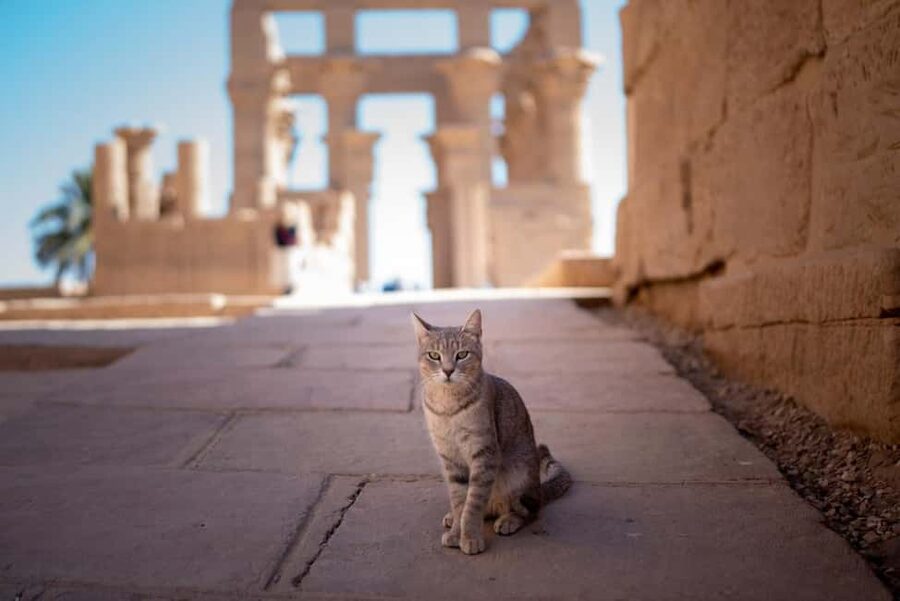
The traditional carriage ride is a welcome change from ancient stones. You ride through the streets of Luxor as locals have long done, seeing the city from a slower, lower vantage point.
It is not a major archaeological attraction, and that is precisely why it works. After hours of temples and tombs, you get a small slice of daily life. Shopfronts, traffic, river-city streets, and ordinary movement become part of the experience.
The ride is included, but you should still listen carefully to your guide and driver about where and how it operates. Horse carriage experiences can vary, and you may prefer to keep it brief if the animal appears tired or the street conditions feel uncomfortable. The tour description does not give a fixed ride length, so think of it as a cultural extra rather than a central event.
Lunch and the pace of the day
A traditional lunch at a local restaurant is included. This is useful for more than hunger. A proper pause gives you a chance to sit down, cool off, and reset before the next monument.
Tell the provider about dietary needs or food allergies in advance. The exact menu and restaurant are not specified, so do not book this expecting a particular dish or dining style.
One person chose to skip lunch and instead stopped for fresh orange juice in the Valley of the Kings. That shows the practical benefit of a custom tour, though lunch is part of the stated package. If you want to change the meal plan, discuss it with your guide rather than assuming the schedule will adjust automatically.
Bottled water is provided, but bring your own extra supply if you know you drink a lot in hot weather. Summer heat can make even a comfortable car and a good lunch stop feel less helpful than an early start.
What your guide adds to the monuments
The strongest part of this tour is the chance to work with one guide for the day. The guide can connect Karnak to Luxor Temple, explain the difference between a royal tomb and a temple, and help you make choices when time or ticket costs become an issue.
Omran has been praised for giving clear explanations while allowing enough time at each temple. Aziz has been valued for bringing the ancient world to life and for working with a clean, newer car. Dua has handled busy West Bank days covering the Valley of the Kings, Hatshepsut Temple, Colossi of Memnon, Karnak, and Luxor Temple.
Laila has been noted for easy-to-understand English, local insight, and useful recommendations beyond the scheduled sightseeing. Guides may vary by date, so you cannot assume you will receive a specific person. You can, however, select your preferred language and share your interests in advance.
Ask for the guide’s advice, but do not be shy about setting limits. Tell them if you care most about tomb paintings, architecture, royal stories, photography, or a relaxed pace. The more specific you are, the more useful the customization becomes.
How to plan your ideal seven-hour route
A first-time visitor who wants the classic highlights might choose the Valley of the Kings, Hatshepsut Temple, Colossi of Memnon, Karnak, and Luxor Temple. That is a full day, but it covers the major sights on both sides of the Nile.
A history-focused visitor may prefer fewer stops and longer explanations, perhaps Karnak, the Valley of the Kings, and Luxor Temple. Someone returning to Luxor might skip the headline sites and ask for smaller or less familiar monuments, depending on what is available and the time allowed.
The itinerary is not infinitely flexible. Seven to eight hours is still a fixed day, and driving between areas takes time. Every added monument means less time elsewhere. I would make a short priority list before pickup:
- One or two must-see sites
- Two secondary choices
- The tombs or exhibits worth paying extra for
- Your preferred lunch timing
- Your tolerance for walking and heat
Start early whenever possible. You will have more energy for Karnak and the West Bank, and your guide can build the day around the heat rather than fighting it.
Who should book this tour
This suits first-time visitors who want the major Luxor sites without arranging separate drivers, guides, and restaurant stops. It is also a good fit for couples, families, and small private parties with different interests.
You should book it if you value flexibility, want explanations in your language, or are arriving at Luxor Airport and need transport built into the day. It is especially useful if you are unsure which tombs and temples deserve your time.
You may prefer a fixed group excursion if you want every ticket bundled into one simple price or if you do not want to make decisions during the day. The base rate is appealing, but the separate entrance fees require planning. Personal expenses are not included either, so carry money for add-ons and purchases.
Pets are not allowed. Bring comfortable shoes, sunglasses, a sun hat, sunscreen, and warm clothing for cooler conditions. The cancellation policy allows a full refund when you cancel at least 24 hours ahead, and you can reserve now and pay later, which helps if your Egypt plans are still shifting.
Should you book the Luxor private tour?
Book it if you want a personal day with expert guidance, private transport, and the power to choose your monuments. The horse carriage ride and local lunch add variety, while the airport pickup makes the tour practical for short stays.
Before paying, write down your must-see sites and ask for an estimate of entry fees and optional tombs. If you start early and keep the list sensible, $58 per person can be very good value. If you want every famous site plus several paid extras, budget well above the advertised price.
This is not the simplest all-inclusive ticketed tour. It is better for someone who wants advice, choice, and a guide who can adjust the day. For most first visits to Luxor, that trade is worth making.
FAQ
Where does the tour begin?
Pickup is available from your hotel, accommodation, or Luxor Airport in Luxor.
Where do I meet the guide at Luxor Airport?
After clearing customs, go outside the arrivals hall near the main exit doors. Your guide should meet you there and escort you to the private vehicle.
How long does the tour last?
The private tour lasts approximately seven to eight hours, depending on how long you spend at each site.
Are entrance fees included?
No. Entrance fees are not included by default, but selected monuments and some additional activities can be added when booking.
Which Luxor sites can I choose?
You can request sites such as Karnak Temple, Luxor Temple, the Valley of the Kings, Hatshepsut Temple, and the Colossi of Memnon. The itinerary is customized around your interests.
Is lunch included?
Yes. A traditional lunch at a local restaurant is included. Tell the provider about dietary needs or food allergies in advance.
Is the horse carriage ride included?
Yes. A traditional horse carriage ride through Luxor city is included in the tour.
Which languages are available?
Guides are available in English, German, Italian, Spanish, French, and Arabic.
What should I bring?
Bring comfortable shoes, sunglasses, a sun hat, sunscreen, and warm clothing. Bottled water is provided during the tour.
New on the Luxor list
- Full-Day East and West Luxor Private Tour★ 4.5 · 26 reviews
- Marsa Alam: Snorkeling with Sea Turtles Marsa Mubarak★ 4.9 · 26 reviews
- Private Full day East and West Bank, Luxor★ 5.0 · 26 reviews
- Day Trip to Edfu & Kom Ombo temples from Luxor and drop off in Aswan or Luxor★ 5.0 · 26 reviews
- Luxor Day Tour: Kings Valley & Karnak & Luxor & Hatshepsut Temple★ 5.0 · 26 reviews
- Luxury Hot Air Balloon Experience in Luxor with Pick-up★ 5.0 · 27 reviews
- Full-Day Luxor Tour – Discover the East and West Banks of the Nile★ 5.0 · 27 reviews
- 5 Days 4 Nights Nile Cruise Tour★ 5.0 · 27 reviews
Luxor Tours, compared.
Luxor Valley of the Kings & Tutankhamun Tomb Trip
Read our review →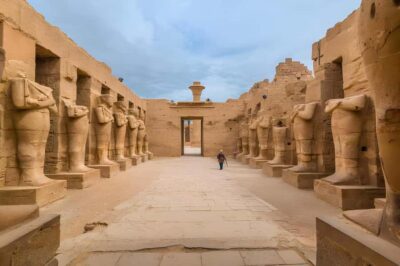
Luxor Day Trip from Hurghada Small Group & Tutankhamun Tomb
Read our review →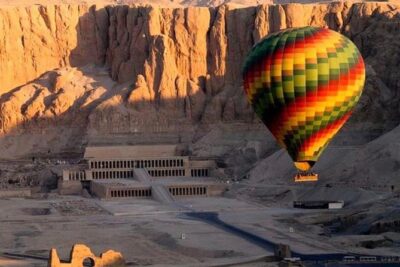
Hot Air Balloon Ride in Luxor Egypt with Transfers Included
Read our review →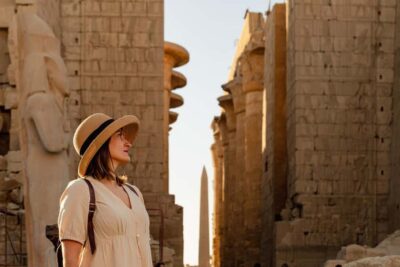
Shared Full-Day Tour to Luxor West and East Banks
Read our review →
Luxor Day Tour: Valley of Kings & Queens & Hatchepsut Temples
Read our review →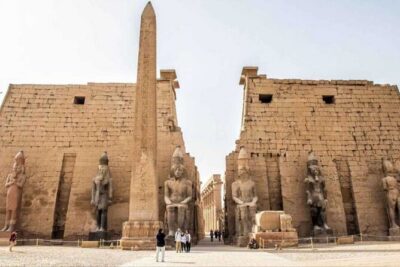
Full Day Tour to East and West Banks of Luxor
Read our review →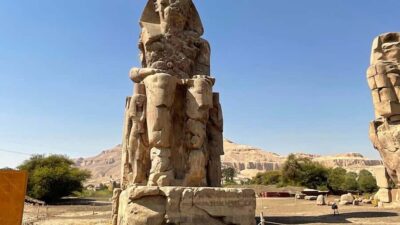
Valley of the Kings and Hatshepsut Temple Day Tour
Read our review →Browse the lists this tour appears in