
Reviewed · LUXOR TOURS
Luxor Day Tour visit East and West Nile Banks
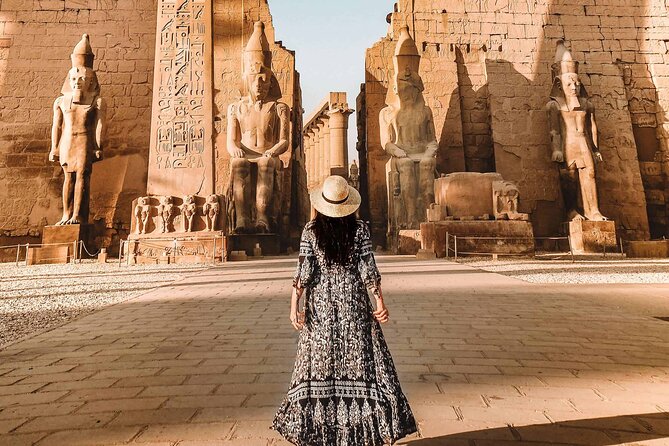
Luxor’s great advantage is that its best sights sit on both sides of the Nile, and this private full-day tour links them in one practical sweep. You’ll begin early, cross from the royal tombs on the West Bank to Karnak and Luxor Temple on the East Bank, and return to your pickup point after about eight hours.
I like the door-to-door transport, especially in Luxor’s heat, and I like having one vehicle for a solo visitor or small private group. Guides such as Ahmed, Shereen, Nourhan, Mustafa Awad, and Hameess have helped make the sites easier to understand. The main catch is the vague pricing: lunch, entry fees, and guide service appear to depend on the option you choose, so check the final booking details carefully.
Key points to know before booking
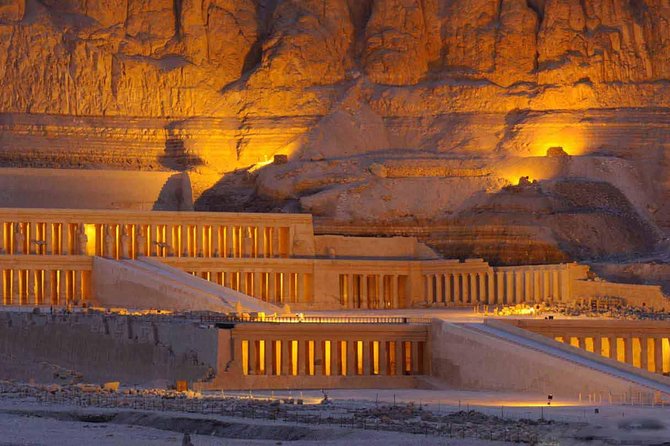
- Seven major sights in one day: The route covers the Valley of the Kings, Hatshepsut’s temple, the Colossi of Memnon, Karnak Temple, and Luxor Temple, with time built in for lunch.
- Early 7:00 am pickup: Your guide is due to meet you with a sign bearing your name, which removes much of the morning guesswork.
- Private vehicle and flexible pacing: The tour is for your group only, and several guides have adjusted the day around requests, including skipping shops.
- Guide quality can shape the day: Some guides are trained in Egyptology and give detailed explanations, while one low-rated experience felt more like a private van service.
- Clarify the price: The advertised $15 rate is attractive, but entry fees, lunch, and possibly the guide are listed as optional or dependent on the selected package.
- Heat is a real factor: The West Bank sites have little shade, so an early start, water, a hat, and light clothing matter.
Why this route works for a first day in Luxor
Luxor is not a single compact archaeological site. The Nile divides the modern city from the ancient burial grounds, and the main sights are spread across both banks. Trying to arrange taxis, ferries, tickets, and explanations on your own can eat into a short stay.
This tour gives you a single private car with air-conditioning, hotel pickup, transfers, and a driver who takes responsibility for the route. The guide is expected to meet you at 7:00 am, holding a sign with your name. That small detail matters when you are standing outside a hotel before breakfast, wondering which vehicle is yours.
The private format is especially useful if you are traveling alone, as a couple, or with family. You do not have to match the pace of a large coach group. Several visitors have been able to slow down, focus on particular tombs, skip shopping stops, or finish earlier. One person reported completing the main sightseeing in about six hours after asking to skip shops, though the advertised duration is about eight hours.
The low price needs a closer look. At $15 per person, this can be excellent value if your selected option includes the guide, admissions, lunch, and private vehicle. But the supplied details also say that lunch, guide service, and entry fees may be optional, and that admission depends on the tour option. Treat the headline price as a starting point, not a guaranteed final cost.
A few other Luxor days to weigh up
- Hurghada: Luxor Valley of the Kings & Tutankhamun Tomb Trip
★ 4.7 · 13,208 reviews - Luxor Day Trip from Hurghada Small Group & Tutankhamun Tomb
★ 4.8 · 5,366 reviews - Hot Air Balloon Ride in Luxor Egypt with Transfers Included
★ 5.0 · 4,319 reviews
Valley of the Kings: tombs beneath the West Bank hills
The Valley of the Kings is the first major stop, with about two hours planned. This is the emotional center of the West Bank visit: instead of grand temples built for public worship, you enter tombs cut into the desert hills for New Kingdom rulers.
The names connected with the valley include Thutmose I, Thutmose III, Tutankhamun, Ramses VI, Merenptah, and Amenhotep II. Which tombs you enter depends on availability and the ticket option. Tutankhamun’s tomb, in particular, may require a separate fee, so confirm what your admission covers before you arrive.
Inside, the appeal is not the size of the rooms but the decorated walls and the way the tombs lead you below ground. You may find narrow passages, uneven surfaces, and intense heat. The valley has little shade, and the walk from the visitor area to some tombs can be tiring.
Two hours gives you enough time for a useful visit, but not an unlimited one. Your guide can explain the burial customs and point out the differences between the tombs. At least one account notes that tombs have a no-guide policy inside, so expect the main explanation to happen before or after you enter rather than during your walk through the chambers.
Bring the supplied bottle of water, and carry small Egyptian notes for toilets or minor expenses. One guide even covered a toilet charge when a visitor did not have small change. That is a kind gesture, but you should not rely on it. Keep your own change handy.
Hatshepsut’s temple and the story of a female pharaoh
The Temple of Queen Hatshepsut receives about two hours, which is generous enough to appreciate its terraces and setting without racing through. Hatshepsut ruled Egypt during the 18th Dynasty and is described here as the only female pharaoh to reign in ancient Egypt.
The temple rises in broad levels against the cliffs. Its design feels different from the tombs and temples elsewhere in the day, with long terraces, ramps, and a strong sense of order. The site also gives your guide a chance to explain how Hatshepsut presented her right to rule and how later rulers treated her memory.
This is where a good guide can make a clear difference. Guides such as Shereen, Nourhan, Ahmed, and Hameess have been praised for explaining details, answering questions, and allowing a relaxed pace. Hameess was also described as giving fluent English explanations and letting the group take its time.
Do not assume every guide will offer the same depth. One low-rated account described a driver who provided limited explanation. If you care about archaeology rather than simple transport, select an option that clearly includes a licensed guide, and ask for an Egyptology guide if that choice is available.
The two-hour allocation may be shortened if you are sensitive to heat or have mobility concerns. Most people can take part, but the open courtyards, steps, and exposed paths can be demanding in strong sun.
Colossi of Memnon: a short stop with a useful view
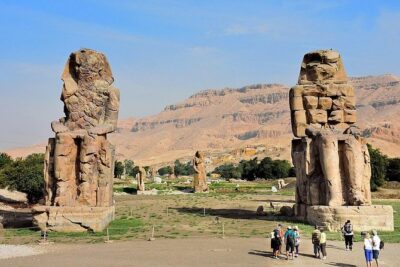
The Colossi of Memnon are treated as a pass-by or brief stop, with about an hour grouped around this part of the route. These huge seated figures are remains of the mortuary temple of Amenhotep III.
You will not spend the same amount of time here as at Karnak or the Valley of the Kings. Still, the statues give you a quick look at the scale of royal building projects on the West Bank. They are an easy place for photographs and a natural pause before driving toward the East Bank.
This stop also helps the geography of the day make sense. After seeing tombs and temples among the West Bank hills, you are moving back toward the river and the city. Your guide can talk about the temple complex that once stood behind the statues, though the amount of explanation depends on the guide selected.
Same base, a completely different day out:
- Luxor: Shared Full-Day Tour to Luxor West and East Banks
★ 4.5 · 1,812 reviews - Luxor: Hot Air Balloon Ride over Luxor Relics
★ 4.8 · 1,681 reviews - Luxor Day Tour: Valley of Kings & Queens & Hatchepsut Temples
★ 5.0 · 1,496 reviews - Full Day Tour to East and West Banks of Luxor
★ 5.0 · 1,449 reviews
Lunch, with an important pricing question
Lunch is scheduled after the West Bank stops and before Karnak. The plan is to eat at a local restaurant, and some accounts describe enjoyable traditional food, including a meal near the Nile. Drinks are not included, and another part of the booking information lists lunch as optional or not included.
That contradiction is the most important practical point in the whole booking. Check whether your exact package includes lunch, and ask where the meal will be held. If lunch is not included, budget separately and confirm whether you can choose the restaurant.
The meal break is valuable because this is a full day in the sun. You will have spent the morning walking through tombs and temple courtyards, so a proper pause is better than trying to push straight through. If you miss breakfast, tell your guide early. Nourhan, for example, was able to take a group to a local place for traditional food when they had not eaten before pickup.
Do not expect drinks to be covered. Carry water and have Egyptian currency for extra beverages, tips, toilets, and small purchases.
Karnak Temple: the day’s largest scale
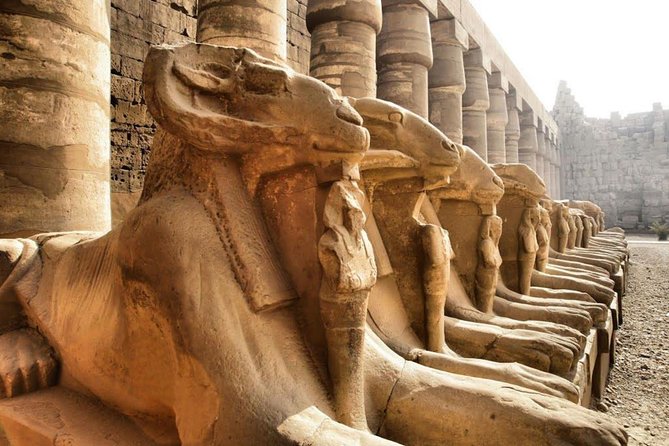
Karnak is planned for about two hours and is the biggest East Bank stop. The complex was dedicated mainly to Amun, his wife Mut, and their son Khonsu. It developed over many centuries, so the site feels less like one finished building and more like a vast collection of sacred spaces, columns, courts, and monuments.
The scale can be hard to grasp from a quick walk. Give yourself time to look up at the columns, study the carved surfaces, and notice how different rulers added to the complex. A guide can help you understand the basic layout instead of leaving you to wander among names and dates.
This is one of the places where the tour’s private format helps. If you want more time in the great hall, or you need to move at a slower pace, you can tell the guide. Ahmed was praised for keeping waits short and choosing what to focus on without making the visit feel hurried.
The admission wording still needs care. The details say entry is included in some circumstances, but also say entry fees depend on the option and may cover only the basic area. Confirm the exact ticket before paying. Special areas or additional tombs may cost more.
Luxor Temple: an atmospheric final stop
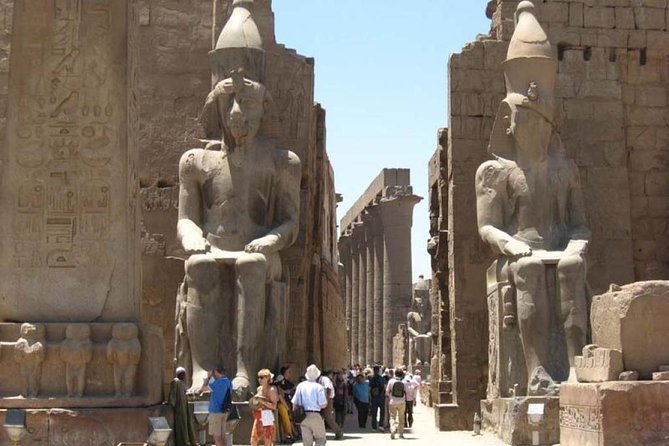
Luxor Temple is the final listed sight, with about one hour. Built under Amenhotep III in the 18th Dynasty and completed by Ramses II during the 19th Dynasty, it offers a compact finish after the much larger Karnak complex.
The temple’s location in the modern city gives it a different feel from the West Bank sites. You are no longer among desert hills and isolated ruins. The contrast helps you see how ancient ceremonial spaces relate to present-day Luxor.
One hour is enough for an overview, especially if your guide points out the main features and explains the connection between Luxor and Karnak. It is not enough for a slow, detailed study of every carved surface. If Luxor Temple is your priority, mention that when the day begins.
The order may be adjusted by the operator. The written schedule places Karnak before Luxor Temple, but the broader description simply says the East Bank and West Bank sights are covered in one day. Your guide may alter the sequence to suit conditions, opening times, or your pace.
The people who can make or break the experience
The strongest pattern in the feedback is the importance of the individual guide and driver. Ali, Ismail, Ahmed, Amir, Hamada, Abd El Rabo, Abd Rabboh, Shereen, Nourhan, Hameess, Merriam, and Mustafa Awad are among the names associated with positive experiences.
The praise is specific. Drivers have been flexible, reliable, friendly, and willing to explain sights passed on the road. Guides have handled translation pauses, answered questions, shared Egyptology details, and helped groups avoid long waits. One group especially appreciated a guide who paused between explanations so members could translate into another language.
You should still separate driving from guiding when you book. A clean, comfortable, air-conditioned van can make the day much easier, but it does not replace site interpretation. The one-star account was clear on this point: the driver was good, but the service felt like a private van with limited support for lunch.
The tour is described as private, meaning only your group participates. That does not guarantee a dedicated Egyptologist unless your selected option says so. If the history matters to you, ask exactly who will accompany you and what language they speak.
Tipping is not included. Set aside cash for the driver and guide if they provide good service. One person regretted not having enough money for a proper tip, so plan ahead.
Heat, timing, and what to bring
A 7:00 am start is sensible. It gives you a better chance of seeing the West Bank before the worst heat and leaves enough time for both sides of the river. The day is still long, and one person found the heat difficult even while enjoying the tour.
Wear light clothing, sturdy shoes, and a hat. Take water, sunscreen, and small cash. The vehicle has air-conditioning, but each archaeological site requires time outside and walking across exposed ground.
The tour says most people can participate and that it is near public transportation, but it does not provide detailed accessibility information. If you need step-free access, a particular vehicle type, or help with long walks, ask before booking.
The activity requires good weather. If poor weather causes cancellation, you can accept another date or receive a full refund. Otherwise, you can cancel for a full refund up to 24 hours before the start time. Changes or cancellations inside that window are not accepted.
Is $15 good value for Luxor?
It can be very good value, but only after you know what the $15 buys. If it covers a private air-conditioned vehicle, hotel pickup and drop-off, a guide, lunch, water, and admission to the listed sites, it is an unusually inexpensive way to organize a major Luxor day.
If the price covers only transport, you will need to add entry tickets, lunch, drinks, and perhaps guide service. The supplied terms say all of these may depend on the option chosen. That is not a minor detail because the add-ons can cost far more than the advertised base rate.
I would compare the final total, not the headline figure. Ask these four questions before payment:
- Are all site admission fees included?
- Does the ticket cover only the basic areas?
- Is lunch included, and are drinks extra?
- Is an Egyptology guide included, or is the guide optional?
A group discount may improve the value for several people, while a solo visitor benefits from the private arrangement but pays more per person if extras are added.
Who should book this private Luxor day?
I would choose this for a first visit when I wanted to see the main highlights without arranging several separate rides. It suits solo visitors, couples, families, and small groups who value a private vehicle and the ability to adjust the pace.
It is also a good fit if you are staying only briefly and want both banks in one day. The route is full, but it covers the sights most people place at the top of a Luxor list.
I would be more cautious if you prefer slow archaeology, long photography sessions, or a quiet visit to each monument. Five major stops plus lunch is a lot. I would also look elsewhere, or at least confirm the guide option, if you want detailed scholarly commentary at every site.
Should you book it?
Book this tour if you want an efficient private introduction to Luxor and can confirm the final inclusions. The transport, early pickup, flexible pacing, and range of sites offer real value, and the best guides appear to add warmth and useful context.
Do not book on the $15 price alone. Get clear answers about tickets, lunch, drinks, and the guide. If those costs are reasonable and the guide is properly included, this is a practical way to see the East and West Banks in one demanding but rewarding day.
FAQ
What time does the tour start?
Pickup is scheduled for 7:00 am. The guide should wait with a sign showing your name.
How long does the Luxor day tour last?
The stated duration is approximately eight hours. The actual sightseeing day may be shorter if you ask to skip shopping stops or adjust the schedule.
Which sights are included in the route?
The route covers the Valley of the Kings, Temple of Queen Hatshepsut, Colossi of Memnon, Karnak Temple, and Luxor Temple.
Is lunch included?
The information is inconsistent. Lunch is described as part of the planned experience, but the inclusions also list lunch as optional or not included. Confirm this for your selected tour option before booking.
Are entrance tickets included?
This depends on the tour option. The details say some admissions are included, while other wording says entry fees are optional and may cover only the basic area. Check the final ticket details.
Can I cancel for a refund?
You can cancel at least 24 hours before the start time for a full refund. Cancellations or changes made less than 24 hours before the start time are not accepted, and poor-weather cancellations offer a different date or full refund.
New on the Luxor list
- Private Tour Nile Felucca Ride at Sunset in Luxor★ 5.0 · 26 reviews
- Full-Day East and West Luxor Private Tour★ 4.5 · 26 reviews
- Marsa Alam: Snorkeling with Sea Turtles Marsa Mubarak★ 4.9 · 26 reviews
- Private Full day East and West Bank, Luxor★ 5.0 · 26 reviews
- Day Trip to Edfu & Kom Ombo temples from Luxor and drop off in Aswan or Luxor★ 5.0 · 26 reviews
- Luxor Day Tour: Kings Valley & Karnak & Luxor & Hatshepsut Temple★ 5.0 · 26 reviews
- Luxury Hot Air Balloon Experience in Luxor with Pick-up★ 5.0 · 27 reviews
- Full-Day Luxor Tour – Discover the East and West Banks of the Nile★ 5.0 · 27 reviews
Luxor Tours, compared.
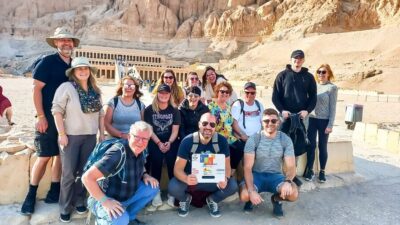
Luxor Valley of the Kings & Tutankhamun Tomb Trip
Read our review →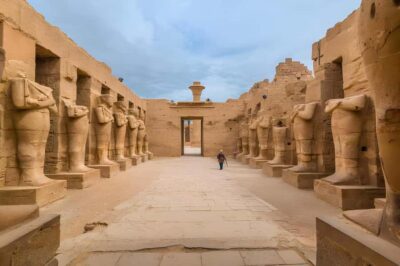
Luxor Day Trip from Hurghada Small Group & Tutankhamun Tomb
Read our review →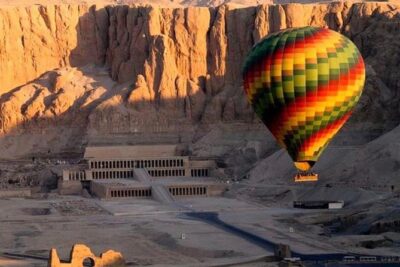
Hot Air Balloon Ride in Luxor Egypt with Transfers Included
Read our review →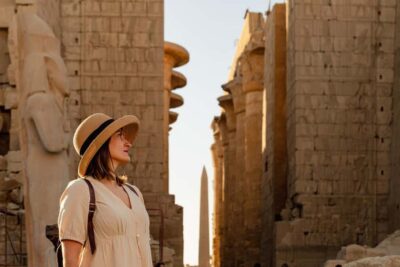
Shared Full-Day Tour to Luxor West and East Banks
Read our review →
Luxor Day Tour: Valley of Kings & Queens & Hatchepsut Temples
Read our review →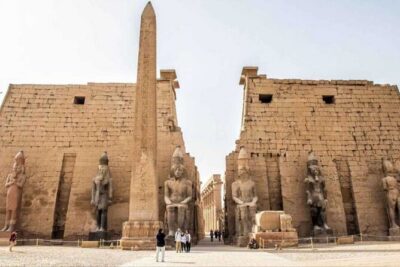
Full Day Tour to East and West Banks of Luxor
Read our review →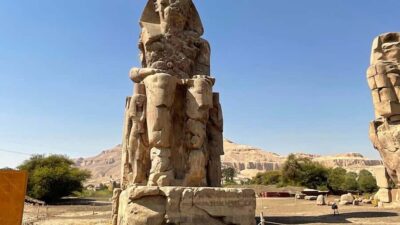
Valley of the Kings and Hatshepsut Temple Day Tour
Read our review →Browse the lists this tour appears in