
Reviewed · ABU SIMBEL TOURS
4-Days Nile Cruise sails Aswan to Luxor &Abu Simbel. Balloon tour
The best part of this Aswan to Luxor Nile cruise is its steady rhythm: ancient temples by day, a private cabin by night, and the river sliding past as you move north. In four days, you cover the main Upper Egypt sights without repacking at every hotel.
I like the well-organized guiding, especially the personal help offered by guides such as Khaled El Saadi, Khalid Saadi, and Talaat Abdo. I also like the value: three nights, all meals, transfers, guiding, a Philae motorboat, and the Edfu horse-drawn cart are included in a $257 price.
The main caution is the pace. Several mornings begin early, entrance fees are extra, the boat may be an older vessel rather than a polished floating hotel, and the balloon tour is not explained in the supplied schedule. Confirm exactly what is included before paying.
Key points at a glance
- Three nights on the Nile: You sleep aboard a private cabin with its own bathroom while the boat carries you between Aswan, Edfu, Kom Ombo, and Luxor.
- Abu Simbel option: A shared Abu Simbel outing is included in the package details, but Day 2 labels it optional, so confirm whether it is part of your booking and whether a separate payment applies.
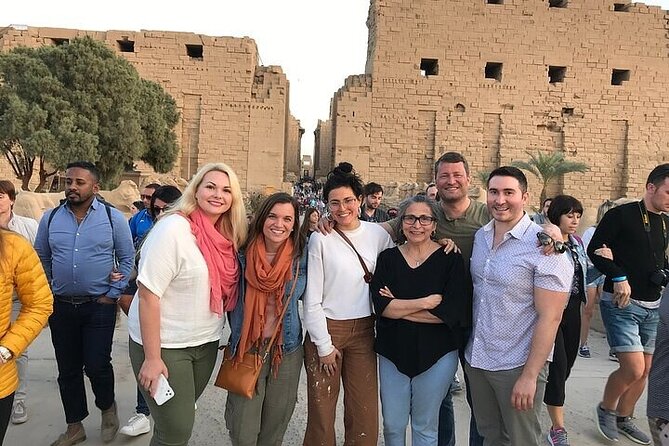
- Strong guide support: Guides including Khaled El Saadi, Khalid Saadi, and Talaat Abdo are praised for clear explanations, organization, and practical help.
- A full Luxor finale: The final day covers the Valley of the Kings, Hatshepsut Temple, Colossi of Memnon, Karnak Temple, and Luxor Temple.
- Good basic value: Breakfast, lunch, dinner, transfers, guide services, and several local transport details are covered. Sightseeing tickets, drinks, Wi-Fi, and boat staff tips are not.
- Large group potential: The maximum group size is 50 people, so ask about the expected group size if quiet touring matters to you.
What this Nile cruise really gives you
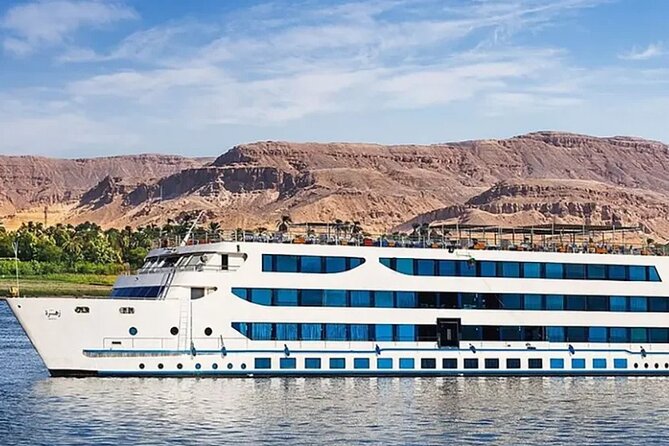
This is not simply a boat ride with a few stops attached. It is a compact introduction to Upper Egypt, linking Aswan and Luxor in the order that makes practical sense for many visitors. You see monumental temples, sail through the Nile Valley, and finish with Luxor’s greatest ancient sites.
The $257 price is attractive for what is covered. You receive three nights aboard a 5-star Nile cruise on a full-board basis, three breakfasts, three lunches, and three dinners. Transfers from an Aswan hotel, train station, or airport are included, as is the final transfer to a Luxor hotel, airport, train station, or bus station.
The word 5-star describes the booking category, not necessarily a ship that feels new or luxurious in every corner. One account describes the boat as a little old but still acceptable, while other details point to comfortable cabins, smooth sailing, friendly service, and good food. I would book it for the river setting and convenience, not for a resort-style ship.
More Boat Tours in Aswan
- 4-Days Nile Cruise From Aswan To Luxor including Abu Simbel and Hot Air Balloon
★ 5.0 · 3,142 reviews - 4-Day 3-Night Nile Cruise from Aswan to Luxor&Abu Simbel+Balloon
★ 5.0 · 2,023 reviews - 4-Day 3-Night Nile Cruise from Aswan to Luxor including Abu Simbel, Air Balloon
★ 4.5 · 612 reviews
Day 1: Aswan, the High Dam, and Philae
Your first day begins with pickup in Aswan. You are taken to the boat to check in and freshen up, then head out to see the Aswan High Dam and Philae Temple.
The High Dam is a short visit of about 30 minutes. It is an important modern engineering project, but it is not the emotional high point of the day. Think of it as useful context for understanding how modern Egypt controls the Nile and produces power.
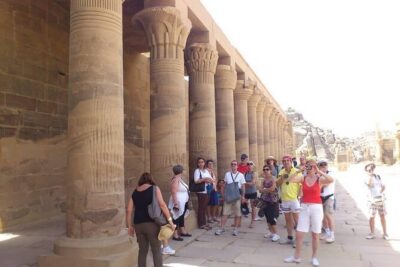
Philae is the day’s special stop. Reached by motorboat, the temple sits on an island and has a more memorable arrival than a roadside monument. The approach by water helps you appreciate why this place feels distinct from the temples reached by bus.
Plan on about two hours at Philae, including the motorboat transfer. Your guide should help you read the reliefs and understand the temple’s religious purpose rather than leaving you to wander among columns without context.
After sightseeing, you return to the ship and settle into your private room with a private bathroom. This first evening is a good time to sort out the practical extras: entrance fees, drinks, Wi-Fi, and tipping. Water and other drinks are not included, and Wi-Fi costs extra on the boat.
Abu Simbel: the optional day that needs clarification
Day 2 includes free time on the ship and offers an early-morning Abu Simbel excursion. The package details also list a shared Abu Simbel tour among the included services. Because those two descriptions do not match perfectly, ask the operator to confirm the arrangement before departure.
Abu Simbel is not a minor add-on. It is one of the strongest reasons to choose this particular trip. The temples of Ramses II are famous for their huge seated figures and their relocation during the construction of the High Dam. The visit requires an early start and a long road journey, but it can be the visual high point of an already impressive itinerary.
You should also understand the tradeoff. Adding Abu Simbel makes Day 2 tiring, especially when combined with the cruise schedule. If you prefer a slower morning on the Nile, skip it. If you want the broadest possible ancient Egypt program, confirm the shared tour details and take it.
Day 2: Sailing to Kom Ombo
If you do not take Abu Simbel, Day 2 gives you time aboard the boat before it sails in the afternoon. This is one of the pleasures of a Nile cruise. You get a break from minivans, guides, and stone courtyards while the river does the work.
Later, the ship stops at Kom Ombo. The temple is unusual because it is dedicated to two gods, Sobek and Horus, with a layout that reflects this shared religious focus. Your guided visit lasts about three hours, and the site is especially worthwhile for its unusual plan and carved medical instruments.
Kom Ombo can feel exposed in the sun, so carry water from your own supply. Since drinks are not included on the ship, it is wise to keep a bottle with you when you leave for the temple.
After the visit, the boat continues toward Edfu. You spend the night aboard ship in the same type of private cabin.
More Nile cruises around Aswan:
- From Aswan: 4-Day Nile Cruise from Aswan to Luxor with Guide
★ 4.1 · 593 reviews - 4-Days Nile Cruise From Aswan To Luxor including Abu Simbel and Hot Air Balloon
★ 4.5 · 509 reviews - 4-Day 3-Night Nile Cruise from Aswan to Luxor – Private Tour
★ 5.0 · 369 reviews - 4 Days Nile Cruise from Aswan to Luxor including Abu Simbel and Hot Air Balloon
★ 4.5 · 356 reviews
Day 3: Edfu and the Temple of Horus
Day 3 is another sailing day with a major temple stop. The boat continues along the Nile before stopping at Edfu, where you visit the Temple of Horus.
Edfu is dedicated to the falcon-headed god Horus and is among the best-preserved ancient Egyptian temples. Its large gateway and long colonnades make the scale easy to grasp, even if you know little about Egyptian religion.
The package includes a cart ride at Edfu Temple. That saves you some walking and makes the transfer from the dock more manageable, though the cart ride is part of the local transport experience rather than a sightseeing attraction in itself.
Allow about three hours for this stop. A good guide matters here because the preserved walls can look like a mass of symbols until someone explains the scenes, gods, and rituals. Guides named in the supplied material include Khaled El Saadi, Khalid Saadi, and Talaat Abdo. Their strengths are described in practical terms: clear historical explanations, help with questions, and keeping a multinational group on schedule.
The ship then sails toward Luxor and arrives in the late afternoon. This is your final night aboard. Use it to enjoy the deck, watch the river, and rest before the packed Luxor day ahead.
Day 4: the West Bank’s royal tombs
After breakfast, you check out and cross to Luxor’s West Bank. The first major stop is the Valley of the Kings, with about two hours scheduled.
The valley is not a single monument but a dry, rugged burial area filled with royal tombs cut into the hills. Your admission usually covers a limited number of tombs, while special tombs may require extra payment, but the supplied tour details only say that entrance fees are not included. Ask your guide or operator what the standard ticket covers on your date.
Inside the tombs, the experience changes from broad temple courtyards to narrow corridors and painted chambers. The heat, steps, and uneven surfaces can make this a demanding visit. Most people will want water and practical shoes. The schedule says most people can participate, but anyone with mobility concerns should ask for more detail before booking.
Next comes the Temple of Hatshepsut at Deir el Bahari, scheduled for about 90 minutes. The temple rises in broad terraces against the cliffs, giving it a very different shape from the Valley of the Kings. Hatshepsut’s story also adds a useful human angle to the day, since she ruled as pharaoh in a period when female kingship was unusual.
The Colossi of Memnon is a short 30-minute photo stop. These enormous seated statues once guarded the entrance to a larger temple complex. The stop is brief and admission is free, so it works well as a pause between the West and East Bank visits.
Karnak and Luxor Temple: a strong finish
After the West Bank, you cross to the East Bank for Karnak Temple. Two hours here is enough for a guided overview, though not enough to inspect every corner.
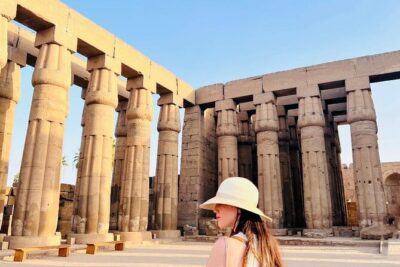
Karnak is vast. Its columns, pylons, courts, obelisks, and sacred spaces were built and altered over many centuries. The Great Hypostyle Hall is the visual star, with towering columns that make you feel very small. Stay close to the guide at first, then use any free time to look around at your own pace.
The final stop is Luxor Temple, scheduled for about 90 minutes. It is more compact than Karnak and has a strong sense of procession, with monumental entrances, columns, and the obelisk associated with Ramses II.
Ending here is smart. Luxor Temple is easier to absorb after Karnak because you can compare the two sites rather than treating them as unrelated ruins. At the end of the visit, you are transferred to your Luxor hotel, airport, train station, or bus station. The stated finish is around 3 to 4 PM.
The boat, meals, and daily comfort
Your accommodation is a private room with a private bathroom aboard the Nile boat. That matters because you avoid changing hotels for three nights, and your main transport doubles as your lodging.
Food is included three times daily: breakfast, lunch, and dinner. Several accounts describe the meals as delicious or good, and the ship’s chefs and housekeeping staff receive particular praise for friendly service. Still, the exact menu and meal schedule are not provided, so do not assume restaurant-level variety or special dietary arrangements unless you confirm them.
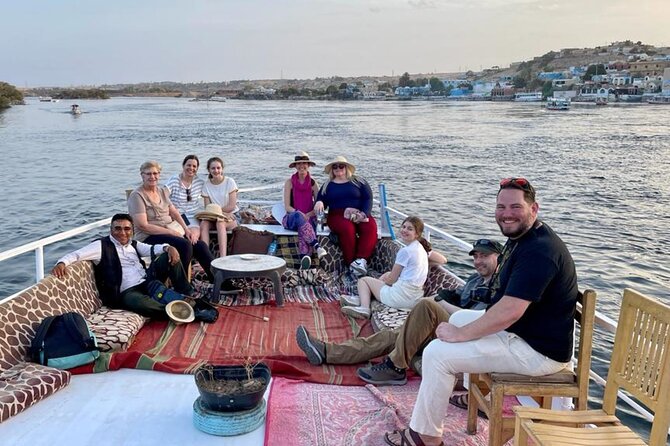
The deck appears to be an important part of the experience. Sailing gives you time to watch villages, fields, river traffic, and the changing banks without another formal stop. One especially useful tip is to spend time near the front of the boat during guide talks if you want the best chance of hearing the explanations clearly.
Boat staff tips are not included. Wi-Fi also costs extra, and drinks are separate. Set aside money for these items along with entrance tickets. Some guides may collect ticket and tip money early to save time at sites. That can be convenient, but you should always ask for a clear breakdown before handing over cash.
The guide makes the difference
This is a sightseeing-heavy trip, so the guide is central to your enjoyment. Names connected with the experience include Khaled El Saadi, Khalid Saadi, Khalil, and Talaat Abdo.
The most praised qualities are clear history lessons, good organization, patience with questions, and personal assistance. Khaled El Saadi is described as attentive from the first meeting through the final transfer. Khalid Saadi is singled out for helping explain ancient Egyptian culture and for assisting a person using a walking aid. Talaat Abdo is described as respectful, helpful, and strong at explaining the past.
Because the group can reach 50 people, guide position matters. Stay near the front during temple talks, then move away from the group during free time if you want quieter photographs. The schedule is shared, so you may need to accept a group decision about how long to remain at each site.
Balloon ride, group size, and practical questions
The title refers to a balloon tour, but the supplied day-by-day schedule does not include a hot-air balloon flight. It lists the Nile cruise and the major monuments only. Treat the balloon ride as unconfirmed and ask specifically about its date, pickup time, price, weather rules, and whether it is included.
The group maximum is 50 people. That is not automatically a problem, since the guides appear used to multinational groups, but it does affect the feel of the visits. A smaller group usually means easier questions and quicker movement. Ask how many people are expected when you book.
Pickup is available from Aswan east-bank hotels. West Bank pickup can be arranged for an extra $10 per person. In Luxor, transport to east-bank hotels is included, while a west-bank drop-off costs an extra $10 per person.
Most people can participate, but the program involves walking at large temple sites, steps, heat, and early departures, especially if you add Abu Simbel. The booking confirmation arrives at the time of booking, and cancellation is free up to 24 hours before the start time. Poor weather can cancel the experience, in which case you are offered another date or a full refund.
Is this $257 Nile cruise a good buy?
I would recommend it if you want the main Aswan to Luxor sights handled in one package and value a guide who takes care of transfers and timing. The price is particularly strong because it includes three nights, full-board meals, transport, guiding, the Philae motorboat, and the Edfu cart ride.
I would hesitate if you want a quiet, highly polished ship, dislike fixed group schedules, or expect every attraction to be included in the headline price. Entrance fees, drinks, Wi-Fi, and staff tips add to the cost. Also settle the Abu Simbel and balloon-tour details before booking.
For most first-time visitors to Upper Egypt, this is a practical way to connect the major monuments without logistical fuss. Book it for the route, the river, and the guide support. Do not book it on the assumption that the balloon ride is included until the operator confirms it in writing.
FAQ
How long does the Nile cruise last?
The experience lasts approximately four days and includes three nights aboard the Nile cruise boat.
Where does the cruise begin and end?
Pickup is provided in Aswan, and the cruise ends in Luxor on the final day, usually around 3 to 4 PM. Drop-off is available at a Luxor hotel, airport, train station, or bus station.
Is Abu Simbel included?
The package details list a shared Abu Simbel tour, but the Day 2 schedule describes it as optional. Confirm with Hola Egipto whether it is included in your specific booking and if any additional charge applies.
Are entrance fees included?
No. Entrance fees to the listed sightseeing stops are not included in the tour price.
Is food included on the boat?
Yes. The package includes three breakfasts, three lunches, and three dinners during the three-night cruise.
Can I cancel for a full refund?
Yes. You can cancel at least 24 hours before the experience start time for a full refund. Cancellations or changes made less than 24 hours before the start time are not accepted for a refund.
More Boat Trips in Aswan
- From Aswan: 3-Day Cruise to Luxor with Hot Air Balloon
★ 4.3 · 598 reviews - 4-Day 3-Night Nile Cruise from Aswan to Luxor With Balloon and Abu Simbel
★ 5.0 · 327 reviews - 4-Days Nile Cruise Aswan&Luxor,Hot Air Balloon&Abu Simbel.Hot deal
★ 5.0 · 322 reviews - 2 Night Nile Cruise from Aswan to Luxor
★ 5.0 · 311 reviews
More Abu Simbel Tours in Aswan
- From Aswan: Abu Simbel Temple Day Trip with Hotel Pickup
★ 4.4 · 2,807 reviews - Private Day Tour to Abu Simbel Temples from Aswan
★ 4.5 · 507 reviews - From Aswan: Abu Simbel Day Tour with Private Guide and Car
★ 4.3 · 342 reviews - Aswan: Abu Simbel Group Tour with Guide and Entrance Fees
★ 4.3 · 337 reviews
New on the Aswan list
- 4-Day-3 Night Nile Cruise Aswan & Luxor + Abu Simbel, Air Balloon★ 5.0 · 26 reviews
- 4-Days Nile Cruise sails Aswan to Luxor &Abu Simbel. Air Balloon★ 5.0 · 26 reviews
- Abusimbel Aswan to Luxor 4 days Nile cruise★ 5.0 · 27 reviews
- 4-Day 3-Night Nile Cruise from Aswan to Luxor – Luxury Tour★ 4.5 · 27 reviews
- Tour to Abu Simbel Temple with a small group and a Professional tour guide★ 4.5 · 27 reviews
- 4 Days 3 Nights from Aswan to Luxor Nile cruise+Abu simbel temple★ 5.0 · 27 reviews
- 4 Days Nile Cruise from Aswan to Luxor★ 5.0 · 28 reviews
- Nile Cruise 4 Days 3 Nights from Aswan to Luxor★ 4.5 · 29 reviews
Abu Simbel Tours, compared.
4-Days Nile Cruise From Aswan To Luxor including Abu Simbel and Hot Air Balloon
Read our review →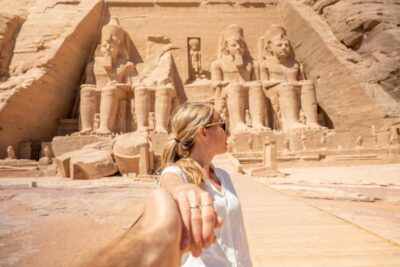
4-Day 3-Night Nile Cruise from Aswan to Luxor including Abu Simbel, Air Balloon
Read our review →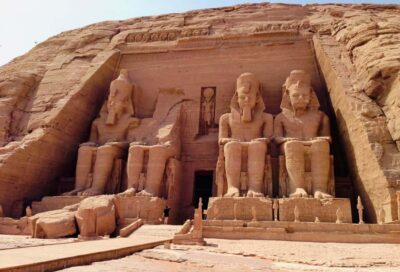
Abu Simbel Temple Private Guided Day Trip with Lunch
Read our review →4-Days Nile Cruise From Aswan To Luxor including Abu Simbel and Hot Air Balloon
Read our review →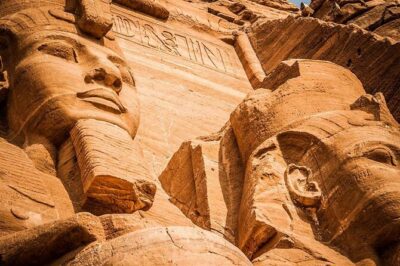
Private Day Tour to Abu Simbel Temples from Aswan
Read our review →4 Days Nile Cruise from Aswan to Luxor including Abu Simbel and Hot Air Balloon
Read our review →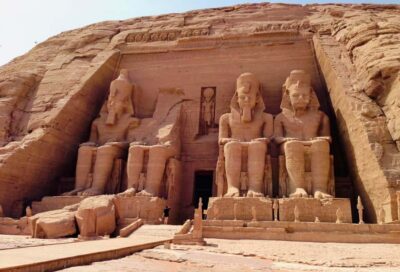
Browse the lists this tour appears in