
Reviewed · WESTERN DESERT TOURS
Siwa Oasis All Inclusive Tour From Cairo
Siwa is the sort of place that makes the long ride west from Cairo worthwhile. After hours of open desert, palm groves, salt lakes, ancient ruins, and clear springs appear almost suddenly. This tour packs the oasis highlights into two full days, from the Temple of Amun’s Oracle to a 4×4 ride across the Great Sand Sea.
I like the mix of old Siwa and living Siwa. You get ruined Shali, ancient tombs, and Egyptian-Greek history, but also a swim at Cleopatra Spring, tea by a lake, and time with local guides such as Mohamed and Youssef. I also like that the desert safari is not just a drive: it includes dunes, sandboarding, a spring, fossil beds, and sunset views.
The main drawback is the distance. The road trip from Cairo can take about eight to nine hours each way, so this is not a light weekend hop. The schedule is full, and the $453.63 per-person price needs to be weighed against the private format, meals, guiding, desert activities, and the amount of ground covered.
Key points before you book
- Eight to nine hours from Cairo: The road journey is long, but it takes you to one of Egypt’s most unusual desert oases.
- Private guiding by Mohamed and his local team: The format lets your group ask for adjustments and move at a more personal pace.
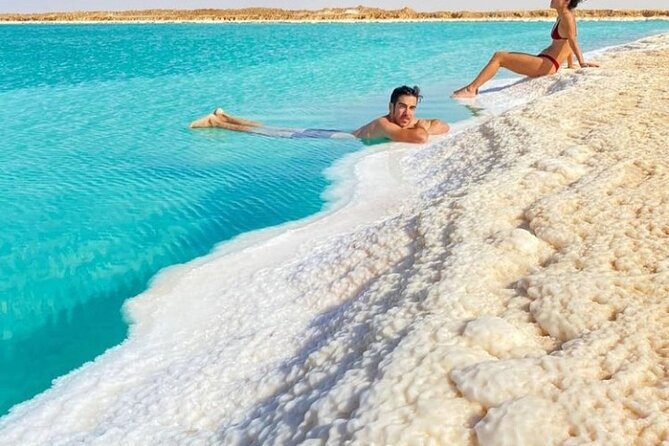
- Salt lakes and Cleopatra Spring: You can float or swim in mineral-rich water, then enjoy the very different setting of a freshwater oasis spring.
- Old Shali and Amun’s Oracle: These stops give the trip real historical weight, not just desert scenery.
- A full six-hour Great Sand Sea safari: Expect 4×4 dune driving, sandboarding, a desert spring, fossil areas, and sunset.
- Meals are included: Two breakfasts, two lunches, and two dinners are listed, while airport or departure tax is not included.
Why Siwa is worth the long road from Cairo
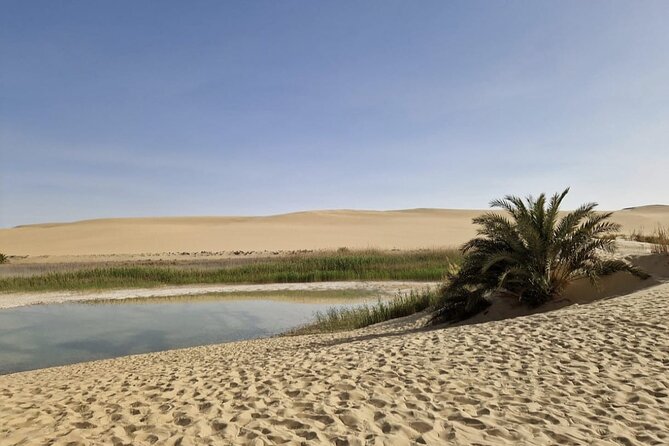
Siwa sits in Egypt’s Western Desert, far from Cairo’s main sights and the Nile Valley. That distance is both the attraction and the challenge. You do not reach it by accident, and the hours of dry desert road make the first sight of palm trees and water especially striking.
I would choose this trip if you want a strong change of pace from pyramids, temples, and city traffic. Siwa offers a quieter setting, a distinct local culture, salt lakes, mud-brick ruins, and a broad desert horizon. The tour also gives you a useful first look at the oasis without requiring you to arrange separate guides, vehicles, meals, and activities.
The timing deserves honest attention. The listed start time is 6:30 a.m., and the journey from Cairo is a major part of the trip. You will spend much of the first day reaching Siwa, then move through several sights once you arrive. For a slower stay, three days would be easier, but this two-day plan suits you if you want to see the main sites in a compact visit.
A few other Egypt days to weigh up
- White Desert – Overnight Tour
★ 5.0 · 251 reviews - Giza pyramids, sphinx , panorama pyramids & shopping tour
★ 5.0 · 231 reviews - Cairo Sightseeing Tour (Giza Pyramids + Museum + Khan el Khalili Bazaar)
★ 5.0 · 177 reviews
Salt lakes: Siwa’s most unusual first impression
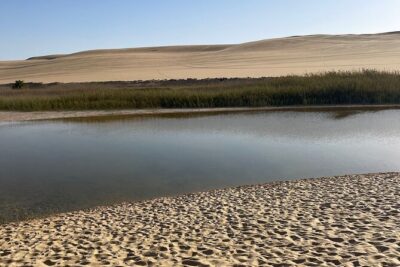
The salt lakes are a fine introduction to Siwa because they show why this oasis feels so different from the rest of Egypt. White salt formations and bright water sit against golden sand and palm trees. The scene is calm, spare, and highly photogenic.
The water’s high salinity can help you float, and the tour describes it as soothing for the skin. You should treat those claims as a pleasant feature rather than medical advice, but the water does offer a relaxing break after the long drive. Your guide also explains the lakes’ place in Siwa’s natural setting and local life.
The visit is listed with no admission charge. Since the stop itself is brief in the schedule, ask your guide how much time you will have in the water and for photographs. If swimming matters to you, bring suitable clothes, a towel, and a bag for wet items.
Amun’s Oracle above the oasis
At Aghurmi, the Temple of the Oracle of Amun sits on a hill above the surrounding palms and desert. The setting matters as much as the remaining stone. From this height, you can see how water and date palms support life in an otherwise dry region.
The sanctuary once drew rulers and military leaders seeking divine guidance. Its story links ancient Egyptian beliefs with the Greek period, giving your guide plenty of material to explain. You will see surviving structures and inscriptions, though this is a ruin rather than a fully restored temple.
Plan on about an hour here. The hilltop position brings excellent views, but the climb and uneven surfaces may be tiring in strong sun. Good walking shoes, water, and a hat will make this stop more comfortable. The tour lists admission as free.
Cleopatra Spring and the pleasure of stopping
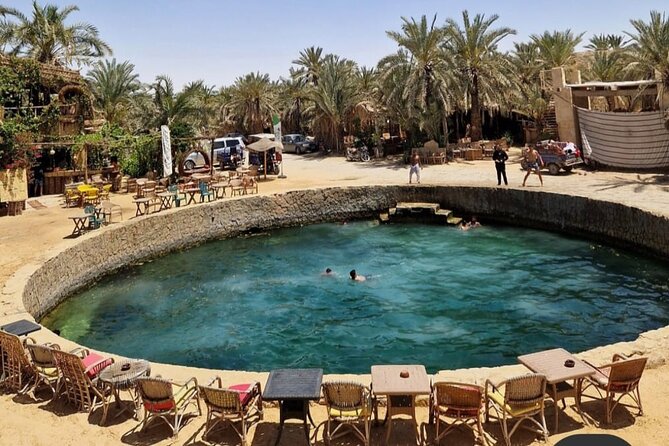
Cleopatra Spring offers a different kind of visit. Instead of looking at ruins, you can get into the clear mineral-rich water, cool off, and sit beneath the palms. The spring is linked by local tradition to Cleopatra, though the appeal today is simple: it is a pleasant place to swim and rest.
You have about 30 minutes listed here, so do not expect a long pool session. Nearby cafés offer refreshments, and your guide shares the spring’s story and its importance to the people of Siwa. This is a useful pause between historical sites, especially after the early start and long road journey.
The water may be slippery around the edge, so take care when entering. If you prefer not to swim, you can still enjoy the oasis setting and watch the activity around the spring.
Same base, a completely different day out:
- Hurghada: Luxor Valley of the Kings & Tutankhamun Tomb Trip
★ 4.7 · 13,208 reviews - Cairo: Pyramids & Great Sphinx Private Tour with Camel Ride
★ 4.9 · 6,335 reviews - Tour to Giza Pyramids and The Egyptian Museum
★ 5.0 · 6,016 reviews - From Hurghada: Cairo and Giza Highlights Full-Day Tour
★ 4.5 · 6,014 reviews
Old Shali, where salt and mud became a town
Old Shali is one of Siwa’s most memorable sights. Its buildings were made with kershef, a local mix of clay, salt, and mud. The material gave the town a distinctive appearance and helped it withstand the dry climate, though rain and weather have left the ruins broken and irregular.
Walking through the remains feels less formal than visiting a polished monument. Narrow paths, crumbling walls, and higher sections open onto views of palms, salt lakes, and the desert. You can see why Shali once had strategic value, while also getting a sense of how people adapted their buildings to local materials.
The visit lasts about an hour and is listed as free. Parts of the ruin require climbing, and the surfaces can be uneven. I would not rush this stop. Take time to look at the texture of the walls and the way the old town rises above the oasis.
Fatnas Island and a Siwan sunset
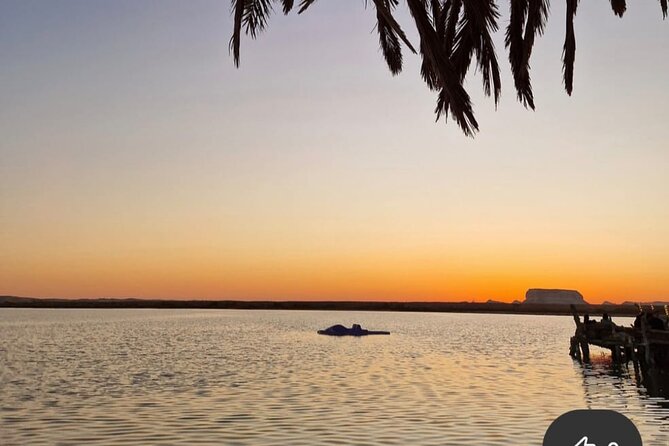
The fifth stop is labeled Hayaat Siwa Hot Spring, while its description focuses on Fatnas Island and the shores of a saltwater lake. In practical terms, expect a quiet waterside setting with palms, desert views, and a café where you can sit with tea or coffee.
This is the kind of stop that keeps the tour from becoming a race between monuments. After the spring and Old Shali, you can slow down, watch the light change, and see the sunset reflected in the water. The schedule allows about two hours, making it one of the more generous stops on the first day.
The best value here is atmosphere, not a long list of activities. If your ideal tour has constant action, you may find the pause too slow. I think it works well because Siwa is not only about ruins and adventure. Its quiet water, palms, and changing desert light are part of the place.
Mountain of the Dead and Siwan tombs
Day two begins at the Mountain of the Dead, a hill filled with tombs cut into the rock. You can see burial chambers decorated with murals and hieroglyphics, including the tombs associated with Si-Amun and Crocodile.
The site gives you a closer look at ancient burial customs than the larger monuments near Cairo often allow. Your guide explains who was buried here, how the tombs fit into Siwa’s past, and what the paintings and inscriptions reveal. Some areas may be dim or confined, so keep your footing and take your time.
The planned visit is about an hour. Climbing higher provides wide views over the palms, lakes, and desert. That view helps explain the oasis as a settlement surrounded by harsh terrain, not just as a collection of archaeological stops.
Gabal Dakrur and the tradition of sand baths
Gabal Dakrur combines scenery with local healing customs. The mountain is associated with hot sand baths, an old practice believed to ease joint pain, rheumatism, and similar complaints. The tour presents this as a cultural tradition and natural treatment, not as a substitute for medical care.
You can also climb for views across Siwa. The setting is quiet, and the stop gives your guide a chance to explain the mountain’s importance to local people. Gabal Dakrur is linked with the annual Siyaha Festival, a celebration of peace, unity, and healing.
Allow about an hour. The heat can be intense, especially if you climb or take part in a sand bath, so pace yourself. This stop will suit you if you enjoy local customs and natural settings. If you prefer only major archaeological sites, it may feel less essential than the Mountain of the Dead or Amun’s Oracle.
Six hours across the Great Sand Sea
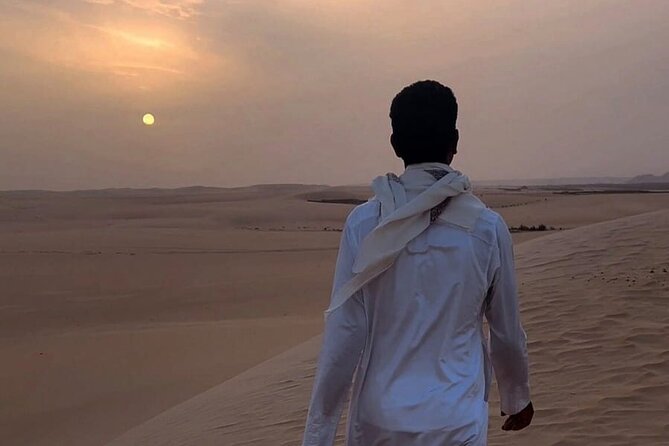
The desert safari is the most active part of the trip. A 4×4 takes you over the dunes of the Great Sand Sea, with steep rises, sudden drops, and broad views of golden sand. The ride is designed for fun, but it is also the best way to reach parts of the desert that would be hard to see on foot.
Sandboarding adds another activity. You should expect to climb a dune, slide down, and collect a fair amount of sand in your clothes and shoes. It is simple, good-natured fun, though the heat and walking back up the dune can be demanding.
The safari also includes a stop at the Magic Spring, a clear natural spring in the desert. This contrast, water surrounded by sand, is one of the reasons Siwa makes such a strong impression. You may also see fossil beds in the desert, reminders that this area once lay beneath the sea.
The planned safari lasts six hours, so it is not a quick photo stop. The day may include dune driving, the spring, fossil areas, sandboarding, and sunset from a high dune. Bring sun protection, water, and clothes you do not mind getting dusty. If you suffer from motion sickness or dislike bumpy driving, this is the part to consider carefully.
Camp nights and included meals
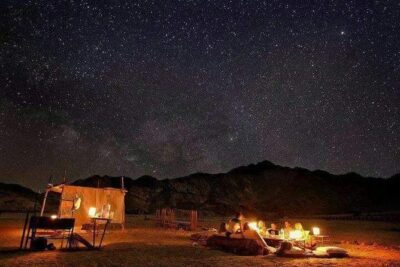
The tour describes nights under the stars in a traditional desert camp and includes two breakfasts, two lunches, and two dinners. That makes the trip easier to budget, particularly in a remote area where arranging meals and desert transport separately could be awkward.
The supplied details do not specify the exact camp facilities, room type, or sleeping arrangements. I would confirm those points before paying if you need a private room, a particular bed setup, or fixed bathroom facilities. The phrase traditional desert camp suggests a simple stay, so pack with comfort and practicality in mind.
Food is an important part of the local experience, and the guides are also described as helping with meals and local places to eat. The private format can be useful here because you can communicate dietary needs more directly than in a large group.
What the private format changes
Only your group participates, which is a real advantage on a tightly timed trip. Mohamed and his team, including Youssef and his brother, are described as handling arrangements from hotels to tours and adapting plans to personal requests. The strongest pattern in the feedback is not one single monument. It is the care, flexibility, and friendly attention from the guides.
That does not mean every minute will be completely open. The journey, meal times, desert driving, and scheduled sites still shape the day. But a private tour gives you a better chance to ask for more time at a favorite place, adjust the pace, or get help with practical needs.
The guides are also praised for local knowledge and for taking visitors to good viewpoints, food spots, and sunset locations. Mohamed is repeatedly identified as the main guide, while Youssef is also singled out for his role in Siwa. If the person leading your tour matters to you, confirm the guide assignment at booking, since a team is involved.
Is $453.63 per person fair?
At $453.63 per person, this is not the cheapest way to reach Siwa. The value depends heavily on the size of your group and on what transport and accommodation arrangements are included in your confirmation.
The price covers a private guided program, meals, the listed Siwa sightseeing, and a substantial desert safari. It also saves you from arranging a long-distance journey, local 4×4 transport, springs, ruins, meals, and a camp on your own. In a small family group or with friends, the private setup may feel more worthwhile because the cost is tied to a tailored service rather than a large coach outing.
You should still check the details. Airport or departure tax is excluded, and the supplied information does not spell out every accommodation or transport specification. Ask what is included in the Cairo pickup, where you sleep, and how the return journey is handled.
Who should book this Siwa trip?
I would recommend it to families, couples, solo parents, history fans, and active visitors who want several kinds of Egypt in one short trip. The combination of springs, ruins, salt water, mountains, and dunes is unusually varied.
It also suits you if you value personal help. The guide team has a strong record of making the trip feel easy, including for a solo parent traveling with a son and for honeymooners who wanted a typical desert experience. Small personal touches, such as gifts and help with special requests, are part of the service style described.
I would hesitate if you have only a short amount of time in Cairo and cannot spare two long road days. I would also hesitate if you want a slow retreat, dislike long bus journeys, or need detailed certainty about camp facilities before departure.
Practical details that matter
Pickup is offered, the start time is 6:30 a.m., and a mobile ticket is available. Confirmation is provided at booking. Service animals are allowed, and the activity is listed near public transportation, although the main Cairo to Siwa journey remains a long overland trip.
Most people can participate, but the itinerary includes hills, uneven ruins, hot sand, swimming, and bumpy 4×4 driving. Tell the operator about mobility or health concerns before departure so the pace and activities can be discussed.
Free cancellation is available up to 24 hours before the local start time for a full refund. Cancellations or changes within 24 hours are not refunded or accepted, and if the minimum number is not reached, the operator offers another date or a full refund.
Should you book it?
Book this tour if you want Siwa’s major sights and strongest activities in a compact private trip, and you can accept the long ride from Cairo. The salt lakes, Old Shali, Amun’s Oracle, Cleopatra Spring, and the Great Sand Sea safari give you a broad introduction to the oasis.
I would book after confirming the vehicle, accommodation, camp setup, Cairo pickup, and guide assignment. If those details suit you, the tour offers strong value through its private attention, included meals, local guiding, and six-hour desert program. If you have the time, a third day would make the visit calmer. If you have only two days, this is a practical and action-filled way to reach Siwa.
FAQ
How long is the tour from Cairo?
The experience lasts approximately two days. The road journey from Cairo to Siwa is long, with the supplied information describing it as roughly eight to nine hours.
What time does the tour start?
The listed start time is 6:30 a.m.
Is this a private tour?
Yes. Only your group participates in the private activity.
Which main sights are included?
The program includes the Siwa Salt Lakes, Temple of the Oracle of Amun at Aghurmi, Cleopatra Spring, Old Shali, Fatnas Island or its nearby lake setting, Mountain of the Dead, Gabal Dakrur, and the Great Sand Sea safari.
What meals are included?
Two breakfasts, two lunches, and two dinners are included.
Is desert camping included?
The tour description includes nights under the stars in a traditional desert camp. Confirm the exact camp and sleeping arrangements before booking if those details are important to you.
What is the cancellation policy?
You can cancel at least 24 hours before the local start time for a full refund. Cancellations or changes made within 24 hours are not refunded or accepted.
New on the Egypt list
- Private Half Day Tour to Giza Pyramids & Great Sphinx from Cairo★ 5.0 · 26 reviews
- Private Tour Giza Pyramids Wonders All inclusive★ 5.0 · 26 reviews
- Quad Bike in Sharm El Sheikh Desert★ 4.5 · 26 reviews
- 4-Day-3 Night Nile Cruise Aswan & Luxor + Abu Simbel, Air Balloon★ 5.0 · 26 reviews
- Private Tour To Pyramids of Giza Memphis Saqqara With Lunch★ 5.0 · 26 reviews
- 2 days 1 night Luxor,Aswan & Abu simbel by flight from Cairo★ 4.5 · 26 reviews
- Private Tour: shopping Tour In Hurghada★ 5.0 · 26 reviews
- 4-Days Nile Cruise sails Aswan to Luxor &Abu Simbel. Air Balloon★ 5.0 · 26 reviews
Western Desert Tours, compared.

Giza pyramids, sphinx , panorama pyramids & shopping tour
Read our review →
Cairo Sightseeing Tour (Giza Pyramids + Museum + Khan el Khalili Bazaar)
Read our review →![Siwa Oasis From Cairo&Giza 3 Days 2 Nights all Inclusive[Private]](https://assets.theegyptiantraveller.com/wp-content/uploads/siwa-oasis-from-cairo-giza-3-days-2-nights-all-inclusive-private-400x267.jpg)
Siwa Oasis From Cairo&Giza 3 Days 2 Nights all Inclusive[Private]
Read our review →
Siwa Oasis tour lifetime Experience 2 days &1night all inclusive
Read our review →Browse the lists this tour appears in