
Reviewed · NILE CRUISES
4-Night, 5-Star Nile Cruise from Luxor to Aswan
The best thing about this cruise is the way it links Egypt’s major monuments with quiet hours on the Nile. You move from Karnak’s towering columns to farmers’ fields, desert hills, and fishermen at work, without changing hotels every night. I especially like the four-night pace and the fact that a qualified Egyptologist guides each major site.
I also like that the price covers meals, entrance fees, transfers, and guided excursions, which makes budgeting easier. The main drawback is that the cruise line itself can vary, and one poor experience reported serious disappointment with the boat. You should confirm the ship name and cabin details before paying, especially because the booking is non-refundable.
Key points at a glance
- Karnak begins the trip with scale: Allow time for the Great Hypostyle Hall and its 134 towering columns.
- The West Bank is packed into one morning: You visit three Valley of the Kings tombs, Hatshepsut’s temple, and the Colossi of Memnon.
- Edfu comes with a horse-and-carriage ride: The temple of Horus is among Egypt’s best-preserved ancient temples.
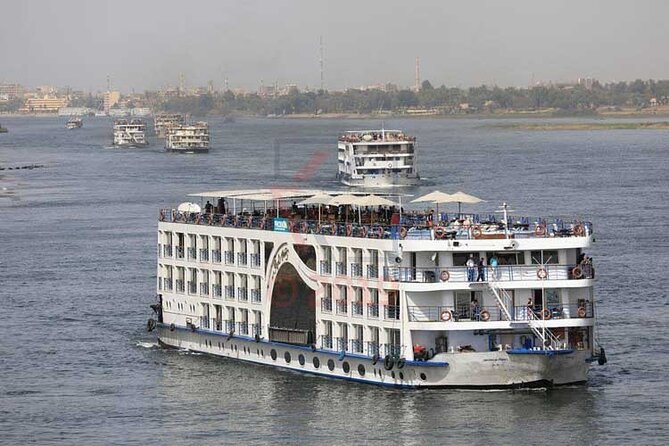
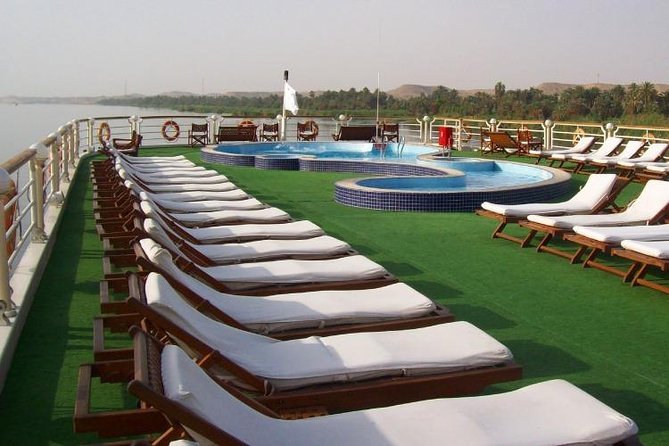
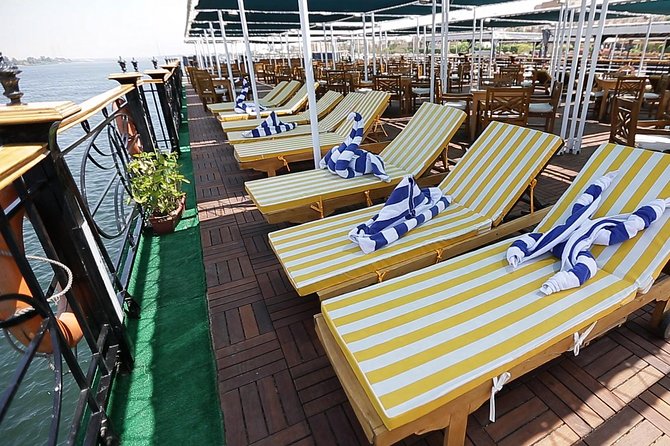
- The Nile sailing is part of the sightseeing: Watch village life and the desert edge from the boat’s sundeck.
- The cruise ends in Aswan: Philae, the Unfinished Obelisk, and the High Dam fill the final full day.
- Abu Simbel is extra: You can arrange the famous Ramses II temples by car or plane after disembarkation.
Why this Luxor to Aswan cruise works well
This is a five-day, four-night route for someone who wants Egypt’s major Nile Valley sights arranged in one package. You begin in Luxor and finish in Aswan, with pickup available from a Luxor airport, hotel, or train station and drop-off at an Aswan hotel, airport, or train station.
The private format matters. Only your group takes part, so your Egyptologist can answer questions at your pace. Past guide assignments have included Emad, Mahmoud, and Abdul. Emad was praised for clear explanations and thoughtful answers, while Mahmoud helped make a family group feel welcome. Abdul earned particular praise for explaining the archaeological sites in a way that made them easier to understand.
The cruise is full board, with four breakfasts, four lunches, and four dinners included. Evening entertainment is also listed, though the exact program depends on the ship. You get free time on board as well, which is important. Egypt’s temples can be tiring in the heat, and a shaded sundeck or quiet cabin is a welcome change from another round of columns and reliefs.
At $749 per person, the package can offer solid value if the ship matches the advertised 5-star standard. You are paying for four nights of accommodation, meals, private transfers, a guide, entrance fees, and several long excursions. Extra costs include tips, personal spending, and special tomb tickets.
More Boat Tours in Luxor
- Hurghada: 2-Day Luxor Tour with Hotel, Balloon, & Boat Ride
★ 4.5 · 1,113 reviews - From Luxor: 3-Night Nile Cruise to Aswan and Hot Air Balloon
★ 3.7 · 297 reviews - Amazing Sunset sailing by Felucca in Luxor -2 Hours (Private)
★ 5.0 · 255 reviews
Day 1: Karnak and Luxor Temple set the tone
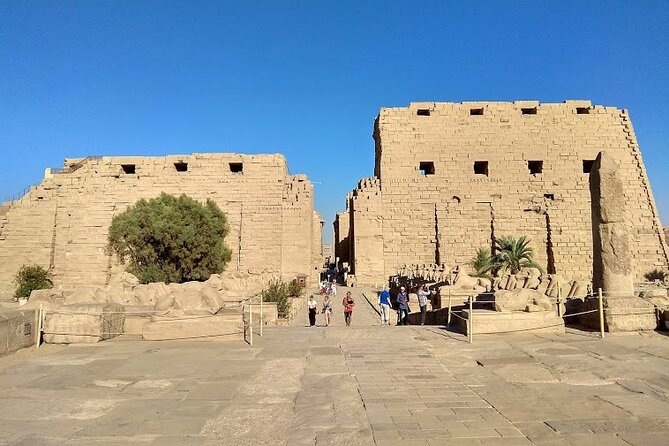
Your guide collects you in Luxor and takes you first to Karnak Temple. Give this place your full attention. The complex is vast, and the Great Hypostyle Hall is the main visual shock: 134 columns rise overhead like a stone forest, many still carrying carved and painted details.
The route also includes the Great Court and the sacred lake. Your guide can explain how the lake fit into temple rituals and purification. After the guided walk, you have extra time to explore independently, a useful touch for anyone who wants to linger over carvings or take photographs.
Karnak is not a quick photo stop. The stated visit lasts about two hours, but the scale means you should keep your eyes moving. Look up, look behind the columns, and notice how later rulers added their own work to an older religious center.
You then continue to Luxor Temple, a more compact and intimate site in the heart of modern Luxor. It was once linked to Karnak by a three-kilometer Avenue of Sphinxes. Ramses II, Tutankhamun, Amenhotep III, and Alexander the Great all had a role in its construction or decoration.
After Luxor Temple, you board the cruise ship, have lunch, and get time to settle in. This transition is practical rather than glamorous: you have already seen two major temples, and the rest of the afternoon gives you a chance to learn the ship, rest, and watch Luxor slip behind you.
Day 2: Tombs, cliffs, and the Valley of the Kings
After breakfast, you cross the Nile to the West Bank. The first stop is the Colossi of Memnon, two huge quartzite figures of Pharaoh Amenhotep III. The visit is short, about 15 minutes, so treat it as an introduction to the monuments ahead rather than a full stop on its own.
The Valley of the Kings receives about two hours. Your ticket includes three of the best-preserved tombs, but the specific tombs can vary. Guides are not permitted inside, so listen carefully before entering. Your Egyptologist will point out what to notice in the painted scenes, symbols, and burial passages.
The tomb of Tutankhamun costs extra and is paid for on the spot. The same applies to other special tombs, including Ramses VI and Seti I. If one of these is a priority, budget for it separately and ask your guide about the current ticket arrangements.
The Valley is more physically demanding than the short distances on a map suggest. You walk in an exposed desert setting, often on uneven ground, and the tombs require standing and walking through narrow spaces. Comfortable shoes, water, and a hat make a real difference.
Next comes Hatshepsut’s temple at Deir el Bahari. Its long colonnades rise against steep cliffs, creating one of the most striking settings on the route. Hatshepsut ruled Egypt for almost 22 years, and the monument reflects her effort to present herself as a legitimate pharaoh.
After lunch on board, the ship sails toward Edfu through the Esna lock. This is one of the most pleasant parts of the trip because you are not rushing from one ancient site to another. Use the free time to sit on deck, watch the riverbanks, and enjoy the simple rhythm of Nile travel.
Day 3: Horus at Edfu and the divided temple at Kom Ombo
At Edfu, you take a horse-and-carriage ride to the Temple of Horus. The ride is part of the transport arrangement and saves you from a longer walk through the town. The temple itself is dedicated to Horus, the falcon god and son of Isis and Osiris.
Construction took about 180 years during the Ptolemaic period. The result is unusually complete, with monumental gateways, columns, and reliefs that help you picture how an Egyptian temple was organized. Your guide’s explanations are especially useful here because the symbols and family connections can become confusing without context.
The visit lasts about two hours. Afterward, you return to the ship and continue upriver. The views change slowly: desert hills form a dry backdrop while cultivated land hugs the water. You might see fishermen casting nets or farmers working their fields. This is not a staged cultural show. It is ordinary Nile life viewed from a moving boat.
In the afternoon, you stop at Kom Ombo. The temple sits on a raised bank beside the river and has an unusual mirror-image plan. One half honors Sobek, the crocodile-headed god, while the other is dedicated to Haroeris, another form of Horus.
Reliefs explain ancient beliefs about crocodiles, animals that were both feared and revered. The temple is partly ruined, but its position beside the Nile makes it one of the most atmospheric stops. The visit is listed at about one hour, so your guide will focus on the main reliefs and the temple’s unusual two-part design.
More Nile cruises around Luxor:
- 5 Days Private Guided Nile River Cruise Tour from Luxor to Aswan
★ 5.0 · 229 reviews - Luxor: Private East and West Banks Tour and Felucca Cruise
★ 4.7 · 209 reviews - From Luxor: Dendera Temple All-Inclusive Tour & Felucca Ride
★ 4.2 · 207 reviews - Luxor: Nile River Private Sunset Felucca Ride
★ 4.9 · 188 reviews
Day 4: Aswan’s engineering and sacred island
Your final full day begins at the Unfinished Obelisk in an ancient stone quarry. The enormous block remains connected to the bedrock, giving you a clear view of how masons worked stone before a monument was moved and raised.
Had it been completed, the obelisk would have measured about 42 meters and weighed nearly 1,200 tons. The visit is less polished than a temple, but that is precisely its value. You can see the marks and unfinished form of the work itself rather than only the finished monument.
Next, you visit the Aswan High Dam. Built in the 1960s, it brought an end to the Nile’s destructive floods and changed farming, settlement, and water control across Egypt. The stop lasts about 30 minutes, so expect a short explanation and viewing point rather than a long engineering tour.
The day’s highlight for many people is Philae Temple. You reach the island by motorboat, then follow your guide through the temple dedicated to Isis, the mother of Horus and wife of Osiris. The island setting gives Philae a different mood from the inland temples, and the boat ride adds a pleasant change of pace.
You also get free time to look around on your own. Pay attention to the layers of decoration and the way the temple fits its island setting. After returning to the ship, lunch is served on board, followed by more free time.
Day 5: Disembarkation and the Abu Simbel decision
After breakfast, you leave the ship and transfer to your next destination in Aswan. Drop-off is available at a hotel, airport, or train station, which makes the cruise easy to connect with a wider Egypt itinerary.
Abu Simbel is an optional extension at the end of the cruise. The temples of Ramses II are not included in the package price, and the option can be arranged by car or plane. The listed visit takes about four hours, but the transport method and final cost should be confirmed before you book.
If Abu Simbel is one of your top priorities, do not treat it as a casual add-on. Ask for the exact departure time, vehicle or flight details, and whether the arrangement returns you to Aswan or takes you onward. The main cruise ends after breakfast, so your onward plan matters.
What the ship experience is likely to feel like
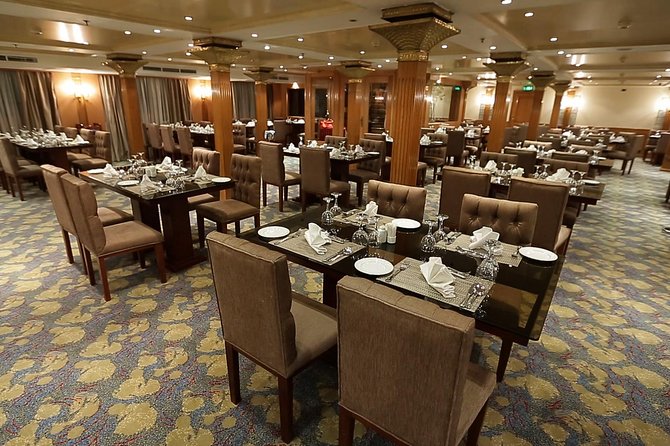
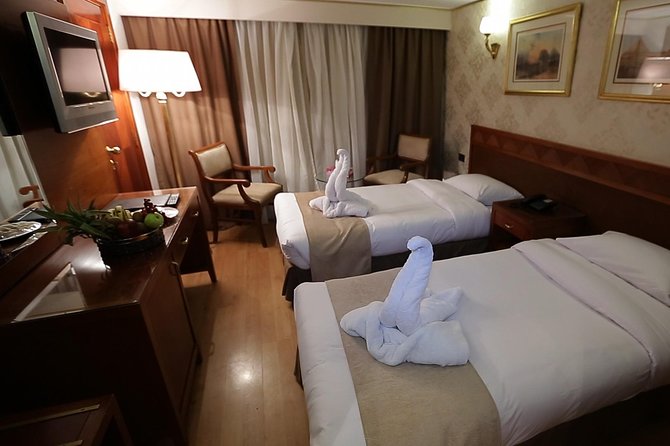
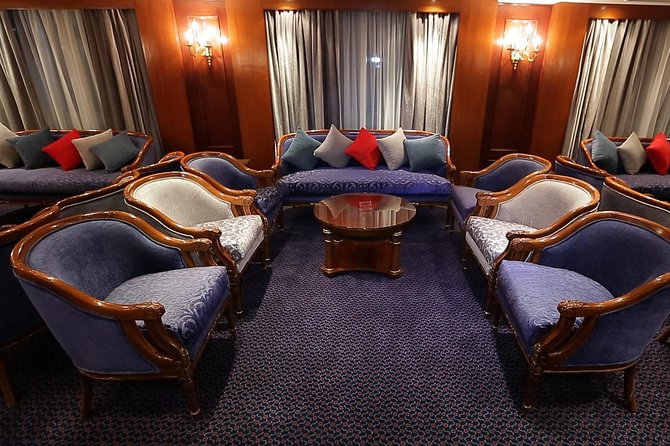
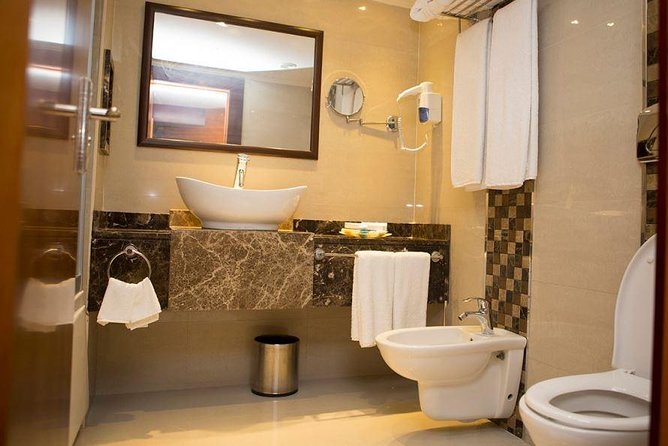
The boat is your base for four nights, so its condition matters as much as the temples. The available feedback is generally positive about comfort, helpful staff, and food. One account described the boat as comfortable, with staff who went out of their way to help and meals that were good.
There is also one serious warning. A group of 12 had a very poor experience with its cruise line. That means you should not rely on the 5-star label alone. Ask which ship will operate your sailing, what cabin category is included, and what happens if the assigned vessel changes.
The daily rhythm is appealing. Breakfast comes before the morning excursion, lunch is usually back on board, and sailing time gives you a break before the afternoon visit. Dinner and evening entertainment round out the day, though this is still an organized sightseeing trip, not a luxury resort holiday.
Bring modest expectations about free time. The itinerary includes several major sites, and the stops are tightly arranged. You have leisure on the ship, but not long, unstructured stays in each town.
How much value do you get for $749?
The $749 price is strongest for someone who wants predictability. The package includes the ship, three meals a day, transfers, a guide, entrance fees, and the listed excursions. Paying separately for each element would take more planning, and transport between Luxor and Aswan would need to be arranged on your own.
The value is also tied to the private format. Your group gets its own guide, and that can make a major difference at Karnak, the Valley of the Kings, and Philae. A good guide such as Emad, Mahmoud, or Abdul can turn a pile of stones and unfamiliar names into a readable story.
Still, not every expense is covered. Plan for tips, personal purchases, and additional tomb tickets. Tutankhamun, Ramses VI, and Seti I are outside the standard entrance package. Abu Simbel is also extra.
Because the cancellation policy is strict and the booking cannot be changed or refunded, confirm the ship, pickup point, passport requirements, and optional excursions before paying. Your passport should have at least six months of validity.
Who should book this Nile cruise?
I would recommend it to you if you want the main Luxor to Aswan sights in one organized trip, prefer a private group, and value having a guide explain what you are seeing. It suits first-time visitors who do not want to arrange Nile transport, temple tickets, and transfers separately.
It also works well for families and small groups. The private setup lets your guide adjust explanations and pacing to your party, and the ship provides a steady base between excursions.
I would be more cautious if you are highly particular about hotel standards or want a fully independent trip. The itinerary is busy, special tombs cost extra, and the exact cruise ship deserves careful confirmation. The non-refundable policy makes that check especially important.
FAQ
How long is the cruise from Luxor to Aswan?
The cruise lasts four nights and approximately five days. You board on Day 1 in Luxor and disembark after breakfast on Day 5 in Aswan.
What meals are included?
The package includes four breakfasts, four lunches, and four dinners. Meals are served on board the cruise ship.
Is a guide included?
Yes. A qualified Egyptologist guides the excursions between Luxor and Aswan. Guide assignments can include Emad, Mahmoud, or Abdul.
Are entrance fees included?
Entrance fees for the listed sights between Luxor and Aswan are included. Extra tickets for the tombs of Tutankhamun, Ramses VI, Seti I, and other special tombs are paid separately on site.
Is Abu Simbel included?
No. Abu Simbel is optional and costs extra. The visit can be arranged by car or plane after the cruise ends in Aswan.
Where can pickup and drop-off take place?
Pickup is available from a Luxor airport, hotel, or train station. After disembarkation, drop-off is available at an Aswan hotel, airport, or train station.
Should you book it?
Book this cruise if you want a well-organized route through Egypt’s essential Nile Valley monuments, with meals, transport, tickets, and a private Egyptologist handled together. The slow movement between Luxor and Aswan is the real pleasure, especially when you are sitting on deck watching everyday Nile life pass by.
Before paying, confirm the cruise ship and cabin details, set aside money for tips and special tombs, and decide if Abu Simbel belongs in your Aswan plans. If those details suit you, $749 can be a fair price for four nights of sightseeing with very little day-to-day planning.
More Evening Experiences in Luxor
- 2-Night Nile Cruise to Aswan from Luxor with Hot Air Balloon ride
★ 5.0 · 92 reviews - 5 Day 4 Night – Deluxe Nile Cruise Luxor to Aswan – Private Tour
★ 5.0 · 86 reviews - Private Sunset Felucca Ride on The Nile in Luxor
★ 4.5 · 83 reviews - 5-Day 4-Night Nile Cruise from Luxor to Aswan include Balloon
★ 5.0 · 78 reviews
More Boat Trips in Luxor
- Historia Hotel Nile Cruise, Mon. from Luxor 4 nts inc. Excursions
★ 5.0 · 185 reviews - From Luxor: 5-Day Nile Cruise to Aswan with Balloon Ride
★ 4.2 · 168 reviews - 4 Days Aswan and Luxor Nile cruise&Abu Simbel by plane from Cairo
★ 5.0 · 155 reviews - 4 Nights Luxor to Aswan Nile cruise with Abu Simbel&Air Balloon
★ 5.0 · 155 reviews
New on the Luxor list
- Full-Day East and West Luxor Private Tour★ 4.5 · 26 reviews
- Marsa Alam: Snorkeling with Sea Turtles Marsa Mubarak★ 4.9 · 26 reviews
- Private Full day East and West Bank, Luxor★ 5.0 · 26 reviews
- Day Trip to Edfu & Kom Ombo temples from Luxor and drop off in Aswan or Luxor★ 5.0 · 26 reviews
- Luxor Day Tour: Kings Valley & Karnak & Luxor & Hatshepsut Temple★ 5.0 · 26 reviews
- Luxury Hot Air Balloon Experience in Luxor with Pick-up★ 5.0 · 27 reviews
- Full-Day Luxor Tour – Discover the East and West Banks of the Nile★ 5.0 · 27 reviews
- 5 Days 4 Nights Nile Cruise Tour★ 5.0 · 27 reviews
Nile Cruises, compared.
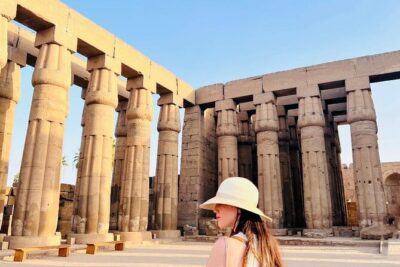
4-Days Nile Cruise From Aswan To Luxor including Abu Simbel and Hot Air Balloon
Read our review →
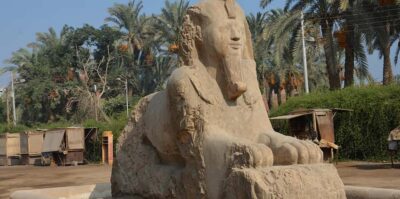
Sakkara, Memphis & Dahshur (Pyramid & Felucca Options)
Read our review →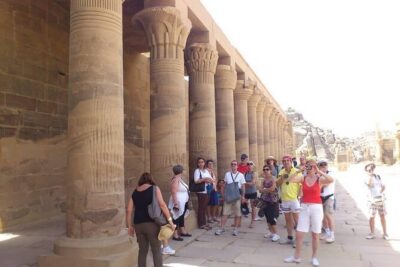
4-Day 3-Night Nile Cruise from Aswan to Luxor including Abu Simbel, Air Balloon
Read our review →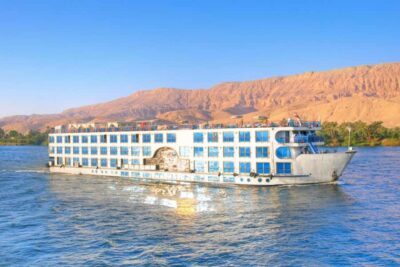
4-Day Nile Cruise from Aswan to Luxor with Guide
Read our review →
4-Days Nile Cruise From Aswan To Luxor including Abu Simbel and Hot Air Balloon
Read our review →
1 or 2-Hour Felucca Ride on the Nile with Transfers
Read our review →Browse the lists this tour appears in