
Reviewed · NILE CRUISES
Historia Hotel Nile Cruise, Mon. from Luxor 4 nts inc. Excursions
The most appealing part of this four-night Nile cruise is the way it joins Egypt’s major ancient sites into one tidy journey. You board in Luxor, watch the riverbanks pass from a comfortable floating hotel, and finish in Aswan after visiting temples, tombs, and quarries that are difficult to arrange independently.
I like the modern rooms and strong service, both praised repeatedly, and I like that meals, sightseeing fees, local transfers, and four nights of full board are bundled together. The main caution is the price: at $3,498 per person, this is a costly cruise, and transportation to and from the ship is not included.
Key points to know before booking
- Four nights from Luxor to Aswan: The route covers Egypt’s classic Upper Nile sights without requiring several hotel changes.
- Full board is included: You receive four breakfasts, four lunches, and four dinners during the cruise.
- Major temples and tombs are covered: Karnak, Luxor Temple, the Valley of the Kings, Hatshepsut, Kom Ombo, Edfu, Philae, and the Unfinished Obelisk are all part of the plan.
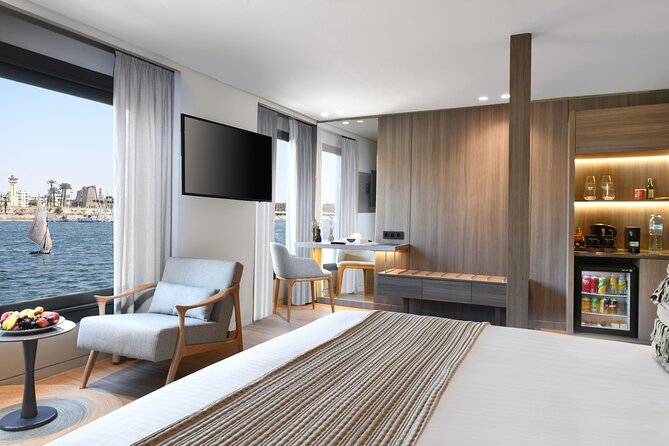
- Modern boutique-ship comfort: Cabins are described as spacious, clean, stylish, and fitted with clear Nile views.
- Food receives unusually strong praise: Executive Chef Mahmoud and his team are singled out for fresh, varied meals and special attention to dietary restrictions.
- Plan for separate transfers: Pickup is offered, but transportation to and from Historia Nile Cruise is not included in the listed package.
A polished way to travel between Luxor and Aswan
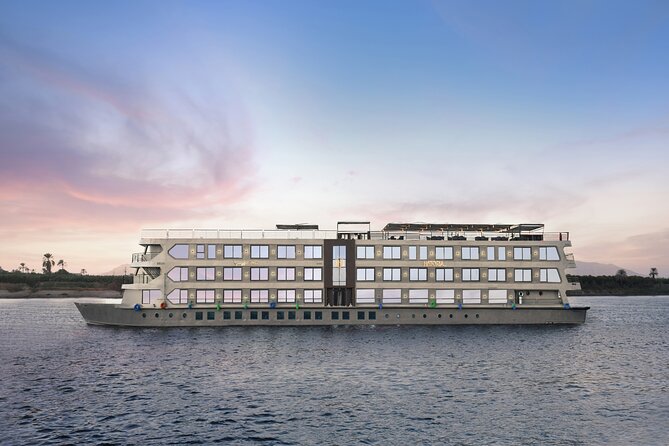
The Historia is presented as a boutique hotel on the Nile rather than a basic sightseeing boat. That distinction matters. You spend four nights in one room instead of packing and unpacking as you move through Upper Egypt, and the river becomes part of the trip rather than just a backdrop between stops.
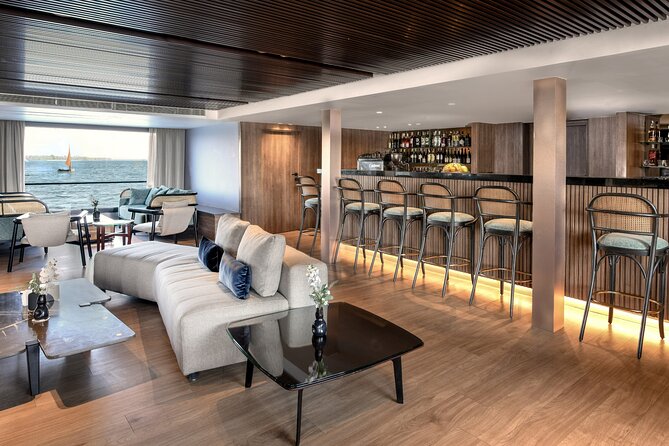
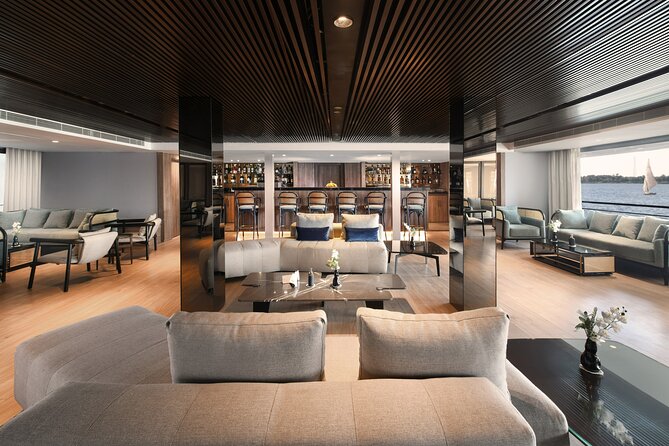
The ship’s rooms are repeatedly described as modern, clean, spacious, and comfortable, with views of the Nile. The details available here do not give cabin sizes or a full deck plan, so I would not book based on a specific room category unless you confirm it directly. Still, the consistent picture is of a newer vessel with a polished interior and a pleasant top deck.
Service is a major part of the experience. Staff members named in the feedback include Khaled, Hussein El Omada, ElHussein, Saber, Tarek, and others. That does not mean each person will serve you personally, but it does suggest a large and attentive onboard team. The staff is also described as helpful with special food requests, including multiple dietary restrictions.
Meals are included on a full-board basis. You receive four breakfasts, four lunches, and four dinners, with the food described as fresh, varied, well presented, and sometimes comparable to high-end dining. One evening features an Egyptian buffet, and dining on deck around sunset is a particularly appealing part of the schedule.
There is also onboard entertainment, though the details are not specified. You should think of it as a pleasant extra, not a reason to choose this cruise over another. The real draw is the combination of a comfortable ship, a steady route, and access to the ancient sites along the river.
One practical weakness is internet service. It works, but reliability can be uncertain. If you need regular contact with home, do not assume the onboard connection will be dependable throughout the voyage.
More Boat Tours in Luxor
- Hurghada: 2-Day Luxor Tour with Hotel, Balloon, & Boat Ride
★ 4.5 · 1,113 reviews - From Luxor: 3-Night Nile Cruise to Aswan and Hot Air Balloon
★ 3.7 · 297 reviews - Amazing Sunset sailing by Felucca in Luxor -2 Hours (Private)
★ 5.0 · 255 reviews
Day 1: Karnak and Luxor Temple set the tone
Your first sightseeing day begins in Luxor with two major temples on the east bank of the Nile. Each visit is scheduled for about two hours, and admission is included.
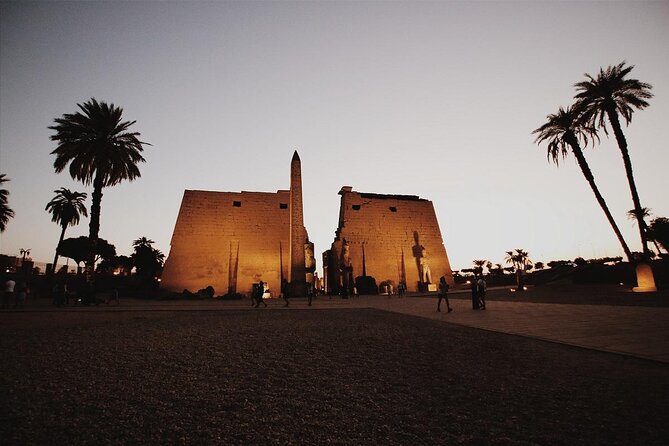
Karnak is the larger and more sprawling of the two. Construction took place over many centuries, beginning around 2000 BC, and the site includes pylons, chapels, courtyards, columns, and remains from different periods of Egyptian history. Its ancient name, Ipet-isut, means The Most Selected Places, an ambitious name for an enormous religious center.
Karnak was dedicated to the Theban triad of Amun, Nut, and Khonsu, with Amun as the central figure. The site can feel overwhelming without a guide because there is so much to see and so little obvious order for a first-time visitor. A good Egyptologist helps you understand which rulers added which sections and why the temple grew into such a huge complex.
The two-hour schedule is enough for a strong introduction, but not for every corner. Wear practical shoes, carry water, and expect the heat to affect your pace. The itinerary gives you time, but not unlimited time.
Luxor Temple feels more compact and easier to read. Built around 1400 BC on the east bank, it was linked to the renewal of kingship rather than being dedicated simply to one god or ruler. Alexander the Great was later associated with the site, adding another layer to its long story.
I like the pairing of Karnak and Luxor Temple because the two visits complement each other. Karnak shows the scale of Egyptian temple building, while Luxor gives you a more focused architectural experience. Seeing both on the same day also helps you understand Luxor as the center of ancient Thebes.
Your start time is listed as noon, with the meeting point at Luxor Airport. That timing may work well if you are arriving that day, but you should confirm the exact pickup arrangement before booking flights. Airport transportation to and from the cruise is not included in the package price.
Day 2: Pharaohs and a queen on Luxor’s west bank
Day two moves to the west bank, where royal tombs and mortuary temples occupy the desert hills. The schedule allows about two hours at the Valley of the Kings and another two hours at the Temple of Hatshepsut.
The Valley of the Kings contains 63 identified tombs, ranging from simple chambers to long corridors with many rooms. Ramses II, Tutankhamun, and Seti I are among the rulers connected with the valley. The site became a UNESCO World Heritage Site in 1979.
The biggest thing to understand is that the valley is not one museum with a fixed route. Tomb access can vary, and the most famous tomb does not automatically make the best visit. Your guide can explain the burial customs, decoration, and discovery stories, while you focus on the chambers open during your visit.
Two hours is a useful amount of time for the main visit, but it may feel short if you want to enter several tombs or study every painted wall. Admission is included, though the supplied details do not say whether optional tomb surcharges are covered. Ask about that before arrival if specific tombs matter to you.
The Temple of Hatshepsut sits beneath the cliffs at Deir el-Bahari. Its broad terraces and strong lines look very different from the enclosed temple spaces at Karnak and Luxor. The temple was dedicated to Hatshepsut and Amun, and its reliefs describe the divine birth of Egypt’s first female pharaoh.
This is one of the most valuable stops for understanding how Egyptian rulers used architecture to shape public memory. Hatshepsut’s position was unusual, and the temple’s reliefs help explain how she presented her authority.
The two-hour visit gives you time to take in the terraces and reliefs without turning the day into a forced march. Still, expect sun and exposed stone. A hat, water, and light clothing are sensible choices.
Day 3: Two temples built for very different gods
The cruise route continues south with Kom Ombo and Edfu. Each stop is scheduled for two hours, and the sightseeing fees are included.
Kom Ombo is unusual because it is a double temple. Its courts, halls, rooms, and sanctuaries were duplicated for two gods: Sobek, the crocodile god, in the southern section, and Horoeris, or Horus the Elder, in the northern section.
The temple’s symmetry gives you a clear way to understand how sacred space was organized. Instead of trying to remember a long list of names, look for the paired layout. The design itself explains the site.
Kom Ombo belongs to the Ptolemaic period, so it differs in date and style from the older monuments around Luxor. That contrast is useful. Egypt’s ancient religious tradition was not frozen in one era, and this later temple shows how older beliefs continued under different rulers.
Edfu Temple, dedicated to Horus, is one of the best-preserved Egyptian temples. Built from sandstone between 237 BC and 57 BC, it retains large sections of its walls and inscriptions. Those texts offer information about religion, language, and myth.
Edfu is in the town of Edfu on the west bank of the Nile between Esna and Aswan. The two-hour stop should give you time to appreciate the entrance, courtyards, reliefs, and inscriptions. The preservation makes this one of the easiest temples for you to picture as a working religious complex rather than a collection of ruins.
The supplied schedule places both visits on day three, but it does not provide exact sailing or departure times. That matters because river-cruise schedules can depend on docking and local conditions. Your onboard team should confirm the day’s timing.
More Nile cruises around Luxor:
- 5 Days Private Guided Nile River Cruise Tour from Luxor to Aswan
★ 5.0 · 229 reviews - Luxor: Private East and West Banks Tour and Felucca Cruise
★ 4.7 · 209 reviews - From Luxor: Dendera Temple All-Inclusive Tour & Felucca Ride
★ 4.2 · 207 reviews - Luxor: Nile River Private Sunset Felucca Ride
★ 4.9 · 188 reviews
Day 4: Aswan’s granite and sacred island
Day four brings you to Aswan for the Temple of Philae and the Unfinished Obelisk. Each visit receives about two hours.
The material provided for the Philae stop describes Elephantine Island, a large island downstream from the First Cataract. Elephantine’s name refers to elephants and ivory, reflecting its role in trade with Lower Nubia. Its shape is also said to resemble an elephant tusk.
Because the stop is named the Temple of Philae while the description focuses on Elephantine Island, I would confirm the exact sightseeing arrangement before paying. The two places are not interchangeable, and a clear itinerary will help you know whether the visit includes the temple itself, Elephantine Island, or both.
The Unfinished Obelisk sits in an Aswan granite quarry. It was abandoned after cracks appeared while workers were carving it from bedrock. If completed, it would have been almost 42 meters tall and weighed about 1,090 tons, making it roughly one-third larger than any completed ancient Egyptian obelisk.
This stop is valuable because the monument is incomplete. You can see the working method, the scale of the stone, and the problem that ended the project. Completed monuments often make ancient construction look mysterious. Here, the quarry gives you a more direct look at the labor and skill involved.
The itinerary calls this the obelisk of Queen Hatshepsut and dates it to more than 3,500 years ago. Your guide can help place it in the wider story of royal building projects and granite work in Aswan.
Day 5: A quiet finish in Aswan
The final morning is intentionally simple. You have about two hours to enjoy Aswan’s views before checkout, with no admission fee for this portion of the program.
That lighter ending is welcome after several days of temples and tombs. You can use the time to sit by the river, take in the city, or enjoy the last views from the ship before leaving. The listed end point is in Aswan city on Nile Corniche Street at the Nile Cruise Port, near Diverso Cafe.
The cruise ends in Aswan rather than returning to Luxor. That makes the trip useful as part of a larger Egypt itinerary, especially if you plan to continue from Aswan. It also means you need to arrange your onward transport separately.
What $3,498 per person really buys
At $3,498 per person, this is not a budget Nile cruise. The value depends on how much you want handled for you and how highly you rate onboard comfort.
The price includes all fees and taxes, sightseeing admission, assistance from the company’s personnel, air-conditioned deluxe vehicle transfers for the excursions, and four nights of full-board accommodation. It also includes the eight major sightseeing stops listed across the route.
You are paying for convenience as much as for the cabin. The cruise removes repeated hotel changes, organizes the main attractions, and provides transport between the ship and the sites. If you would otherwise book a high-end hotel, private vehicles, guides, meals, and admissions separately, the package may be easier to justify.
The sightseeing setup needs careful attention. The overview describes an exclusive private car and in-person guide when you book the sightseeing package, while the included section describes excursions in a shared Nile cruise group. The activity information also gives a maximum of two participants. These details do not fully match, so ask whether your vehicle and guide are private, shared, or private only under a particular booking option.
Guides are an important part of the value. Mohammed is praised for attentive guiding and fluent Spanish, while Tarek or Terek is also named in connection with the tours. If you need a guide in a particular language, request that in writing before you book. Do not assume the named guides are guaranteed for every departure.
The cruise is recommended by 98 percent of its rating base and carries a 4.9 rating from 185 reviews. Those figures suggest a strong satisfaction record, but they do not remove the need to check the fine print, especially at this price.
Who will enjoy Historia most
I would point this cruise toward someone who wants Egypt’s classic Nile route with a high level of onboard comfort and little daily planning. It suits couples, families, and anyone who prefers a polished base rather than basic boat accommodation.
Food-focused travelers should pay attention. The executive chef, Mahmoud, is praised repeatedly, and the kitchen is described as accommodating dietary restrictions without reducing quality. Families may also appreciate the staff’s willingness to prepare special meals for children.
This is also a good choice if you want guided context at every major site. The temples are impressive on their own, but the religious symbols, royal titles, burial customs, and changing periods make far more sense with an Egyptologist.
I would be more cautious if you are watching your budget, need reliable internet, or prefer independent travel with long unscheduled hours. The timetable gives you set visits, and the included excursions are built around a group cruise schedule unless you confirm a private arrangement.
The package requires good weather and a minimum number of participants. If the operator cancels for either reason, you are offered another date, another experience, or a full refund. Your own cancellation is different: the booking is non-refundable and cannot be changed for any reason.
Should you book this Nile cruise?
Book Historia if you want a modern boutique ship, full-board dining, attentive service, and a well-organized route from Luxor to Aswan. The strongest reasons are the comfortable rooms, highly praised food, included major sights, and the chance to have guides such as Mohammed or Tarek explain the monuments in person.
Before paying $3,498 per person, confirm three things: the cabin category, the exact meaning of private versus shared sightseeing, and the transportation arrangements at Luxor and Aswan. Also clarify the Temple of Philae description and any extra charges for specific tombs.
For the right budget, this is a comfortable and efficient way to see Upper Egypt. For a lower-cost trip, you may find better value by comparing simpler cruises or arranging some sightseeing yourself.
FAQ
How long is the Historia Nile Cruise from Luxor?
The experience lasts approximately five days, including four nights aboard the cruise.
Where does the cruise begin?
The listed starting point is Luxor Airport in Luxor, Egypt, with a start time of 12:00 pm.
Where does the cruise end?
The cruise ends in Aswan city at the Nile Cruise Port on Nile Corniche Street, near Diverso Cafe.
Which sights are included?
The itinerary includes Karnak Temple, Luxor Temple, the Valley of the Kings, the Temple of Hatshepsut, Kom Ombo Temple, Edfu Temple, the Temple of Philae, the Unfinished Obelisk, and time to enjoy Aswan views.
Are meals included?
Yes. The package includes four breakfasts, four lunches, and four dinners on a full-board basis.
Are admission fees included?
Yes. Sightseeing fees, all fees and taxes, and admission tickets for the listed excursions are included.
Is transportation to and from the cruise included?
No. Transportation fees to and from Historia Nile Cruise are not included. Air-conditioned deluxe vehicle transfers for the listed excursions are included.
Is the sightseeing private or shared?
The information describes private car and in-person guide service with a sightseeing package, while the included excursions are described as part of a shared Nile cruise group. Confirm the exact arrangement for your booking before purchase.
Can I cancel or change the booking?
The experience is non-refundable and cannot be changed for any reason. If the operator cancels because of poor weather or because the minimum number of participants is not reached, you are offered another date, another experience, or a full refund.
More Boat Trips in Luxor
- From Luxor: 5-Day Nile Cruise to Aswan with Balloon Ride
★ 4.2 · 168 reviews - 4 Days Aswan and Luxor Nile cruise&Abu Simbel by plane from Cairo
★ 5.0 · 155 reviews - 4 Nights Luxor to Aswan Nile cruise with Abu Simbel&Air Balloon
★ 5.0 · 155 reviews - From Luxor: 3-Day Nile Cruise to Aswan with Private Guide
★ 4.2 · 147 reviews
New on the Luxor list
- Full-Day East and West Luxor Private Tour★ 4.5 · 26 reviews
- Marsa Alam: Snorkeling with Sea Turtles Marsa Mubarak★ 4.9 · 26 reviews
- Private Full day East and West Bank, Luxor★ 5.0 · 26 reviews
- Day Trip to Edfu & Kom Ombo temples from Luxor and drop off in Aswan or Luxor★ 5.0 · 26 reviews
- Luxor Day Tour: Kings Valley & Karnak & Luxor & Hatshepsut Temple★ 5.0 · 26 reviews
- Luxury Hot Air Balloon Experience in Luxor with Pick-up★ 5.0 · 27 reviews
- Full-Day Luxor Tour – Discover the East and West Banks of the Nile★ 5.0 · 27 reviews
- 5 Days 4 Nights Nile Cruise Tour★ 5.0 · 27 reviews
Nile Cruises, compared.
4-Days Nile Cruise From Aswan To Luxor including Abu Simbel and Hot Air Balloon
Read our review →
Sakkara, Memphis & Dahshur (Pyramid & Felucca Options)
Read our review →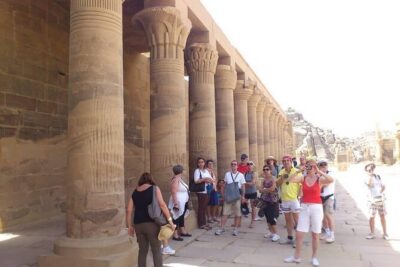
4-Day 3-Night Nile Cruise from Aswan to Luxor including Abu Simbel, Air Balloon
Read our review →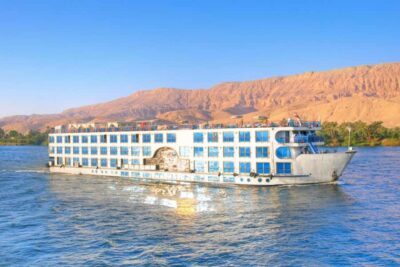
4-Day Nile Cruise from Aswan to Luxor with Guide
Read our review →
4-Days Nile Cruise From Aswan To Luxor including Abu Simbel and Hot Air Balloon
Read our review →
1 or 2-Hour Felucca Ride on the Nile with Transfers
Read our review →Browse the lists this tour appears in