
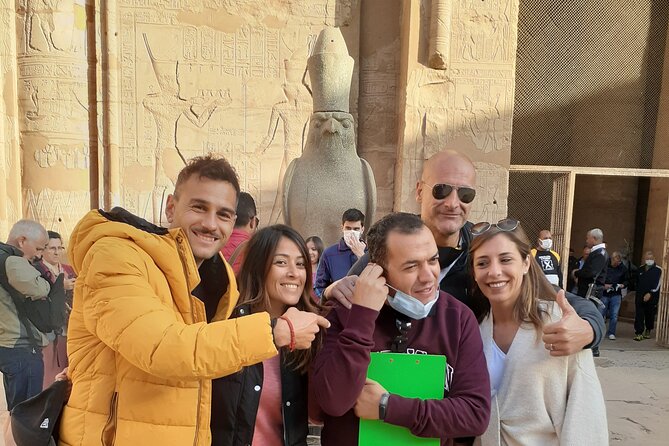
Reviewed · NILE CRUISES
Nile cruise between Luxor and Aswan: Sail the best temples in Egypt
Egypt’s greatest ancient sites line up along one calm stretch of water on this five-day Nile cruise from Luxor to Aswan. You unpack once, then move from royal tombs and colossal temples to felucca sails and Nubian villages, with quiet river time between outings.
I like the easy start, with pickup available at your Luxor hotel, airport, or train station. I also like the guide-led visits, especially with Mohamed Gaber, known as Moha, whose lively explanations and occasional theatrical touches help make the stones easier to understand. The main thing to weigh is the early pace and the extra cost of optional excursions, particularly Abu Simbel and the Nubian village.
Key points to know before booking
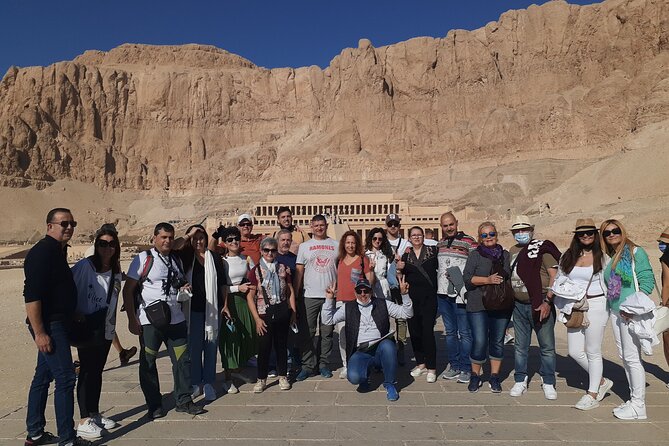
- Four nights on the Nile: Your cruise covers the journey between Luxor and Aswan, so you do not need to change hotels each night.
- The major temples are built in: Tickets are included for the Valley of the Kings, Hatshepsut, Karnak, Luxor, Edfu, Kom Ombo, and Philae.
- Mohamed Gaber, or Moha: His clear, lively style is a major part of the experience, with help for practical matters such as currency and internet.
- Abu Simbel is optional: The Ramses II and Nefertari temples are treated as a must-see by the operator, but this excursion is not part of the basic schedule.
- A maximum of 30 people: This is not a private cruise, but the group cap keeps the outings from becoming completely unwieldy.
- Pickup and drop-off are useful: You can be collected in Luxor and taken to a hotel, airport, or station in Aswan at the end.
Why this Luxor to Aswan sailing works so well
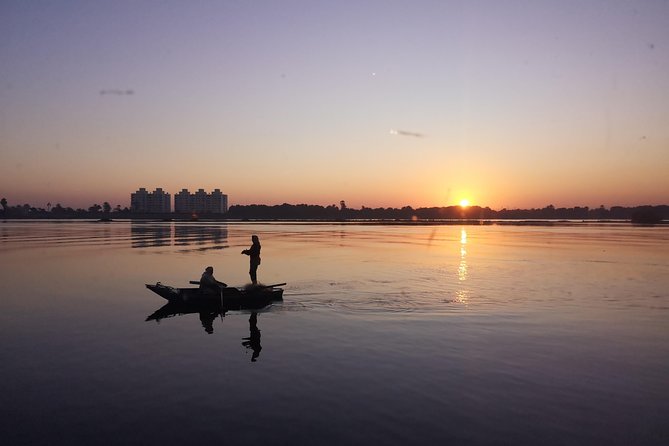
A Nile cruise gives you something a land tour cannot: a sense of place. The river is not just scenery between monuments. It explains why ancient Egypt grew here, why temples sit where they do, and why farming villages still cling to the green strip beside the water while the desert begins nearby.
This trip also gets the route right. You begin in Luxor, the great center of ancient Thebes, then sail south through Edfu and Kom Ombo before finishing in Aswan. The result is a steady rhythm of major sights, meals aboard, short excursions, and open time on deck.
At $625 per person, the value depends on what you would otherwise pay for four nights of accommodation, transport between cities, entrance tickets, meals, guides, and transfers. Since the cruise includes four nights, five lunches, four dinners, listed admission tickets, pickup in Luxor, and transfer in Aswan, it bundles many costs into one price. Drinks, tips, Abu Simbel, and the Nubian village excursion are extra, so keep a little room in your budget.
More Boat Tours in Luxor
- Hurghada: 2-Day Luxor Tour with Hotel, Balloon, & Boat Ride
★ 4.5 · 1,113 reviews - From Luxor: 3-Night Nile Cruise to Aswan and Hot Air Balloon
★ 3.7 · 297 reviews - Amazing Sunset sailing by Felucca in Luxor -2 Hours (Private)
★ 5.0 · 255 reviews
Day 1: Settle in at Luxor without rushing
Pickup takes place in Luxor at the location and time you provide. The listed meeting point is Luxor Temple, but collection can also be arranged from the airport, train station, or a hotel.
Once aboard, you settle into your room and begin using the boat as your base. Meals follow the ship’s schedule, and the first day is free for rest, pool time, or an independent look around Luxor.
That open first day is useful after a flight or train ride. You can get your bearings without immediately being marched through a temple complex. If you already have energy, Luxor gives you plenty to see on your own, though the tour does not specify a guided activity for this day.
The practical catch is the stated 6:00 am start time. Confirm your exact pickup time when booking, since the description also says pickup is arranged according to where you are staying. The first day may be flexible in practice, but you should not assume a late arrival will fit the ship’s schedule.
Day 2: Royal tombs and Luxor’s great temples
The second day packs in the cruise’s biggest concentration of ancient sites. You begin at the Valley of the Kings, a vast royal burial area containing tombs of New Kingdom pharaohs. Entry allows three tombs of your choice, which is better than being locked into a fixed selection.
The tombs are the real reason to pay attention here. Their painted chambers take you below the dry hills and into a world of funerary scenes, gods, and royal journeys. Three tombs can be enough, but choices matter. Ask Moha which ones fit your interests and current conditions rather than simply following the crowd.
Next comes the Temple of Hatshepsut at Deir el Bahari. Built for one of Egypt’s most important female rulers, it rises in terraces against the cliffs. The setting helps you understand the design, since the temple is meant to be seen as part of the rock face rather than as an isolated building.
The stop at the Colossi of Memnon is short, only about 15 minutes. These two huge statues represent Amenhotep III. This is a quick photo stop, not a long visit, so treat it as a chance to see the scale of royal sculpture rather than a full temple tour.
After that, you visit Karnak Temple for about two hours. Karnak was built and expanded by different pharaohs over more than 2,000 years. Its famous features include the Avenue of the Sphinxes, the ram-lined avenue, and the enormous column hall.
Karnak can feel confusing without a clear guide. This is where Moha’s style matters. The strongest descriptions of his work focus on simple explanations, enthusiasm, humor, and small theatrical moments that bring the religious and royal stories to life. He is also praised for keeping groups organized and helping with practical problems, which can make a long sightseeing day feel less tiring.
The final major stop is Luxor Temple, dedicated to Amun-Ra. Unlike a single royal tomb, this is a ceremonial temple built for worship and public ritual. Its scale and surviving columns give you a second way to read ancient Luxor after the more intimate tombs in the morning.
The day ends with roughly three hours of afternoon sailing toward Edfu. Use this time well. Sit by the pool, watch the riverbank, or simply let your feet recover. The cruise works best when you accept that rest is part of the sightseeing, not wasted time.
Day 3: Horus at Edfu and two gods at Kom Ombo
Edfu Temple is one of the best-preserved temples from ancient Egypt and is dedicated to Horus. The relatively complete walls and carvings make it easier to picture how a temple complex once looked, even if you are not an Egypt specialist.
You have about two hours here. That is enough time for a guided visit, but you will want to stay close and listen, since reliefs can look like a wall of repeated figures without context. Ask about the symbols and scenes that interest you instead of trying to photograph every surface.
Kom Ombo follows, with about an hour at the temple dedicated to two gods, Sobek and Haroeris. The double dedication gives the site its unusual layout and makes it a good contrast to Edfu. You are not seeing the same temple twice. The focus and symbolism change from one place to the next.
Day 3 has fewer listed stops than Day 2, but that does not necessarily mean a slow day. Boat schedules and shore visits still shape the timing. The advantage is that Edfu and Kom Ombo receive focused attention rather than being squeezed into a single long list of Luxor monuments.
More Nile cruises around Luxor:
- 5 Days Private Guided Nile River Cruise Tour from Luxor to Aswan
★ 5.0 · 229 reviews - Luxor: Private East and West Banks Tour and Felucca Cruise
★ 4.7 · 209 reviews - From Luxor: Dendera Temple All-Inclusive Tour & Felucca Ride
★ 4.2 · 207 reviews - Luxor: Nile River Private Sunset Felucca Ride
★ 4.9 · 188 reviews
Day 4: Philae, felucca sailing, and the Abu Simbel choice
Abu Simbel is listed as an optional excursion, but the operator strongly recommends it. The temples were cut into rock during the reign of Ramses II and dedicated to Ramses and his wife, Nefertari.
This is the largest decision point in the trip. Abu Simbel is not included in the basic activity cost, and the supplied schedule does not state its extra price or transportation details. Ask for the full cost, departure time, return time, and exact inclusions before you commit. The two-hour visit itself is clear, but the wider excursion may affect your sleep and the rest of Day 4.
The Temple of Philae is included and sits on an island, reached by boat. Its dedication to Isis gives the visit a different tone from the royal monuments farther north. The boat approach is part of the appeal, since you see the temple as a place surrounded by water rather than simply arriving by road.
You also take a felucca ride for about an hour. This is a smaller, quieter sailing experience than the cruise ship, and it offers a closer look at life along the Nile. There is no need to treat it as a major historical stop. Its value is in changing your view of the river and slowing the day down.
The optional Nubian village visit lasts about three hours and is not included. It offers contact with traditional Nubian life and includes a place on the Nile where you can swim if you choose. Ask about the additional charge before going, and remember that the bathing option is just that, an option, not a required part of the trip.
This day can become quite full if you add both Abu Simbel and the Nubian village. I would choose based on your priorities. Abu Simbel is the better fit if monumental ancient architecture is your main reason for coming. The Nubian visit is the better fit if you want a stronger connection with present-day culture and river life.
Day 5: Finish in Aswan with a useful transfer
After breakfast, you check out and have free time in Aswan. The operator then takes you to the hotel, airport, or train station you specify.
That transfer is more useful than it sounds. A cruise ending in Aswan can leave you juggling luggage and local transport, so having the final ride arranged makes the last morning easier. The free time also lets you add your own Aswan plans, though none are included in this experience.
Because the tour ends in Aswan rather than returning to Luxor, plan your wider Egypt trip around that direction. It works well if you are flying or taking a train onward from Aswan, or if you want to continue exploring southern Egypt.
What the guide adds to the ancient sites
The guide can make or break an Egypt trip. Here, Mohamed Gaber, called Moha, is repeatedly singled out for clear explanations, strong organization, humor, and genuine care for the group.
The useful detail is not just that he knows ancient Egypt. He is described as helping people with currency, internet, questions, and day-to-day concerns. He also uses a theatrical approach at some temples, inviting people to take part rather than delivering a dry lecture.
That style will suit you if you like history explained in a friendly, energetic way. If you prefer to wander silently and study every carving alone, you will need to use the free periods and independent time for that. The tour is built around guided visits, not complete solitude.
Meals, boat time, and the daily rhythm
The booking includes four nights aboard the cruise, five lunches, and four dinners. Drinks are not included, so check the onboard prices and keep cash available for purchases and tips.
The ship gives you a place to rest between temples, with pool time and quiet navigation areas highlighted as part of the experience. That matters in Egypt, where a full day among stone monuments can be hot and tiring.
Still, do not mistake a river cruise for a slow luxury holiday. Day 2 begins early and covers six stops. Day 4 may become especially demanding if you add Abu Simbel and the Nubian village. The best approach is to protect your rest periods and avoid treating every optional activity as compulsory.
The group maximum is 30 people. That is small enough for a guide to keep an eye on the group, but it is not a private tour. At busy sites, you may still need patience, especially when the group gathers for explanations or moves through narrow areas.
Who should book this cruise
I would recommend it to a first-time visitor who wants the main Luxor to Aswan route handled in one package. It suits you if you value a guide, want admission tickets sorted, and like the idea of waking up aboard the boat rather than changing hotels.
It is also a good fit for families and mixed-age groups, since most people can participate and the itinerary combines major sightseeing with pool and river time. Moha’s practical help may be especially useful if you are uneasy about currency, internet, or arranging transport in Egypt.
I would hesitate if you want a private schedule, long unstructured visits, or a quiet luxury cruise with very little activity. The route is busy, the start time is early, and the optional excursions can add both cost and fatigue.
You can cancel for a full refund if you do so at least three full days before the local start time. Changes or cancellations inside that window are not accepted or refunded, so check your plans carefully before booking.
Should you book the Luxor to Aswan cruise?
Book it if you want Egypt’s major southern sights in a clear five-day plan, with four nights aboard, meals, tickets, and transfers bundled together. The strongest reason to choose this particular trip is the combination of a classic Nile route and a guide who explains the sites in an engaging, human way.
Before paying, confirm the boat details, your exact pickup time, the price and schedule for Abu Simbel, and the cost of the Nubian village visit. If those extras fit your budget, this cruise gives you a practical way to see the temples without spending your trip arranging every move yourself.
FAQ
How long is the Nile cruise from Luxor to Aswan?
The cruise lasts approximately five days, with four nights of accommodation aboard the boat.
Where does the cruise begin?
The experience begins in Luxor. Pickup can be arranged from a Luxor airport, train station, or hotel, and the listed meeting point is Luxor Temple.
Where does the cruise end?
It ends in Aswan after breakfast and checkout on Day 5. You can be taken to an Aswan hotel, airport, or train station.
What time does the tour start?
The stated start time is 6:00 am. Confirm the exact pickup details when booking, especially if you are arriving at a hotel, airport, or station.
Are meals included?
Five lunches and four dinners are included. Breakfast is referenced on the final morning, while drinks are not included.
Which entrance tickets are included?
Tickets are included for the Valley of the Kings, Temple of Hatshepsut, Karnak Temple, Luxor Temple, Edfu Temple, Kom Ombo Temple, and Philae Temple.
How many tombs can I visit in the Valley of the Kings?
You can enter three tombs of your choice.
Is Abu Simbel included?
Abu Simbel is an optional excursion. The supplied details do not give its extra price, so ask the provider for the current cost and schedule.
Is the Nubian village visit included?
No. The Nubian village excursion is optional and its admission or cost is not included.
How large is the group?
The activity has a maximum of 30 participants.
More Boat Trips in Luxor
- Historia Hotel Nile Cruise, Mon. from Luxor 4 nts inc. Excursions
★ 5.0 · 185 reviews - From Luxor: 5-Day Nile Cruise to Aswan with Balloon Ride
★ 4.2 · 168 reviews - 4 Days Aswan and Luxor Nile cruise&Abu Simbel by plane from Cairo
★ 5.0 · 155 reviews - 4 Nights Luxor to Aswan Nile cruise with Abu Simbel&Air Balloon
★ 5.0 · 155 reviews
New on the Luxor list
- Full-Day East and West Luxor Private Tour★ 4.5 · 26 reviews
- Marsa Alam: Snorkeling with Sea Turtles Marsa Mubarak★ 4.9 · 26 reviews
- Day Trip to Edfu & Kom Ombo temples from Luxor and drop off in Aswan or Luxor★ 5.0 · 26 reviews
- Private Full day East and West Bank, Luxor★ 5.0 · 26 reviews
- Luxor Day Tour: Kings Valley & Karnak & Luxor & Hatshepsut Temple★ 5.0 · 26 reviews
- Luxury Hot Air Balloon Experience in Luxor with Pick-up★ 5.0 · 27 reviews
- Full-Day Luxor Tour – Discover the East and West Banks of the Nile★ 5.0 · 27 reviews
- 5 Days 4 Nights Nile Cruise Tour★ 5.0 · 27 reviews
Nile Cruises, compared.
4-Days Nile Cruise From Aswan To Luxor including Abu Simbel and Hot Air Balloon
Read our review →
Sakkara, Memphis & Dahshur (Pyramid & Felucca Options)
Read our review →
4-Day 3-Night Nile Cruise from Aswan to Luxor including Abu Simbel, Air Balloon
Read our review →
4-Day Nile Cruise from Aswan to Luxor with Guide
Read our review →
4-Days Nile Cruise From Aswan To Luxor including Abu Simbel and Hot Air Balloon
Read our review →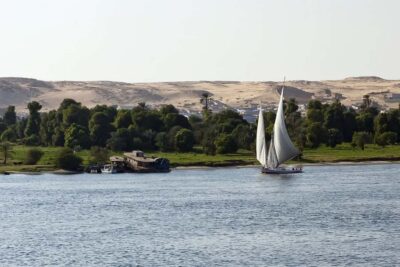
1 or 2-Hour Felucca Ride on the Nile with Transfers
Read our review →Browse the lists this tour appears in