Reviewed · CAIRO TOURS
Siwa Oasis private all inclusive from cairo and GIZA
Siwa is the kind of place that makes Egypt feel much bigger than Cairo, Luxor, and the Nile Valley. After a long drive west, you reach a palm-filled oasis surrounded by sand, salt water, springs, and ancient ruins. The best part comes on the first afternoon: a 4×4 ride through the Great Sand Sea, followed by sand boarding and sunset tea in the desert.
I like that the tour handles the hard parts for you, including the long road from Cairo and local transport around Siwa. I also like the mix of ancient sites and swimming stops, from the Oracle Temple to floating in a salt lake and relaxing in Cleopatra’s Pool.
The main drawback is simple: the drive takes about eight hours each way, so this is not a quick side trip. You should also confirm exactly which meals and camp arrangements are included before booking, since the description calls the trip all-inclusive while the detailed inclusions specifically list two lunches and three breakfasts.
Key points to know before booking
- The Great Sand Sea is the headline adventure: Ride a desert 4×4, try sand boarding, and watch the sun drop over the dunes.
- The road trip is a serious commitment: The return drive to Cairo takes about eight hours, with two rest-house stops.
- Siwa mixes water and desert: Swim in a cold natural lake, float in salty water, and visit hot springs surrounded by palms.
- The history is unusually varied: You see a 13th-century mud-brick fortress, ancient tombs, and a 6th-century BC temple.
- The tour is private: Only your group takes part, allowing the day to feel more personal than a large coach trip.
- The camp is part of the appeal: Dinner, stargazing, meditation, and a night beside a hot spring give the first evening a special rhythm.
Why Siwa is worth the long road from Cairo
Siwa sits in western Egypt, far from the usual sightseeing circuit. That remoteness is both the trouble and the reward. You spend a large part of the trip in the vehicle, but you also reach a place with a distinct local culture, wide desert scenery, salt lakes, palm groves, and old stone and mud-brick sites.
At $285.72 per person, the price needs to be judged against what is bundled into the trip. You receive pickup from Cairo or Giza, an air-conditioned vehicle, a private arrangement, a 4×4 desert vehicle, accommodation, and meals as described. You would have to arrange a long-distance transfer, local drivers, desert activities, accommodation, and sightseeing separately to create the same trip.
The value is strongest if you are traveling with family or a small group and want one operator to manage the moving parts. It is less attractive if you dislike long road journeys or prefer to spend your Egypt holiday close to the major monuments.
The private format matters here. Siwa is spread out, and the best springs, lakes, desert areas, and historic sites are not all within easy walking distance. A private vehicle also gives your group a more relaxed setting than a large bus, although the exact amount of flexibility should be discussed with the operator.
A few other Cairo days to weigh up
- Cairo: Pyramids & Great Sphinx Private Tour with Camel Ride
★ 4.9 · 6,335 reviews - Cairo 8 Hour Private Tour of Pyramids, Egyptian Museum and Bazaar
★ 5.0 · 2,931 reviews - Private ViP all-inclusive Giza Pyramids,Sphinx,Inside Pyramid
★ 5.0 · 2,448 reviews
The first day: dunes, sand boarding, and a night under the stars
The journey begins with pickup in Cairo or Giza and a drive west toward Siwa. The day is largely about reaching the oasis, so bring patience. The route is long, and the return trip is long too, but the change in scenery helps explain why Siwa feels so different from Cairo.
Once you arrive, the tour shifts from road transport to desert adventure. A 4×4 safari vehicle takes you into the Great Sand Sea, where you can ride over the dunes and try sand boarding. This is not a museum visit or a slow sightseeing stop. It is the part of the trip that gives you dust, motion, open space, and a little adrenaline.
Sand boarding is included, but no skill level is given, so you should expect an informal activity rather than a formal lesson. Wear clothes that can handle sand, protect your eyes, and keep water close. The itinerary allows about two hours for this desert section, including time to watch the sunset.
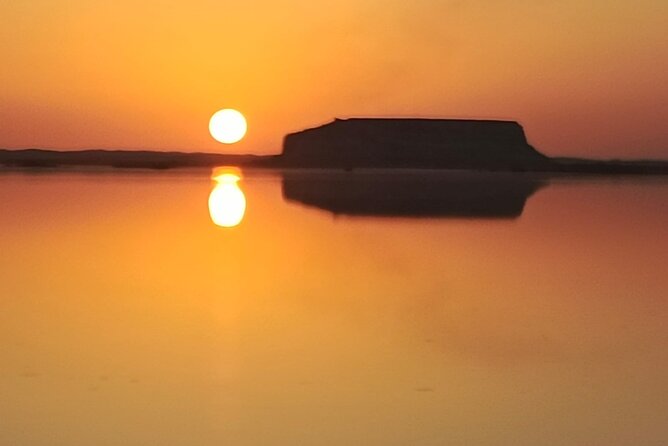
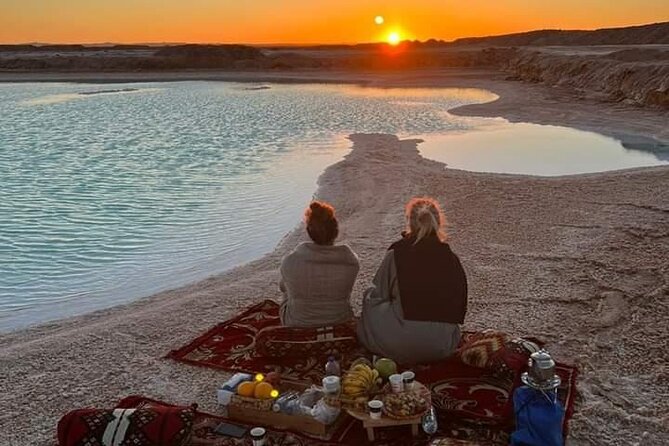
The sunset stop comes with Siwan tea and snacks. That small detail is important. Instead of treating the desert as a quick photo stop, the tour gives you time to sit, drink tea, and let the light change across the dunes.
After the desert, you visit a cold natural lake in the middle of the desert. You have about 30 minutes for a swim. This is a good contrast with the hot, dry surroundings, but you should be ready for a short stop rather than a long beach afternoon.
Another 30-minute stop takes you to hot spring water said to come from about 1,000 meters below the ground. The contrast between cold lake water and warm spring water is one of Siwa’s pleasures. The schedule describes this as a spring stop, so ask your guide whether swimming is planned there on your departure date.
Dinner follows at a hot-spring camp. The evening includes stargazing and meditation, with an overnight stay at the desert camp. Sleeping beneath the stars is a memorable idea, but comfort levels can vary at desert camps. Ask in advance about bedding, bathrooms, electricity, and whether you will sleep in a tent or an open-air setup.
The itinerary describes dinner at the camp, while the formal inclusion list names two lunches and three breakfasts. That difference is worth clearing up before you pay. The same applies to the $10 per person needed for desert entry permits. It is an extra charge and should be included in your budget.
Shali Fortress and the story of old Siwa
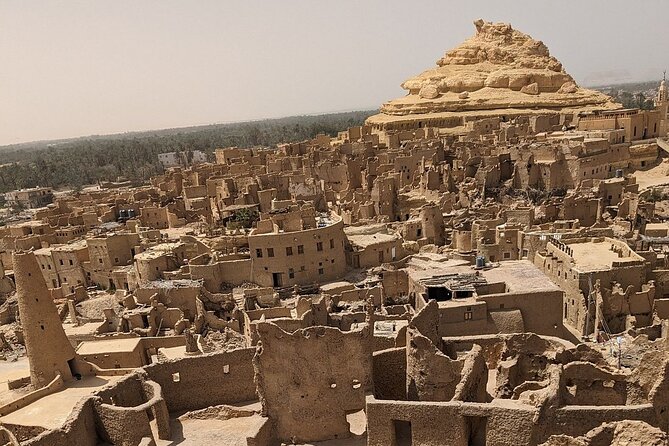
Day two starts at 9:00 a.m. in central Siwa with Shali Fortress. The remains rise in irregular, rounded forms above the town. The fortress was built in the 13th century from kershef, a local building material made from chunks of salt from the nearby lake, mixed with rock and coated in local clay.
The construction tells you something useful about Siwa. This was not simply an isolated desert settlement. Its people developed building methods suited to local materials and the harsh climate. The fortress once reached four or five storeys and housed hundreds of people.
A path leads across the remains and past the Old Mosque, whose minaret has a chimney-like shape. From the top, you get broad views over the oasis. Allow about 50 minutes. The ground is uneven among the ruins, so sensible shoes will make the visit easier.
Next comes the Mountain of the Dead, a conical hill covered with tombs. The burials date from Egypt’s 26th Dynasty and from Greek and Roman periods. Tombs cover the base, terraces, and sides of the hill, giving the site a very different mood from the open desert.
You have about an hour here. The stop is valuable because it shows how many layers of history are packed into Siwa. It is also a place where you should follow local instructions about which areas you may enter and photograph.
The Oracle Temple and Alexander’s Siwan connection
The Temple of the Oracle sits in the ruins of Aghurmi village. Built in the 6th century BC, probably over an earlier temple, it was dedicated to Amun, also associated with Zeus or Jupiter Ammon.
This is the historic centerpiece of the second day. The temple was a symbol of Siwa’s wealth and influence, and tradition holds that Alexander the Great was declared the son of Amun here. You get about an hour at the site, enough time to look around without rushing through the visit.
I like this stop because it connects remote Siwa to the wider ancient Mediterranean world. It also gives the day a strong sense of place. You are not just looking at old stones. You are seeing the remains of a religious center that once carried political and spiritual weight.
Same base, a completely different day out:
- Tour to Giza Pyramids and The Egyptian Museum
★ 5.0 · 6,016 reviews - VIP All inclusive Best of the best Giza Pyramids,Sakkara,Memphis
★ 5.0 · 3,164 reviews - From Cairo: Pyramids of Giza, Sphinx, Saqqara & Memphis Tour
★ 4.7 · 3,110 reviews - From Cairo: Half-Day Tour to Pyramids of Giza and the Sphinx
★ 4.6 · 2,891 reviews
Salt lakes, Cleopatra’s Pool, and warm springs
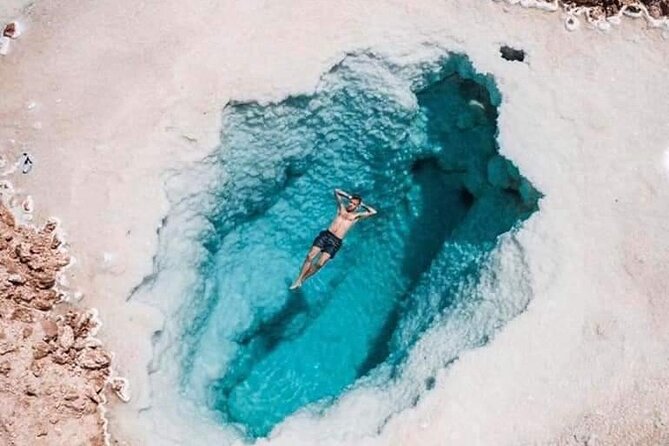
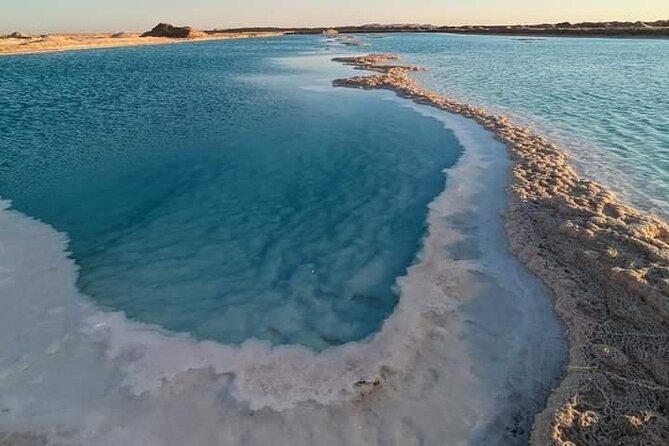
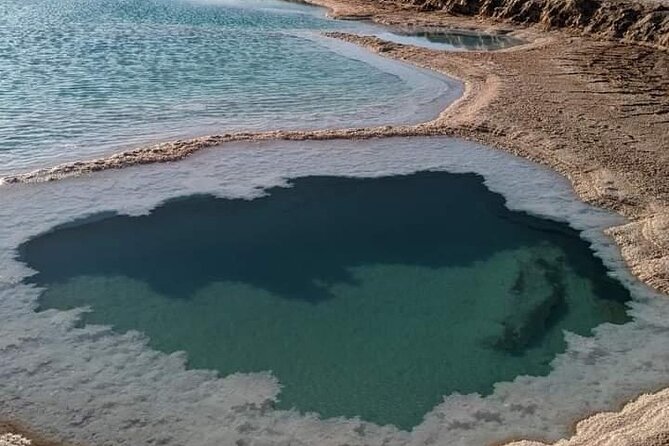
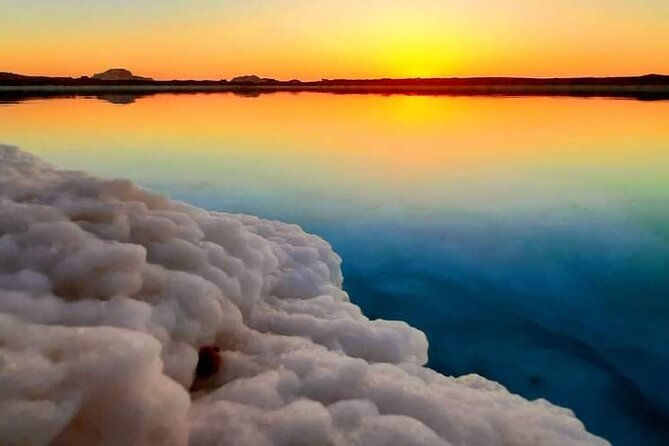
The Siwa Salt Lake Lodge provides one of the trip’s most unusual water stops. The lake has a high salt content, so you float naturally when you swim. The clear blue water and desert setting make this a fun, easygoing break after the morning’s ruins.
The stop lasts about an hour. Salt water can sting your eyes and irritate small cuts, so take care when swimming. The description refers to supposed benefits for eyes, skin, and sinuses, but you should treat those as local wellness claims, not medical advice.
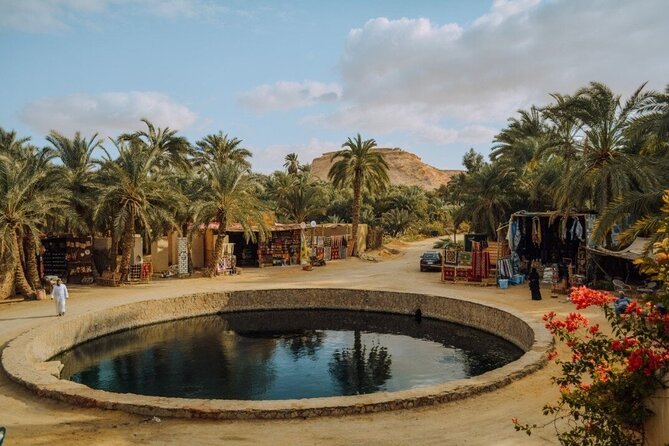
Cleopatra’s Pool is another hour-long stop. This stone pool is fed by a natural hot spring and is linked by local tradition to the Egyptian queen’s visit to Siwa. You can swim here, making it a useful place to cool off after sightseeing.
The pool’s value is less about proving the Cleopatra story and more about the setting. A warm spring among the palms is a pleasant way to experience Siwa’s water culture. If you prefer quiet historical sites, this stop may feel more social and recreational than the tombs or temple.
Later, the tour visits Hayaat Siwa hot spring, also described as Fantasy Island. The pool sits on a small island in the salty Birket Siwa, reached by a narrow causeway. Palm trees and greenery surround the water, and there is a small café serving tea or juice.
The schedule gives you about 50 minutes here and includes sunset views. You can also ride a paddle boat. This is a slower stop, with time to sit, take in the palms, and watch the sky change rather than rush from one attraction to the next.
A closer look at Siwan culture
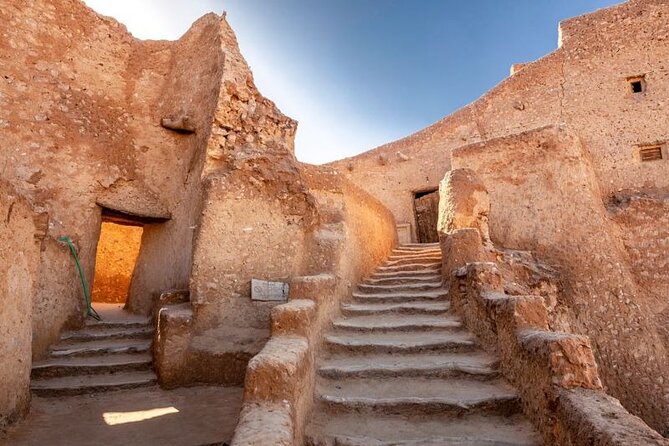
The Traditional Siwa House offers a short introduction to local culture and history. You spend about 30 minutes learning about the Siwan people and the character of the oasis.
Because the visit is brief, you should see it as an introduction rather than a full cultural program. Still, it helps balance the day. Siwa is not only dunes and ruins. It is a living community with its own customs, food, building traditions, and relationship with the springs and lakes.
Food is another part of that local connection. The experience describes local meals, and one direct account praised the food as delicious. Since the listed meal details are not perfectly consistent, confirm whether dinner and all camp meals are covered. Tipping is not mandatory, though it is appreciated.
The final morning and the long return to Cairo
The third day begins with a short walking tour of Siwa town. The listed duration is only about 10 minutes, so do not expect a full morning of market browsing or extended cultural visits. It is more of a final orientation before the drive back.
The trip to Cairo takes around eight hours and includes two stops at rest houses. That makes the return day mostly a transport day. Plan your energy accordingly, especially if you have a flight or another fixed appointment after arrival.
The air-conditioned vehicle is a practical benefit. You will spend many hours inside it, and the private arrangement means your group does not have to coordinate with a large busload of people. Even so, Siwa works best when you have at least a little tolerance for long stretches on the road.
What the guiding and service are like
The names Sayed, Khaled, and Mohamed appear in direct accounts of the service. Sayed is described as a guide who helped make solo travel feel easy, while Khaled is identified as a driver and Mohamed as a guide in other accounts. One account also describes Mohamed finding secluded salt pools, though that should not be treated as a guaranteed part of every departure.
The strongest service theme is personal care. The tour is private, and the guides are expected to manage the transitions between Cairo, the desert, the springs, and the historic sites. That matters in Siwa because the schedule covers a wide area and some stops are remote.
You should still ask practical questions before departure. Confirm pickup time, the exact camp setup, meal coverage, desert permit costs, and the plan for swimming stops. Good communication is especially useful when the itinerary contains different descriptions of what is included.
Who should book this Siwa trip?
I would choose this tour if you want to see a less familiar side of Egypt and do not want to arrange the complicated transport yourself. It suits couples, families, solo visitors who want private support, and small groups looking for a mix of outdoor fun, history, swimming, and local food.
It is also a strong choice if the thought of sleeping at a desert camp appeals to you. The overnight stay, stars, hot spring, tea, and sunset give the trip a clear sense of occasion.
I would hesitate if you have only a few days in Egypt, dislike long drives, or need a highly polished resort-style stay. You should also think carefully about the timing. The trip includes many stops, so some visits are short and the final day is mostly spent in the vehicle.
The experience has a five-star rating from 75 reviews, with 100 percent recommending it. That is a strong service record, and the most praised details are consistent: friendly guides, careful support for solo visitors, enjoyable local food, the 4×4 desert ride, secluded salt pools, and the hot-spring camp at night.
Should you book it?
Book this Siwa trip if you want adventure and atmosphere more than convenience. The eight-hour road journey is real, but it leads to one of Egypt’s most unusual settings: salt lakes and palms in the desert, ancient sacred sites, dune rides, and a night beneath the stars.
Before booking, confirm the meal list, camp facilities, and the separate $10 desert permit charge. If those details suit you, the price offers good value for a private three-day escape that would be difficult to arrange on your own. Free cancellation is available up to 24 hours before the start time, while cancellations within 24 hours are not refunded.
FAQ
How long does the Siwa tour last?
The tour lasts approximately three days and includes two nights away from Cairo.
Does the tour include pickup from Cairo and Giza?
Yes. Pickup is offered, and air-conditioned transport from Cairo is included.
How long is the drive from Siwa back to Cairo?
The return drive takes around eight hours and includes two stops at rest houses.
Is accommodation included?
Yes. The experience includes an overnight stay at a hot-spring desert camp, with the first evening featuring dinner, stargazing, and meditation.
What meals are included?
The formal inclusions list two lunches and three breakfasts. The itinerary also describes dinner at the hot-spring camp, so confirm the exact meal arrangements before booking.
Is the tour private?
Yes. Only your group participates in the activity. A 4×4 desert vehicle is used for dune bashing and sand boarding.
New on the Cairo list
- Private Half Day Tour to Giza Pyramids & Great Sphinx from Cairo★ 5.0 · 26 reviews
- Private Tour Giza Pyramids Wonders All inclusive★ 5.0 · 26 reviews
- Private Tour To Pyramids of Giza Memphis Saqqara With Lunch★ 5.0 · 26 reviews
- 2 days 1 night Luxor,Aswan & Abu simbel by flight from Cairo★ 4.5 · 26 reviews
- Private Day to Giza Pyramids, Egyptian Museum and camel sunset★ 5.0 · 26 reviews
- Siwa Oasis Tour 3 Day 2 Nights from Cairo★ 5.0 · 26 reviews
- VIP Cairo Day Trip Coptic Orthodox Church & Islamic Old Mosques★ 5.0 · 26 reviews
- Cairo sailing boat Tours on the Nile by felucca★ 4.0 · 26 reviews
Cairo Tours, compared.
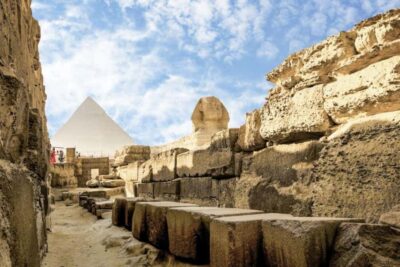
Pyramids & Great Sphinx Private Tour with Camel Ride
Read our review →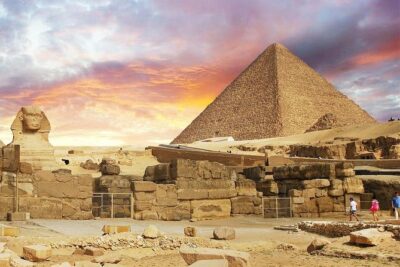
Tour to Giza Pyramids and The Egyptian Museum
Read our review →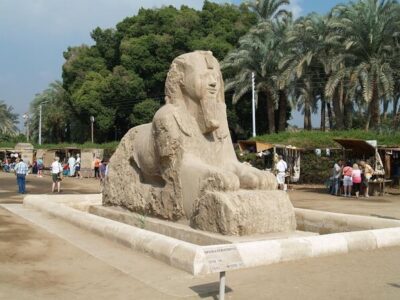
VIP All inclusive Best of the best Giza Pyramids,Sakkara,Memphis
Read our review →
Pyramids of Giza, Sphinx, Saqqara & Memphis Tour
Read our review →
Cairo 8 Hour Private Tour of Pyramids, Egyptian Museum and Bazaar
Read our review →
Half-Day Tour to Pyramids of Giza and the Sphinx
Read our review →