Reviewed · GIZA PYRAMIDS & SPHINX TOURS
Pyramids of Giza and Great Sphinx: Private Half-Day Tour
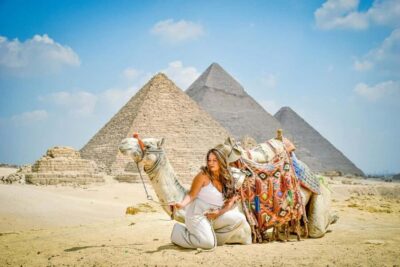
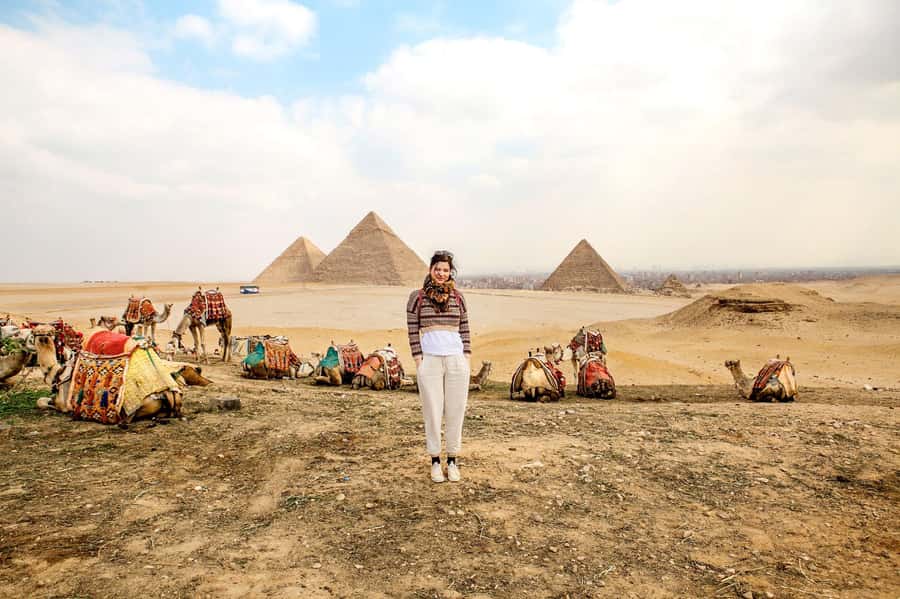
The first sight of the Pyramids of Giza is still a shock. These giant stone monuments were built around 2560 to 2540 BC, yet a private guide can make the site feel less like a photo stop and more like a puzzle you can understand. You will see all three main pyramids, the Great Sphinx, and the Valley Temple in four hours.
I like the private format, since you can ask questions, set your own pace, and spend extra time on the sights that matter most to you. I also like the included hotel pickup, air-conditioned transport, entrance fees, and guide, which remove much of the guesswork. The main drawback is time: four hours gives you a strong introduction, but not a slow, all-day study of every part of the plateau.
Key points to know before booking
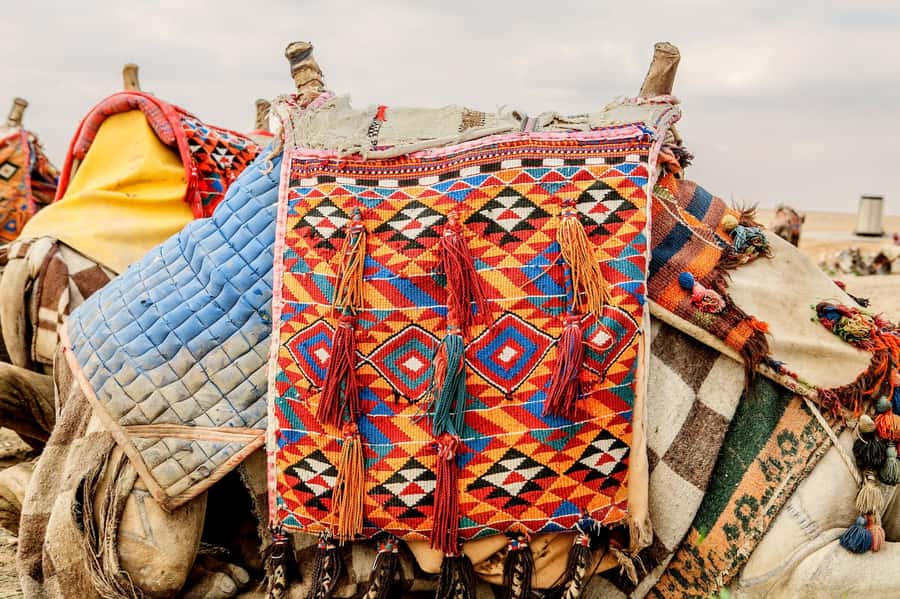
- A private guide makes a difference: Guides including Abo El Khir, Yasser, Hammi, Ahmed, and Tharwat have been praised for clear explanations, patience, and help with photographs.
- The main Giza sights fit into four hours: You visit Cheops, Chephren, Mykerinos, the Great Sphinx, and the Valley Temple.
- Hotel pickup is included: Collection and return are available from hotels in Cairo or Giza, with transportation provided.
- Entrance fees are covered: The price includes listed entrance fees, parking, taxes, and service charges.
- You can ask for practical help: Guides have assisted with photo angles, site navigation, tickets for entering the Great Pyramid, and advice for older visitors and families.
- Prepare for sun and uneven ground: Comfortable shoes, sunglasses, water, and a hat are sensible additions, even though only a passport or ID card, comfortable shoes, and sunglasses are formally listed.
Why a private visit works well at Giza
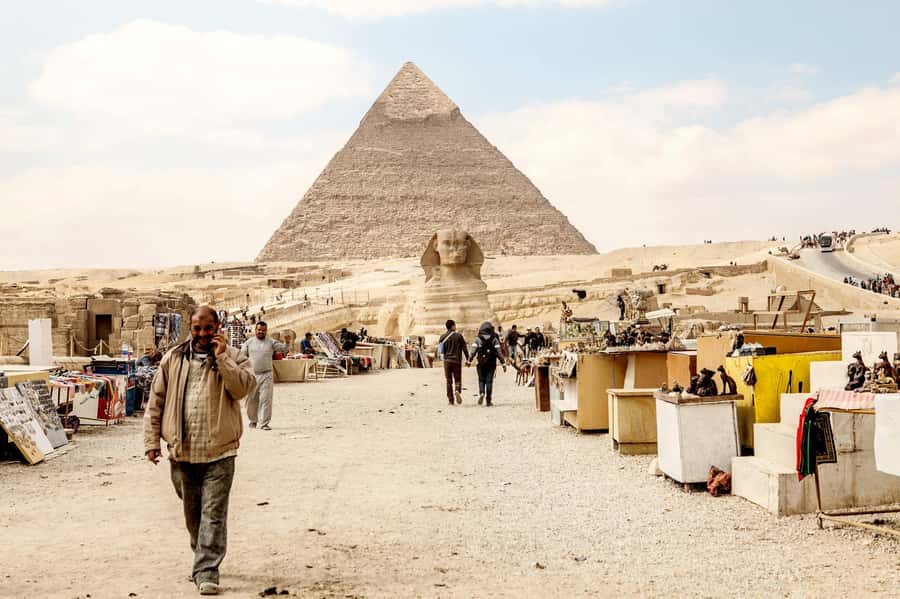
Giza is not a single monument. It is a large complex of pyramids, temples, viewpoints, roads, and open ground. Without context, you can easily spend your time taking pictures while missing how the pieces fit together.
A private Egyptologist guide gives you someone to connect the dots. You can ask why the pyramids were built, how the stones were moved, what each structure was used for, and how the pharaohs of the Fourth Dynasty shaped the site. The guide can also adjust the amount of detail. If you are fascinated by ancient engineering, you can ask for more. If you are traveling with children, the explanation can be kept lively and simple.
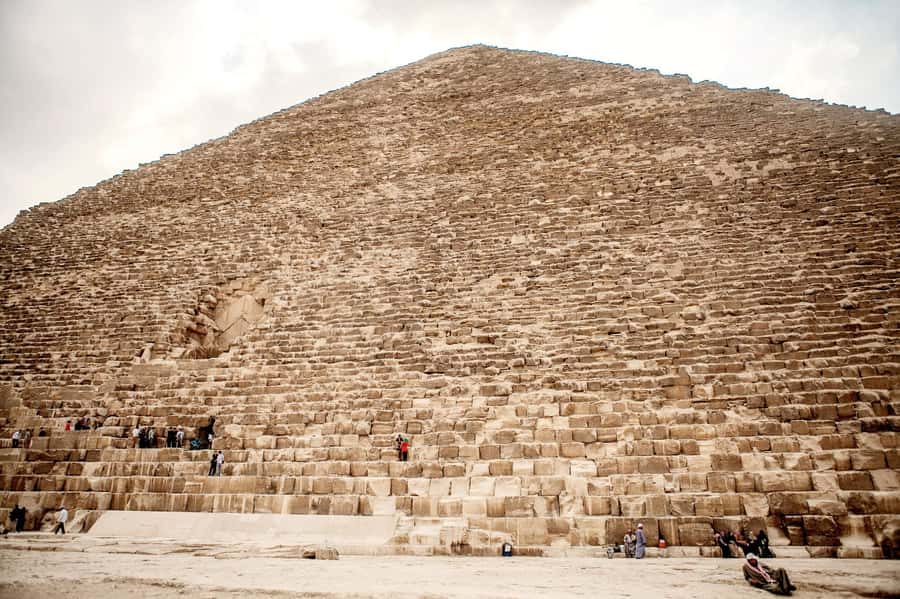
I find this especially useful at a site where the scale is hard to grasp. The Great Pyramid of Cheops reaches about 481 feet, and it took roughly 20 years to build. The familiar photograph does not prepare you for the size of the stone blocks or the sheer amount of work involved.
A private tour is also helpful for a short stop in Cairo. You do not need to arrange a taxi, work out where to buy entry tickets, or figure out the best order for the sights. Pickup from your Cairo or Giza hotel is included, and transportation, parking, taxes, and service charges are covered in the stated price.
A few other Cairo days to weigh up
- Cairo: Pyramids & Great Sphinx Private Tour with Camel Ride
★ 4.9 · 6,335 reviews - Tour to Giza Pyramids and The Egyptian Museum
★ 5.0 · 6,016 reviews - VIP All inclusive Best of the best Giza Pyramids,Sakkara,Memphis
★ 5.0 · 3,164 reviews
The drive from Cairo to the Giza Plateau
Your guide and driver collect you from your hotel, then take you to the Giza Plateau. The exact pickup time depends on availability when you book, so check the starting options carefully.
The drive is more than a transfer. One guide, Abo El Khir, was praised for explaining Cairo and Egypt during the ride to Giza. That kind of introduction helps you arrive with a basic sense of the city, the ancient sites, and the country’s customs.
Transportation is listed as included, and past bookings describe air-conditioned vehicles. That matters in Egypt, especially during the hotter months. One visitor specifically advised bringing water, and I agree. The plateau is exposed, with little shade in the open areas, so sunglasses and a hat are useful even on a short visit.
The tour is private, but the vehicle type and exact seating arrangements are not specified. If you need a particular setup, ask when arranging the tour.
Seeing Cheops, the largest pyramid
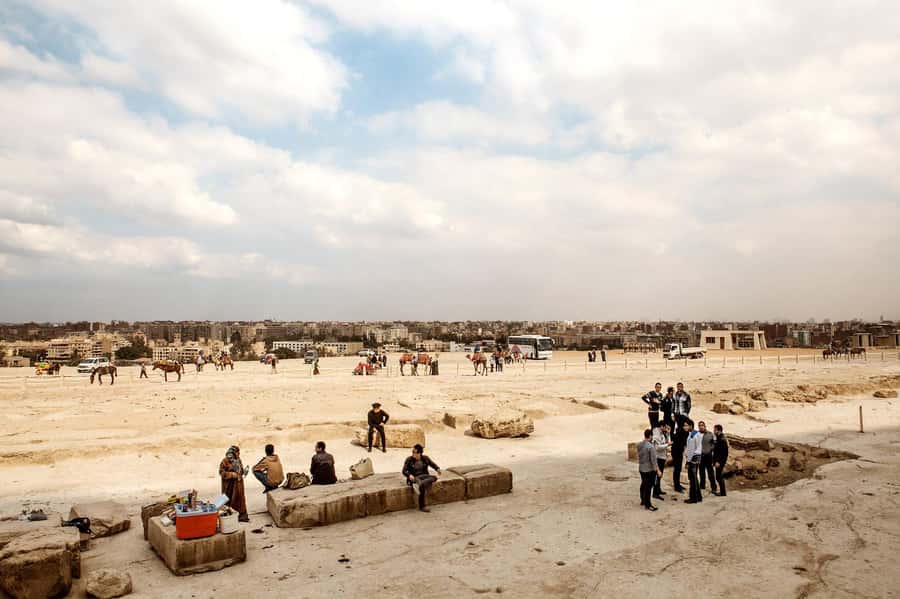
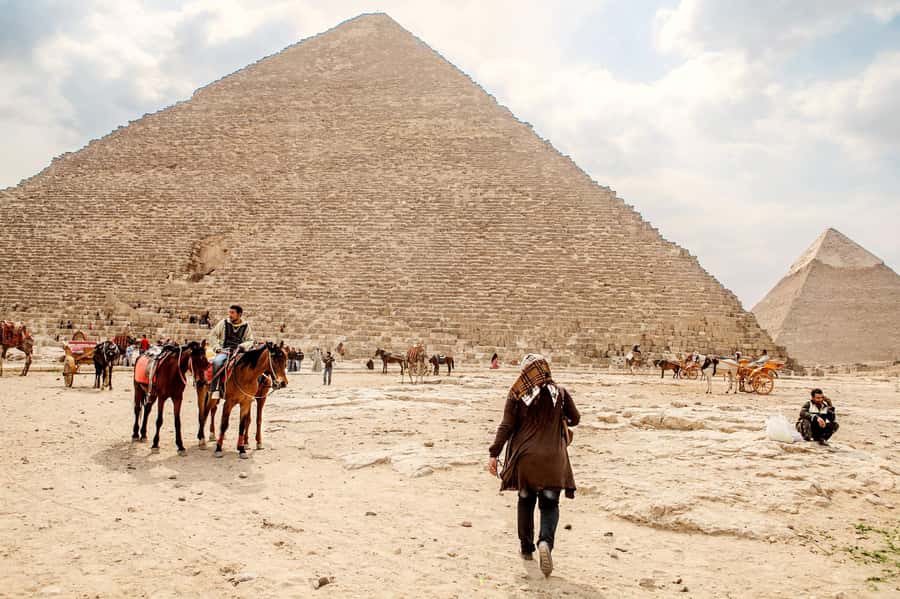
The Pyramid of Cheops, also called Khufu or the Great Pyramid, is usually the emotional center of a Giza visit. It was the largest of the three royal pyramids and is the only surviving member of the traditional Seven Wonders of the Ancient World.
Your guide explains its construction, purpose, and place in the wider complex. You can expect the focus to include the tools and techniques used by ancient Egyptian builders, the labor required, and the time involved. The stated estimate is around 100,000 laborers working for about 20 years, though the exact organization of the workforce remains a subject of study.
The tour information says entrance fees are included, but it does not specifically confirm that admission inside the Great Pyramid is part of the standard price. Some past visitors entered Cheops by arranging the necessary ticket, while others focused on the exterior. If going inside is important to you, ask before booking exactly what the included entrance covers and what extra payment, if any, is needed.
Going inside is physically demanding. The passages and chambers require climbing, and one booking included a 75-year-old visitor who was helped around the complex and still managed to reach the burial chamber. That example shows the value of private transport and a flexible guide, but it should not be taken as a promise that the interior will feel easy for everyone.
Comparing Chephren and Mykerinos
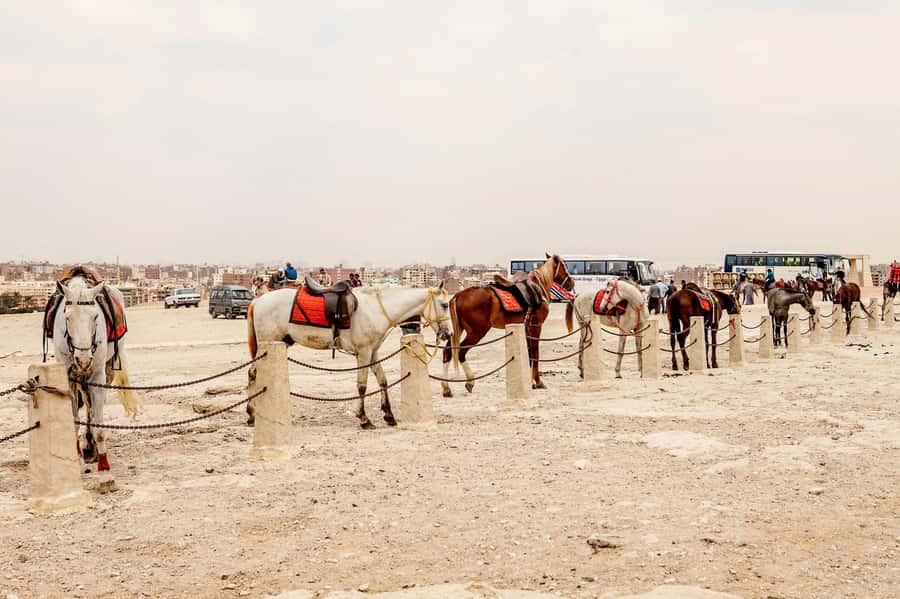
After Cheops, the tour continues to the Pyramid of Chephren, also known as Khafre, and the smaller Pyramid of Mykerinos, or Menkaure. Seeing all three helps you understand the group as a planned royal complex rather than three unrelated monuments.
Chephren can look taller than Cheops from some angles because it sits on higher ground. Its upper section is also famous for retaining some of its smooth outer casing. Your guide can point out these details and explain how the pyramid’s position affects what you see.
Mykerinos is much smaller, but that does not make it unimportant. Its scale gives you a useful comparison with the two larger pyramids and shows that royal tombs did not all follow exactly the same proportions.
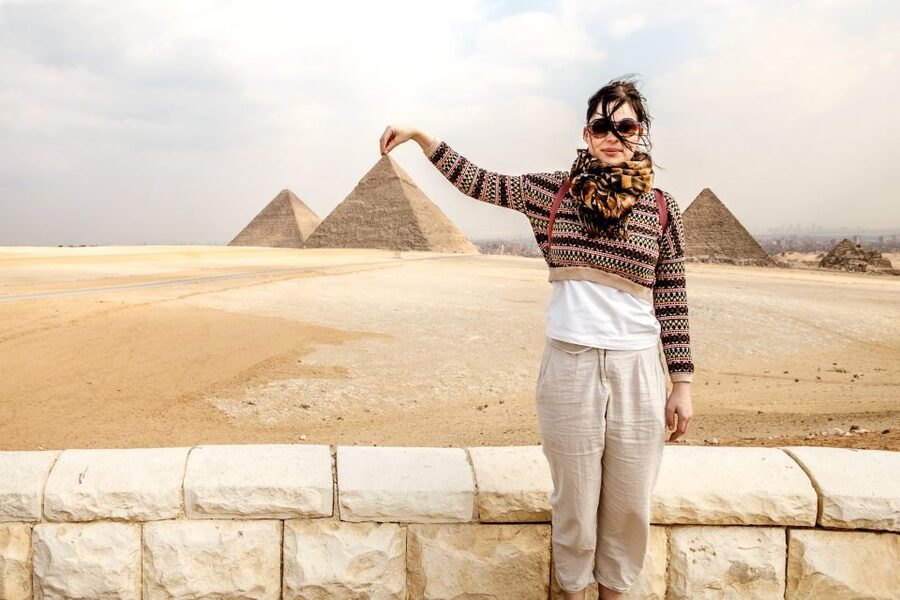
The open plateau provides some of the best wide views. Guides named in past bookings, including Abo El Khir and Ahmed, were praised for knowing useful photo locations and taking pictures for visitors. This can be a real benefit for solo visitors or couples who want more than hurried selfies.
Still, photo assistance depends on the individual guide. It is a pleasant extra, not the main reason to book. The stronger value is having someone explain what you are looking at while you move between the monuments.
Same base, a completely different day out:
- From Cairo: Pyramids of Giza, Sphinx, Saqqara & Memphis Tour
★ 4.7 · 3,110 reviews - Cairo 8 Hour Private Tour of Pyramids, Egyptian Museum and Bazaar
★ 5.0 · 2,931 reviews - From Cairo: Half-Day Tour to Pyramids of Giza and the Sphinx
★ 4.6 · 2,891 reviews - Cairo: Pyramids, Sakkara & Memphis Tour with Lunch
★ 4.6 · 2,493 reviews
The Great Sphinx and its weathered face
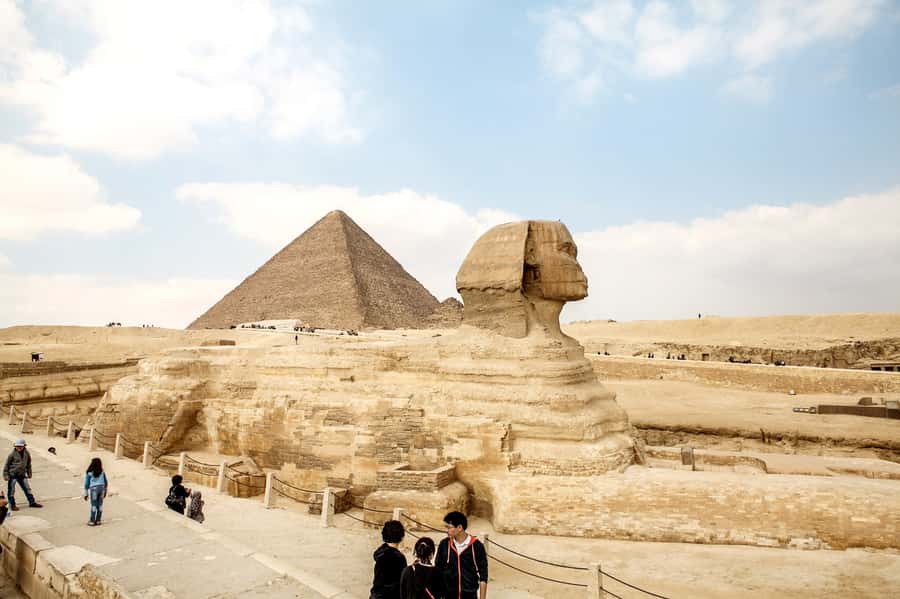
The Great Sphinx is one of the most recognizable sculptures on earth, but photographs often flatten its scale. In person, the lion’s body and human head create a powerful, slightly strange image. The statue faces across the valley, close to the pyramid complex and the Valley Temple.
Your guide explains the myths, legends, and theories connected with the Sphinx. You can also ask about its weathering, missing features, and long connection with royal power. The description identifies it as a colossal limestone statue, and the visit gives you time to study the carved face and body from the designated viewing areas.
This is another strong place for photographs. Guides have helped visitors arrange playful poses and find angles that include the Sphinx and pyramids together. If you prefer a quieter visit, say so. One past complaint concerned a guide physically moving a visitor into position for pictures. That is not acceptable, and you should expect directions to be verbal and respectful.
The Sphinx stop can feel shorter than the pyramid stops, but it often becomes the most memorable image of the tour. Take a moment to look beyond the camera. The worn stone, the low valley setting, and the massive scale are easier to appreciate when you are not rushing through a list of monuments.
The Valley Temple’s useful missing piece
The Valley Temple adds an important architectural element to the visit. It was part of the pyramid complex, not a separate attraction, and its connection to the pyramids helps explain how the royal funerary system worked.
Here, your guide discusses ancient Egyptian building methods and the purpose of the temple. The structure gives you a closer look at the organized spaces that supported the pyramid and royal burial rituals. It also helps fill in the gap between the enormous pyramid and the smaller details of ancient life.
The Valley Temple is especially valuable for visitors who want more than the famous exterior views. The pyramids dominate the eye, but the temple shows that the project included carefully planned buildings, routes, and ceremonies.
As with the rest of Giza, expect walking over uneven ground and exposure to the sun. The four-hour schedule keeps the visit manageable, but it is still worth wearing shoes with good support.
What guides add to the experience
The guide is the key variable in a private tour. The people named in past bookings include Yasser, Hammi, Tharwat, Ahmed, Eslam, Abu, Apo El Khir, and Abo El Khir. Guide assignments can change, so you should not assume a particular person will lead your visit unless the provider confirms it.
The strongest guide qualities are clear explanation, patience, and practical awareness. Several guides were praised for answering questions without overwhelming visitors. One guide adjusted explanations for two young girls and helped an older family member see the site by vehicle. Another helped a solo visitor with tickets, navigation, timing, and photographs.
That combination matters at Giza. You need ancient history, but you also need help dealing with the physical site, the heat, the walking, and the flow between separate monuments. A good guide can tell you when to listen, when to look, and when to step aside for your own photographs.
Guides may also offer extra stops, such as a papyrus art workshop or store. These additions appeared in past bookings, but they are not listed among the core stops and should not be treated as guaranteed. If you want only the pyramids, Sphinx, and Valley Temple, make that clear. If you are interested in a souvenir stop, ask what is available and how it affects your four-hour schedule.
The $65 price and what it covers
At $65 per person, this tour is priced as a convenient private introduction rather than a bare admission ticket. The listed inclusions cover an Egyptologist guide, transportation, entrance fees, parking, taxes, and service charges.
That package can be good value if you are staying in Cairo or Giza and want the logistics handled. A private vehicle and guide cost more than joining a large group, but you gain control over questions, pace, and photo stops. You also avoid paying separately for the listed basics.
The price is less compelling if you want a long archaeological visit or extensive time inside the pyramids. Four hours passes quickly, and the standard tour does not promise every interior area or every nearby museum. Think of it as a well-organized first look at the essential Giza sights.
The reserve-now-and-pay-later option adds flexibility, and cancellation is free up to 24 hours before the tour for a full refund. Those terms are useful when your Cairo schedule may change.
Language, comfort, and practical planning
Live guiding is available in English, Spanish, French, German, and Italian. Confirm your preferred language when booking rather than assuming it will be available at every starting time.
Bring your passport or ID card, as requested in the tour information. Wear comfortable shoes, since the itinerary includes walking around the plateau and the Valley Temple. Sunglasses are listed as essential gear, and I would add water and a sun hat based on the open conditions described by past visitors.
The private setup suits solo visitors, couples, families, and small groups with different energy levels. It can also work well for an older relative, since transportation around the site may reduce unnecessary walking. Still, entering the Great Pyramid involves tight, steep passages, so anyone with mobility concerns should discuss the plan with the provider first.
The tour can also suit a business visitor or someone with a short Cairo stop. One past booking was arranged between work meetings, showing how a four-hour visit can provide a useful introduction without taking an entire day.
Should you book this Giza tour?
Book it if you want the essential monuments explained by a private Egyptologist guide, with hotel pickup and the main costs bundled into one price. It is particularly useful for first-time visitors, solo travelers, families, older companions, and anyone who wants help with photographs and site logistics.
Think twice if you want to explore at a very slow pace, spend a long time inside the pyramids, or visit several additional museums in the same outing. Ask ahead about interior tickets, the assigned guide, and any optional stops.
For a focused first encounter with Cheops, Chephren, Mykerinos, the Great Sphinx, and the Valley Temple, this four-hour tour offers a practical balance of structure and personal attention.
FAQ
How long does the private Giza tour last?
The tour lasts four hours.
What sights are included?
The itinerary includes the Pyramids of Cheops, Chephren, and Mykerinos, the Great Sphinx, and the Valley Temple.
Is hotel pickup included?
Yes. Pickup is included from hotels in Cairo or Giza, along with transportation.
Which languages are available?
Live guiding is available in Spanish, English, French, German, and Italian.
Are entrance fees included?
Yes. Entrance fees, parking, taxes, and the service charge are included. The information does not specifically confirm whether a separate ticket for entering the Great Pyramid is included, so ask before booking if interior access matters to you.
What should I bring?
Bring your passport or ID card, comfortable shoes, and sunglasses. Water and a hat are also sensible for the exposed plateau.
New on the Cairo list
- Private Tour Giza Pyramids Wonders All inclusive★ 5.0 · 26 reviews
- Private Half Day Tour to Giza Pyramids & Great Sphinx from Cairo★ 5.0 · 26 reviews
- Private Tour To Pyramids of Giza Memphis Saqqara With Lunch★ 5.0 · 26 reviews
- 2 days 1 night Luxor,Aswan & Abu simbel by flight from Cairo★ 4.5 · 26 reviews
- Private Day to Giza Pyramids, Egyptian Museum and camel sunset★ 5.0 · 26 reviews
- Siwa Oasis Tour 3 Day 2 Nights from Cairo★ 5.0 · 26 reviews
- VIP Cairo Day Trip Coptic Orthodox Church & Islamic Old Mosques★ 5.0 · 26 reviews
- Full Day Private Tour to visit Old Coptic Cairo & Islamic Cairo★ 5.0 · 26 reviews
Giza Pyramids & Sphinx Tours, compared.
Pyramids & Great Sphinx Private Tour with Camel Ride
Read our review →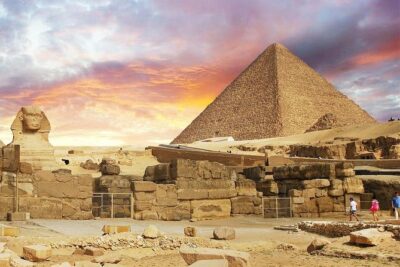
Tour to Giza Pyramids and The Egyptian Museum
Read our review →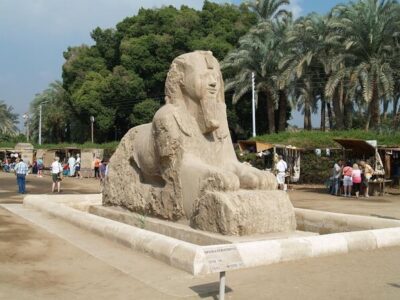
VIP All inclusive Best of the best Giza Pyramids,Sakkara,Memphis
Read our review →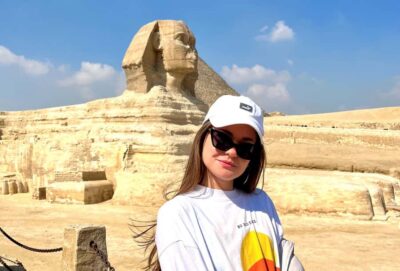
Pyramids of Giza, Sphinx, Saqqara & Memphis Tour
Read our review →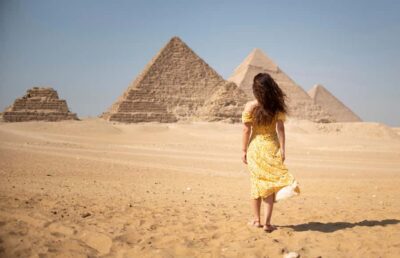
Half-Day Tour to Pyramids of Giza and the Sphinx
Read our review →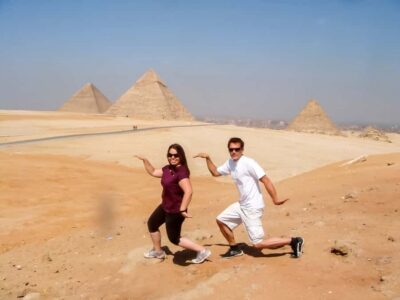
Private ViP all-inclusive Giza Pyramids,Sphinx,Inside Pyramid
Read our review →