Reviewed · GIZA PYRAMIDS & SPHINX TOURS
Giza pyramids, Sphinx, and the big museumum
The most useful thing about this tour is its story: you see Egyptian pyramid building develop from Djoser’s Step Pyramid to the Bent Pyramid, the Red Pyramid, and finally the great monuments at Giza. That gives the day a clear thread instead of treating each pyramid as a separate photo stop.
I like the private vehicle and hotel pickup, which make a long Cairo day easier, and I like the chance to go inside both the Red Pyramid and the pyramid of Cheops, if you choose to pay the added entrance fees. The main drawback is pace. With Saqqara, Dahshur, Giza, the Sphinx, and the big museum in roughly eight hours, this is a full day with little spare time.
Key things to know before booking
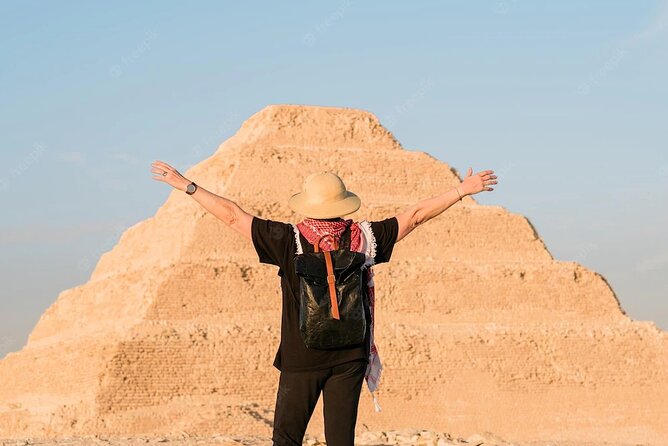
- The route explains pyramid development: See the Step Pyramid, Bent Pyramid, Red Pyramid, and Giza pyramids in one day.
- The Red Pyramid includes an inside visit: The narrow tunnels and chamber make this the most physical part of the day.
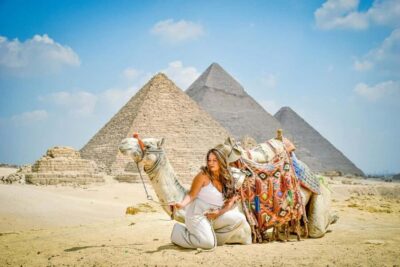
- Giza is the grand finale: Cheops, Khafre, Menkaure, and the Sphinx provide the famous views.
- Guide Morsi has earned praise: He is noted for clear explanations and taking good photos.
- The big museum adds coffins and royal objects: Expect statues, jewelry, gold, masks, and religious pieces.
- Entrance fees are extra: The advertised price covers the guide, vehicle, pickup, drop-off, and bottled water, not admission or tips.
Why the pyramid sequence makes sense
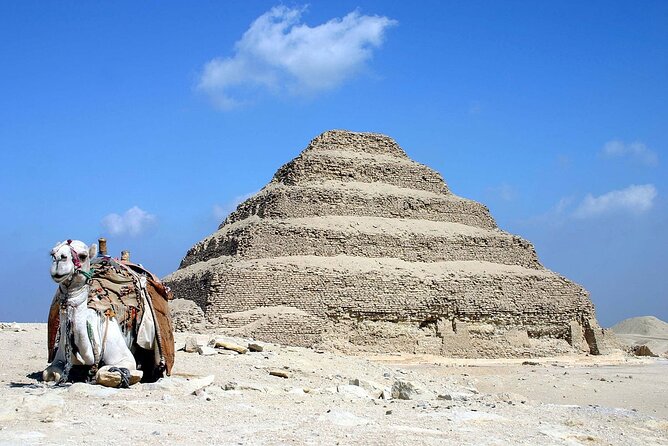
Many Cairo sightseeing days simply collect famous sites. This one works better as a lesson in design. You begin with the earliest pyramid form and finish at Giza, where the shape reached its most famous expression.
Your guide explains the ancient belief that a pyramid’s sloping sides helped the king rise toward Ra, the sun god and creator. The tour also connects the shape with stability and the preservation of the royal mummy. Some of the language used to explain ancient religion may be simplified, but the central idea is useful: the pyramid was both a tomb and a carefully planned religious symbol.
The order also helps you understand Snefru’s role. He was the father of Cheops and the ruler linked with both the Bent and Red pyramids. His buildings show the problems that had to be solved before the smooth-sided pyramid became successful at Giza.
That progression gives you more than a collection of enormous stones. You can see trial, correction, and refinement across several sites in a single day.
A few other Cairo days to weigh up
- Cairo: Pyramids & Great Sphinx Private Tour with Camel Ride
★ 4.9 · 6,335 reviews - Tour to Giza Pyramids and The Egyptian Museum
★ 5.0 · 6,016 reviews - VIP All inclusive Best of the best Giza Pyramids,Sakkara,Memphis
★ 5.0 · 3,164 reviews
Saqqara and Djoser’s six-step monument
The first major stop is the Pyramid of Djoser at Saqqara, described here as the oldest pyramid in the world. It was built around 3000 BC and has six visible levels, or steps.
The monument is tied to Imhotep, the architect credited with turning the royal tomb into a much larger stone structure. The guide explains that the Step Pyramid was an important stage in the move toward a smooth pyramid, even though it did not yet have the clean triangular form later used at Dahshur and Giza.
I find this stop valuable because it gives you a starting point. At Giza, it is easy to see only the final result. At Saqqara, you can discuss the earlier form and think about why builders wanted a taller, more unified shape.
Allow about two hours here, including transport and explanation. Admission is listed as free for this part of the route, but you should still confirm current access details when booking because Egyptian site rules and ticket arrangements can change.
The guide also connects Saqqara with early writing and royal burial customs. The description promises ancient writing, though it does not specify a particular inscription or room. If that topic matters to you, ask your guide exactly which writing examples you will see.
Dahshur’s Bent Pyramid and Red Pyramid
Dahshur shows the next stage in the experiment. The Bent Pyramid was built for Snefru and changes angle partway up. The lower section begins steeply, then the upper section becomes less sharp.
The explanation is simple and memorable: builders began with one angle, then adjusted it as the structure rose. That change gives the Bent Pyramid its unusual profile and makes it easy to understand as a work in progress rather than a strange design chosen for decoration.
The tour also includes the chance to enter the Bent Pyramid. The interior is empty, and the description presents the lack of royal possessions as part of the mystery of the site. Do not expect a furnished burial chamber. You are paying for the experience of moving through an old pyramid interior and seeing how the structure works from inside.
The Red Pyramid is the next important step. It is described as the first successful smooth-sided pyramid built for Snefru, with a more regular angle than the Bent Pyramid. Its reddish stone gives it a different look from the pale monuments at Giza.
Going inside the Red Pyramid is an adventure, but you should be ready for a demanding passage. The route includes tunnels and interior chambers, and the description notes that it can feel very cold inside. The entrance is not included in the tour price, so budget for it separately if you want to enter.
I would treat the Red Pyramid as one of the day’s best value add-ons for anyone interested in construction. The Giza pyramids are more famous, but Dahshur helps you see how the successful form came about.
Giza’s great pyramids and the scale of Cheops
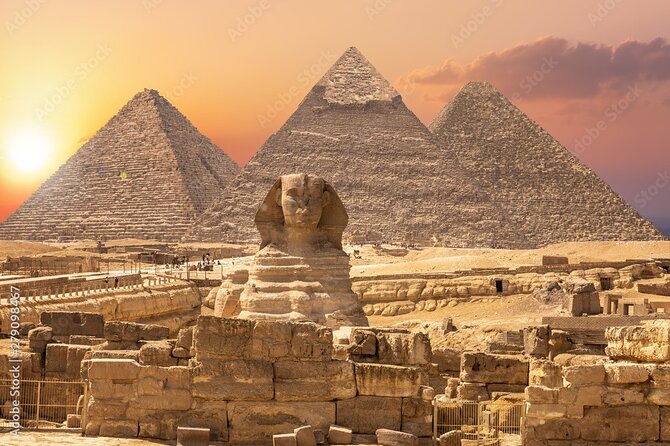
At Giza, the tour turns to the best-known royal tombs. Cheops, also called Khufu, built the largest pyramid. The supplied description associates it with about one million stones and roughly two million tons, figures that are best treated as broad traditional estimates rather than exact modern measurements.
The guide uses the Nile and the movement of stone to help you picture the work. You can only imagine the effort involved in transporting heavy blocks and organizing a building project of this scale. The tour does not promise a technical archaeological lecture, but it does cover the main stages of construction and the reason for the pyramid’s shape.
You are given about two hours in the Giza area. That sounds generous, but it must cover several viewpoints, explanations, photographs, and possibly an interior visit. If you want to enter Cheops, the extra admission fee is not included.
The pyramid interior is narrow, steep, and plain. You should choose it for the sense of moving through an ancient monument, not for decorations inside. The exterior is the real spectacle, especially when your guide steps back to show the size of the whole structure.
The tour description says Cheops was modeled partly on Snefru’s Red Pyramid, with improvements to the form. That link is one of the strongest reasons to visit Dahshur first. Giza becomes the result of earlier experiments rather than an isolated wonder.
Same base, a completely different day out:
- From Cairo: Pyramids of Giza, Sphinx, Saqqara & Memphis Tour
★ 4.7 · 3,110 reviews - Cairo 8 Hour Private Tour of Pyramids, Egyptian Museum and Bazaar
★ 5.0 · 2,931 reviews - From Cairo: Half-Day Tour to Pyramids of Giza and the Sphinx
★ 4.6 · 2,891 reviews - Cairo: Pyramids, Sakkara & Memphis Tour with Lunch
★ 4.6 · 2,493 reviews
Meeting the Sphinx and its damaged details
The Sphinx gets about an hour. It is described as a human-faced king with the body of a lion, combining intelligence and power. The monument is connected with Khafre, the king associated with the middle pyramid at Giza.
Your guide points out the missing nose and damaged beard, along with the fact that sand once covered much of the statue. You will also see the area described as Khafre’s sun temple, where worship centered on Ra at sunset and sunrise.
This stop is less about walking long distances and more about looking closely. Notice the scale of the paws, the massive stonework, and the way the Sphinx relates to the pyramids behind it. It is one of the day’s easiest places to take photographs, and Morsi has been specifically praised for helping with pictures.
The description also mentions a wishing well where you can throw in a small coin. Treat this as a local custom connected with the visit, not as a central historical feature. The important part is the monument itself and the symbolism of the human and lion forms.
One practical point: the Sphinx entrance is not included. The same applies to several pyramid interiors and other admissions. Ask for a clear list of optional fees before the day begins so the low advertised price does not surprise you later.
The big museum’s coffins, gold, and masks
The final museum visit adds a different kind of history. The pyramids show architecture and burial spaces. The museum lets you look at the objects placed around royal and religious life, including coffins, jewelry, gold, statues, masks, and pieces linked with different gods.
The description calls it the big museum but does not give a formal museum name or a detailed gallery plan. Because of that, you should confirm exactly which museum is included, along with its admission fee and the amount of time available inside.
The museum may feel hurried after the outdoor sites. That is not necessarily a flaw, but it changes how you should approach the visit. Pick a few objects to study closely rather than trying to absorb every display. Ask your guide to explain the pieces tied to burial, kingship, and religious belief.
This part is especially useful if you want context for the pyramids. A tomb is not only a stone building. Coffins, masks, gold, statues, and ritual objects reveal how ancient Egyptians thought about the king, the gods, death, and life after death.
What the $40 price really covers
At $40 per person, the tour is priced attractively for a private day with transport. The listed inclusions are private transportation, a tour guide, hotel pickup and drop-off, and bottled water.
That price is not the full cost of sightseeing. Entrance fees and tipping are extra, and the most interesting inside visits require additional admission. The total can rise once you add the Bent Pyramid, Red Pyramid, Cheops, the Sphinx, and the museum.
Still, the base price can be good value if you want one vehicle and one guide for a large route. Group discounts are offered, so the cost may work particularly well for families or friends traveling together. You also avoid arranging separate rides between Saqqara, Dahshur, Giza, and Cairo.
The private format matters. Only your group participates, so you can ask for more explanation at a site that interests you and move on sooner from one that does not. It also makes the hotel pickup and drop-off more useful than they would be on a fixed group bus.
The day is long. The stated duration is about eight hours, while the listed stops add up to several hours before counting Cairo traffic and transfers. Start at 8:00 am and expect an action-packed schedule.
Guide style, transport, and small practical points
Guide Morsi is the named guide associated with the strongest praise in the supplied material. He is described as good at explaining the sites and taking photographs. Another booking account notes that the operator stayed in contact, and that the driver and guide were helpful.
The company has also received one serious complaint about repeated messages after a booking confirmation. That is a small but real communication concern. If you prefer a quiet booking process, reply once with your hotel and pickup details, then ask the operator to confirm the final plan clearly.
Private transportation is included, and hotel pickup and drop-off are offered. Bottled water is provided, which is useful on a full day moving between open archaeological sites and underground passages.
A camel ride and food are mentioned in one account of the experience, but they are not listed among the standard inclusions. Do not assume they are part of every booking. Ask before paying for any extra activity, meal, or shopping stop.
The tour allows service animals, and most people can participate. The only clear physical warning is the interior pyramid visits, where narrow tunnels and steep passages may be difficult for some people.
Cancellation is free up to 24 hours before the start time for a full refund. Changes or cancellations inside that window are not accepted, and the tour may be rescheduled or refunded if its minimum number of participants is not reached.
Who should book this Cairo day
I would choose this tour if you want the full pyramid story in one day and value a private vehicle over a slow, unstructured visit. It suits first-time Cairo visitors who want Saqqara, Dahshur, Giza, the Sphinx, and a museum without arranging several separate outings.
It is also a good fit for anyone curious about architecture. The shift from Djoser’s steps to Snefru’s Bent and Red pyramids makes the day more thoughtful than a simple Giza photo stop.
I would hesitate if you want long, quiet museum time or a relaxed morning. The route covers a lot, and every extra interior ticket takes time. You should also confirm the museum name, current entrance costs, and any optional camel ride or meal before you commit.
Should you book this tour?
Book it if you want maximum site coverage in one private day, especially if you are traveling with family or a small group and plan to pay for selected interiors.
The strongest feature is the route. Seeing Djoser, the Bent Pyramid, the Red Pyramid, Giza, and the Sphinx in sequence gives you a clear sense of how Egyptian royal tombs changed. The big museum then adds the objects and beliefs behind the buildings.
Skip it if you want to spend most of a day at Giza alone or study museum collections at length. For everyone else, the $40 starting price is a sensible base value, provided you plan for entrance fees, tipping, a busy schedule, and the physical effort of entering the pyramids.
FAQ
How long does the tour last?
The experience lasts approximately eight hours and begins at 8:00 am.
Is hotel pickup included?
Yes. Hotel pickup and drop-off are included, along with private transportation.
Is this a private tour?
Yes. Only your group participates in the activity.
What is included in the $40 price?
The price includes private transportation, a tour guide, hotel pickup and drop-off, and bottled water.
Are entrance fees included?
No. Entrance fees are not included. Tipping is also excluded.
Can I enter the pyramids?
The route includes the opportunity to enter the Bent Pyramid and Red Pyramid, and an interior visit to Cheops is also mentioned. The required entrance fees are extra.
Is the big museum included?
The museum is part of the planned route, but the supplied details do not state that its admission fee is included. Confirm the current museum ticket cost before booking.
Can I cancel for a full refund?
Yes. You can cancel at least 24 hours before the local start time for a full refund. Cancellations or changes made less than 24 hours before the start time are not accepted.
New on the Cairo list
- Private Half Day Tour to Giza Pyramids & Great Sphinx from Cairo★ 5.0 · 26 reviews
- Private Tour Giza Pyramids Wonders All inclusive★ 5.0 · 26 reviews
- Private Tour To Pyramids of Giza Memphis Saqqara With Lunch★ 5.0 · 26 reviews
- 2 days 1 night Luxor,Aswan & Abu simbel by flight from Cairo★ 4.5 · 26 reviews
- Private Day to Giza Pyramids, Egyptian Museum and camel sunset★ 5.0 · 26 reviews
- Siwa Oasis Tour 3 Day 2 Nights from Cairo★ 5.0 · 26 reviews
- VIP Cairo Day Trip Coptic Orthodox Church & Islamic Old Mosques★ 5.0 · 26 reviews
- Cairo sailing boat Tours on the Nile by felucca★ 4.0 · 26 reviews
Giza Pyramids & Sphinx Tours, compared.
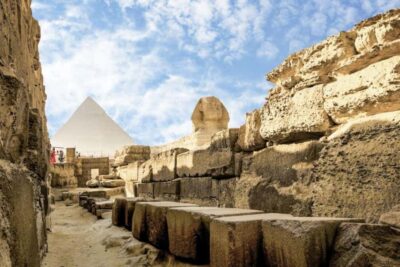
Pyramids & Great Sphinx Private Tour with Camel Ride
Read our review →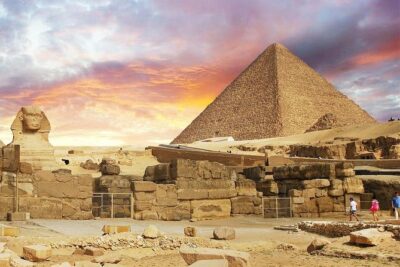
Tour to Giza Pyramids and The Egyptian Museum
Read our review →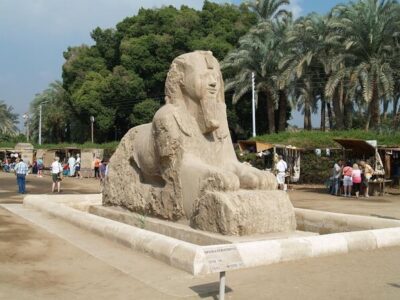
VIP All inclusive Best of the best Giza Pyramids,Sakkara,Memphis
Read our review →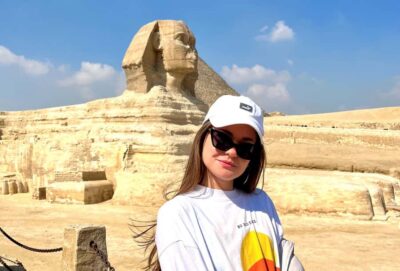
Pyramids of Giza, Sphinx, Saqqara & Memphis Tour
Read our review →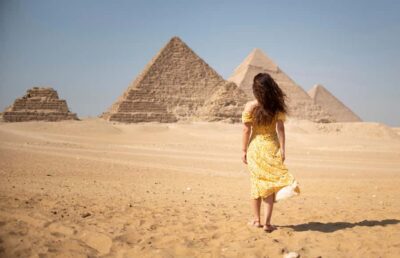
Half-Day Tour to Pyramids of Giza and the Sphinx
Read our review →
Private ViP all-inclusive Giza Pyramids,Sphinx,Inside Pyramid
Read our review →