Reviewed · GIZA PYRAMIDS & SPHINX TOURS
From Cairo/Giza: Pyramids, Memphis, and Sakkara Day Tour
The real strength of this experience is its broad view of ancient Egypt. You begin with the Great Pyramid of Khufu, then move backward through Memphis, Sakkara, and, on selected options, Dahshur to see how Egyptian pyramid design developed over time.
I like the reliable hotel pickup and the capable drivers, especially in Cairo’s famously unruly traffic. I also like the guides’ flexibility. Mohamed Saleh, Mou Fouraad, Ahmed, Soliman, and others have been praised for clear explanations, good photo advice, and giving visitors time at each stop.
The main drawback is that the day can become a shopping tour if you do not set limits early. Papyrus, oils, cotton, carpets, and bazaar visits may be offered, and one past booking skipped Memphis in favor of shops. Confirm your exact stops and say plainly if you want to focus on monuments.
Key points to know before booking
- Giza gives you the headline sights: See Khufu, Khafre, Menkaure, the Valley Temple, and the Sphinx.
- Sakkara adds the missing chapter: The Step Pyramid of Djoser shows the first major move from mastaba tombs toward pyramid design.
- Dahshur is the architectural bonus: The Bent Pyramid and Red Pyramid reveal Egypt’s early experiments with shape and structure.
- Private tours offer more control: You can choose languages, lunch, tickets, extra Cairo sights, and the pace of the day.
- Shopping stops need a clear boundary: They are optional, but you should confirm that before setting off.
- The VIP version is a full day: It covers all four archaeological areas, lunch, and a felucca ride on the Nile.
Why this route gives you more than a pyramid photo
A Giza-only visit shows you Egypt’s most famous monuments, but it can leave the pyramids feeling like isolated wonders. Adding Memphis and Sakkara gives you a useful story: Egypt’s builders did not simply wake up one morning and produce the Great Pyramid.
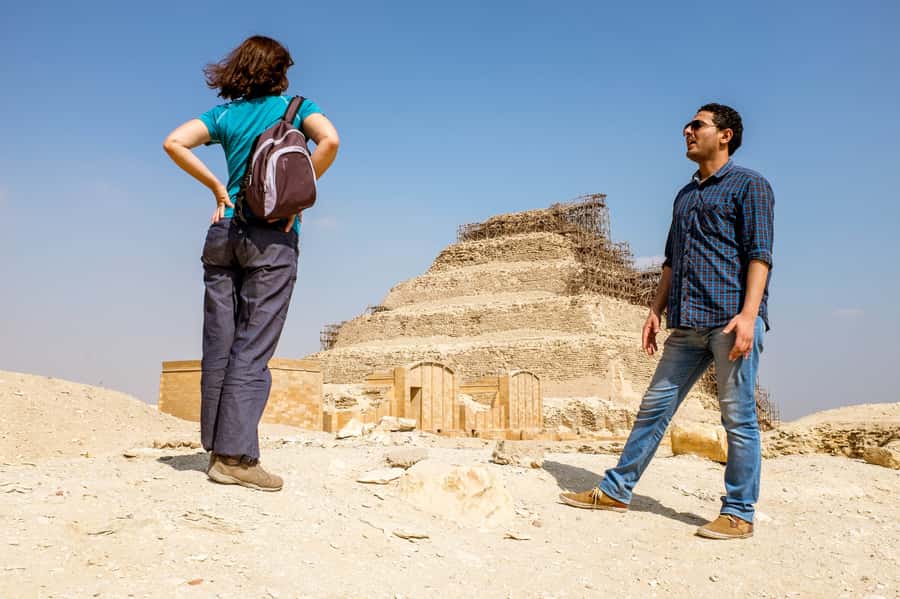
At Sakkara, you see the Step Pyramid of Djoser, generally regarded as the first pyramid. Its stacked design reflects an early stage in pyramid construction, and the surrounding tombs and buildings help explain how burial grounds worked as part of a larger religious world.
Dahshur takes that story further. The Bent Pyramid has a noticeable change in angle partway up, while the Red Pyramid is an early example of a true smooth-sided pyramid. If you enjoy architecture, engineering, or ancient problem-solving, Dahshur may be the most rewarding addition.
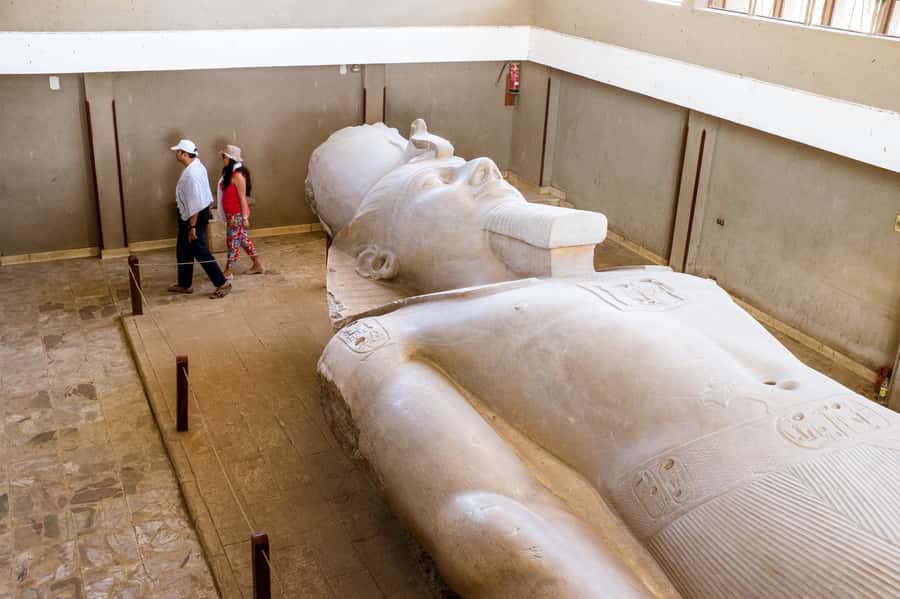
Memphis supplies the political context. Founded around 3,100 BC, it served as a capital and major cultural center for many dynasties. The colossal statue of Ramses II and the alabaster Sphinx are the key sights, though Memphis is more of a compact archaeological museum area than a vast ruined city.
I recommend the full route if ancient Egypt is your main reason for visiting Cairo. If you have only a few hours, Giza alone is still worthwhile, but the longer options make the day more coherent.
A few other Cairo days to weigh up
- Cairo: Pyramids & Great Sphinx Private Tour with Camel Ride
★ 4.9 · 6,335 reviews - Tour to Giza Pyramids and The Egyptian Museum
★ 5.0 · 6,016 reviews - VIP All inclusive Best of the best Giza Pyramids,Sakkara,Memphis
★ 5.0 · 3,164 reviews
Giza Plateau: start with Egypt’s great icons
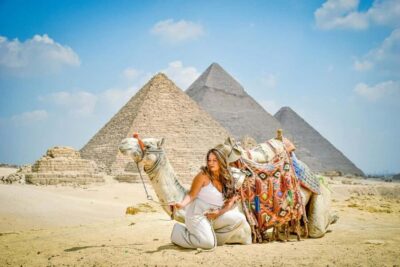
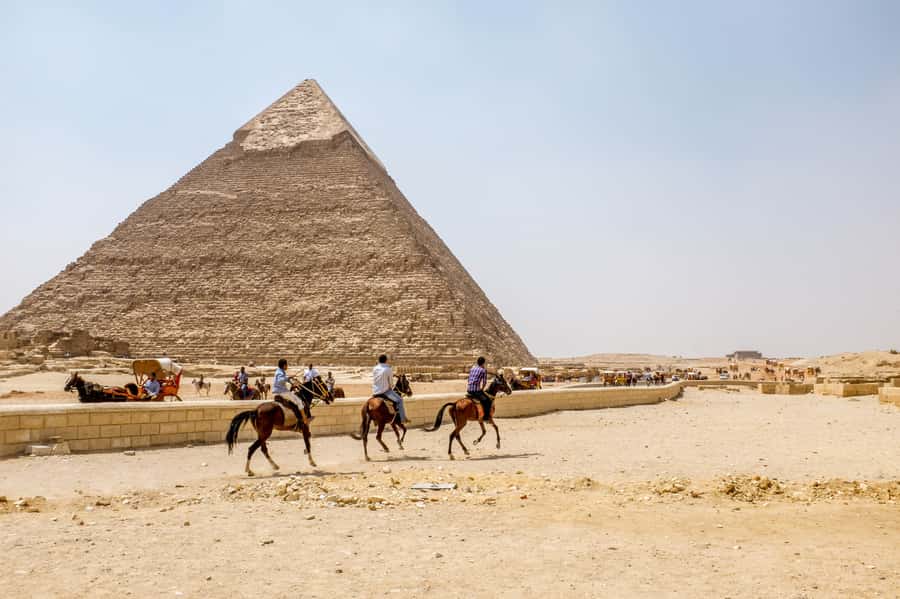
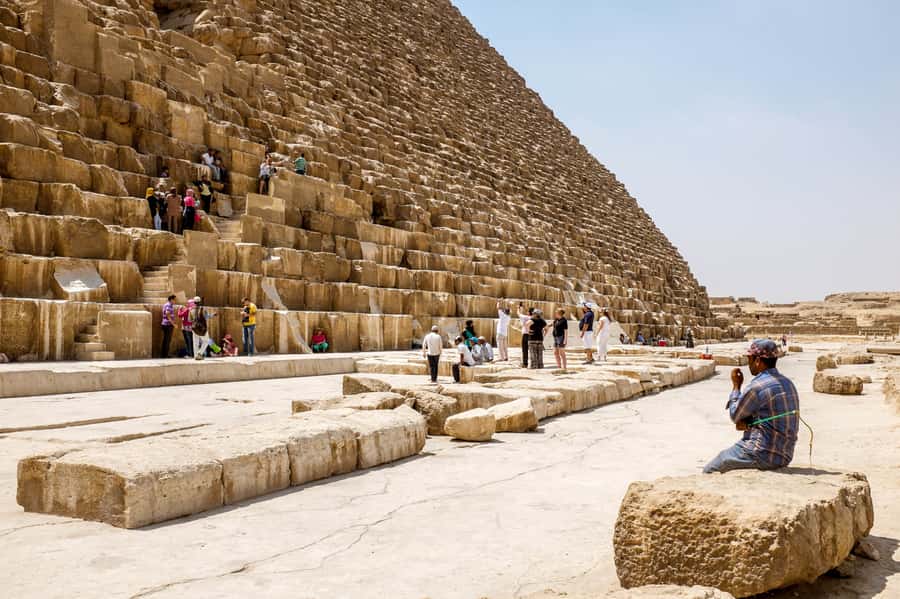
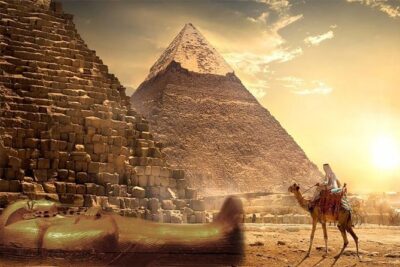
The Giza portion focuses on the three main pyramids: Khufu, Khafre, and Menkaure. Your guide will explain the pharaohs linked to them and point out the visual differences between the structures.
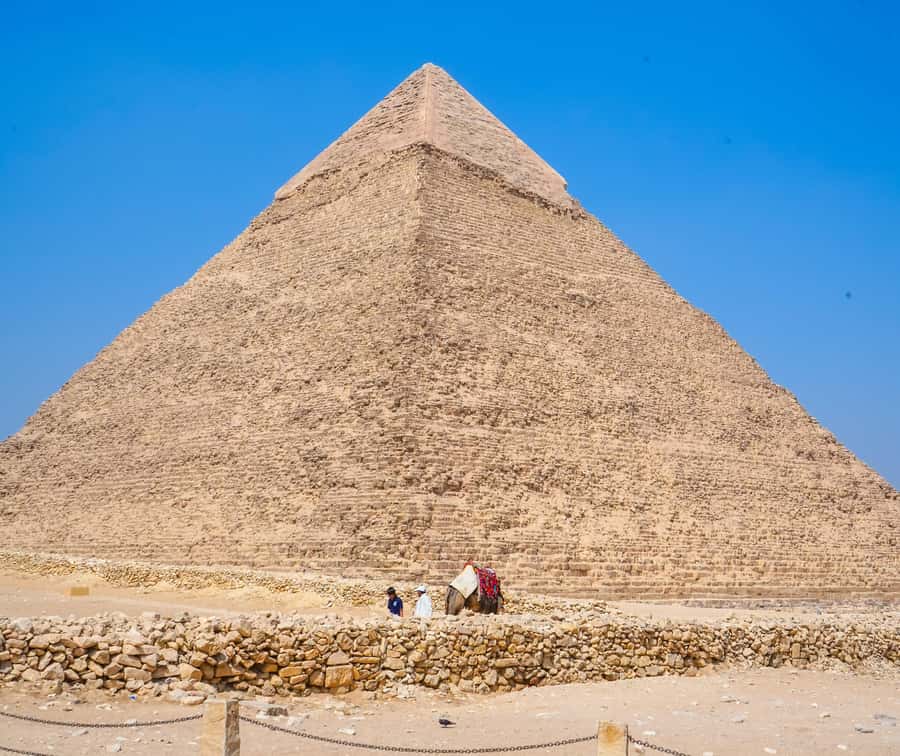
Khufu is the largest and most famous. Khafre often appears taller because it sits on higher ground and retains some casing stones near its top. Menkaure is smaller, but its scale helps you understand that the plateau was not built around one single monument.
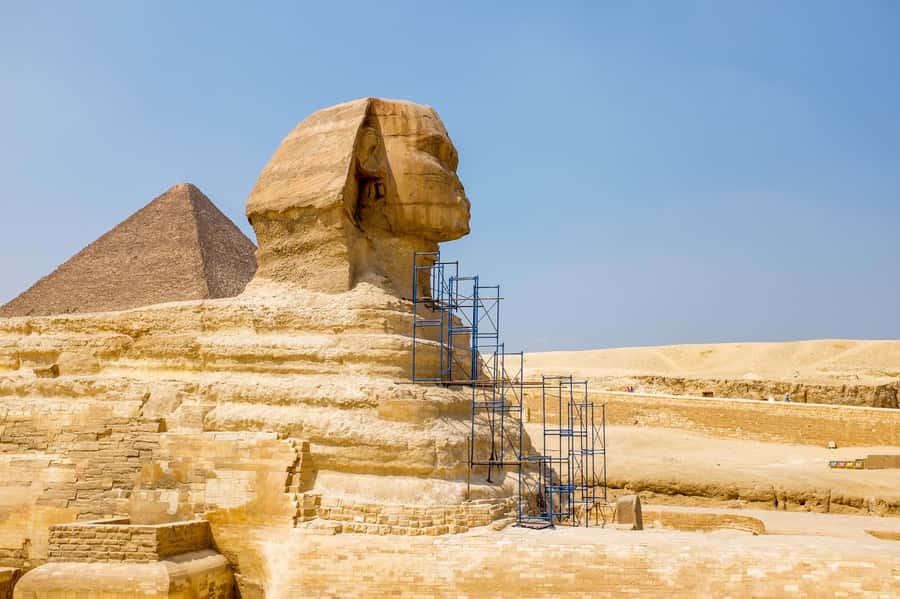
The tour includes the Valley Temple and Sphinx, where the focus shifts from royal tombs to ritual. The Valley Temple is connected with the ancient preparation of the king’s body, and the guide explains the rites associated with mummification. The Sphinx then provides the classic closing image: a lion’s body joined to a royal human head.
Allow time for photographs, but do not let the photo stops replace the explanation. Guides such as Mohamed Saleh have been praised for finding strong viewpoints and taking photos and videos, which is useful when you are traveling alone or want everyone in the picture.
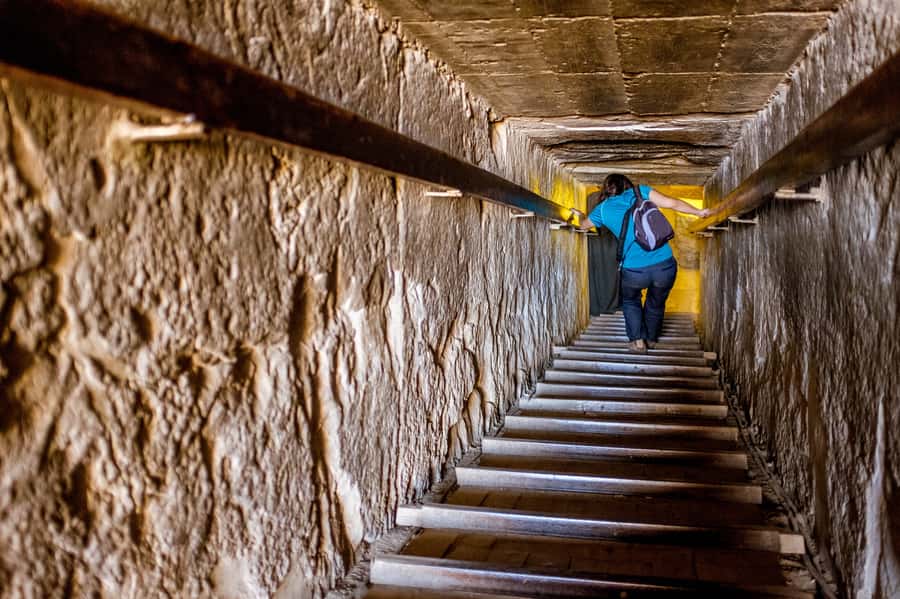
Some private visits have included the Meresankh tomb, whose painted interior can glitter when illuminated by a torch. Do not assume that tomb entry is included in every package. Ask which tickets are covered, since the basic price applies to selected landmarks and options differ.
The camel ride is another optional extra. It can give you a different angle on the pyramids, but pricing and duration deserve care. One past booking paid for an hour and received about 19 minutes of riding and photographs. If you choose it, agree on the price, length, and tipping expectations before mounting.
Memphis: a short stop with major historical weight
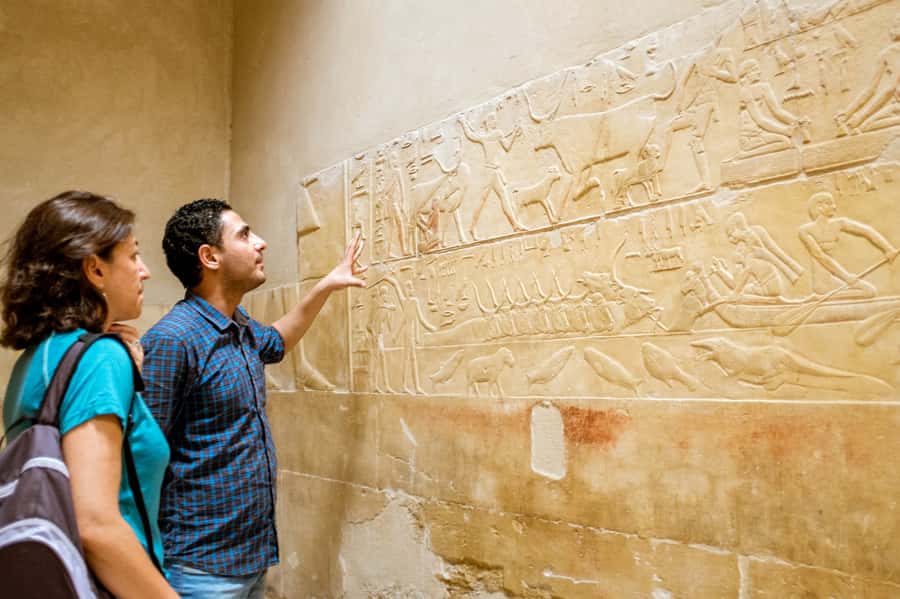
Memphis is not as visually overwhelming as Giza, and you may spend less time there. Its importance comes from what it represents: an early capital that helped organize political and religious life across ancient Egypt.
The colossal Ramses II statue is the main attraction. The alabaster Sphinx adds another strong object, and your guide can connect these pieces to the city’s former role at the center of Egyptian power.
This is a place where a good guide matters. Without context, you may see a statue and a few remains, then wonder why Memphis belongs on a pyramid day. With a clear explanation, the stop becomes the link between the country’s early government and the royal burial complexes farther south.
There is one practical warning. A past booking ended up skipping Memphis and visiting papyrus and oil shops instead. That does not mean every departure follows that pattern, but it does mean you should confirm the planned order and stops at pickup.
Sakkara and the Step Pyramid of Djoser
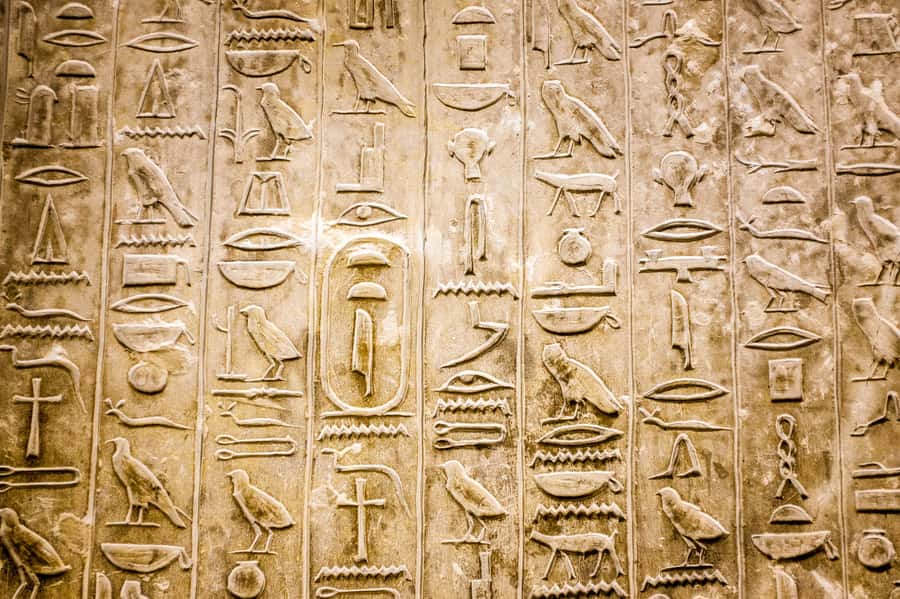
Sakkara is often the intellectual highlight of the day. The Step Pyramid of Djoser was designed for the pharaoh Djoser and is associated with the architect Imhotep. Its rising levels show an important change from earlier flat-roofed tombs.
You will also see nearby tombs and structures that broaden the visit beyond one pyramid. Painted scenes and burial details can offer clues about work, food, ritual, and daily life, though the exact tombs open may depend on your ticket selection and site conditions.
The site is large enough that a rushed visit can feel thin. I would choose a private option if you want time for questions or have a special interest in tombs and hieroglyphs. One family booking particularly valued a guide who could explain how to read hieroglyphs and answer questions about pyramid construction.
Sakkara also gives you a better sense of scale. Giza is dominated by three enormous pyramids, while Sakkara feels more like a long archaeological zone with layers of royal and private burial places. That contrast helps you understand how Egyptian funerary culture changed over centuries.
Same base, a completely different day out:
- From Cairo: Pyramids of Giza, Sphinx, Saqqara & Memphis Tour
★ 4.7 · 3,110 reviews - Cairo 8 Hour Private Tour of Pyramids, Egyptian Museum and Bazaar
★ 5.0 · 2,931 reviews - From Cairo: Half-Day Tour to Pyramids of Giza and the Sphinx
★ 4.6 · 2,891 reviews - Cairo: Pyramids, Sakkara & Memphis Tour with Lunch
★ 4.6 · 2,493 reviews
Dahshur shows the experiments behind the famous pyramids
Dahshur is available on selected combinations and on the VIP private option. Its two main pyramids make it an excellent choice for anyone curious about how builders solved structural problems.
The Bent Pyramid is famous for its altered slope. Its lower section rises steeply, then changes angle higher up, creating the shape that gives it its name. The Red Pyramid has smooth sides and represents a later step toward the form used at Giza.
Dahshur is less essential if you simply want the famous sights, but it is valuable if you want a clear sequence of development: early forms at Sakkara, experimental designs at Dahshur, and the grand scale of Giza.
The tradeoff is time. Adding Dahshur to Memphis, Sakkara, and Giza produces a demanding day, especially with Cairo traffic. You will see more sites, but individual stops may receive less attention. I would pick Dahshur over shopping stops every time, but I would not expect an unhurried archaeological study.
Shared, private, and VIP options
At about $41 per person, the shared option is priced for an accessible introduction to the main sites. It includes transport, an English-speaking guide, selected entry tickets, hotel pickup and drop-off, and bottled water. Lunch is not included.
The shared tour works best when you want the basic sights without paying for a fully customized day. It is guided in English only, and the duration can range from roughly three to eight hours depending on the chosen program, traffic, and site conditions.
The private tour costs more depending on the selections, but the extra control can be worth it. You can request a guide in several languages, choose the sites, add lunch, skip shopping, and spend longer at a place that interests you. Private bookings can also add Cairo sights such as Ibn Tulun Mosque, Al-Azhar Mosque, the Gayer-Anderson Museum, Muizz Street, Islamic and Coptic Cairo, and the Cave Church.
The VIP private package is the fullest version. It combines Giza, Memphis, Sakkara, and Dahshur with lunch and a felucca ride on the Nile. The felucca is available only in this package and is offered in English only, so check the language arrangement before booking.
For most people, I would choose the private Giza, Memphis, and Sakkara option, then add Dahshur only if ancient architecture is a priority. The VIP plan makes sense for a first and possibly only Cairo visit, provided you are comfortable with a long day.
Transport, guides, and the pace of the day
Hotel pickup is included from Cairo or Giza. You should wait in the lobby or at the main entrance at least 10 minutes before the confirmed time. You receive a photo of the arriving car and a notification, and WhatsApp is available for questions.
If the vehicle cannot reach your hotel directly, pickup is arranged at the nearest accessible point. In some cases, the guide collects you personally. In others, you meet the guide at the first sightseeing stop, so check the final message rather than assuming the guide will arrive at your door.
The air-conditioned vehicle matters. Drives between Giza, Memphis, Sakkara, and Dahshur can be tiring, and Cairo traffic may change the timing. Past bookings praised drivers for safe, calm handling, which is not a minor detail on this route.
Guide quality varies by the individual assigned, but several names have received strong praise. Mohamed Saleh was noted for history, humor, photo help, and adapting the finish of the day. Mou Fouraad was praised for checking that the pace suited the group. Ahmed, Soliman, Iman, and others were valued for clear explanations and patience.
A guide can also help with practical pressure around camel rides and sellers. Still, you remain responsible for saying what you want. Tell your guide at the start that you want to skip shops, or ask for papyrus, oils, carpets, cotton, and bazaar stops to be left out.
What to bring and who should choose it
Wear comfortable shoes and light, comfortable clothes. Sunglasses, a sun hat, sunscreen, and a camera are sensible choices, and bottled water is included.
Large bags and luggage are not allowed, and pets, alcohol, drugs, and jewelry are listed as prohibited. The experience is not suitable for wheelchair users or people with mobility impairments, so ask before booking if walking or uneven ground may be difficult.
I would recommend this tour to first-time visitors who want one organized day covering the major pyramid areas. It also suits families, provided children can handle heat, walking, and a full schedule. The guide-led format is especially useful if you want historical explanations rather than simply arriving, taking a photograph, and leaving.
It is less suitable if you want slow archaeology, long museum time, or complete independence. A three-hour pyramids-only option is the practical choice for a short stop. The eight-hour combination is better for a serious first look at Egypt’s early capitals, but it requires energy and clear communication.
Shopping stops, lunch, and the small print that matters
Papyrus galleries, oil factories, cotton stores, carpet schools, and bazaars may be offered. They can be interesting if you want to see local sales demonstrations, but some past bookings felt pressured to buy papyrus or other products.
These visits are optional and can be skipped on request. I would settle that point before leaving the hotel. Do not assume that an attractive low price includes every extra, and do not accept a camel ride or shopping stop without agreeing to the terms.
Lunch is included only with the VIP private package. On private tours, it can be added separately. The shared tour does not include lunch, so plan for that if you select a longer combination.
The tour offers free cancellation up to 24 hours before departure and a reserve-now, pay-later option. Starting times must be checked for your chosen version, since the duration and schedule vary.
Should you book this pyramid day?
Book it if you want efficient coverage with a guide and driver, especially for your first Cairo visit. The strongest value comes from combining Giza with Sakkara and Memphis, since each site explains a different part of ancient Egypt.
Choose shared for the lowest price and a straightforward English tour. Choose private if language, pace, lunch, or avoiding shops matters. Choose VIP only if you want every major pyramid area plus a Nile sail and are prepared for a long day.
Before paying, confirm four things: the exact sites, the entry tickets included, the lunch arrangement, and whether shopping stops are planned. Do that, and this is a useful, well-priced introduction to Egypt’s pyramid story.
FAQ
Is hotel pickup included?
Yes. Pickup and drop-off are included from Cairo or Giza hotels. You should be ready in the lobby or at the main entrance at least 10 minutes before pickup.
Which languages are available?
Shared tours operate in English only. Private tours can be arranged in English, Italian, Spanish, French, German, and additional languages available as booking add-ons.
Does the tour include lunch?
Lunch is included with the VIP private package. It is not included in the shared tour, and private-tour guests can add it separately.
Is the felucca ride included?
A felucca ride on the Nile is included only with the VIP private package.
Can I skip the shopping stops?
Yes. Papyrus, oils, cotton, carpet, and bazaar visits are optional and can be skipped if you request this.
Is the tour suitable for wheelchair users?
No. The experience is listed as unsuitable for wheelchair users and people with mobility impairments.
New on the Cairo list
- Private Tour Giza Pyramids Wonders All inclusive★ 5.0 · 26 reviews
- Private Half Day Tour to Giza Pyramids & Great Sphinx from Cairo★ 5.0 · 26 reviews
- Private Tour To Pyramids of Giza Memphis Saqqara With Lunch★ 5.0 · 26 reviews
- 2 days 1 night Luxor,Aswan & Abu simbel by flight from Cairo★ 4.5 · 26 reviews
- Private Day to Giza Pyramids, Egyptian Museum and camel sunset★ 5.0 · 26 reviews
- Siwa Oasis Tour 3 Day 2 Nights from Cairo★ 5.0 · 26 reviews
- VIP Cairo Day Trip Coptic Orthodox Church & Islamic Old Mosques★ 5.0 · 26 reviews
- Full Day Private Tour to visit Old Coptic Cairo & Islamic Cairo★ 5.0 · 26 reviews
Giza Pyramids & Sphinx Tours, compared.
Pyramids & Great Sphinx Private Tour with Camel Ride
Read our review →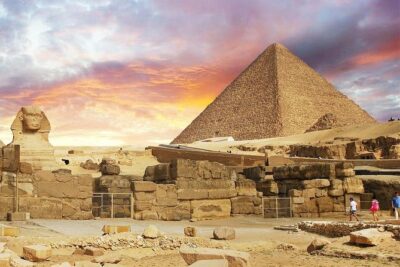
Tour to Giza Pyramids and The Egyptian Museum
Read our review →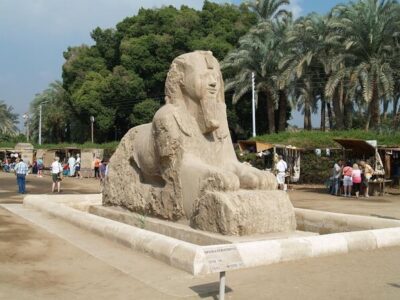
VIP All inclusive Best of the best Giza Pyramids,Sakkara,Memphis
Read our review →
Pyramids of Giza, Sphinx, Saqqara & Memphis Tour
Read our review →
Half-Day Tour to Pyramids of Giza and the Sphinx
Read our review →
Private ViP all-inclusive Giza Pyramids,Sphinx,Inside Pyramid
Read our review →