
Reviewed · CAIRO TOURS
Cairo Shopping tour Private Papyrus Essential oils Bazar Cotton
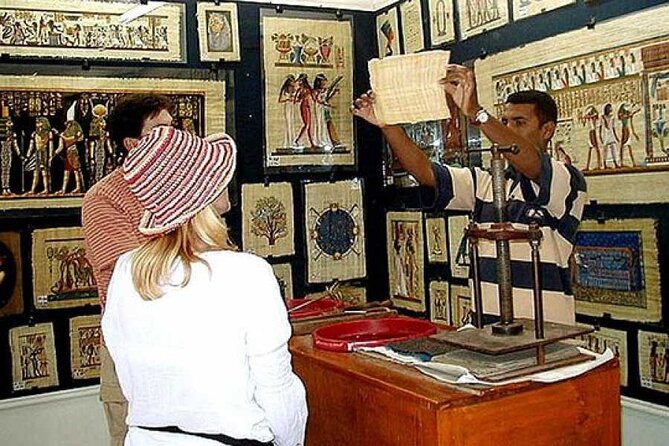
The most interesting part of this Cairo tour is its mix of shopping and demonstrations. You’ll see how papyrus is made by hand, learn about traditional Egyptian oils, and browse jewelry, cartouches, cotton, statues, and other souvenirs with a guide beside you. Papyrus and essential oils give the day more cultural substance than a simple market run.
I like the private car and hotel pickup, especially in a city where getting between Cairo and Giza can take patience. I also like that lunch, water, tea or coffee, and a private guide are included. The main caution is that this is a sales-focused outing. Some shops may charge much more than street sellers, and the advertised seven hours can feel long if you finish shopping quickly.
Key points to know before you book
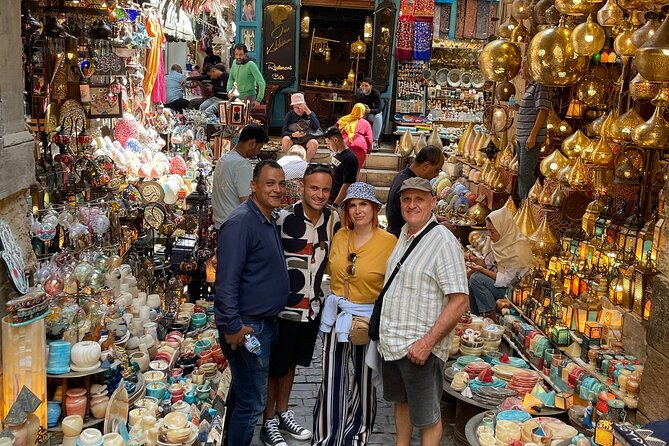
- Four shopping themes: You’ll visit jewelry and bazaars, papyrus and oils, Egyptian cotton, and a perfume factory.
- Private transport: Pickup is offered from Cairo and Giza hotels, hostels, and private homes.
- A guide helps you buy: The guide can explain products, translate, and help make the shopping process easier.
- Lunch is included: The meal is listed as local koshari or falafel, with drinks excluded.
- Prices may be high: Some past purchases were judged expensive, especially papyrus, perfume, and cotton.
- Seven hours is approximate: The stops are listed as about two hours, two hours, two hours, and one hour, but the day may end sooner if you complete your shopping.
What this Cairo shopping day is really about
This is not a free-roaming market tour where you choose every shop yourself. It is a planned route through selected stores, with transportation and a shopping adviser handling the practical side.
That distinction matters. If you want help finding a silver cartouche, understanding the difference between handmade and printed papyrus, or buying cotton without dealing with every shopkeeper alone, the format can be useful. If you prefer to compare prices across many independent stalls, you may find the stops restrictive.
The tour is listed at only $5 per person, which makes the value look remarkable at first glance. The price includes private transport, hotel pickup and return, bottled water, tea or coffee, lunch, a driver who speaks English, and admission to the listed stops. At that rate, the shopping appointments are clearly an important part of the business model, so you should expect a sales presentation at each location.
That does not automatically make the tour poor. Sales shops can offer real products, receipts, demonstrations, and a calmer buying environment. Still, I would treat the low booking price as the cost of the transportation and introductions, not as a promise of bargain shopping.
More shopping trips around Cairo:
- Cairo 8 Hour Private Tour of Pyramids, Egyptian Museum and Bazaar
★ 5.0 · 2,931 reviews - Giza pyramids, Sphinx, ATV bike, Lunch,Camel ride, Dinner cruise& shopping tour
★ 5.0 · 798 reviews - Cairo: Private Pyramids, Museum & Bazaar Tour with Lunch
★ 4.6 · 744 reviews
Pickup from Cairo or Giza
Pickup is offered from hotels, hostels, and private homes in Cairo and Giza. The company says it collects all participants from those areas, then uses a private car for the day.
Extra charges apply to several outlying areas. These include New Cairo, all areas of 6 October, airport areas, Heliopolis, Nasr City, the Alexandria Desert Road, and other places far from the central pickup zone. Confirm your address and any surcharge before booking, especially if you are staying near the airport or in New Cairo.
A private vehicle is a practical advantage here. Shopping bags, papyrus artwork, bottles of oil, and cotton items are awkward on public transport. You also avoid arranging several separate taxi rides between shops.
The listed duration is about seven hours, with several departure times during the day. The four planned stops add up to roughly seven hours, but the actual timing can vary. One past experience ended after about an hour and a half because the shopping was completed quickly, so do not assume you will spend a full two hours at every shop.
The tour is private, meaning only your own group participates. That gives you more freedom to ask questions, leave a shop when you are finished, or request less time at a stop, though the provided information does not promise a fully customized route.
Mamluk jewelry, cartouches, and the first bazaar stop
The first stop focuses on jewelry and souvenirs. You can look for Egyptian gold, silver items, statues, magnets, and cartouches. A cartouche is an oval name panel written in Egyptian hieroglyphs, and the shop can create one in silver or gold.
This is the most personal souvenir on the route. If you want your name written in hieroglyphs, the guide can help you understand the options and materials. Ask clearly if you want solid gold, plated metal, silver, or another finish, and ask for the weight and written price before agreeing to buy.
The stop is described as a trusted or government-connected bazaar. That may reassure you if you are uneasy about buying jewelry in an unfamiliar city, but it does not guarantee the lowest price. A controlled shop can offer a more orderly purchase, while street sellers may bargain more aggressively.
Use the guide as an interpreter, not as a reason to stop comparing. Look carefully at the item, ask what is included in the price, and make sure the final amount is clear. The listed admission is included, so you are not paying a separate entry fee to browse.
The company says guides are available in English, Spanish, Italian, German, French, Chinese, Japanese, and other languages at no extra charge. The included driver speaks English. One guide named Adelle was praised for being kind and helpful, though guide assignment can vary.
Papyrus making and the story of seven sacred oils
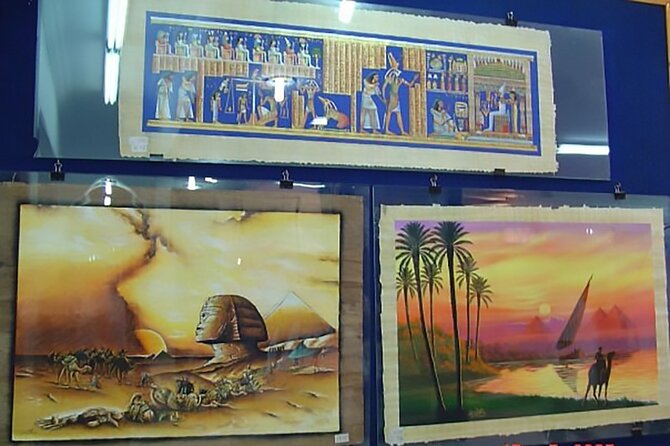
The papyrus stop is the most educational part of the day. You’ll see a demonstration of how papyrus is turned into paper, followed by a chance to buy painted papyrus pieces in bright colors.
Papyrus was made from a plant that grew along the Nile and became one of ancient Egypt’s best-known writing materials. The demonstration helps you judge what you are buying, at least in broad terms. Ask how the piece was made, what size it is, and how it should be rolled or carried during the rest of your trip.
This is also where the shopping pressure may be strongest. A past buyer felt similar papyrus pieces could be found elsewhere for one-fifth of the price. That is a serious warning for anyone booking mainly to find inexpensive souvenirs.
The fair comparison is not simply shop price versus street price. A workshop may offer larger paintings, more careful finishing, a demonstration, and help packing the item. Even so, you should compare several pieces and do not feel obliged to buy because you watched the demonstration.
The same stop introduces lotus or blue lily flowers and Egyptian scents. You may smell oils connected with ancient Egyptian traditions, including a group of seven oils associated with the tomb of Kagemni, a chief justice and vizier under King Teti. The tomb is dated here to about 2330 BC, during Egypt’s Sixth Dynasty.
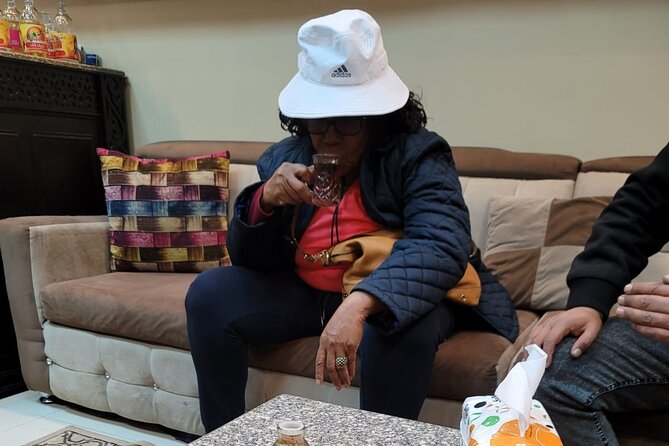
That historical connection makes the presentation memorable, but you should separate the story from the product claim. Ask what is pure oil, what is a blended fragrance, and how the bottle should be stored. One complaint described oils displayed in clear jars under bright light, which may affect some oils over time. Tea was also described as being kept in open boxes. Check the container, seal, label, and storage advice before paying.
A few other Cairo days to weigh up
- Cairo: Pyramids & Great Sphinx Private Tour with Camel Ride
★ 4.9 · 6,335 reviews - Private ViP all-inclusive Giza Pyramids,Sphinx,Inside Pyramid
★ 5.0 · 2,448 reviews - Private guided tour to Giza Pyramids, and Great Sphinx
★ 5.0 · 1,755 reviews - Half Day Tour Giza Pyramids &Great Sphinx with Private Tour Guide
★ 5.0 · 1,608 reviews
Egyptian cotton at the Three Pyramids Bazaar
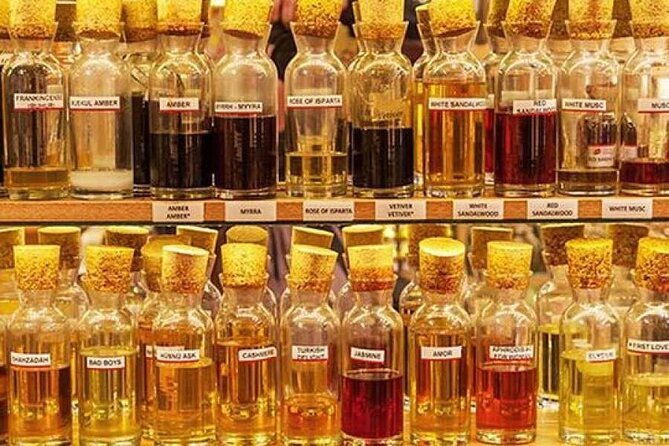
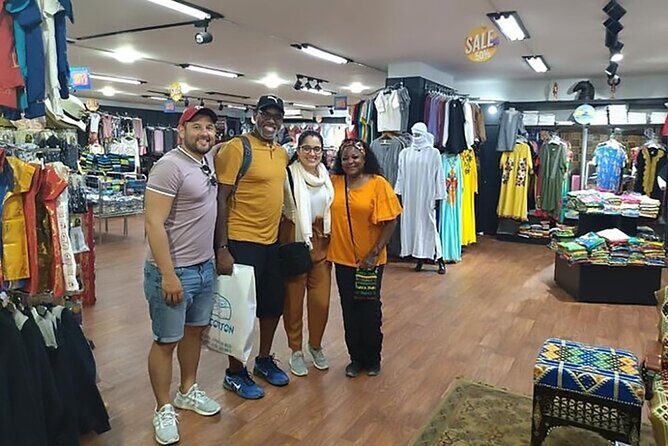
The third stop is an Egyptian cotton shop, listed under the Three Pyramids Bazaar. Egyptian cotton is one of the country’s important exports, and the stop gives you a chance to inspect clothing, bedding, or other cotton goods, depending on what is available that day.
The value here depends heavily on your ability to judge fabric. Ask about fiber content, thread count if relevant, country of manufacture, washing instructions, and return arrangements. A soft feel alone does not prove that an item is made from high-grade Egyptian cotton.
This shop drew the sharpest criticism in the supplied feedback. One buyer called it very poor and described it as a place with little room to bargain. That does not mean every item is unsuitable, but it does mean you should enter with a firm budget and no pressure to purchase.
If you already plan to buy cotton, the stop may save you time. If you are simply curious, you can browse and compare the fabric with prices at other stores later in your trip. Pack carefully, since textiles are easier to carry than glass bottles or framed papyrus.
The bazaar may also offer more cartouches, statues, magnets, and small Egyptian gifts. This is a convenient place to gather several kinds of souvenirs, but convenience often comes with a higher price. Ask the guide to explain what is handmade, locally produced, or factory-made.
The perfume factory and Bedouin family setting
The final listed stop is a perfume factory or essential-oil shop presented as a Bedouin family house. You’ll learn how traditional Egyptian scents are made from flowers and smell different oils.
The family setting may make the stop feel more personal than a regular retail counter. It also forms part of the tour’s larger theme: Egyptian products connected to ancient materials, flowers, and trade.
You should expect another sales presentation. A previous complaint described the perfume stop as overpriced, and the company’s response defended the use of selected, government-controlled shops. That disagreement points to the main issue with this experience: the tour can offer reassurance and guidance, but it may not offer the cheapest retail prices.
If you buy oil, check the bottle size and exact price before the product is poured or packed. Ask if the scent is intended for skin, perfume use, massage, or another purpose. Keep bottles away from strong heat and direct light, and pack them in a sealed bag for the journey home.
The perfume stop is listed separately as one hour, although the itinerary also places essential oils within the papyrus visit. Expect some overlap in the presentations rather than four completely different attractions.
Lunch, water, and what is included
Lunch is included as local Egyptian food, specifically koshari or falafel. Koshari is a filling mixture of rice, pasta, lentils, chickpeas, tomato sauce, and fried onions. Falafel, known locally as taameya when made with fava beans, is another simple local choice.
Drinks are not included, apart from the listed coffee or tea. Bottled water is included. If you want a soft drink or another beverage with lunch, budget for it separately.
The meal is useful because shopping tours can stretch across the middle of the day. It also gives you a chance to eat something local without arranging another stop yourself. The information does not specify the restaurant, menu beyond these choices, or dietary substitutions, so tell the provider in advance if you have food restrictions.
What the strong praise tells me
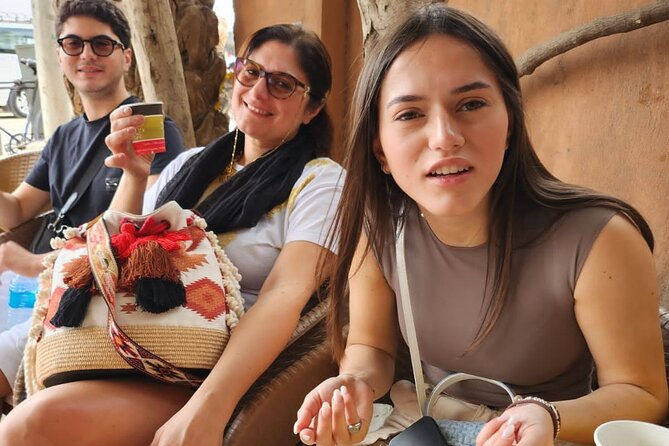
The overall score is 4.8 out of 5, with 95 percent recommending the experience. The most positive comments focus on the human side of the day: a friendly representative, a helpful guide, and a polite driver.
That matters in Cairo. Having someone meet you on time, handle directions, and help with language can remove much of the friction from shopping. The praise for Adelle in particular suggests that a good guide can make the difference between feeling assisted and feeling pushed.
The positive Spanish-language feedback describes the day as complete and highlights the guide’s concern for the group’s comfort. That fits the tour’s strongest use: a private introduction to several Egyptian products when you want support rather than total independence.
At the same time, the lower scores focus on value, not punctuality or transport. The objections are specific: high prices, weak bargaining, oils stored in questionable conditions, and a cotton shop that felt poor. Read those warnings as a shopping strategy, not just a verdict on the whole day.
Who should book this tour?
I would consider it for a first visit to Cairo when you want hotel pickup, private transport, a simple lunch, and help with souvenirs. It suits you if you are interested in seeing demonstrations and prefer a guided buying process.
It may also work well for families or small groups who want to stay together. Group discounts are offered, though the exact discount is not provided, so ask before booking.
I would skip it if your main goal is the lowest possible price. You can likely spend less by comparing shops independently, but the tour’s advantage is convenience and assistance, not guaranteed bargains.
It is also a weak match if you dislike sales stops. The schedule is built around stores, and the low price should not disguise that. You will need to say no politely and clearly when an item is not right for you.
Practical ways to get better value
Set your budget before pickup. Divide it by product type, and keep some money back until you have seen all the shops.
Ask these questions before buying:
- Is this handmade or printed?
- What material is it?
- What is the size and weight?
- Is the price for one item or a set?
- Can I have a receipt?
- How should I store or transport it?
For jewelry, ask about purity and weight. For papyrus, inspect the back and edges. For oils, check the seal, label, bottle size, and storage advice. For cotton, ask about fiber content and washing instructions.
Do not let the private setting make you feel trapped. Your guide is there to help, and you can request a little time to think. A polite I will compare prices first is enough.
The company asks people making last-minute bookings or booking one day ahead to contact it by WhatsApp or phone rather than email. Follow that instruction if your plans are close, since email may not be checked quickly enough.
Free cancellation is available if you cancel at least 24 hours before the start time. Cancellations inside 24 hours are not refunded, and changes inside that period are not accepted. Confirmation is provided at booking, service animals are allowed, and most people can participate.
Should you book it?
Book this Cairo shopping tour if you want an easy, private day built around papyrus, oils, cotton, jewelry, and souvenirs. The included car, pickup, lunch, and guide make the $5 booking price attractive as a transport-and-assistance package.
Do not book it expecting every shop to offer a bargain. The strongest warning is the sales environment and the possibility of high prices, especially for papyrus, perfume, and cotton. I would book only after deciding to treat the demonstrations and guidance as the main value, then shop carefully and buy only what meets your budget.
FAQ
How long does the Cairo shopping tour last?
The tour lasts approximately seven hours. The listed stops total about two hours for jewelry and bazaars, two hours for papyrus and oils, two hours for Egyptian cotton and the Three Pyramids Bazaar, and one hour for the perfume factory.
Is hotel pickup included?
Yes. Pickup and drop-off are included from hotels, hostels, and private homes in Cairo and Giza.
Are there extra pickup charges?
Yes. Extra charges apply to New Cairo, all areas of 6 October, airport areas, Heliopolis, Nasr City, the Alexandria Desert Road, and other distant areas.
Is the tour private?
Yes. Only your own group participates, and transport is provided by private vehicle.
What languages are available?
The company states that guides are available in English, Spanish, Italian, German, French, Chinese, Japanese, and other languages at no extra charge. The included driver speaks English.
Is lunch included?
Yes. Lunch is listed as local Egyptian food, with koshari or falafel as the stated options. Drinks are not included.
What can I buy on the tour?
You can shop for gold and silver jewelry, cartouches, papyrus paintings, essential oils, Egyptian cotton goods, statues, magnets, and other souvenirs.
Is bottled water included?
Yes. Bottled water is included, along with coffee or tea.
Can I cancel for a full refund?
Yes, if you cancel at least 24 hours before the experience start time. Cancellations or changes made less than 24 hours before the start time are not accepted, and the amount paid is not refunded.
New on the Cairo list
- Private Tour Giza Pyramids Wonders All inclusive★ 5.0 · 26 reviews
- Private Half Day Tour to Giza Pyramids & Great Sphinx from Cairo★ 5.0 · 26 reviews
- Private Tour To Pyramids of Giza Memphis Saqqara With Lunch★ 5.0 · 26 reviews
- 2 days 1 night Luxor,Aswan & Abu simbel by flight from Cairo★ 4.5 · 26 reviews
- Private Day to Giza Pyramids, Egyptian Museum and camel sunset★ 5.0 · 26 reviews
- Siwa Oasis Tour 3 Day 2 Nights from Cairo★ 5.0 · 26 reviews
- VIP Cairo Day Trip Coptic Orthodox Church & Islamic Old Mosques★ 5.0 · 26 reviews
- Full Day Private Tour to visit Old Coptic Cairo & Islamic Cairo★ 5.0 · 26 reviews
Cairo Tours, compared.
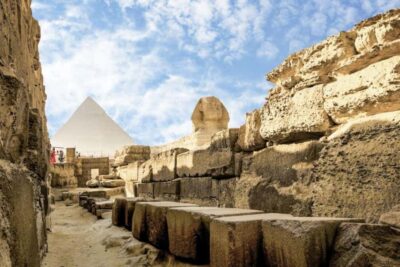
Pyramids & Great Sphinx Private Tour with Camel Ride
Read our review →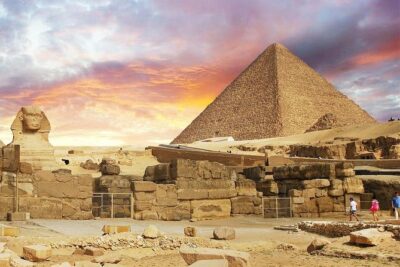
Tour to Giza Pyramids and The Egyptian Museum
Read our review →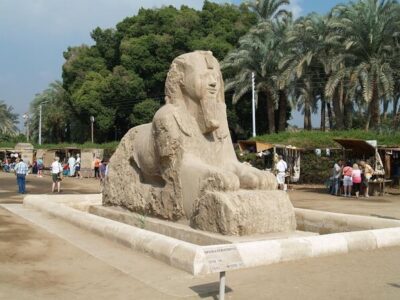
VIP All inclusive Best of the best Giza Pyramids,Sakkara,Memphis
Read our review →
Pyramids of Giza, Sphinx, Saqqara & Memphis Tour
Read our review →
Cairo 8 Hour Private Tour of Pyramids, Egyptian Museum and Bazaar
Read our review →
Half-Day Tour to Pyramids of Giza and the Sphinx
Read our review →
Private ViP all-inclusive Giza Pyramids,Sphinx,Inside Pyramid
Read our review →Browse the lists this tour appears in