
Reviewed · HURGHADA TOURS
Cairo 2-Day Private Tour with Overnight at Luxury Hotel
The great appeal here is simple: you get Cairo’s ancient monuments and old quarters in two full days, rather than trying to squeeze the Egyptian capital into one exhausting outing. The long road from Hurghada crosses the Red Sea coast and Eastern Desert before delivering you to the pyramids, museums, mosques, churches, and markets of Cairo.
I like the private format, since your group does not have to wait for strangers or follow a fixed pace. I also like the practical package: a four-star hotel, all meals, water and cola in the vehicle, an air-conditioned ride, and an Egyptologist guide such as Adel, Essam, Jakob, or Aladin, depending on the departure.
The main drawback is the distance. Hurghada and Cairo are roughly 450 kilometers apart, so the road journey takes a serious part of the experience. You should also expect two busy sightseeing days, warm conditions, and plenty of walking around exposed historic sites.
Key points to know before booking

- A private Cairo visit from Hurghada: Your group travels alone, with room for changes and fewer delays.
- Three hours at the Giza pyramids: You see Cheops, Chephren, Menkaure, the Sphinx, and the Valley Temple.
- A full Egyptian Museum visit: Three hours gives you time to go beyond a quick look at the famous pieces.
- Old Cairo in several faiths: The Hanging Church, Ben Ezra Synagogue, and Amr Ibn Al-As Mosque sit within a remarkable historic district.
- One night near the pyramids: The four-star hotel may provide pyramid views, depending on the assigned property.
- Meals and road transport included: Breakfast, lunch, dinner, bottled drinks, taxes, and admission fees are covered, but restaurant and hotel drinks are extra.
Why two days makes sense from Hurghada
Cairo is not a quick side trip from the Red Sea. The route is long, and a one-day schedule would leave you racing from the pyramids to the museum and then straight back to Hurghada. This two-day plan gives you a night in Cairo and spreads the city’s major sights across a more workable schedule.
The private setup matters most on a route like this. You can rest in an air-conditioned vehicle, stop according to the group’s needs, and avoid collecting passengers from multiple hotels once the tour is under way. Previous departures have used spacious minibuses, and one useful piece of advice is to bring a small travel pillow for the road.
The exact transport arrangement should be checked at booking. The main tour information describes a private road journey in an air-conditioned vehicle, while some individual accounts refer to airport transfers and flights. The written inclusions specifically list the vehicle, meals, hotel, drinks in the car, and fees, so confirm the departure and return details before paying.
A few other Hurghada days to weigh up
- Hurghada: 2-Day Luxor Highlights & Hot Air Balloon & Hotel
★ 4.3 · 89 reviews - 2 Day Trips to Luxor Highlights from Safaga Port
★ 5.0 · 78 reviews - Private 2 day trip to Luxor with overnight stay
★ 5.0 · 32 reviews
Giza: three pyramids, the Sphinx, and the Valley Temple
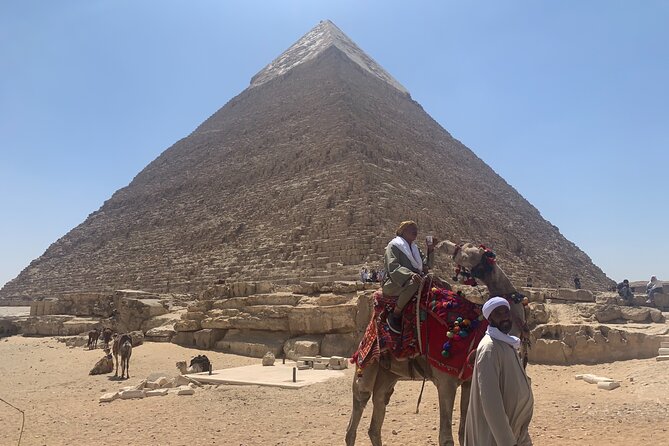
Allow about three hours for the Giza Plateau. This is enough time to see the three main pyramids, drive or continue to the Sphinx, and visit the Valley Temple with your guide.
The Great Pyramid of Cheops is the star of the plateau, but the neighboring pyramids of Chephren and Menkaure help you understand the scale of the whole complex. Your guide can explain how the monuments fit together, rather than leaving you with three giant stone shapes and little context.
The Sphinx is a different sort of sight. Its human-headed, lion-bodied form feels more intimate than the pyramids, especially when you begin to notice the worn details and the setting against the plateau. The Valley Temple adds another layer, showing how royal funerary ceremonies connected with the pyramid complex.
The information supplied for this stop lists admission as free, while the package also says all fees and taxes are included. That wording can be confusing, so ask what is covered if you want to enter any interior chamber or add an optional activity. The standard visit described here focuses on the three pyramids, Sphinx, and Valley Temple.
Bring sun protection and comfortable shoes. The plateau is exposed, and the combination of heat, stone surfaces, and photo stops can wear you down faster than expected. If you want the best possible experience, listen closely during the guide’s explanation, then leave yourself quiet time to look.
The Egyptian Museum and 7,000 years of objects
The Egyptian Museum gets about three hours, a generous amount of time for a first visit. The building dates from 1897 to 1901 and holds an enormous collection covering approximately 7,000 years of Egyptian civilization.
This is not a quick highlights stop. The museum contains statues, funerary objects, royal pieces, and everyday items that help connect Egypt’s ancient achievements with the people who made and used them. A guide can point out the important rooms and explain why certain objects matter, which is useful in a collection this large.
Three hours can still pass quickly. The museum is filled with more objects than most people can absorb in one visit, so do not feel obliged to inspect every case. I would follow the guide’s main route, note anything you want to revisit, and keep some energy for Cairo’s older districts later in the day.
Admission is included. The tour description does not specify every museum section or special-ticket exhibit, so ask your guide what the standard entrance covers if a particular collection is high on your list.
Coptic Cairo: the Hanging Church and Ben Ezra Synagogue
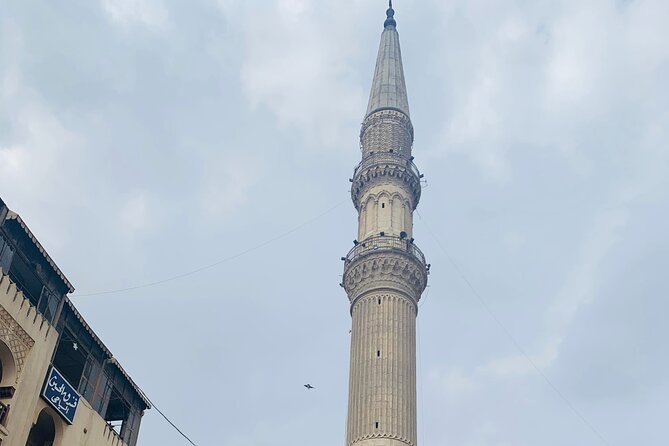
The Coptic Quarter shifts the mood from royal monuments to a compact district shaped by Egypt’s Christian and Jewish communities. The visit includes the Hanging Church and Ben Ezra Synagogue, with about one hour at each listed stop.
The Hanging Church, formally the Coptic Orthodox Church of the Blessed Virgin Mary, has roots reaching back to the third century. Its name comes from its position above an older Roman fortress area. Inside, you can expect a religious space with a long story rather than a grand open hall like the larger mosques.
The Ben Ezra Synagogue dates from the ninth century and is described as Cairo’s oldest Jewish temple. It is no longer a working center for the large Jewish community that once lived in Egypt, but it remains important to Jewish history and to Cairo’s record of several faiths living close together.
These stops reward a guide who can explain religious and architectural details without rushing. The one-hour allocation for each site is practical, though you may want more time if you are especially interested in Coptic or Jewish heritage.
Same base, a completely different day out:
- From Hurghada: Cairo and Giza Highlights Full-Day Tour
★ 4.5 · 6,014 reviews - Hurghada: Luxury Cruise Trip to Orange Bay with Lunch
★ 4.9 · 5,451 reviews - Hurghada: Orange Bay Island Boat Trip w/ Breakfast and Lunch
★ 4.9 · 5,345 reviews - Hurghada: Royal Seascope Submarine Cruise with Snorkel Stop
★ 4.4 · 4,637 reviews
Khan el-Khalili: three hours for shopping and people-watching

Khan el-Khalili is Cairo’s famous bazaar in the historic center. The district began as a trading center during the Mamluk era and grew around caravanserais, the inns and commercial courtyards used by merchants.
Three hours gives you time to walk rather than make a hurried pass through the market. You can browse souvenirs, pause for a drink at your own expense, and watch the daily rhythm of one of Cairo’s best-known commercial quarters.
This is the part of the tour where you need to be alert about prices. The experience includes entry to the bazaar, not personal purchases or restaurant and hotel drinks. If you buy something, agree on the price before committing. Keep your belongings close in crowded lanes, and do not let shopping push aside the architecture and street life that make the area worth visiting.
Khan el-Khalili can feel busy and commercial, but it is not only a tourist stop. The market remains part of Cairo’s historic center, and your guide can help you notice older buildings and routes beyond the first line of souvenir stalls.
The Alabaster Mosque and the Saladin Citadel
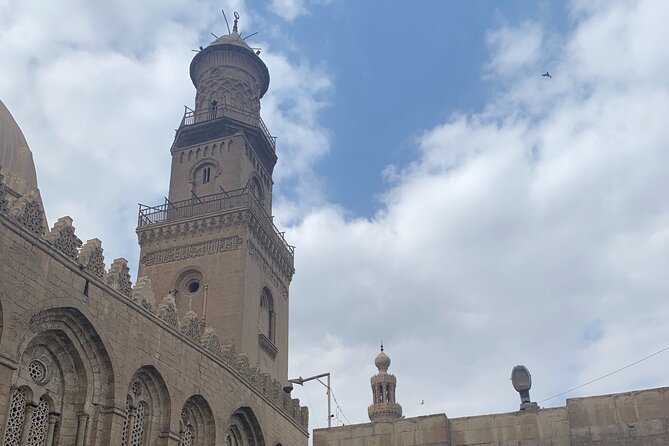
The Mosque of Muhammad Ali sits inside the Citadel of Saladin, one of Cairo’s major fortified sites. The mosque was built under Muhammad Ali Pasha, founder of the dynasty that ruled Egypt from 1805 to 1953.
The building is also called the Alabaster Mosque because of its marble cladding inside and out. Its twin minarets rise 84 meters, and the large interior gives you a sharp contrast with the narrow lanes of the market and the smaller churches of Coptic Cairo.
You have about one hour here. Wear clothing suitable for a mosque visit, and expect to remove your shoes if required by the site’s rules. The Citadel’s elevated position also provides broad views across Cairo, though the tour information does not promise a dedicated viewpoint stop.
This is an excellent place to ask your guide about the difference between Ottoman-influenced mosque design and the earlier Mamluk buildings you see elsewhere in Cairo. The building is impressive at a glance, but its details reward a slower look.
Amr Ibn Al-As Mosque and Cairo’s earliest Islamic center
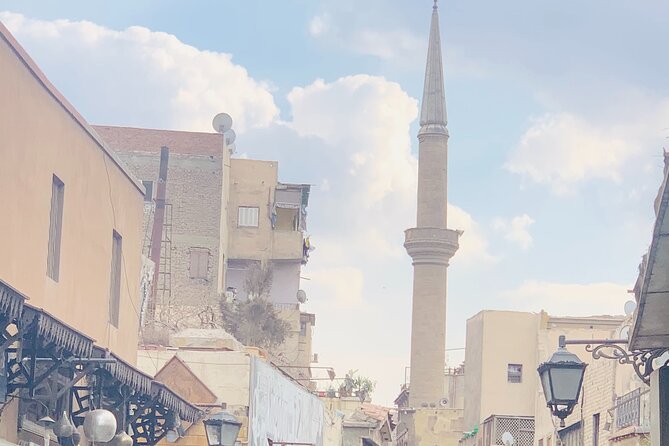
The Mosque of Amr Ibn Al-As is identified as the oldest surviving mosque in Egypt and Africa. It was founded in the seventh century after Amr Ibn Al-As established Fustat, the first Islamic capital of Egypt, within what is now Cairo.
The scheduled visit lasts about one hour. That makes it a focused stop, not a long architectural study, but the site gives important context for how Cairo developed. You are not just visiting another mosque. You are seeing a place tied to the city’s earliest Islamic foundation.
The mosque’s importance is historical as much as visual. Ask your guide to explain Fustat’s role and how the settlement relates to modern Cairo. As with the Alabaster Mosque, dress respectfully and follow local instructions inside the religious site.
El-Moez Street and medieval Cairo after dark
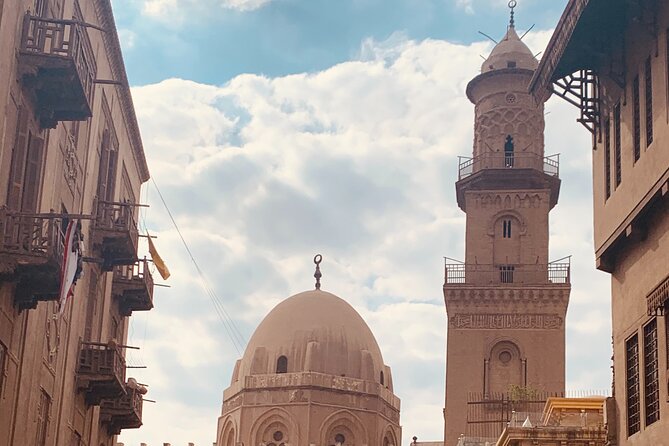
El-Moez Street is one of the best places on this itinerary for seeing medieval Islamic architecture in an active city setting. The route is pedestrian-friendly and lined with old buildings, carved details, mosques, and historic facades.
Two hours gives you room to walk and look up. That matters here, since the street’s appeal is not one single monument. It is the sequence of doorways, stonework, courtyards, and buildings around you.
The stop is listed as free, so it adds cultural value without another admission charge. It is also a useful counterpoint to the Egyptian Museum. Instead of objects behind glass, you see architecture in the place where it was built and where people still move through the district.
You may find the street lively, noisy, and uneven underfoot. That is part of the experience, but it also means you should save some energy for this final stretch. Comfortable footwear will help.
The hotel, meals, and what the $522.65 price covers
At $522.65 per person, this is not a budget bus excursion. The value comes from bundling the expensive and complicated parts of a Hurghada to Cairo trip: private transport, a guide, drivers, one night in a four-star Cairo hotel, breakfast, lunch, dinner, admission fees, taxes, and drinks in the vehicle.
The hotel is described as a four-star property, and several departures have included accommodation with a view toward the pyramids. That view is not guaranteed by the formal details, so confirm the hotel name and room outlook if it matters to you.
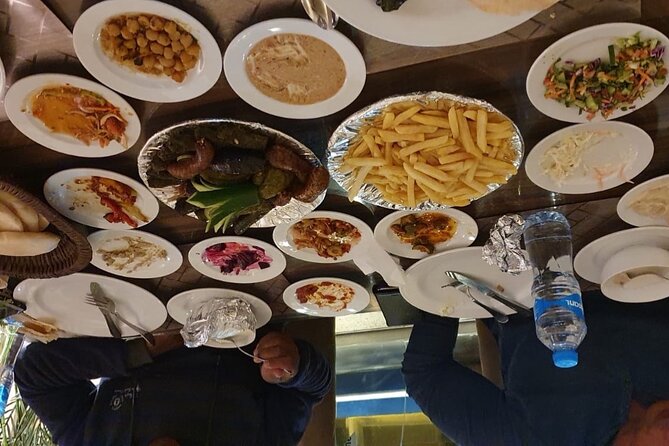
The meal plan is helpful because Cairo sightseeing leaves little time for arranging restaurants. Breakfast, lunch, and dinner are included over the two days. Drinks at the hotel and restaurants are not included, so keep some Egyptian pounds or another accepted payment method available for those extras and personal spending.
For a couple or small family, the private arrangement can make the price easier to justify. You pay more than you would for a large shared group, but you gain control over the pace and do not have to organize transport, tickets, food, and accommodation separately.
Guide quality and the value of a private group
The strongest part of the experience is the human organization. Names associated with departures include Egyptologists Adel and Essam, as well as Jakob and Aladin. The exact guide depends on availability, but the tour is designed around direct explanation at the monuments rather than a simple transfer between sights.
Private touring is especially useful in Cairo. If you want longer at the museum, less time in the bazaar, or a slower walk through El-Moez Street, you can ask. The group size also means you do not have to wait for a large coach to reload after every stop.
Drivers matter too. Cairo traffic can be intense, and the supplied details repeatedly emphasize punctual pickups, calm driving, and air-conditioned vehicles. That does not shorten the road from Hurghada, but it makes the long transfer easier to handle.
The tour has a 4.9 rating from 29 ratings, with 100 percent recommending it. That points to a strong record for organization, guides, drivers, and hotel arrangements, while the long distance and full schedule remain genuine considerations.
Practical advice for making the two days work
Start with realistic expectations. This is a packed introduction to Cairo, not a slow city break. You will see major ancient, Christian, Jewish, and Islamic sites, but you will not have unlimited time at each one.
I would pack:
- Comfortable walking shoes
- A small pillow for the road
- Sun protection and light, respectful clothing
- A refillable water bottle, although drinks in the vehicle are included
- Small cash for personal purchases and drinks
- A phone charger and modest day bag
The tour requires good weather. If poor weather causes cancellation, you are offered another date or a full refund. You can cancel for a full refund up to 24 hours before the start time, but changes or cancellations inside that window are not accepted.
Most people can participate, and the tour is near public transportation, but the schedule includes long road travel, walking, steps, exposed monuments, and several religious sites. If anyone in your group has mobility or health concerns, ask the provider for specific details before booking.
Should you book this Cairo tour from Hurghada?
Book it if you want the broadest Cairo introduction possible without arranging the pieces yourself. The private vehicle, Egyptologist guide, overnight hotel, meals, and wide range of sights make it a strong choice for a first visit, especially for couples, families, or small groups who value flexibility.
Think twice if you dislike long road journeys or prefer to spend a full day at one museum or archaeological site. Hurghada to Cairo is a major transfer, and the itinerary remains active even with two days.
For most people who have only one chance to leave the Red Sea coast and see Cairo, I find the extra overnight worthwhile. You get the pyramids at a sensible pace, time for the Egyptian Museum, and a real look at the city’s older Christian, Jewish, Islamic, and market districts.
FAQ
Where does the tour start?
The experience is based in Hurghada, Egypt, and pickup is offered.
How long is the tour?
The tour lasts approximately two days.
Is the tour private?
Yes. Only your group participates in the private activity.
How far is the journey from Hurghada to Cairo?
The route is approximately 450 kilometers and crosses the Red Sea coast and Eastern Desert.
What transport is provided?
An air-conditioned vehicle is included. Some individual arrangements have also involved airport transfers, so confirm your exact transport plan at booking.
Where do you stay overnight?
You spend one night in a four-star hotel in Cairo. Some accommodation arrangements have offered views toward the pyramids, but the specific hotel and view should be confirmed.
Are meals included?
Yes. Breakfast, lunch, and dinner during the two days are included.
Are drinks included?
Water and cola in the vehicle are included. Drinks at the hotel and restaurants are not included.
Which Cairo sights are included?
The itinerary includes the Giza pyramids, Sphinx, Valley Temple, Egyptian Museum, Hanging Church, Khan el-Khalili, Mosque of Muhammad Ali, Mosque of Amr Ibn Al-As, Ben Ezra Synagogue, and El-Moez Street.
What is the cancellation policy?
You can cancel at least 24 hours before the start time for a full refund. Cancellations or changes made less than 24 hours before the start time are not accepted, and poor-weather cancellations offer another date or a full refund.
New on the Hurghada list
- Private Tour: shopping Tour In Hurghada★ 5.0 · 26 reviews
- Super Safari ( Jeep – Quad- Buggy car-folklore-BBQ dinner)★ 5.0 · 26 reviews
- Hurghada: Neverland Musical Show Entry Tickets with Pickup★ 4.3 · 26 reviews
- Hurghada: 3 Hours Quad Bike & Camel ride★ 4.5 · 26 reviews
- Luxor Valley of the Kings from Hurghada★ 4.5 · 26 reviews
- Makadi: Giftun Island Speedboat Cruise to Orange Bay & Lunch★ 4.7 · 26 reviews
- The Super Desert Safari Jeep Tour from Hurghada★ 4.0 · 27 reviews
- Hurghada Paradise Conquest Semi Submarine Snorkeling Trip★ 4.5 · 27 reviews
Hurghada Tours, compared.


Orange Bay Island Boat Trip w/ Breakfast and Lunch
Read our review →
Royal Seascope Submarine Cruise with Snorkel Stop
Read our review →
3 Islands, Dolphins & Snorkel Yacht Trip w/ Lunch
Read our review →
Hurghada or Makadi: Discover the Magic of Dolphin House
Read our review →
Sindbad Submarines – Hurghada (Egypt) – 2 Hours
Read our review →
Browse the lists this tour appears in