
Reviewed · ABU SIMBEL TOURS
3 Nights Cruise Luxor to Aswan including Abu Simbel & Hot Air Balloon from Luxor
The most memorable part of this four-day Nile trip comes before breakfast on day two, when you rise over Luxor by hot-air balloon and watch the river, fields, and ancient monuments wake below. Later, you visit Karnak and Luxor temples, then settle into the rhythm of shipboard meals, sunset views, and evening entertainment.
I like the strong mix of transport: motor boat, coach, cruise ship, traditional horse carriage, and balloon. I also like the range of major sites packed into a short trip, from the Valley of the Kings and Hatshepsut’s temple to Edfu, Kom Ombo, Philae, and Abu Simbel.
The main catch is the price wording. At $410 per person, the package covers the cabin, meals, guides, transfers, and balloon flight, but entrance fees are extra. Drinks, including water, may also cost more onboard, and the schedule leaves little spare time.
Key points to know before booking
- A sunrise balloon flight over Luxor: You see the West Bank from the air before touring Karnak and Luxor Temple.
- Three nights on a Nile cruise: The ship gives you a comfortable base while the coach and boats handle most transfers.
- Abu Simbel from Aswan: The day begins around 5 a.m. and lasts about nine hours, so this is a serious sightseeing day.
- Guides make a real difference: Strong guides such as Ravi, Talaat, Mahmoud, Michael, and Mohamed Gobran have been praised for clear explanations and personal care, though guide quality can vary.
- Extra costs need planning: Temple tickets, tipping, drinks, and optional activities are not all covered by the headline price.
- A small group of up to 15: This is more manageable than a large coach tour, but the pace is still brisk.
Why this Nile cruise works so well in four days
A Nile cruise is a practical way to see Upper Egypt. Instead of changing hotels between Luxor, Edfu, Kom Ombo, and Aswan, you sleep in one cabin while the ship moves south. Your day is divided between guided visits and time on deck, where the Nile slips past farms, palms, islands, and desert edges.
This package is especially useful if you have only a few days. It links the principal sights between Luxor and Aswan, adds two unusual experiences, and includes transfers to your Aswan hotel, railway station, or airport at the end.
The pace is not leisurely. Most mornings begin early, and the Abu Simbel outing starts around 5 a.m. You will see a great deal, but you should not expect long, unplanned stretches in each temple. At many stops, about an hour is available for the main visit, with some time for photographs.
The group limit of 15 is a good middle ground. You get the efficiency of a group tour without the scale of a full-size bus. Still, ask who your guide will be and what language is confirmed. Several guide names appear with this program, including Ravi, Talaat, Mahmoud, Michael, Mohamed Gobran, Mohamed, and Khaled. The strongest feedback centers on guides who explain clearly, answer questions, and keep an eye on the group.
More Boat Tours in Luxor
- Hurghada: 2-Day Luxor Tour with Hotel, Balloon, & Boat Ride
★ 4.5 · 1,113 reviews - From Luxor: 3-Night Nile Cruise to Aswan and Hot Air Balloon
★ 3.7 · 297 reviews - Amazing Sunset sailing by Felucca in Luxor -2 Hours (Private)
★ 5.0 · 255 reviews
Day one: Carter House and Luxor’s West Bank
The first day begins with pickup by an Egyptology guide and a motor-boat ride across the Nile to the West Bank. That short crossing is more than a transfer. It gives you a first look at daily river life and gets you away from road traffic before the main sightseeing starts.
The Valley of the Kings comes next. This is where pharaohs were buried in rock-cut tombs, and the visit gives you a direct sense of how much effort went into hiding royal burials beneath the hills. Your entrance ticket is not included, so check the current ticket rules and any extra charge for particular tombs before you arrive.
You then continue to the Temple of Hatshepsut, one of Luxor’s most recognizable monuments. Its broad terraces climb against the cliffs, and the story of Hatshepsut gives your guide a chance to discuss royal power, gender, trade, and the way later rulers tried to erase parts of her legacy.
The unusual stop is Howard Carter House. Carter lived here while working in the Valley of the Kings and is best known for finding Tutankhamun’s tomb. The site connects the ancient monuments with the modern story of archaeology, including the famous moment when Carter looked through a small opening and said he could see great things.
That makes Carter House more than another ancient site. It helps you picture the dusty, uncertain work behind one of the most famous discoveries in Egypt. If you enjoy archaeology, this may be one of the more personal stops on the route.
Allow for some commercial stops. Several accounts describe visits to alabaster or other shops, sometimes taking time away from the monuments. You can ask your guide in advance how much time is planned for shopping and decide clearly if you want to participate.
Day two: balloon views, Karnak, and sailing south
The balloon flight begins early. You take a motor boat to the West Bank, then head up for a view of Luxor’s ancient area from above. This is not simply another way to see the temples. From the basket, the contrast between cultivated land and dry ground becomes clear, and the monuments appear as part of the wider Nile setting rather than isolated stops.
Weather controls balloon operations. If bad weather cancels the flight, the stated refund is $25 per person. That is useful to know, since the balloon is one of the tour’s headline features, but it cannot be guaranteed on the morning itself.
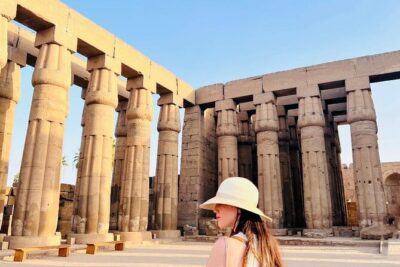
After the flight, the tour turns to Karnak Temple. Karnak is an enormous complex rather than one single building, with columns, courts, gateways, and sacred spaces added over many centuries. A good guide is valuable here because the scale can become confusing. Guides such as Ravi and Talaat have been praised for making the stories easier to follow and for allowing questions.
Luxor Temple follows. It is more compact than Karnak and especially rewarding when you can connect its grand entrance, columns, and statues with the city around it. The two temples work well together: Karnak shows the vast religious center, while Luxor Temple gives you a more focused monument in the heart of modern Luxor.
The ship begins sailing after the sightseeing. This is your first real rest period, though the schedule may include the Esna Lock and an overnight stop at Edfu. The quiet hours on deck are part of the value of a cruise. You are not rushing between every attraction by road, and the Nile itself becomes part of the trip.
Evenings are lively rather than silent. A galabia party and belly-dancing show are included among the planned activities. They are designed for fun and a bit of cultural theater, so treat them as light entertainment rather than a formal study of Egyptian music or dance.
Day three: Edfu and Kom Ombo by river
The morning visit to Edfu Temple uses a traditional horse carriage. Edfu is dedicated to Horus and is one of Egypt’s best-preserved major temples. Its large walls, reliefs, and strong sense of enclosure make it easier to imagine as a working religious complex.
The carriage ride adds atmosphere, but it also raises an important ethical issue. Some people have found the horses thin, injured, or poorly treated in the heat. If you are uncomfortable with this, ask whether a tuk-tuk or another transfer is available. One group was able to use a tuk-tuk instead, so it is worth asking before the ride begins.
Return to the cruise ship and continue toward Kom Ombo. The river trip is one of the day’s pleasures. Keep a camera handy for small islands, green fields, riverbank villages, and changing views of the desert. The cruise is not just dead time between temples. It is your clearest chance to see how much life depends on the Nile.
Kom Ombo is visited around sunset. The temple is unusual because it is dedicated to two gods, Sobek and Horus, with a layout that reflects the shared worship. Its position beside the river makes the approach memorable, especially as the light softens.
Admission fees are extra at the mentioned sites. This is the point where the package description can confuse you: the program says sites are included, while the terms also clearly exclude entrance fees. Read the inclusions as covering transport and guided visits, not the actual ticket cost, and set aside a separate admission budget.
You return to the ship for the overnight sailing or stay toward Aswan. The cabin gives you a private place to rest, but do not expect a silent hotel. Engine noise, ship operations, and activity around the boat can be noticeable. Some cabins may also have a peculiar cleaning smell, and one account described diesel fumes entering through the air-conditioning system when ships were docked side by side.
More Hot Air Balloon Flights in Luxor
- Hot Air Balloon Ride in Luxor Egypt with Transfers Included
★ 5.0 · 4,319 reviews - Luxor: Hot Air Balloon Ride over Luxor Relics
★ 4.8 · 1,681 reviews - Luxury Sunrise Balloon Ride in Luxor with Hotel Pickup
★ 5.0 · 1,104 reviews - Luxor: Morning Hot Air Balloon Ride
★ 4.4 · 736 reviews
Day four: Abu Simbel, Philae, and Aswan’s great projects
The Abu Simbel outing is the longest day. Pickup is around 5 a.m., followed by a drive to the temples and a return around 1:30 p.m. The early start is necessary for the distance and the heat, but you should prepare for a tiring morning and carry water.
Abu Simbel is worth the effort. The colossal seated figures outside the temples make an immediate impression, while the interior reliefs reward a slower look if your schedule allows. This part is done with a small shared group and an English-speaking guide. It is not the same intimate guiding arrangement as the Luxor visits, so confirm the plan if language or group composition matters to you.
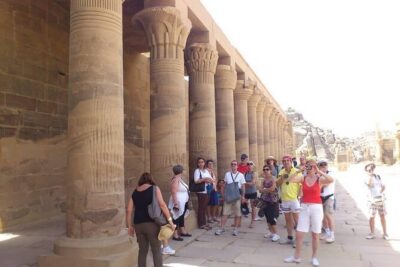
Back in Aswan, you take a motor boat to Philae Island. The island setting makes this temple visit different from the inland monuments. Philae was moved to higher ground after the construction of the High Dam threatened the original site, giving the visit a useful connection between ancient religious architecture and modern engineering.
The final major stop is the High Dam. It is a straightforward visit, but it helps explain the modern Nile: flood control, electricity, agriculture, and the relocation of ancient sites all connect here. The tour then transfers you to your Aswan hotel, train station, or airport.
This final day is packed. If you have a late train or flight, the included transfer is convenient, but confirm the expected arrival time before booking a tight connection. The program gives a final transfer, not a promise that every departure time will work without a buffer.
What the five-star cruise is really like
The ship provides a clean, comfortable base with cabins, private facilities, full-board meals, and a rooftop pool. Several people have especially liked the upper deck, where you can use sunbeds, swim, and watch the river while underway.
Cabins have all the stated facilities, but standards can vary. Some have comfortable beds and generous space, while others may show age, with worn tiles, a broken shower fitting, or a television that does not work. Balcony cabins are not guaranteed, and one account specifically noted that the ship had no private balconies.
Food is generally plentiful. You can expect breakfast, lunch, and dinner during the three nights, with buffet service and enough choice for most appetites. Some meals have been described as very good, while others found the food plain or wanted more Egyptian and Arabic dishes.
Plan for drinks to be separate. Water is not reliably included with meals, and onboard drinks can cost more than you expect. A cocktail made from powdered mix was one particular complaint. Bring or buy water whenever possible, especially during the hot sightseeing days, and keep small bills available.
The evening program adds social energy, but this is not a retreat built around quiet. Boats may dock side by side, and small vendors sometimes tie up alongside and call to people on deck or near cabin windows. If you need an afternoon nap, ask the front desk to address persistent noise.
Guides, shopping, and the tipping question
The best part of the land visits can be the guide. Ravi has been praised for his warmth and strong command of ancient Egypt, while Talaat has been described as attentive, passionate, and willing to answer questions. Mahmoud, Michael, Mohamed Gobran, Mohamed, and Khaled have also received positive comments for making the sites easier to understand.
That praise comes with a caution: guide quality is not fully predictable. Some people have found a guide rushed or too basic, while others have felt pressured to buy optional tours, shop, or arrange extra transport. Confirm the price of any added activity before handing over money, and write it down if necessary.
Tipping is customary and frequent. You may be asked to tip drivers, boat crew, carriage handlers, porters, and guides. The amount is your choice, but the repeated requests can become tiring. Carry small Egyptian pound notes, or ask your guide for a clear suggested amount for the whole cruise so you can budget rather than pay reactively all day.
The stated price includes local taxes and services, but it does not remove the need for tips. Think of tipping as a separate line in your trip budget, not a surprise at the end.
Is $410 a good value?
At $410 per person, this is strong value if you want a packed introduction to the Luxor to Aswan route. You receive three nights on the ship, three breakfasts, three lunches, three dinners, ground transport, motor boats, a horse carriage, guiding, the balloon flight, and the Abu Simbel transfer.
The value drops if you expected a luxury cruise with every cost settled in advance. Temple admissions are extra, and drinks are not safely assumed to be included. Add tips, bottled water, and any optional excursions before comparing this price with a more expensive package that may include admissions.
The price is quoted in U.S. dollars and excludes special holiday periods such as Christmas, New Year, and Easter. Child pricing applies when a child shares with two paying adults. Children under six cannot take the balloon flight, and children aged six to 11 must share with parents, with a maximum of two children in one room.
The tour accepts most people, and pickup is offered. It also provides mobile tickets and group discounts. Free cancellation is available up to 24 hours before the start time, subject to the stated minimum-group condition.
Who should book this four-day Nile itinerary?
I would choose this trip if you want the major Upper Egypt sights in one organized package and prefer not to arrange trains, drivers, boats, and temple visits yourself. It suits first-time visitors who value a guide’s explanations and enjoy moving through a full schedule.
It is also a good match for couples and active families who want variety. You get ancient tombs, temples, a balloon ride, a river cruise, a pool, evening entertainment, and a major road trip to Abu Simbel.
I would hesitate if you need a quiet, polished ship, private balcony, included beverages, or complete control over your timing. I would also ask firm questions about shopping stops, entrance tickets, the assigned guide, and the horse carriage before paying.
Should you book it?
Book it for range and convenience, not for flawless luxury. The itinerary covers an impressive slice of Egypt, and a skilled guide can turn a busy sequence of monuments into a connected story. The balloon flight and Abu Simbel outing give the trip extra weight beyond a standard cruise.
Before booking, get the total expected admission costs, confirm your guiding language, ask which cruise ship is assigned, and plan for water and tips. If those details fit your budget, this is a practical, high-value way to see the Nile between Luxor and Aswan.
FAQ
How long is the cruise from Luxor to Aswan?
The experience lasts about four days and includes three nights aboard the cruise ship.
What meals are included?
Meals begin with lunch on the first day and end with breakfast on the final day. The package includes three breakfasts, three lunches, and three dinners.
Are temple entrance fees included?
No. Entrance fees to the listed sights are excluded, even though the itinerary includes guided visits to those sites.
Is the hot-air balloon flight included?
Yes. The hot-air balloon ride over Luxor is included. If bad weather cancels it, the stated refund is $25 per person.
Can children take the balloon flight?
Children under six are not allowed on the balloon trip. Children aged six to 11 may share with parents, with a maximum of two children in one room.
What time does the Abu Simbel visit begin?
The Abu Simbel outing begins around 5 a.m. and returns around 1:30 p.m. The total duration is about nine hours.
What is the maximum group size?
The tour has a maximum of 15 participants.
Where can the final transfer take me?
At the end of the tour, you can be transferred to your hotel in Aswan, Aswan railway station, or Aswan airport.
More Balloon Flights in Luxor
- Sunrise Hot Air Balloon Over the Historical sites in Luxor
★ 5.0 · 697 reviews - Sunrise Hot Air Balloon Ride Over Luxor
★ 5.0 · 648 reviews - Sunrise Ballooning Luxor with Transfers Included
★ 5.0 · 640 reviews - Luxor: Hot Air Balloon Ride with Full-Day Sights Tour
★ 4.8 · 630 reviews
More Nile Cruises in Luxor
- 5 Days Private Guided Nile River Cruise Tour from Luxor to Aswan
★ 5.0 · 229 reviews - Luxor: Private East and West Banks Tour and Felucca Cruise
★ 4.7 · 209 reviews - From Luxor: Dendera Temple All-Inclusive Tour & Felucca Ride
★ 4.2 · 207 reviews - Luxor: Nile River Private Sunset Felucca Ride
★ 4.9 · 188 reviews
New on the Luxor list
- Full-Day East and West Luxor Private Tour★ 4.5 · 26 reviews
- Marsa Alam: Snorkeling with Sea Turtles Marsa Mubarak★ 4.9 · 26 reviews
- Private Full day East and West Bank, Luxor★ 5.0 · 26 reviews
- Day Trip to Edfu & Kom Ombo temples from Luxor and drop off in Aswan or Luxor★ 5.0 · 26 reviews
- Luxor Day Tour: Kings Valley & Karnak & Luxor & Hatshepsut Temple★ 5.0 · 26 reviews
- Luxury Hot Air Balloon Experience in Luxor with Pick-up★ 5.0 · 27 reviews
- Full-Day Luxor Tour – Discover the East and West Banks of the Nile★ 5.0 · 27 reviews
- 5 Days 4 Nights Nile Cruise Tour★ 5.0 · 27 reviews
Abu Simbel Tours, compared.
4-Days Nile Cruise From Aswan To Luxor including Abu Simbel and Hot Air Balloon
Read our review →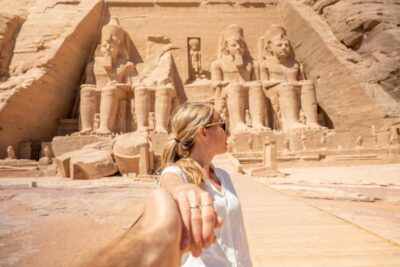
4-Day 3-Night Nile Cruise from Aswan to Luxor including Abu Simbel, Air Balloon
Read our review →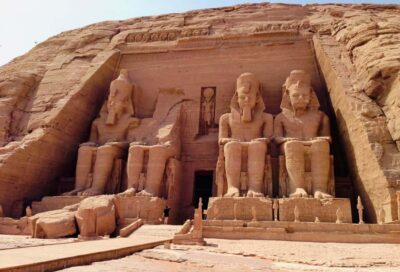
Abu Simbel Temple Private Guided Day Trip with Lunch
Read our review →4-Days Nile Cruise From Aswan To Luxor including Abu Simbel and Hot Air Balloon
Read our review →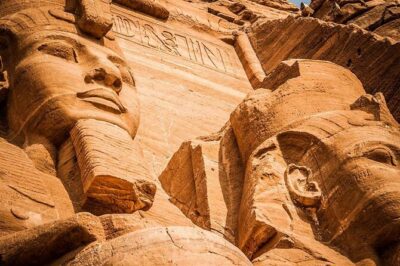
Private Day Tour to Abu Simbel Temples from Aswan
Read our review →4 Days Nile Cruise from Aswan to Luxor including Abu Simbel and Hot Air Balloon
Read our review →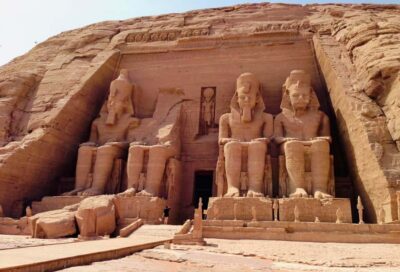
Browse the lists this tour appears in