Reviewed · HURGHADA TOURS
From Hurghada: Abydos, Osireion, and Dendera Day Tour
Abydos and Dendera give you two very different views of ancient Egypt. Abydos is tied to Osiris, the god of the underworld, while Dendera is devoted to Hathor, goddess of love, joy, music, and motherhood. Together, they make a strong counterpoint to the better-known sights around Luxor.
I like this trip for two reasons: Seti I’s delicate reliefs are among the finest surviving work from the New Kingdom, and Dendera is one of Egypt’s best-preserved temple complexes. I also like the private format, which gives your guide time to explain the scenes instead of rushing you through with a crowd.
The drawback is simple: this is a punishing day. The drive can take four to five hours each way, roads near Abydos can be rough, and the total day may approach 12 to 16 hours. If you want a relaxed holiday outing, choose something closer to Hurghada.
Key points to know before booking
- Abydos explains the cult of Osiris: This was one of ancient Egypt’s holiest places and a major pilgrimage center.
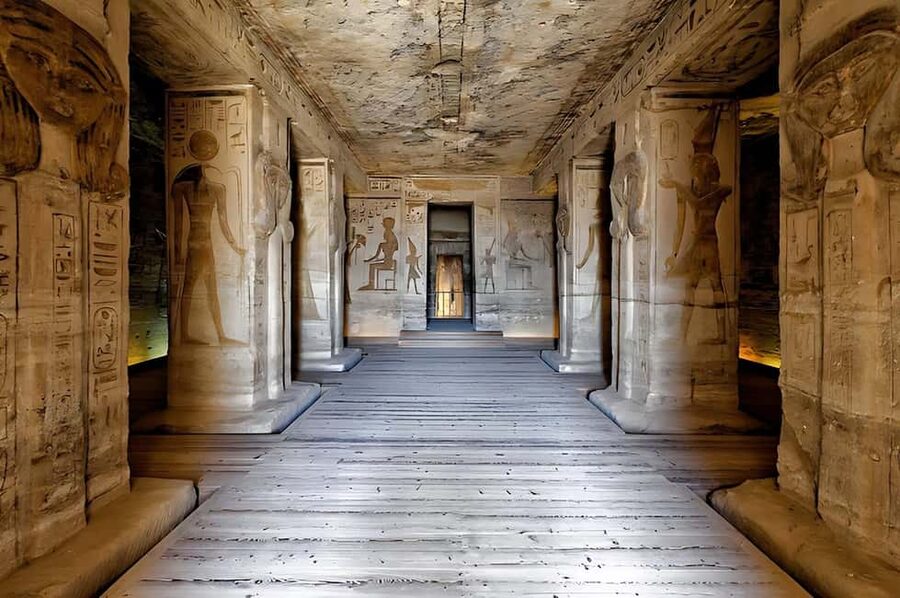
- Seti I’s temple rewards close attention: Its fine relief work is the artistic highlight of the Abydos visit.
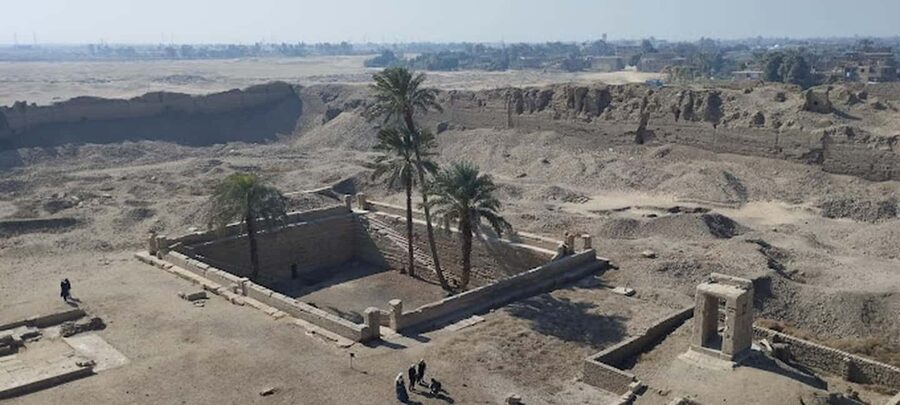
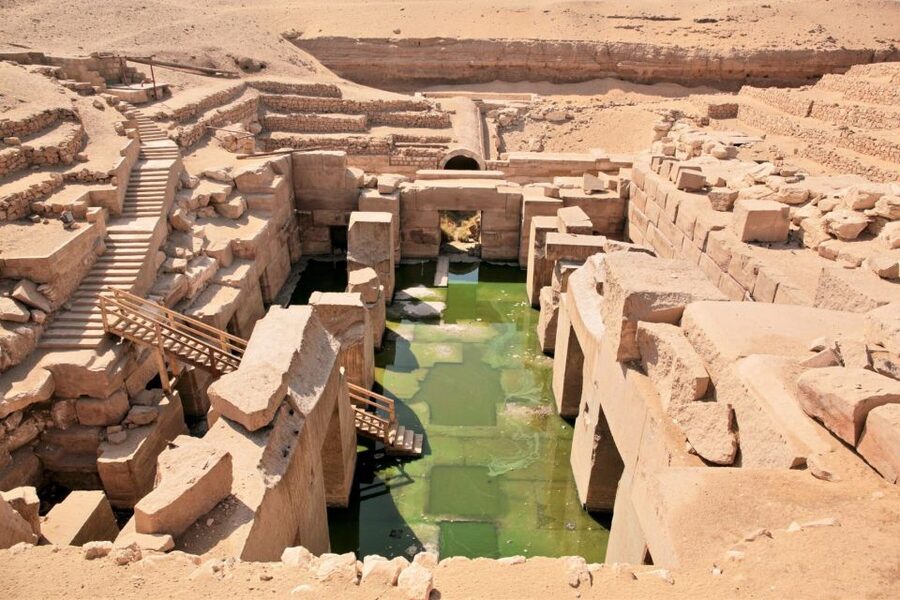
- The Osireion is viewed from above: You do not enter it on this tour, but you can see the sunken structure behind Seti’s temple.
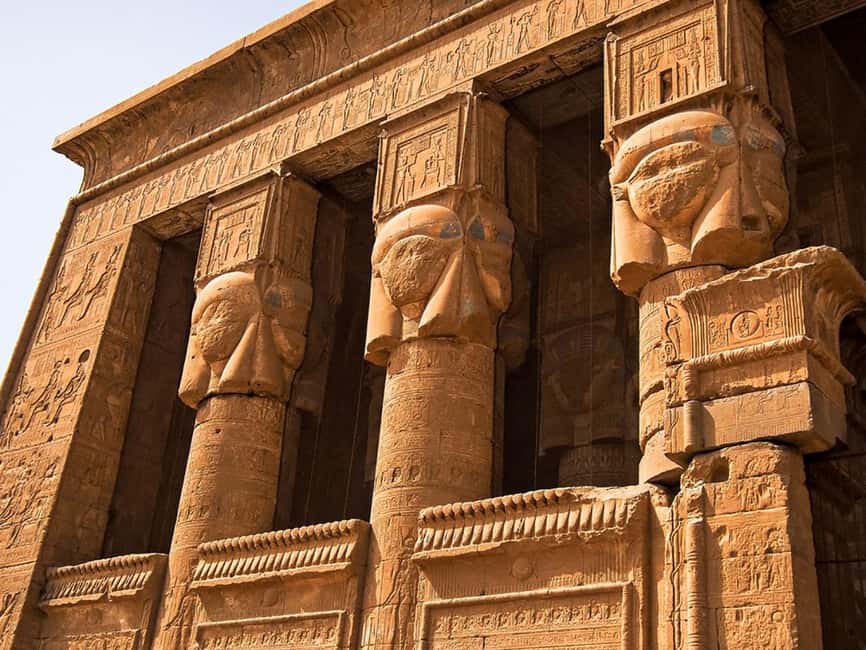
- Dendera is the visual star: Hathor’s temple is remarkably well preserved, with vivid decoration and a famous astronomical ceiling.
- The day is long but well covered: Transport, entrance tickets, lunch, bottled water, and a private Egyptologist guide are included.
- Guide quality matters: Omran, Aziz, and Walid are specifically praised for clear explanations, personal care, and local insight.
Why Abydos is worth the long road from Hurghada
The first major stop is Abydos, far west of the Red Sea resorts and well away from the usual sightseeing circuit. This distance is both the tour’s appeal and its main cost. You spend many hours in the vehicle, but you reach a place that feels less routine than the standard Luxor day trip.
Ancient Egyptians regarded Abydos as a sacred center of Osiris. In Egyptian belief, Osiris ruled the underworld and judged the dead. His murder and resurrection formed one of the country’s most important religious stories. Visiting Abydos lets you see how that story shaped temple worship, royal claims, and hopes for the afterlife.
Your guide should help you read the reliefs rather than simply point out walls and columns. Look for scenes of offerings, royal rituals, and the gods receiving the pharaoh. The value of a private Egyptologist becomes clear here, because the symbols can look repetitive until someone explains the order and purpose of the scenes.
The main monument is the Temple of Seti I. Its reliefs are unusually fine, with carefully cut figures and elegant detail. Seti I ruled during the New Kingdom, a period when Egypt’s rulers had the resources and confidence to build on a grand scale. The temple also honors several major gods and earlier kings, linking Seti with Egypt’s long royal line.
I would give the Seti temple your freshest attention. It is tempting to hurry after the long drive, but the best details are easy to miss if you only take wide photographs. Study the faces, clothing, crowns, and offering scenes. Your guide can explain which rulers were celebrated and why some names received less attention.
Abydos is not just a collection of ruins. It shows how Egyptian kings used religion to support their place in the world. The temple’s connection to Osiris made it spiritually important, while the royal decoration helped Seti place himself within a sacred and political tradition.
A few other Hurghada days to weigh up
- From Hurghada: Cairo and Giza Highlights Full-Day Tour
★ 4.5 · 6,014 reviews - Hurghada: Luxury Cruise Trip to Orange Bay with Lunch
★ 4.9 · 5,451 reviews - Hurghada: Orange Bay Island Boat Trip w/ Breakfast and Lunch
★ 4.9 · 5,345 reviews
Seeing the Osireion from the temple grounds
Behind Seti I’s temple is the Osireion, a large structure linked to Osiris. It sits at a much lower level, about 18 meters below the nearby temple area, and was built over underground water springs. That low, watery setting helps explain its unusual design and its connection with the underworld.
The Osireion is often described as a mysterious or atmospheric part of Abydos. Its heavy stone construction and lower position make it different from the more open temple above. Your guide can explain the theories about its purpose and how it fits into the worship of Osiris.
There is one important practical point: this tour does not enter the Osireion. You see it from above. That may disappoint anyone expecting to walk through the interior, so keep your expectations clear before booking. The view still adds meaning to the Abydos visit, but it is not a full interior exploration.
The Osireion stop works best when you treat it as part of the larger sacred complex. Seti’s temple presents formal worship and royal power. The sunken Osireion suggests a more hidden, symbolic world tied to Osiris, water, death, and renewal.
Dendera and the temple of Hathor
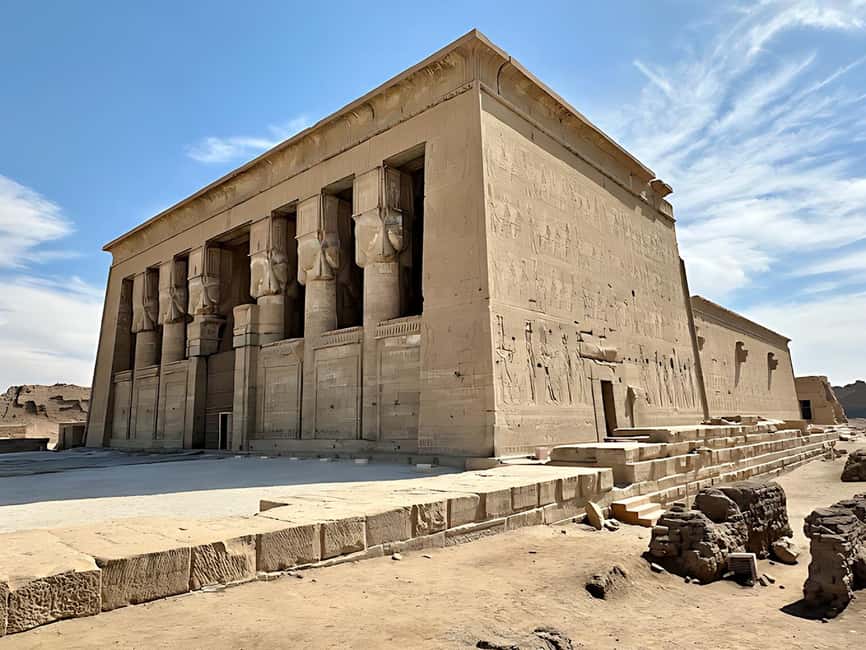
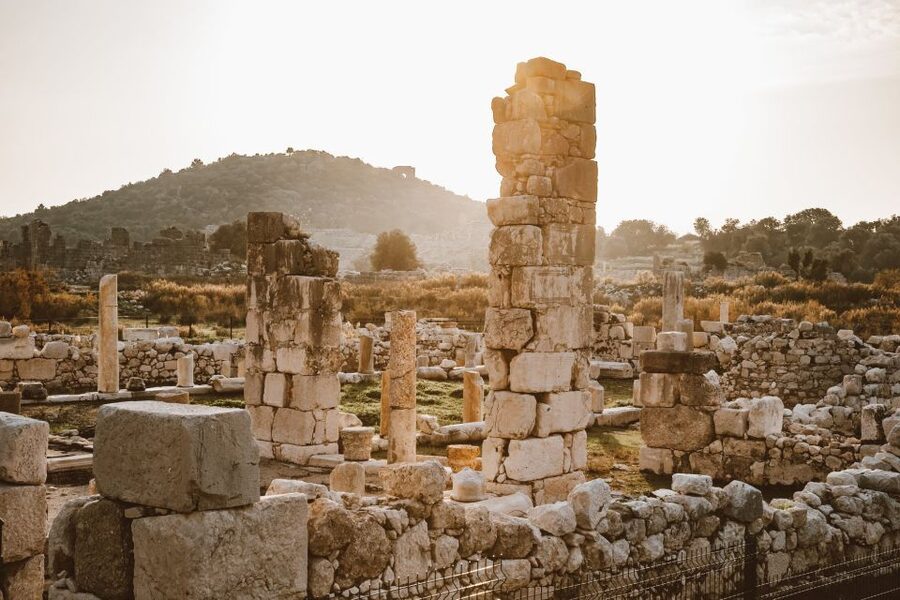
After Abydos, the route continues to Dendera. The Temple of Hathor is the most visually complete site on this excursion, and for many people it becomes the day’s favorite stop. It is the last major temple built during Egypt’s Greco-Roman period, so its decoration combines ancient Egyptian gods and symbols with later rulers and artistic influences.
Hathor was associated with love, joy, happiness, music, fertility, and motherhood. Her temple feels different from Abydos because the focus is less narrowly tied to Osiris and the underworld. Here you see a goddess connected with celebration, protection, beauty, and the good things of daily life.
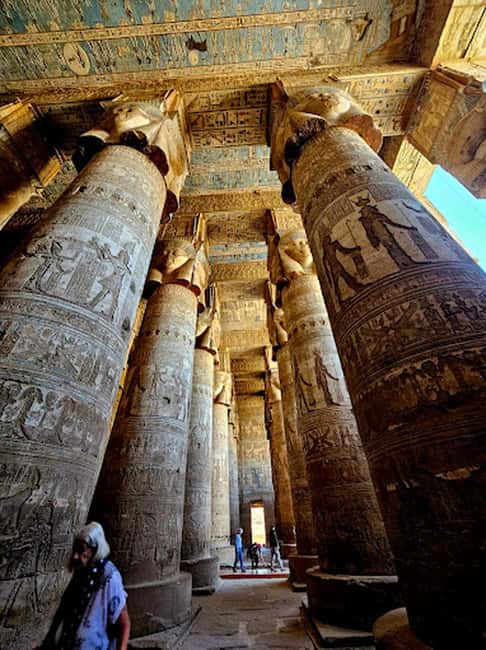
The entrance and halls are covered with columns and carved scenes. Look closely at Hathor’s distinctive face on the column capitals. The decoration is not merely ornamental. It gives you clues about the goddess’s role and about how later Egyptians continued to honor older religious ideas.
The ceiling is the great reward at Dendera. Its astronomical decoration is one of the most famous features of the site. Your guide can point out the zodiac and explain how the ceiling reflects Egyptian ideas about the heavens, time, and the gods. The surrounding colors and carved figures also help you picture how much more vivid these temples once appeared.
Dendera also includes decoration from Roman rulers alongside traditional Egyptian gods. That mixture can seem strange at first, but it tells you how old religious customs survived under foreign rule. The rulers changed, yet the temple language remained recognizably Egyptian.
Look for the sculpture of Cleopatra VII. She appears with her son Caesarion before the gods. It is a useful reminder that Cleopatra belonged to the final chapter of pharaonic Egypt, not to the great pyramid-building age. Dendera helps place her in that later setting.
I like Dendera because it is easy to appreciate even if you are new to Egyptian archaeology. The buildings are substantial, the decoration is clear, and the religious themes are easy to connect with once Hathor is explained. It is also a good place for photography, though you should still listen to the guide before moving through the rooms.
What the guide adds to the temples
The guide can make or break a day built around ancient monuments. Several named guides receive especially strong praise for their explanations and care. Omran is repeatedly singled out for his passion, historical insight, and attention to comfort. Aziz is praised for bringing the history to life, while Walid is described as friendly, caring, and generous with information.
Those names matter because the temples do not explain themselves. A wall full of gods, royal figures, and hieroglyphs can become visual noise without context. A good guide gives you a short story to follow: who is shown, what ritual is taking place, and why the scene appears in that room.
Omran is also praised for helping solo visitors feel safe and accepted throughout the day. That is useful if you are traveling alone, especially on a long private road trip. You still need to judge the pace and physical demands for yourself, but personal attention can make the outing feel far more manageable.
The trip is offered in English, German, French, Italian, Spanish, and Arabic. Confirm your preferred language when booking. You should also make sure the guide is licensed or officially assigned through the local operator if that matters to you, since guide arrangements can vary.
Same base, a completely different day out:
- Hurghada: Royal Seascope Submarine Cruise with Snorkel Stop
★ 4.4 · 4,637 reviews - Hurghada: 3 Islands, Dolphins & Snorkel Yacht Trip w/ Lunch
★ 4.7 · 4,609 reviews - Hurghada or Makadi: Discover the Magic of Dolphin House
★ 4.8 · 4,198 reviews - Sindbad Submarines – Hurghada (Egypt) – 2 Hours
★ 5.0 · 3,985 reviews
The drive, vehicle, and length of the day
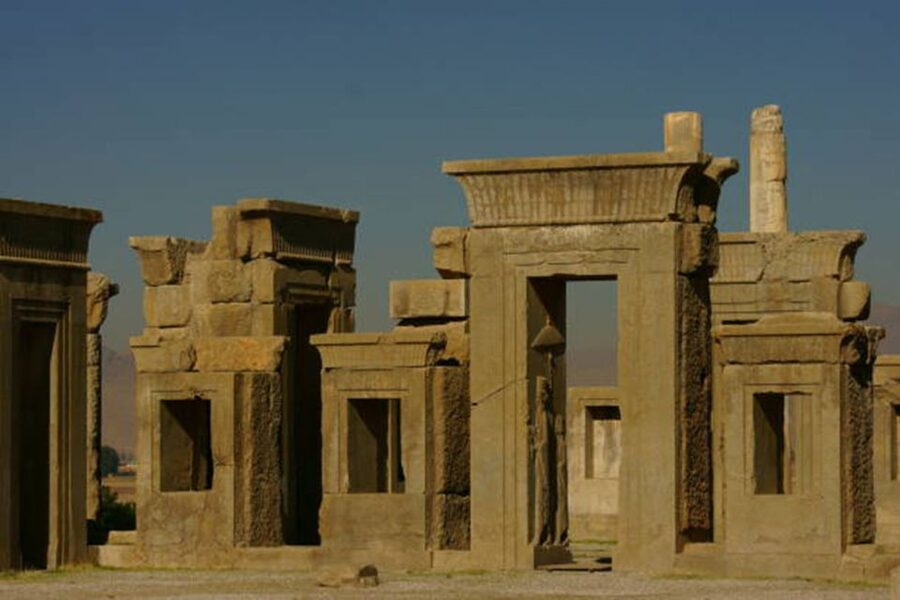
The excursion begins with hotel pickup in Hurghada, usually very early. The drive to the archaeological sites takes around four to five hours each way, although one account describes a total day closer to 12 hours rather than 16. Allow for the longer estimate. A shorter day is a pleasant surprise, not something to rely on.
Transport is described as comfortable, air-conditioned, and on time in one detailed account. That matters in Egypt, where heat and long road sections can drain your energy before the sightseeing even begins. Bottled water is included, but carry more if you normally drink a lot in hot weather.
The roads near Abydos may be rough. One visitor found that section challenging, and this is worth taking seriously if you suffer from back problems, motion sickness, or fatigue. You will spend far more time sitting than walking, but the road quality and total duration still make the day physically demanding.
Bring your passport or valid identification. Police and military checkpoints may ask to see it. Wear comfortable clothes and sunglasses, and carry some cash for personal expenses. Large bags and luggage are not allowed, so take a small day bag rather than your full holiday suitcase.
The tour is not suitable for pregnant women, wheelchair users, people with mobility impairments, serious heart conditions, or young children. It is also a poor match for anyone who needs frequent rest breaks or dislikes long drives.
Lunch and what is included for $199
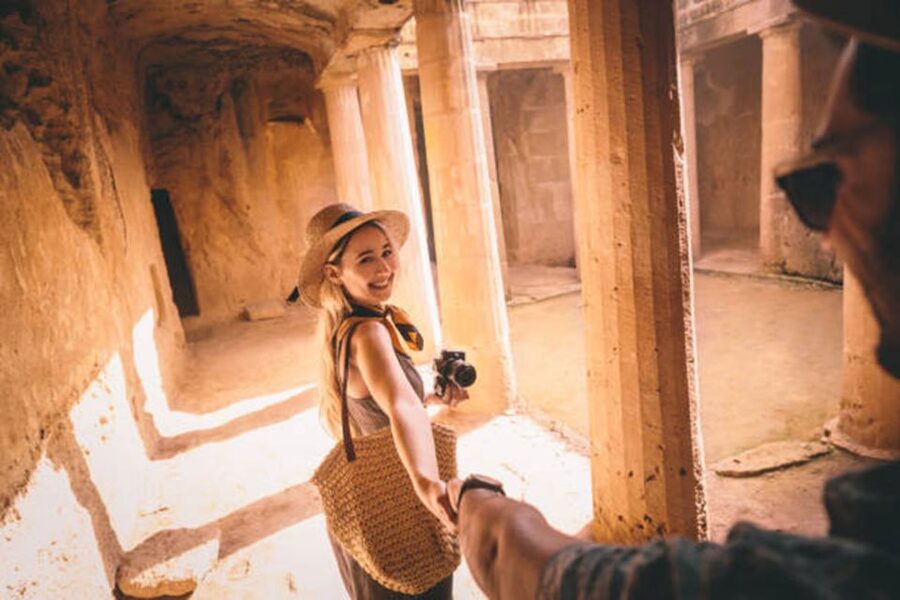
The price is $199 per person. That is not a cheap add-on, but the value depends on what you would otherwise need to arrange. The cost includes hotel pickup and return within Hurghada, entrance fees to all listed sites, a local restaurant lunch, bottled water, an Egyptologist guide, taxes, and service charges.
A local meal is included, and one account describes it as typical Egyptian food that tasted good. Do not expect a resort buffet. The point is a practical midday meal during a long excursion, not a destination restaurant experience.
The private format improves the value if you are traveling with family or a small group. You are paying for a full day of transport, a driver, site admissions, and a guide who can adjust explanations to your interests. For a solo visitor, $199 feels much steeper, but it also buys the security and simplicity of not arranging the route yourself.
Pickup is included only within Hurghada city limits. Hotels in Makadi Bay, Sahl Hasheesh, El Gouna, Safaga, and Soma Bay require an extra €10 per person. Check your hotel location carefully before comparing the headline price with other options.
The operator also allows you to reserve and pay later, and cancellation is available up to 24 hours before departure for a full refund. Since this is a weather-sensitive and physically tiring day, that flexibility has real value.
How to make the day more comfortable
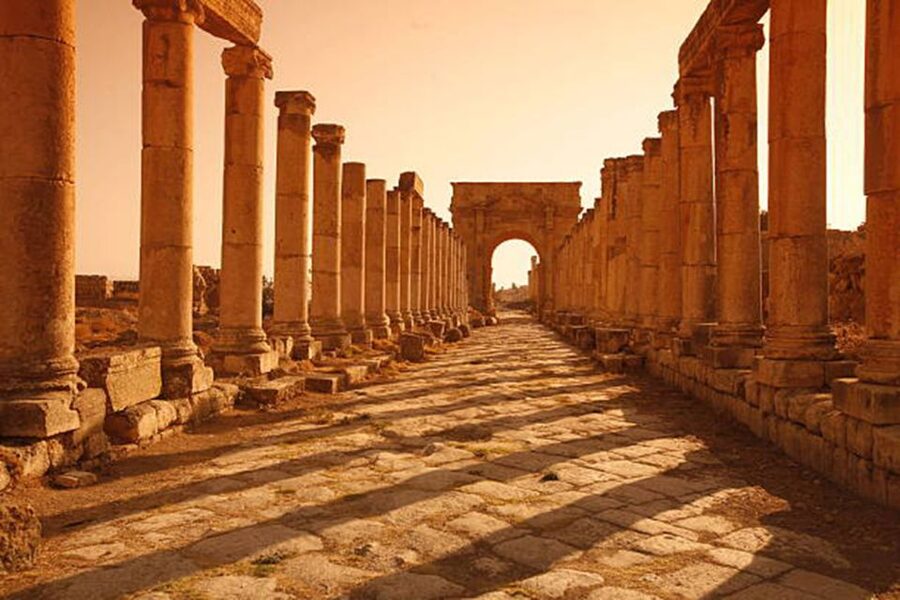
I would pack lightly and dress for sitting, walking, dust, and sun. Comfortable shoes matter more than fashionable clothes, even though the outing does not involve a major mountain climb.
Use the first part of the day to rest in the vehicle if you can. Save your attention for Seti’s temple and Dendera, where the detail is worth your energy. Ask your guide early how much time you will have at each site, since the order and pace can affect how tired you feel later.
Bring cash, even though lunch and entrance fees are included. The tour information does not specify every possible personal expense, and cash is useful for drinks or small purchases. Keep your passport or ID accessible but secure.
If you are sensitive to heat, schedule the tour for a cooler period if possible. The long drive may be more comfortable on a mild day, while a very hot day can make the Abydos approach especially tiring.
Do not plan another major activity for the evening. Even a 12-hour version of this trip leaves little energy for dinner out or nightlife. The tour works best as the main event of the day.
Who should book this Abydos and Dendera trip?
I would recommend it to anyone staying in Hurghada who has already seen the nearby resort sights and wants a stronger connection with pharaonic Egypt. It is particularly good for history fans, photographers, and people who prefer a private guide to a large coach group.
It also suits solo visitors who value organized transport and personal support. Omran’s careful approach and the reported attention from drivers such as Ahmet and Mahmoud are useful examples of what a good private day can feel like.
I would be more cautious if Dendera is your main goal. The long detour to Abydos adds hours, and one detailed account found Dendera more impressive while considering the Abydos road difficult. A shorter Luxor-based plan may make more sense if you want to avoid an exhausting road day.
Should you book it?
Book this tour if you want rare sites, strong temple decoration, and a guide-led explanation of Osiris, Hathor, and the final age of Egyptian temple building. Dendera alone is a compelling reason to go, while Abydos adds religious depth and the superb Seti I reliefs.
Skip it if you dislike long drives, have mobility or heart concerns, are pregnant, or are traveling with very young children. At $199, the trip earns its price through private transport, entrance tickets, lunch, and a guide, but only if you are willing to spend most of a day on the road.
If you book, request a guide such as Omran, Aziz, or Walid if available, confirm hotel pickup and language, and remember that the Osireion is viewed from above rather than entered. With those limits understood, this is one of the more ambitious and worthwhile archaeological outings from Hurghada.
FAQ
How much does the tour cost?
The listed price is $199 per person.
Is hotel pickup included?
Yes, pickup and drop-off are included for hotels within Hurghada city limits. Hotels in Makadi Bay, Sahl Hasheesh, El Gouna, Safaga, and Soma Bay require an additional €10 per person.
How long does the tour take?
The drive can take approximately four to five hours each way. The full excursion may last around 12 to 16 hours, depending on the schedule and road conditions.
What sites are visited?
The tour visits the Temple of Seti I at Abydos, the Osireion, and the Dendera Temple Complex.
Can you enter the Osireion?
No. On this tour, the Osireion is viewed from above rather than entered.
Is lunch included?
Yes, lunch at a local restaurant and bottled water are included. Check your voucher for the final details.
Which languages are available?
The tour is offered in English, German, French, Italian, Spanish, and Arabic.
What should you bring?
Bring your passport or valid ID, sunglasses, comfortable clothes, and cash. Large bags and luggage are not allowed.
New on the Hurghada list
- Private Tour: shopping Tour In Hurghada★ 5.0 · 26 reviews
- Super Safari ( Jeep – Quad- Buggy car-folklore-BBQ dinner)★ 5.0 · 26 reviews
- Hurghada: Neverland Musical Show Entry Tickets with Pickup★ 4.3 · 26 reviews
- Hurghada: 3 Hours Quad Bike & Camel ride★ 4.5 · 26 reviews
- Luxor Valley of the Kings from Hurghada★ 4.5 · 26 reviews
- Makadi: Giftun Island Speedboat Cruise to Orange Bay & Lunch★ 4.7 · 26 reviews
- The Super Desert Safari Jeep Tour from Hurghada★ 4.0 · 27 reviews
- Hurghada Paradise Conquest Semi Submarine Snorkeling Trip★ 4.5 · 27 reviews
Hurghada Tours, compared.


Orange Bay Island Boat Trip w/ Breakfast and Lunch
Read our review →
Royal Seascope Submarine Cruise with Snorkel Stop
Read our review →
3 Islands, Dolphins & Snorkel Yacht Trip w/ Lunch
Read our review →
Hurghada or Makadi: Discover the Magic of Dolphin House
Read our review →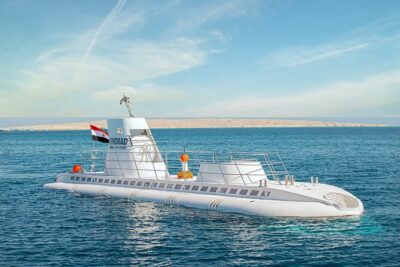
Sindbad Submarines – Hurghada (Egypt) – 2 Hours
Read our review →