
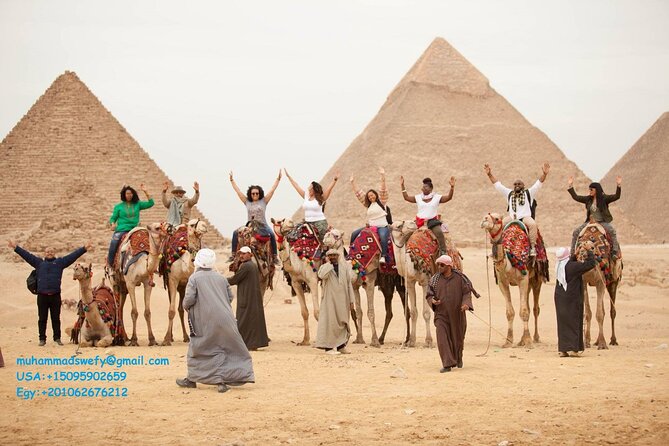
Reviewed · GIZA PYRAMIDS & SPHINX TOURS
Giza Pyramids, the Sphinx, Islamic & Coptic Cairo Tour
This private tour packs ancient Giza and historic Cairo into one full day. You begin at the Pyramids of Giza, see the Great Sphinx and Valley Temple, and take a short camel ride with views toward the group of nine pyramids. Later, the focus shifts to Coptic churches, the Citadel, and Cairo’s famous Alabaster Mosque.
I like the private vehicle and hotel pickup, since Cairo traffic and wide distances can make independent sightseeing tiring. I also like the mix of major sights and lesser-known Islamic monuments, with an Egyptologist guide who can explain how the city changed across ancient, Christian, and Islamic periods.
The main drawback is the pace. Eight hours is a lot of ground to cover, and entrance fees, lunch, drinks, and tips are not included in the $43 price. One person also found the day so full that a coffee break would have helped, so ask your guide to build in a pause.
Key points to know before booking
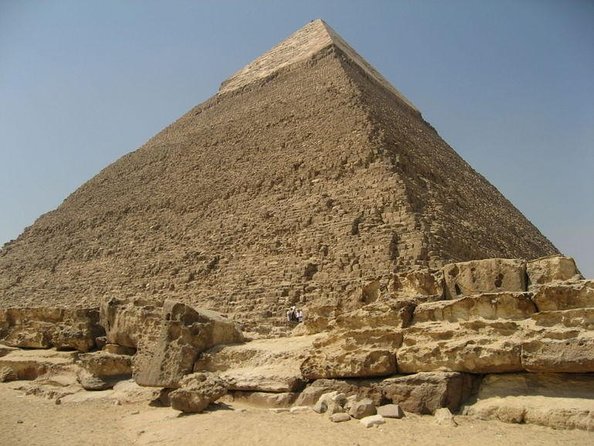
- See nine pyramids from camelback: The short ride offers a different angle on the Giza plateau and good photo opportunities.
- Visit the Great Sphinx and Valley Temple: These are included in the Giza portion, while entrance fees are extra.
- Move between three eras of Cairo: The day links pharaonic Giza, Coptic Cairo, and medieval and Ottoman Islamic Cairo.
- Ride in a private air-conditioned vehicle: Hotel pickup, return transport, and mineral water are included.
- Meet guides such as Muhammad Swefy: His approach includes both major sights and less familiar places around the old city.
- Plan for a long, active day: Moderate physical fitness is recommended, and lunch is at your own expense.
What the $43 price really covers
At $43 per person, this tour offers good value if you want transport, a private guide, and several major sights in one day. You are not simply paying for admission. The price covers a private air-conditioned vehicle, hotel pickup and return, an Egyptologist guide, bottled water, service charges, and taxes.
The important catch is that entrance fees are not included. That applies to the Pyramids of Giza and the Cairo Citadel, among other possible ticketed sites. Since the exact admission amounts can change, bring enough Egyptian currency or confirm the current prices before setting out.
Lunch is also extra. The planned stop is a deluxe Egyptian food court, which gives you a convenient chance to eat without losing much sightseeing time. Still, one person found that the full day went on without enough time for coffee or a proper pause. I would tell your guide early if you want lunch to be relaxed rather than rushed.
The low price makes the tour especially useful for a first visit or a short stay. You can cover the headline sights without arranging separate taxis, negotiating routes, or learning how to connect distant parts of Cairo. The trade-off is that the day favors coverage over a slow, detailed visit at every site.
A few other Giza days to weigh up
- Day-Tour To Giza Pyramids, Great Sphinx, Egyptian Museum & Khan El Khalili
★ 5.0 · 112 reviews - All inclusive private tour Egyptian Museum/Coptic Cairo/Bazaar
★ 5.0 · 95 reviews - Cairo City Tour 2 (Coptic & Islamic Cairo)
★ 5.0 · 57 reviews
Starting at Giza’s nine pyramids
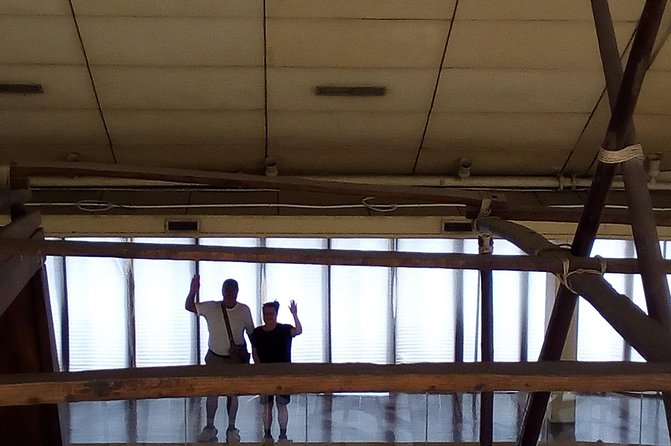
The morning begins at the Giza plateau, home to the Great Pyramid of Cheops, the Pyramid of Chephren, and the Pyramid of Menkaure. These are the famous royal pyramids, but the plateau also contains smaller queens’ pyramids and other structures. The tour presents the wider group as nine pyramids, giving you more than the standard quick stop beside the Great Pyramid.
The Great Pyramid is the only surviving wonder of the ancient world. That fact can sound familiar from every guidebook, but the scale still comes as a surprise when you are standing near its base. Your Egyptologist guide can help place the monument in context and explain how the Giza complex functioned as a royal burial site.
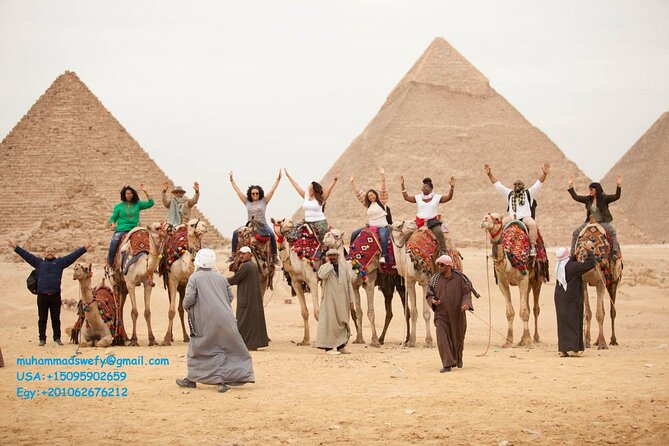
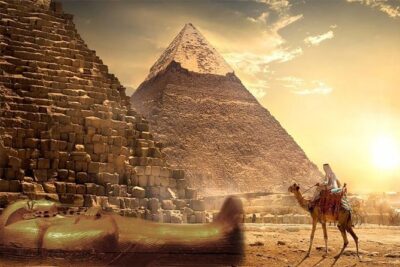
You also stop at a panoramic viewpoint. This is the place for broad photographs of the pyramids, and the camel ride adds a classic desert scene with the monuments behind you. The ride is described as short, so you should not book this expecting a long expedition across the Sahara.
Camel riding can be awkward if you have never done it. Mounting and dismounting are the parts that demand the most care, and the tour information calls for moderate physical fitness. One guide helped a participant choose a camel named Mickie, a small detail that shows how a private guide can make the activity feel less mechanical.
The camel ride is optional in spirit for some people, even though it is part of the planned experience. If you are uncomfortable around animals, have mobility concerns, or simply prefer photographs from solid ground, tell your guide. The important thing is to agree on the pace and duration before you begin.
Meeting the Great Sphinx and Valley Temple
The Great Sphinx is a huge limestone sculpture with a human head and a lion’s body. It sits near the Pyramid of Chephren and is one of the most recognizable images in Egypt. The stop is short, about 20 minutes in the listed schedule, so use the time well for photographs and a focused explanation from your guide.
The Valley Temple faces the Sphinx and forms part of the same royal complex. Its massive stone construction gives you a sense of the engineering behind the pyramids, while the nearby Sphinx helps connect the religious and royal purposes of the site.
The Giza section is scheduled for about three hours, including the pyramids, panoramic point, Valley Temple, Sphinx, and camel ride. That is enough for an overview, but not enough for an unhurried archaeological study. If the pyramids are your main reason for coming to Cairo, tell the guide you want the morning to receive the most attention.
The stop at an essential oil maker follows the Sphinx portion. You can learn about oils associated with ancient Egyptian body care, skin protection, and religious ideas about the body. This is a commercial visit, so treat it as an optional shopping opportunity rather than a core archaeological sight.
Entering Coptic Cairo through its old churches
Coptic Cairo changes the tone of the day. The area includes the Babylon Fortress, the Coptic Museum, the Hanging Church, the Greek Church of St. George, and other Christian sites. The tour allows about two hours here, giving you time to see more than one church rather than stopping only for a photograph.
Coptic tradition connects this part of Old Cairo with the Holy Family’s visit to Egypt. The Church of Saints Sergius and Bacchus, also called Abu Serga, is associated with that story. The area also shows how Christianity continued in Egypt after the Muslim conquest in the seventh century.
The Hanging Church is the main named stop. Its full name is Saint Virgin Mary’s Coptic Orthodox Church, and a church has occupied this site since the third century. The name comes from its position above the gatehouses of the old Roman fortress, giving the building a striking setting.
You have about 20 minutes at the church itself, so your guide’s explanation matters. Look for the historic setting, the Coptic design details, and the sense of continuity between Roman, Christian, and later Islamic Cairo. The stop is free according to the tour details, though the broader Coptic Cairo area may include other places with separate arrangements.
This section suits you if you want more than monuments from ancient Egypt. It adds religious and local context to the day, and one guide was especially familiar with Coptic Cairo because it was his neighborhood. A private guide with local knowledge can make this part feel less like a checklist.
Same base, a completely different day out:
- Private guided tour to Giza Pyramids, and Great Sphinx
★ 5.0 · 1,755 reviews - VIP Giza Pyramids,Sphinx,ATV bike,CamelRide,Shopping&DinnerCruise
★ 5.0 · 704 reviews - From Hurghada: Pyramids and Egyptian Museum Tour & Boat Ride
★ 4.4 · 381 reviews - Egyptian Museum in Cairo: Private Guided Tour
★ 5.0 · 316 reviews
Reaching the Citadel after the churches
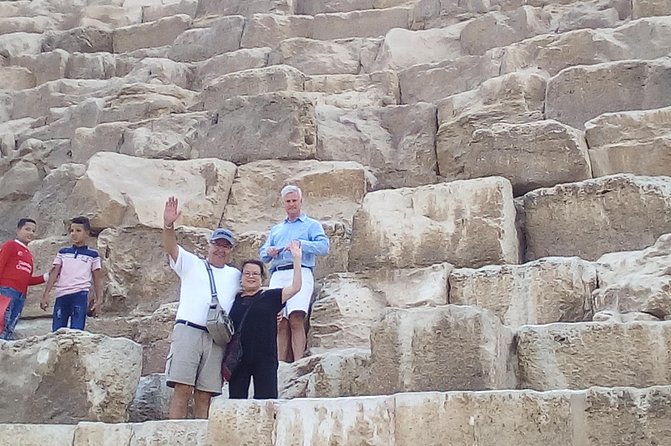
The Cairo Citadel, also called the Citadel of Saladin, introduces medieval Islamic Cairo. Salah ad-Din began the fortification, and later rulers expanded it. For nearly 700 years, it served as the seat of government and the home of Egypt’s rulers.
The Citadel stop is scheduled for about an hour and a half, although part of that time includes the Mosque of Muhammad Ali. The hilltop position gives you broad views across Cairo, and the fortress itself helps explain the city’s political development.
The Citadel is one of the day’s ticketed stops, so admission is not part of the $43 price. Wear shoes suited to walking, since this is a large historic complex rather than a single room with a quick entrance and exit.
The tour description also refers to Ali Pasha Mosque, which is the Mosque of Muhammad Ali, commonly called the Alabaster Mosque. It was commissioned by Muhammad Ali Pasha between 1830 and 1848 in memory of his son Tusun Pasha, who died in 1816.
Inside Muhammad Ali’s Alabaster Mosque
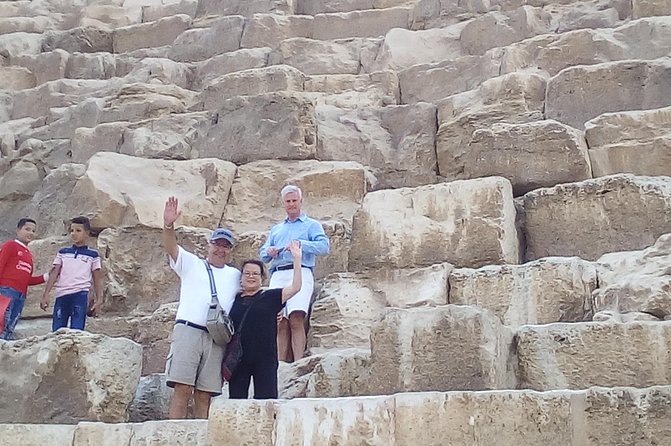
The mosque is easy to recognize from its twin minarets and large Ottoman design. It occupies the summit of the Citadel and is one of Cairo’s most visible buildings when approaching the city.
Inside, the scale shifts from fortress walls to a grand religious interior. The mosque’s name comes from the alabaster used extensively in its construction. Your guide can explain its Ottoman influence and its place in the work of Muhammad Ali Pasha, who helped shape modern Egypt.
The mosque itself is listed as a free stop within the tour, but the Citadel admission is not included. Dress appropriately for a religious site. The tour operates in all weather, so light clothing, sun protection, and a cover-up that is respectful inside the mosque are sensible choices.
The 30-minute mosque visit is enough for the main interior and a short explanation. If architecture interests you, ask the guide to slow down here. If you are more interested in the fortress and city views, make that clear before the visit begins.
The Islamic Cairo material for history fans
The supplied route includes a long list of Islamic monuments beyond the Citadel and Muhammad Ali Mosque. These include Al-Ishaqi Mosque, Bab Zuweila, Al-Salih Tala’i Mosque, the Faraj ibn Barquq funerary complex, Sabil-Kuttab, Al Kurdi Mosque, Gani Bek Mosque, Al Burdayni Mosque, Saint Safiyya Mosque, and Al-Azhar University.
That list suggests a tour with a strong interest in Cairo’s old urban fabric, not just the most famous mosque. Bab Zuweila is a Fatimid-era gate and a reminder that Cairo’s old city was once enclosed by fortified walls. It also carries stories of conflict and punishment, giving your guide a chance to explain the harder side of the city’s past.
Al-Salih Tala’i Mosque dates from the 12th century and has a distinctive architectural character. The Faraj ibn Barquq complex may have served as both a funerary monument and a madrasa, or religious school. These places reward explanation because their purpose is not always obvious from the outside.
The route also touches the Mamluk period through Al-Ishaqi Mosque, with its decorative facades and tiered minaret. Sabil-Kuttabs combine a public water fountain with an educational function, while the many mosques, madrasas, and mausoleums show how religion, charity, teaching, and burial were closely linked in old Cairo.
The Museum of Islamic Art is listed among the possible stops and has one of the world’s major collections of Islamic art and artifacts. Its inclusion is valuable for anyone who wants to connect Cairo’s buildings with objects, calligraphy, ceramics, textiles, and decorative work from across the Islamic world.
Al-Azhar University is another important point. It is among the oldest continually operating universities in the world and remains one of Cairo’s key centers of Islamic learning. Because the day already contains many stops, confirm with your guide which Islamic Cairo sites will receive a full visit and which will be viewed from outside or discussed while driving.
How the private format changes the day
This is a private tour, so only your group participates. That matters in Cairo, where traffic, heat, noise, and crowded historic areas can make a fixed group schedule tiring.
You can ask to spend more time at Giza, shorten the shopping stop, or pause for food. The guide names supplied with the experience include Muhammad Swefy, who is described as taking pride in showing both headline sights and lesser-known places that are open to anyone but often missed without local direction.
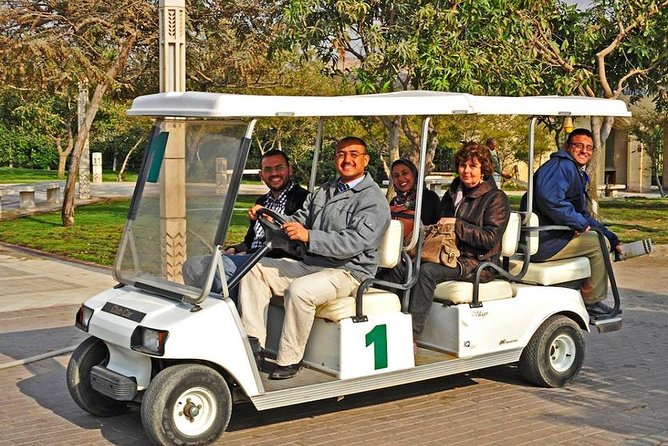
The vehicle is air-conditioned, and mineral water is provided. Hotel pickup and return are included for Cairo or Giza hotels, which removes two of the day’s most annoying transport problems. The start time is 9:00 a.m., though the exact pickup arrangement should be confirmed if your hotel is outside the central area.
The tour is not described as wheelchair accessible, and it asks for moderate physical fitness. You will be moving around open archaeological ground, churches, a fortress, and a mosque. Children must be accompanied by an adult, and service animals are allowed.
Tips for getting more from the eight hours
Tell the guide your priorities at the beginning. If you have always dreamed of seeing the Great Pyramid, protect that time. If Coptic churches or Mamluk architecture matter more to you, ask for extra explanation in Old Cairo.
Carry sun protection and wear practical shoes. The tour runs in all weather, and the Giza plateau can be demanding in strong sun. Respectful clothing is important for the churches and mosque, and it is sensible to bring water beyond the bottle supplied in the vehicle.
Keep some flexibility around lunch. The food court stop is convenient and lunch is your own expense, but a full day without a planned coffee pause may feel long. Ask for a short rest before you become tired, rather than waiting until the final sites.
Be clear about shopping visits. The essential oil stop can be interesting if you want to learn about oils used in Egyptian traditions, but it takes time away from monuments. A private tour gives you a better chance of discussing that balance openly.
Cancellation is free if you cancel at least 24 hours before the start time. Changes or cancellations made inside that window are not accepted for a refund.
Is this Cairo tour worth booking?
Book it if you have one full day, want the main Giza sights plus Christian and Islamic Cairo, and value a private guide and hotel transport. The $43 price is attractive for the vehicle, guide, pickup, return, and water, even after you add entrance fees, lunch, and gratuities.
This tour suits first-time visitors, couples, families with an adult supervising children, and anyone who wants a broad introduction without arranging several separate outings. It is also a good match for people who enjoy context and conversation, especially with a guide such as Muhammad Swefy who can connect major monuments with less familiar old-city sites.
Skip it if you want a slow archaeological day at Giza or a carefully paced museum visit. The schedule is ambitious, the camel ride is short, and the many Islamic Cairo stops may be adjusted according to time. For most people with limited time in Cairo, though, the combination is hard to beat: pyramids in the morning, churches and mosques later, and a private ride tying the whole day together.
FAQ
How long does the tour last?
The tour lasts approximately eight hours. The listed start time is 9:00 a.m.
Is hotel pickup included?
Yes. Pickup and return are provided from Cairo or Giza hotels.
Is this a private tour?
Yes. Only your group participates in the activity.
Are entrance fees included?
No. Entrance fees are not included. The Pyramids of Giza and Cairo Citadel are specifically listed as having admission costs not included in the tour price.
Is lunch included?
No. Lunch and drinks are not included. The tour includes a stop at a deluxe Egyptian food court, where you pay for your own meal.
Is the camel ride included?
A short camel ride at the Giza Pyramids is part of the planned experience. The ride offers views of the pyramids and photo opportunities.
Which major sights are visited?
The tour visits the Pyramids of Giza, Great Sphinx, Valley Temple, Coptic Cairo, the Hanging Church, Cairo Citadel, and the Mosque of Muhammad Ali. It also includes Islamic Cairo sites such as Bab Zuweila, Al-Azhar University, and the Museum of Islamic Art within the stated route.
What should I wear?
Dress appropriately for the weather and for religious sites. The tour operates in all weather, and moderate physical fitness is recommended.
Can I cancel for a full refund?
Yes, if you cancel at least 24 hours before the experience begins. Cancellations or changes made less than 24 hours before the start time are not refunded or accepted.
New on the Giza list
- Private Tour Giza Pyramids Wonders All inclusive★ 5.0 · 26 reviews
- Private Day to Giza Pyramids, Egyptian Museum and camel sunset★ 5.0 · 26 reviews
- Sakkara, Memphis & Dahshur Tour★ 5.0 · 26 reviews
- Half Day Giza Pyramids and Sphinx★ 5.0 · 26 reviews
- Pyramid Duo Rooftop Capturing Elegance from the Rooftop★ 5.0 · 26 reviews
- Comfort experience To Saladin castle, bazaar, old Cairo & museum★ 5.0 · 27 reviews
- Half Day private guided tour Giza Pyramids,Sphinx,lunch,camel rid★ 5.0 · 27 reviews
- Cairo: Giza Pyramids & Museum of Egyptian Civilization Tour★ 4.4 · 27 reviews
Giza Pyramids & Sphinx Tours, compared.
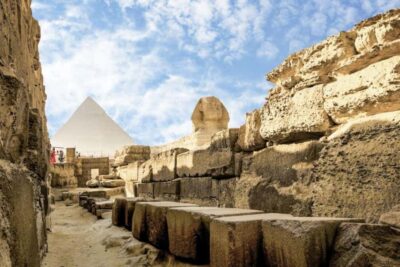
Pyramids & Great Sphinx Private Tour with Camel Ride
Read our review →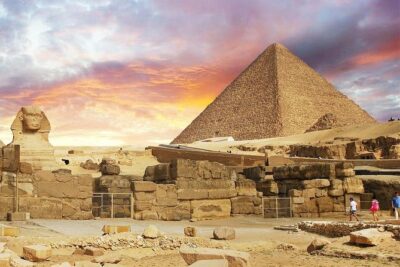
Tour to Giza Pyramids and The Egyptian Museum
Read our review →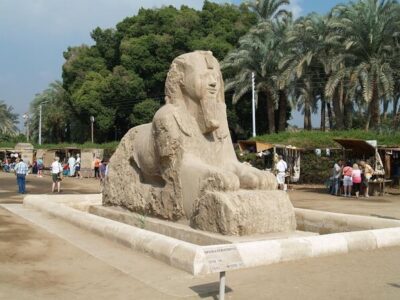
VIP All inclusive Best of the best Giza Pyramids,Sakkara,Memphis
Read our review →
Pyramids of Giza, Sphinx, Saqqara & Memphis Tour
Read our review →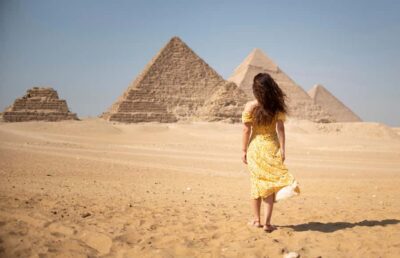
Half-Day Tour to Pyramids of Giza and the Sphinx
Read our review →
Private ViP all-inclusive Giza Pyramids,Sphinx,Inside Pyramid
Read our review →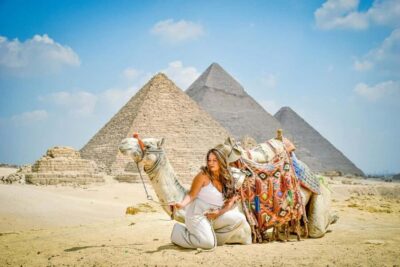
Cairo Pyramids, Sphinx & Egyptian Museum Day Trip
Read our review →Browse the lists this tour appears in