
Reviewed · ABU SIMBEL TOURS
Egypt 9 Days- Cairo Pyramids and Nile Cruise from Luxor to Aswan and Abu Simbel
The strongest feature here is the sheer sweep of the trip: you move from the Pyramids of Giza and ancient Memphis to Luxor’s temples, then float south on the Nile toward Aswan and Abu Simbel. It packs Egypt’s headline sights into nine days without making you arrange each hotel, transfer, entrance ticket, and guide yourself.
I especially like two things. First, the route gives you both Cairo and Upper Egypt, not just one region. Second, the dependable pickup service matters in a country where missed transfers can quickly spoil a day. Guides and drivers named in the feedback include Mahmoud, Remon, and Mustafa, with particular praise for their care and effort. The main drawback is the pace: nine days is efficient but full, with long sightseeing days and several changes of place.
Key points to know before booking
- Giza, Saqqara, and Memphis arrive as one powerful ancient-Egypt day, giving you more than a quick pyramid photo stop.
- Four nights on a Nile cruise connect Luxor, Edfu, Kom Ombo, and Aswan while reducing the need to repack every night.
- Abu Simbel is included, a major advantage because the temples require a long trip from Aswan.
- The group is limited to 15 people, which should make guide access easier than on a large coach tour.
- Four nights are in five-star Cairo hotels and four nights are on a luxury cruise, with different meal arrangements in each.
- Tips for guides and drivers are extra, so include that cost when judging the $2,895 price.
Why this route works for a first Egypt trip
Egypt can be tiring to organize. Cairo sits far north, Luxor and Aswan lie hundreds of miles to the south, and Abu Simbel is farther still. This tour joins those pieces into one route, with airport, hotel, and port transfers included.
You begin and end in Cairo, while the middle of the trip follows the Nile from Luxor to Aswan. That order makes sense. Cairo gives you the great national symbols first, then the cruise slows the rhythm a little as ancient temples appear along the river.
The tour is not designed for a lazy holiday. Most sightseeing days begin after breakfast and include several hours on foot. You will also deal with airport transfers, hotel checkouts, and a return flight to Cairo on Day 8. Still, the plan avoids the most common first-time mistake: spending the whole visit in Cairo and missing the temples of southern Egypt.
The maximum group size is 15. That is small enough for questions and easier movement at major sites, though it is not a private tour. You receive a qualified Egyptologist guide, and the experience uses guided visits rather than leaving you to decode huge temple walls alone.
More Boat Tours in Cairo
- Cairo: Dinner Cruise on the Nile River with Entertainment
★ 4.2 · 2,190 reviews - Cairo: Nile Sunset Dinner Cruise, Show & Optional Transfer
★ 4.1 · 2,184 reviews - Cairo: Nile Dinner Cruise with Belly Dancer Show with Pickup
★ 4.4 · 835 reviews
Days 1 to 3: Cairo, the pyramids, and old neighborhoods
Day 1 is intentionally simple. Assistance meets you on arrival, helps with formalities, and transfers you to your Cairo hotel. There is no sightseeing listed, which is sensible after an international flight. Use the evening to rest rather than trying to force in another monument.
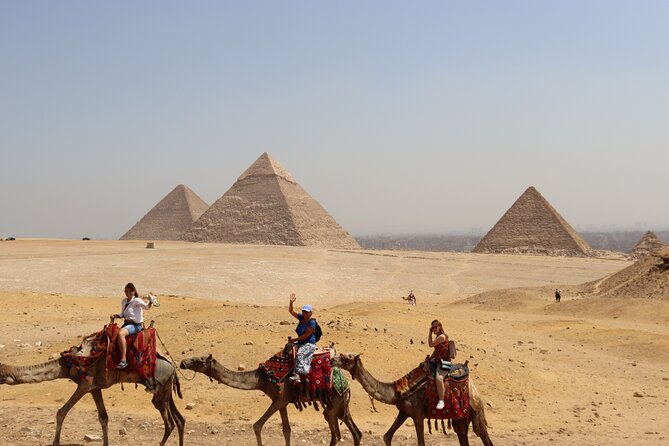
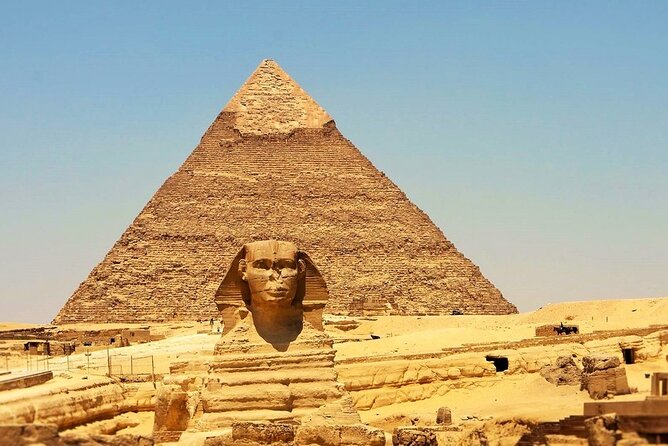
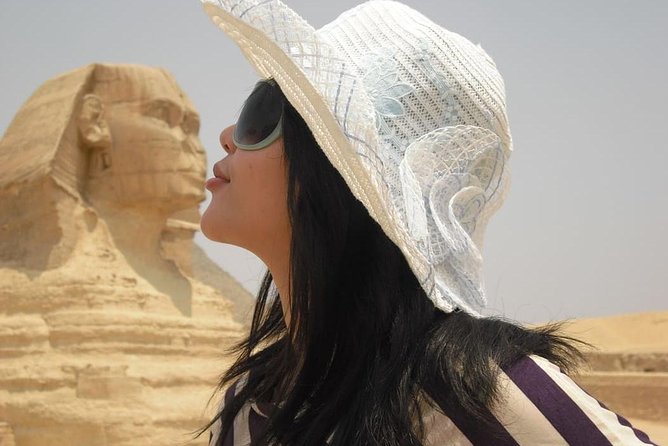
Day 2 is the first major hit of the trip: the Giza Plateau. You see the Great Pyramid, the other pyramids, and the Sphinx, with admission included. The schedule allows about three hours here, enough to take in the main viewpoints and hear the basic story of the royal tombs.
The plan also includes entry inside the queen pyramid. Access inside a pyramid can feel cramped and physically demanding, so consider your comfort before going in. The exterior views remain the main event, but the interior gives you a better sense of the construction and purpose of these monuments.
After Giza, you continue to Saqqara. The Step Pyramid of Djoser is very different from Giza’s smooth-sided monuments. Built for the Third Dynasty ruler Djoser, it is associated with the architect Imhotep and is described as Egypt’s earliest major stone structure. Its six rising stages show how pyramid design developed from earlier mastaba tombs.
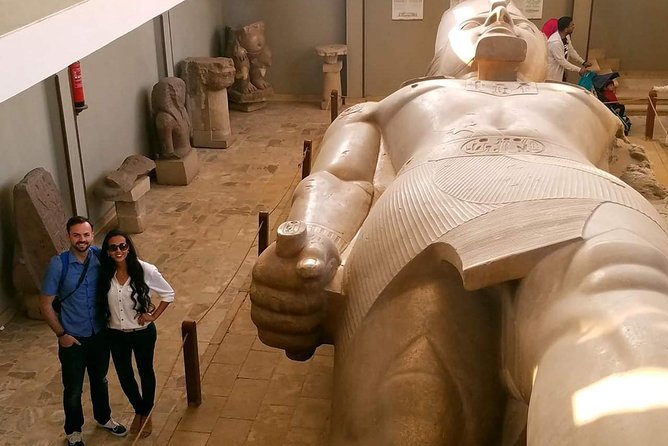
You then visit Memphis, ancient Egypt’s first capital, through the Mit Rahina Museum area. This stop adds useful context. Giza is the famous royal cemetery, while Memphis helps explain the administrative and religious center that supported the early kingdom.
The full day is scheduled for about seven hours across the three stops. That is a lot of information in one stretch, but the sequence is logical. You see the best-known pyramids, an earlier design, and the old capital in one sweep. If you like archaeology, this may be the most satisfying day in Cairo.
Day 3 changes the subject from monumental tombs to objects, faith, and city life. You spend about three hours at the Museum of Egyptian Antiquities, home to roughly 120,000 ancient Egyptian items, with only part of the collection on display at any one time. A guide is especially useful here because the collection is too large to absorb in one visit.
Next comes Khan Al-Khalili, Cairo’s major historic bazaar. The scheduled visit is one hour, so think of it as a short introduction rather than a long shopping session. You can browse, take in the old-market atmosphere, and perhaps buy a small item, but keep your bargaining energy in reserve.
The final stop is Coptic Cairo, an area that includes the Babylon Fortress, the Coptic Museum, the Hanging Church, the Greek Church of St. George, and other Christian sites. The route also points to Abu Serga, linked in Christian tradition with the Holy Family’s visit to Egypt. This is a valuable counterweight to the pharaohs and makes clear that Cairo’s story did not end with ancient Egypt.
Days 4 and 5: Luxor’s east and west banks
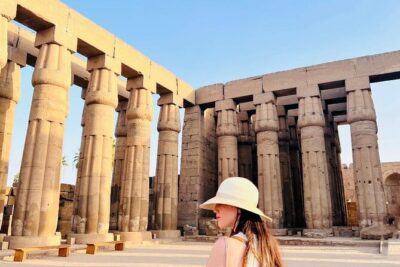
Day 4 brings you into Luxor and begins with Karnak Temple. About three hours are allowed for this huge complex, dedicated mainly to Amun and developed over a long period beginning as early as 2000 BC. Its scale can be hard to grasp from photographs. Broad courtyards, columns, gateways, and carved surfaces make this a place where a guide earns their keep.
You also visit Luxor Temple on the east bank. The temple dates roughly to 1400 BCE and was known in ancient Egyptian language as the southern sanctuary. Two hours here should give you time to follow the main route and compare its more concentrated design with the vast spread of Karnak.
The schedule separates Karnak and Luxor Temple across one substantial day, which is better than trying to squeeze both into a rushed morning. Even so, expect heat, walking, and plenty of standing. Comfortable shoes, water, and a hat are practical necessities for this part of Egypt.
Day 5 crosses to the west bank and focuses on royal burial and memorial temples. The Valley of the Kings occupies about three hours. The valley contains an East Valley and a West Valley, though the main appeal for most people is entering selected tombs and seeing painted burial chambers cut into the rock.
Admission to the mentioned sites is included, but the information provided does not specify which individual tombs or how many optional tomb entries are covered. Ask your guide at the start of the visit so you know exactly what your ticket includes.
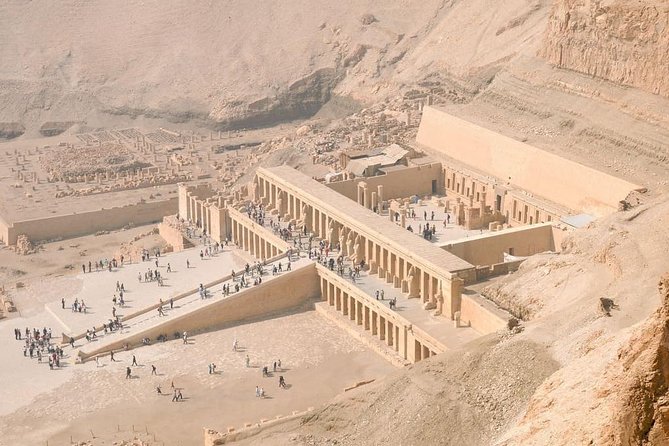
The Temple of Hatshepsut at Deir el-Bahari follows. Built for the Eighteenth Dynasty ruler Hatshepsut, it rises against the cliffs and has a very different feel from the enclosed tombs. The visit is scheduled for one hour, enough to appreciate the terraces and setting without making the whole day drag.
The Colossi of Memnon take about 40 minutes and require no admission ticket. These two huge statues represent Amenhotep III and have watched over the Theban Necropolis for roughly 3,400 years. This is a shorter stop, but it breaks up the day and gives you one of Luxor’s easiest photo opportunities.
Days 6 to 8: the Nile cruise south
The four-night luxury Nile cruise is the organizing spine of the second half of the trip. Cruise nights are based on full board, while the Cairo hotels are based on bed and breakfast. Six lunches, eight breakfasts, and four dinners are included overall, so you should check the exact meal arrangement with the operator before departure if you have special dietary needs.
Day 6 features Edfu’s Temple of Horus and Kom Ombo. The Temple of Horus is a Ptolemaic monument and is considered one of Egypt’s best-preserved temples. Three hours are scheduled, giving you time to study the carved walls and the grand entrance rather than simply stepping off the ship for a photograph.
Kom Ombo is unusual because it is a double temple. One half was dedicated to Sobek, the crocodile god linked with fertility and creation, while the other honored different deities. Two hours here should be enough for a guided walk, and the contrast between the paired sanctuaries makes this stop easy to remember.
The cruise is valuable not only because it provides accommodation. It lets you see several sites along the river without arranging separate road journeys and hotel changes. You still have scheduled visits and early starts, but the ship gives the trip a more settled base for four nights.
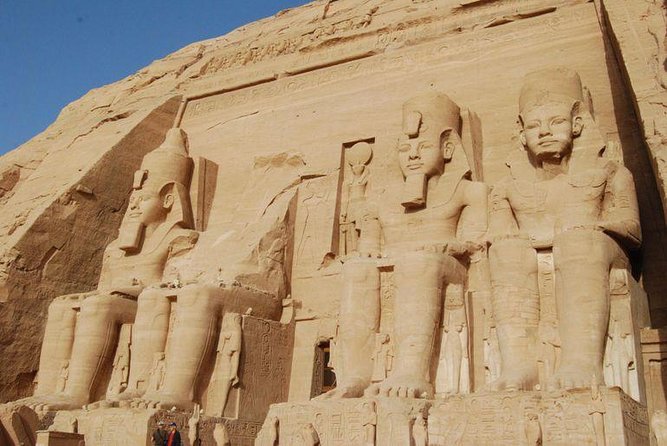
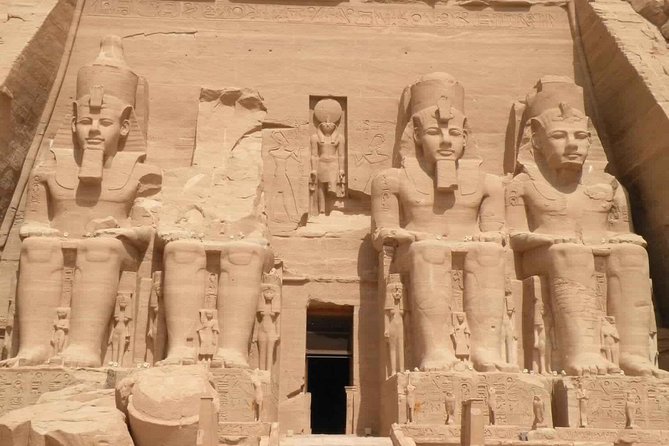
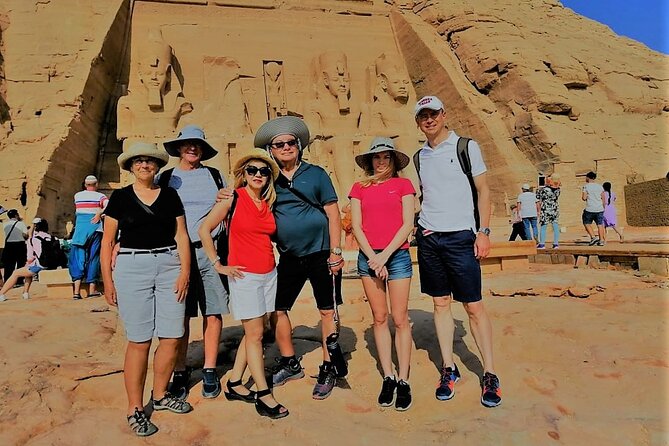
Day 7 is the long Abu Simbel day. The two rock temples sit near Lake Nasser, about 230 kilometers southwest of Aswan and close to Egypt’s border with Sudan. Five hours are allocated, which reflects the distance and the importance of the stop.
Abu Simbel is often the sight people most regret missing when planning their own Egypt trip. Here, it is built into the route with admission included. The temples were created for Ramses II and are famous for their enormous seated figures and dramatic rock-cut interiors, though those specific details are not part of the supplied schedule. Your Egyptologist guide should explain the carvings and the temples’ place in Nubian history.
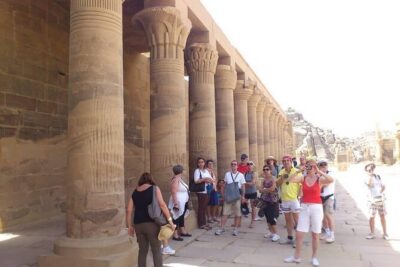
Later, you visit Philae Temple for about two hours. Philae originally stood near the First Cataract but was relocated to an island in the reservoir of the Aswan Low Dam after changes to the river system. Its island setting gives the visit a different mood from the desert tombs and city temples.
Day 8 begins with checkout from the cruise after breakfast and a flight back to Cairo. On arrival, a transfer takes you to your hotel for rest. This is not another major sightseeing day, and that is probably welcome after Abu Simbel and the final cruise stops.
The Cairo return does create a second hotel night at the end of the trip, but it also puts you in place for the final airport transfer. You are not trying to reach the airport directly from Aswan on the morning of an international departure.
More Nile cruises around Cairo:
- Luxury Felucca on the Nile with Lunch
★ 5.0 · 994 reviews - Giza: Sakkara, Memphis & Dahshur (Pyramid & Felucca Options)
★ 4.8 · 626 reviews - Private Felucca Ride on the Nile River
★ 4.2 · 537 reviews - Cairo: 1 or 2-Hour Felucca Ride on the Nile with Transfers
★ 3.5 · 451 reviews
What the $2,895 price really covers
At $2,895 per person, this is not a budget Egypt trip. The value depends on how much of the planning you want taken off your hands.
The package includes four nights at five-star hotels in Cairo, four nights on a luxury Nile cruise, a qualified Egyptologist guide, hotel and port pickup and drop-off, entrance fees for the listed sites, and the scheduled meals. It also includes the internal flight back to Cairo on Day 8, according to the itinerary.
Those inclusions add up quickly in Egypt. A self-planned version would still require hotels, a cruise cabin, guides, entrance tickets, transport between Cairo and Luxor, airport transfers, and the Abu Simbel journey. The tour may be good value for someone who wants one point of contact and does not want to negotiate each leg separately.
The price does not include tips for guides and drivers. Treat that as a real extra rather than a minor footnote. The trip is also described as all-inclusive in its highlights, but the detailed inclusions show that meals vary by location and gratuities are not covered. I would ask about drinks, optional tomb access, domestic flight details, and the exact hotel and ship names before paying.
The guide and transfer experience
The strongest practical benefit is coordination. Airport pickups, hotel transfers, port transfers, and the Cairo return are all part of the arrangement. The feedback specifically points to pickups arriving on time at different stages of the trip, which is important when flights, cruise departures, and day tours must line up.
Several names appear in the positive feedback: Mahmoud, Remon, and Mustafa. They are described as guides and drivers who went beyond the basic job. Another guide on the cruise is praised for explaining temple inscriptions and artwork in a way that brought the details to life.
The experience is capped at 15 people, but guide assignments can change. If you have a strong preference for a named guide, treat those names as useful reference points, not a guarantee.
Who should book this Egypt itinerary?
I would choose this tour if you are visiting Egypt for the first time and want the major sights in one organized trip. It suits you especially well if you value included transfers, guided explanations, and a fixed schedule more than free time.
It is also a good fit for anyone who wants Abu Simbel without arranging a separate excursion. Families can participate, but children must be accompanied by an adult, and the long sightseeing days may test younger children.
I would hesitate if you prefer to linger in one city, choose your own restaurants, or spend several unscheduled hours at museums and bazaars. Cairo’s museum and Khan Al-Khalili visits are relatively short, and the overall route leaves little room for spontaneous changes.
The cancellation terms are firm. A full refund requires cancellation at least six full days before the start time. Cancelling two to six days ahead allows a 50 percent refund, while cancelling less than two full days ahead receives no refund. The 97 percent recommendation rate and 4.8 rating from 36 reviews are encouraging, but the pace and extra tipping cost still deserve attention.
Should you book it?
Book this tour if you want Egypt’s essential ancient sites, a Nile cruise, and Abu Simbel in nine tightly managed days. Its best features are the broad route, small maximum group, included admissions, and dependable transfer structure.
Skip it if you want a slow trip or need full control over every hotel, meal, and sightseeing hour. For the right person, $2,895 buys convenience and coverage rather than spare time. Ask for the hotel and ship names, confirm the flight and ticket details, and budget separately for tips before making the final decision.
FAQ
How long is the Egypt tour?
The tour lasts approximately nine days.
Where does the tour begin and end?
It begins with arrival assistance and a hotel transfer in Cairo. After returning to Cairo on Day 8, you are transferred to Cairo International Airport for departure on Day 9.
Is a Nile cruise included?
Yes. The package includes four nights on a luxury Nile cruise, based on full board, traveling from Luxor toward Aswan.
Which major sites are included?
Included sites include the Pyramids of Giza, the Sphinx, Saqqara, Memphis, the Egyptian Museum, Khan Al-Khalili, Coptic Cairo, Karnak Temple, Luxor Temple, the Valley of the Kings, Hatshepsut’s Temple, the Colossi of Memnon, Edfu, Kom Ombo, Abu Simbel, and Philae.
Are entrance fees included?
Yes. Entry fees for the mentioned sites are included.
Are meals included?
The package includes six lunches, eight breakfasts, and four dinners. Cairo hotel nights are based on bed and breakfast, while the four cruise nights are based on full board.
Are guides and transfers included?
Yes. A qualified Egyptologist guide is included, along with hotel and port pickup and drop-off. The itinerary also includes a transfer from Cairo airport to the hotel and a transfer to Cairo International Airport for departure.
Are tips included in the price?
No. Tips for guides and drivers are not included.
What is the maximum group size?
The activity has a maximum of 15 participants.
What is the cancellation policy?
You can receive a full refund if you cancel at least six full days before the experience starts. Cancelling two to six full days ahead allows a 50 percent refund. Cancelling less than two full days ahead is nonrefundable.
More Boat Trips in Cairo
- Giza pyramids, Sphinx, ATV bike, Lunch,Camel ride, Dinner cruise& shopping tour
★ 5.0 · 798 reviews - Cairo: Dinner Cruise on the Nile River
★ 4.2 · 741 reviews - 2-Hour Nile River Dinner Cruise From Cairo
★ 4.5 · 672 reviews - Giza Pyramids,Sphinx,Camel Ride,ATV Bike,Shopping, Dinner cruise
★ 5.0 · 479 reviews
More Abu Simbel Tours in Cairo
- Egypt 8 nights:Cairo,Luxor,Aswan,Abu Simbel,Nile cruise,Balloon
★ 4.5 · 227 reviews - Our Exceptional 5 days Cairo, Luxor and Abu Simbel Tour Package
★ 5.0 · 212 reviews - From Cairo: 2-Day Abu Simbel & Luxor Tour
★ 3.9 · 136 reviews - 3 Night Luxor and Aswan Nile Cruise with Hot Air Balloon, Abu Simbel from Luxor
★ 5.0 · 76 reviews
New on the Cairo list
- Private Half Day Tour to Giza Pyramids & Great Sphinx from Cairo★ 5.0 · 26 reviews
- Private Tour Giza Pyramids Wonders All inclusive★ 5.0 · 26 reviews
- Private Tour To Pyramids of Giza Memphis Saqqara With Lunch★ 5.0 · 26 reviews
- 2 days 1 night Luxor,Aswan & Abu simbel by flight from Cairo★ 4.5 · 26 reviews
- Private Day to Giza Pyramids, Egyptian Museum and camel sunset★ 5.0 · 26 reviews
- Siwa Oasis Tour 3 Day 2 Nights from Cairo★ 5.0 · 26 reviews
- VIP Cairo Day Trip Coptic Orthodox Church & Islamic Old Mosques★ 5.0 · 26 reviews
- Cairo sailing boat Tours on the Nile by felucca★ 4.0 · 26 reviews
Abu Simbel Tours, compared.
4-Days Nile Cruise From Aswan To Luxor including Abu Simbel and Hot Air Balloon
Read our review →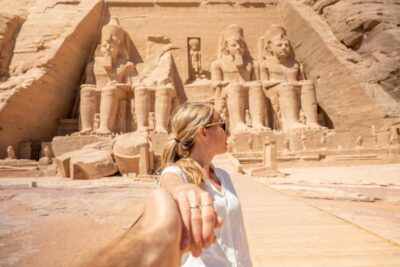
4-Day 3-Night Nile Cruise from Aswan to Luxor including Abu Simbel, Air Balloon
Read our review →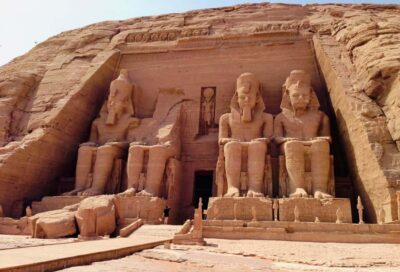
Abu Simbel Temple Private Guided Day Trip with Lunch
Read our review →4-Days Nile Cruise From Aswan To Luxor including Abu Simbel and Hot Air Balloon
Read our review →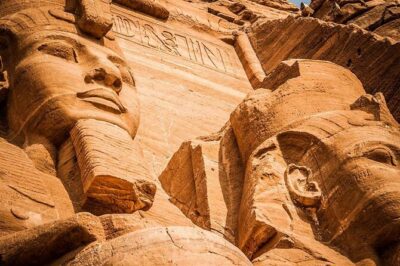
Private Day Tour to Abu Simbel Temples from Aswan
Read our review →4 Days Nile Cruise from Aswan to Luxor including Abu Simbel and Hot Air Balloon
Read our review →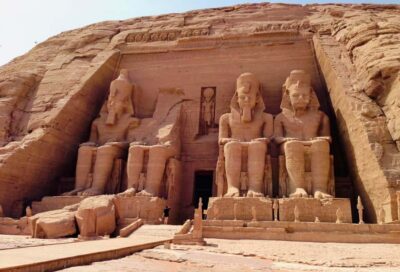
Browse the lists this tour appears in