
Reviewed · NILE CRUISES
7 Days & 6 Nights by Flight Cairo Pyramids & Nile cruise Aswan To Luxor(Private)
The great appeal here is simple: in seven days, you see Egypt’s headline sights without having to arrange each hotel, transfer, flight, and temple visit yourself. You begin at the Giza Pyramids, then fly south to Aswan and sail north toward Luxor, turning a long list of ancient sites into one connected journey.
I especially like the private format, which gives your group its own guide and air-conditioned vehicle, and the way the cruise links Philae, Kom Ombo, Edfu, and Luxor. The main consideration is pace. Cairo sightseeing, domestic flights, and several early temple visits make this a full schedule, and entrance fees, tipping, visa costs, and optional outings add to the advertised price.
Key points to know before booking
- Giza and the Egyptian Museum arrive early in the trip, giving you Egypt’s most famous sights before the Nile cruise begins.
- The Aswan to Luxor cruise is the trip’s organizing thread, with meals and three nights aboard a five-star superior ship.
- Domestic flights are included, saving you long overland transfers between Cairo, Aswan, and Luxor.
- You travel privately, with your own group, guide, and sightseeing transportation rather than joining a large coach.
- Entrance fees are not included, even though the sightseeing transport and guiding are covered.
- The price is about $1,000 per person, a useful value if you want a tightly arranged first visit and can accept the brisk pace.
Why this seven-day route works
Egypt can feel difficult to organize on your own. Cairo is sprawling, Aswan and Luxor are far to the south, and the major temples sit along a river corridor with their own transport needs. This trip packages the main pieces into a single route: Cairo, flight to Aswan, Nile cruise to Luxor, flight back to Cairo.
That route also gives you a useful change of rhythm. Cairo brings traffic, museums, churches, and the giant Giza Plateau. The Nile portion is slower, with breakfast on board, shore visits, lunch during sailing, and time to watch the river pass from the ship.
You should not expect a leisurely week with long unscheduled afternoons. The itinerary uses the available time tightly, especially on flight days and during the West Bank visits in Luxor. Still, if your goal is to see the classic sights in one first trip, the structure makes good sense.
The tour is private, so only your group participates in the sightseeing. That matters at crowded sites. You can ask your guide to explain a point again, adjust the amount of time spent taking pictures, or clarify the difference between one pharaoh and the next without relying on a fixed group schedule.
More Boat Tours in Cairo
- Cairo: Dinner Cruise on the Nile River with Entertainment
★ 4.2 · 2,190 reviews - Cairo: Nile Sunset Dinner Cruise, Show & Optional Transfer
★ 4.1 · 2,184 reviews - Cairo: Nile Dinner Cruise with Belly Dancer Show with Pickup
★ 4.4 · 835 reviews
Arrival in Cairo and your first evening
Your trip begins with pickup at Cairo International Airport. A representative assists with passport control formalities, luggage identification, and portage before a private air-conditioned vehicle takes you to the hotel.
The arrival service is useful after an international flight, particularly if you are unfamiliar with the airport or do not speak Arabic. Your representative also provides information about the next day’s excursion, which helps you understand the early rhythm of the trip.
You stay at the Ramses Hilton or a similar five-star hotel for the Cairo nights, with breakfast included. The first evening is open for optional plans. You can pay extra for the pyramids’ Sound and Light Show or choose a Nile dinner cruise with a show in downtown Cairo.
These extras are not part of the advertised package, so treat them as add-ons rather than essential parts of the tour. After a long flight, a quiet hotel evening may be the wiser choice. The start time is listed as noon at Cairo International Airport, so confirm your arrival details carefully when booking.
Giza, the Egyptian Museum, and Coptic Cairo
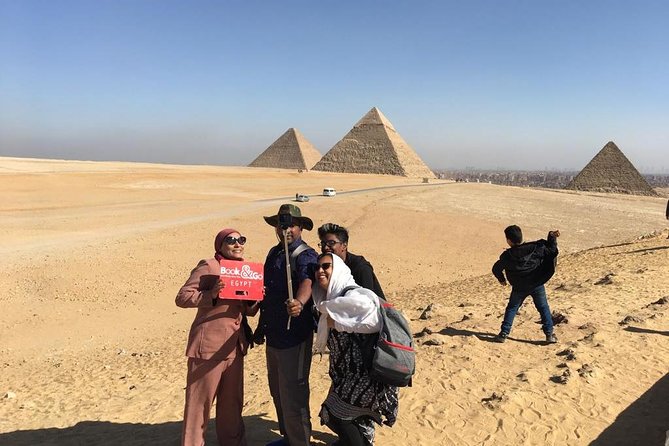
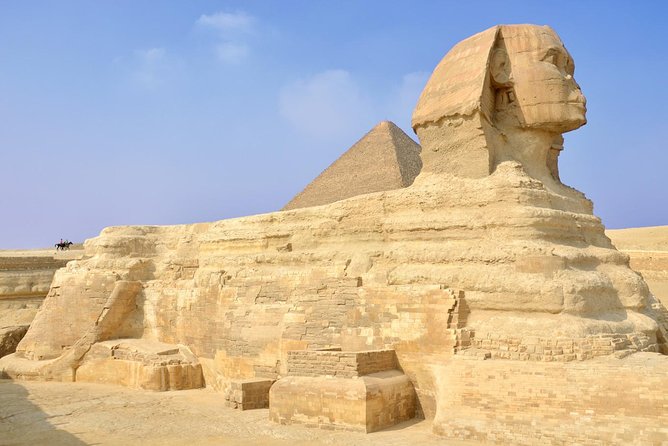
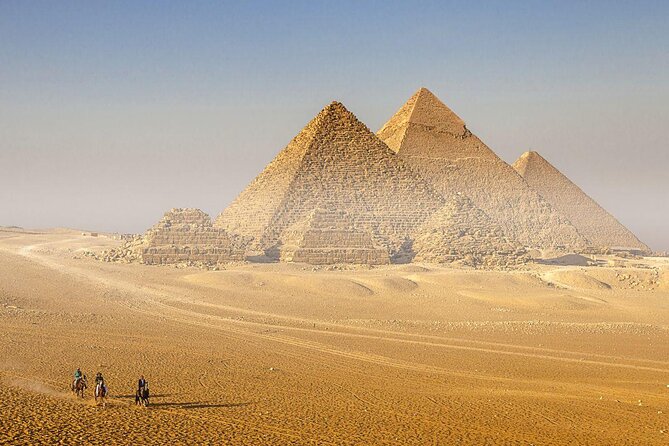
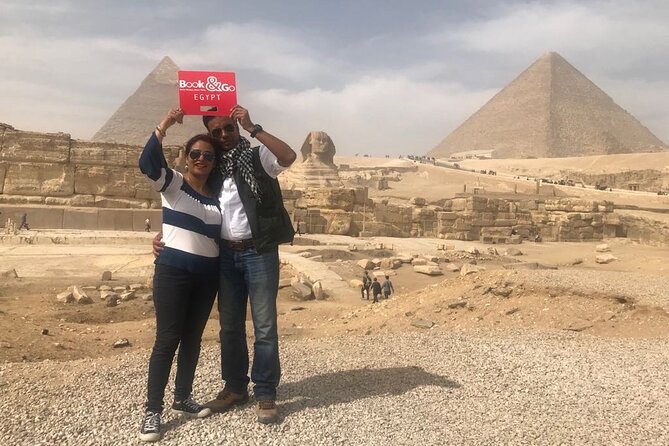
Day two is the main Cairo sightseeing day. After breakfast, a private Egyptology guide takes you to the Giza Plateau, where you see the pyramids of Cheops, Chephren, and Mycerinos, along with the Sphinx.
The pyramids are not just a quick photo stop. Their scale becomes clear as you move around the plateau and see how the monuments dominate the open desert setting. You have about two hours here, enough for explanations and photographs, though anyone wanting to enter a pyramid should confirm the extra admission and timing with the guide.
The Sphinx deserves close attention. Its worn face and lion body are familiar from countless pictures, but the setting gives it more force than a photograph can. Bring water, protect yourself from the sun, and wear shoes suited to uneven ground.
Next comes the Egyptian Museum, described in the itinerary as holding about 120,000 Egyptian artifacts, including famous objects connected with Tutankhamun and the Royal Mummy Room. The museum visit is scheduled for about two hours.
Two hours gives you a useful introduction, not a complete museum study. Ask your guide to focus on the pieces that matter most to you. The admission fee is not included, so budget for it separately. The museum stop pairs well with Giza because you first see the monumental tombs, then examine the objects and human stories connected with ancient Egypt.
The final Cairo stop is Coptic Cairo, a historic part of Old Cairo containing the Babylon Fortress, the Hanging Church, the Greek Church of St. George, the Coptic Museum, and other churches and sites. The planned visit lasts about an hour.
This changes the subject from pharaohs to Egypt’s Christian heritage. It also gives the day some variety after two major ancient sites. Admission is included for this stop, unlike many of the archaeological sites elsewhere on the route.
Flying south to Philae and the Aswan High Dam
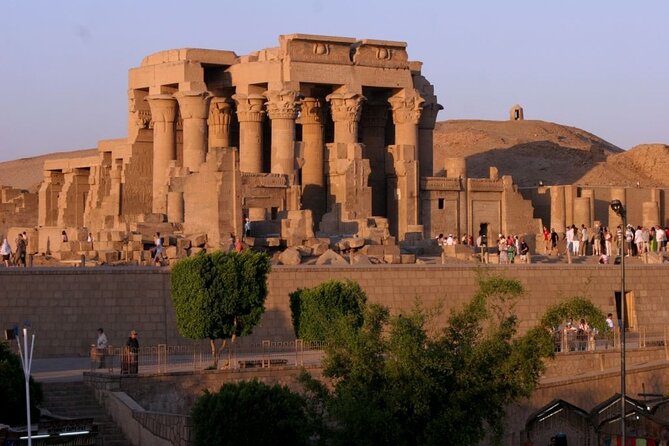
After breakfast on day three, you transfer to Cairo International Airport for the flight to Aswan. The Cairo to Aswan domestic flight is included, as is the airport transfer and private sightseeing vehicle after arrival.
The first Aswan visit is Philae Temple. The sanctuary sits on an island in the reservoir created by the Aswan Low Dam, downstream from the High Dam and Lake Nasser. The temple complex was dedicated in large part to Isis and was one of Nubia’s major religious centers.
Philae is a special introduction to the Nile cruise because the water setting is part of the experience. The temple is not simply beside the river. It is linked to an island landscape shaped by modern dam projects, and its survival reflects the effort made to protect important monuments from rising water.
The visit lasts about two hours, with admission extra. Keep some flexibility in your expectations on this day because flight schedules and airport transfers can affect the pace. The supplied plan takes you directly from the airport into sightseeing, then to the ship for lunch and accommodation.
The Aswan High Dam follows. Built between 1960 and 1970, it controls floods, supports irrigation, and generates electricity. It also created Lake Nasser, described in the itinerary as about 550 kilometers long and 35 kilometers wide.
The dam is a modern engineering stop rather than an ancient monument. That contrast is useful. You see how twentieth-century Egypt reshaped the river, then spend the following days visiting temples and tombs that survived earlier changes in religion, politics, and water levels.
After the dam, you go to the cruise ship for lunch and check-in. The included cruise accommodation is described as a five-star superior Nile cruise on a full-board plan for three nights.
More Nile cruises around Cairo:
- Luxury Felucca on the Nile with Lunch
★ 5.0 · 994 reviews - Giza: Sakkara, Memphis & Dahshur (Pyramid & Felucca Options)
★ 4.8 · 626 reviews - Private Felucca Ride on the Nile River
★ 4.2 · 537 reviews - Cairo: 1 or 2-Hour Felucca Ride on the Nile with Transfers
★ 3.5 · 451 reviews
Kom Ombo and Edfu from the ship
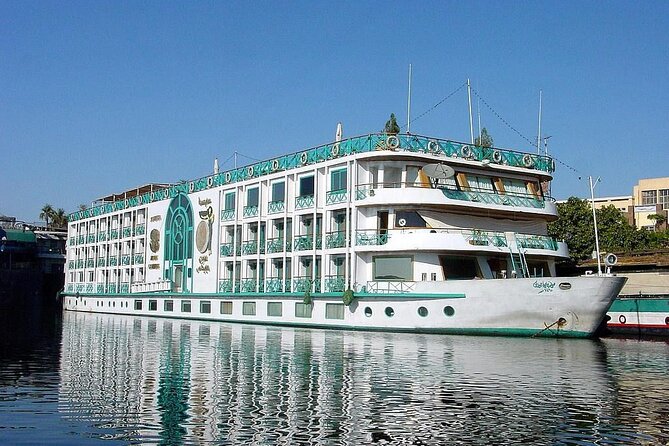
Day four settles into the cruise routine. You eat breakfast on board, sail to Kom Ombo, and visit its temple for about two hours. The complex is unusual because it was shared by two gods, Sobek and Haroeris.
Kom Ombo rewards a guide’s explanation. Its paired religious focus gives the site a different feel from the single-deity temples later in the route. You can also see how the cruise schedule works in practice: the ship moves between visits, so the river itself becomes part of the sightseeing rather than just a means of transport.
Admission is not included. That point matters because several of the most important stops carry separate entry charges. The tour covers the guide, transportation, and planned visits, but you need extra cash or another accepted payment method for site tickets.
After lunch on board, you sail to Edfu for the Temple of Horus. The itinerary calls it Egypt’s best-preserved cult temple, and its condition makes it particularly helpful for understanding how a large temple was arranged.
You have about two hours at Edfu, followed by afternoon tea while sailing toward Esna. Dinner and overnight accommodation are on the ship. This is one of the more balanced days because the sightseeing is broken into two substantial visits with sailing time between them.
The ship arrangement also reduces daily hotel changes. You unpack once for the cruise and use the vessel as your base while the route moves north. I like that practical side of Nile cruising, although you should remember that the schedule remains tied to the ship’s sailing and docking timetable.
Luxor’s West Bank: tombs, Hatshepsut, and the Colossi
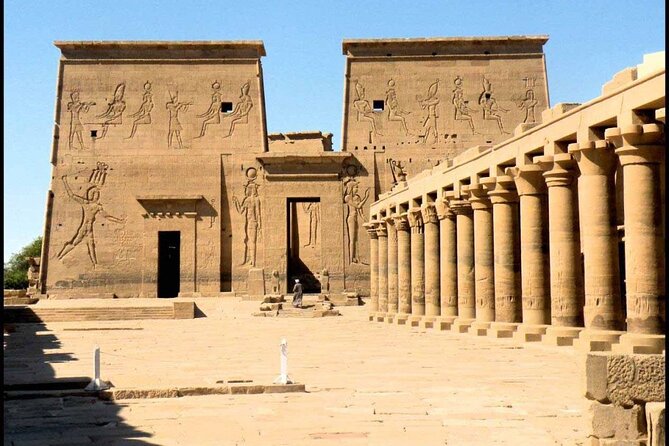
Day five brings the cruise toward Luxor and the famous West Bank. After breakfast on board, you visit the Valley of the Kings, the royal cemetery associated with 62 pharaohs.
The valley is one of the trip’s strongest archaeological stops, but it is not a single grand building. You enter selected tombs, where the scale is smaller and the decoration is often more important than the exterior. Which tombs are open can vary, so ask your guide what is available that day and which additional tickets may apply.
The Valley of the Kings can be hot, and the schedule places it alongside other outdoor sites. Carry bottled water, which is included during the trip, and plan on sun protection. The tour provides sightseeing assistance, but personal comfort still depends on what you bring.
Next is the mortuary temple of Queen Hatshepsut at Deir el-Bahari. Built in the fifteenth century BC, the temple is set against the cliffs and arranged in broad terraces. Its design gives you a strong visual break from the enclosed tombs in the valley.
Hatshepsut’s story also adds a useful political layer to the itinerary. She ruled as pharaoh during the New Kingdom, and her temple reflects both religious purpose and royal power. The visit lasts about two hours, with admission separate.
You pass the Colossi of Memnon on the way. The stop is listed as about 15 minutes and has no admission charge. It is a short photo opportunity rather than a full visit, so do not expect the same time here as at the valley or Hatshepsut’s temple.
This day can feel demanding. The sites are spread out, the sun can be strong, and the ancient names come quickly. A private guide is especially useful here because you can ask for a simpler explanation or spend more time on the monument that interests you most.
Luxor Temple and the flight back to Cairo
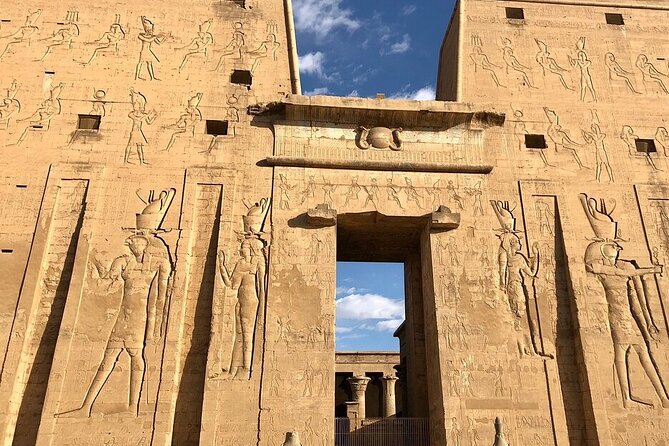
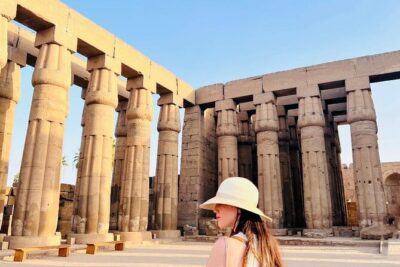
After breakfast on day six, you disembark from the cruise and visit Luxor Temple. The planned visit lasts about three hours, including the transfer and sightseeing arrangements.
Luxor Temple gives the itinerary a strong final ancient-Egypt chapter. After seeing tombs and mortuary monuments on the West Bank, you visit a major temple site on the east side of the Nile. The contrast helps you understand that ancient Thebes was not just a burial ground, but also a place of ceremony and public religious life.
Admission is not included. Once the visit is complete, you transfer to Luxor Airport for the flight back to Cairo, then continue by private vehicle to your Cairo hotel.
This is another long day, and the flight timing matters. You should avoid planning an important independent evening activity in Cairo unless you have plenty of spare time. The tour handles the airport and hotel transfers, but flight delays or a slow temple visit can affect your arrival.
The final morning is intentionally light. After breakfast, you have free time before the transfer to Cairo International Airport for your international departure. The plan works best if your departure is not so early that you miss the included breakfast or require a very rushed transfer.
What the $1,000 price really covers
At about $1,000 per person, the value depends on how much independent planning you want to avoid. The package includes three Cairo hotel nights with breakfast, three nights on a full-board Nile cruise, private transfers, domestic flights from Cairo to Aswan and Luxor to Cairo, guides, sightseeing transportation, bottled water, listed meals, service charges, and taxes.
That is a substantial bundle for a one-week Egypt trip. The flights alone remove two difficult long-distance travel legs. The private vehicle and guide also save you from arranging separate transport at Giza, Aswan, and Luxor.
The package lists five breakfasts, four lunches, and three dinners. Many meals are covered, but not every meal during the seven days. Check the daily plan before assuming that all food is included.
The price does not include international airfare, the Egyptian entry visa, optional tours, tipping, or entrance fees to the sites listed in the itinerary. Tipping is set at $5 per person per day for drivers, hotel staff, and cruise staff, according to the tour information. That means the real trip cost will be higher than the headline figure.
The optional hot-air-balloon ride in Luxor deserves a note. It is not included, but one traveler specifically found it well worth the extra cost. If the flight time and weather allow it, ask about availability before the final Cairo transfer. Do not assume it will fit without checking the schedule.
Guides, transport, and the private advantage
The tour provides an English-speaking guide, with other languages available by request. Guides named in the supplied experience details include Omar, Jaffa, and Ronda, though your assigned guide may differ.
The guide is central to the trip. Egypt’s sites can otherwise become a blur of kings, gods, dynasties, and similar-looking stonework. A good explanation turns the Sphinx, Philae, Kom Ombo, Edfu, and the Valley of the Kings into separate chapters instead of one long list.
The tour’s private format is a real benefit for couples, families, and small groups. You are not waiting for a large coach to load at each stop, and your questions can shape the day. The tradeoff is that the itinerary remains fairly fixed because it must match domestic flights, cruise movements, and site hours.
Air-conditioned private vehicles are used for transfers and sightseeing. That is welcome in Egypt’s heat, but conditions can still feel humid and tiring. One past guest specifically found the humidity uncomfortable, so choose your travel season with climate in mind if you have flexibility.
The overall rating is 4.8 from 38 ratings, with 95 percent recommending the experience. That fits the tour’s strongest qualities: careful organization, a private guide, included transport, and a full set of major sights. It does not remove the need to budget for admissions and extras.
Who should book this Egypt itinerary
I would choose this trip if you are visiting Egypt for the first time and want the classic route handled from airport to airport. It suits you particularly well if you value a private guide, prefer not to organize domestic flights, and like having hotel and cruise arrangements settled in advance.
It is also a good fit for couples or small groups that want to move at a more personal pace than a large group tour allows. The cruise provides a comfortable base for the southern part of the trip, while the Cairo hotel gives you a fixed place before and after the river portion.
I would think twice if you want long periods of free time, extensive independent museum visits, or a slow cruise with few shore excursions. This is a highlights program, not an unhurried archaeological study. The days are full, and the optional experiences and entry tickets require extra planning and money.
You should also be comfortable with early starts, airport transfers, outdoor heat, and a schedule that changes cities more than once. Most participants can take part, but the pace may feel demanding if you prefer limited walking or frequent rest breaks.
Should you book this private Cairo and Nile cruise?
Book it if your priority is maximum sightseeing in one week with private guiding, domestic flights, and a Nile cruise already joined into one plan. The route covers the major first-visit sights, and the river section gives the trip a natural flow from Aswan to Luxor.
Before paying, confirm the hotel and ship names, your flight times, the exact entrance fees, the visa requirements, and the optional tour costs. Add the daily tip, site admissions, and any balloon ride or dinner cruise to your working budget.
If you accept the brisk pace and plan for the extra charges, this is a practical way to experience Egypt’s essential monuments without spending your holiday solving transport puzzles.
FAQ
What is included in the seven-day Egypt tour?
The package includes airport meet-and-greet service, private air-conditioned transfers, domestic flights from Cairo to Aswan and Luxor to Cairo, three Cairo hotel nights with breakfast, three nights on a five-star superior Nile cruise, private sightseeing tours, an English-speaking guide, bottled water, listed meals, service charges, and taxes.
Are entrance fees included?
No. Entrance fees to the listed sites are not included. Some individual stops, such as Coptic Cairo and the Colossi of Memnon, are marked as included or free, but you should budget separately for most major archaeological sites.
How many nights are spent on the Nile cruise?
You spend three nights on the Nile cruise. The cruise travels from Aswan toward Luxor, with stops including Kom Ombo, Edfu, and the Luxor area.
What meals are included?
The package lists five breakfasts, four lunches, and three dinners. Meals are provided at the hotel, on the cruise, and during tours as specified in the daily plan.
Is this a private tour?
Yes. Only your group participates in the private sightseeing tours. Transfers use private air-conditioned vehicles, and an English-speaking guide accompanies the planned excursions.
Can I cancel for a full refund?
You can cancel at least 24 hours before the experience start time for a full refund. Cancellations or changes made less than 24 hours before the start time are not accepted for a refund.
More Boat Trips in Cairo
- Giza pyramids, Sphinx, ATV bike, Lunch,Camel ride, Dinner cruise& shopping tour
★ 5.0 · 798 reviews - Cairo: Dinner Cruise on the Nile River
★ 4.2 · 741 reviews - 2-Hour Nile River Dinner Cruise From Cairo
★ 4.5 · 672 reviews - Giza Pyramids,Sphinx,Camel Ride,ATV Bike,Shopping, Dinner cruise
★ 5.0 · 479 reviews
More 7-Day Experiences in Cairo
- Incredible 7 Days Tour around Cairo, Luxor, and Hurghada
★ 5.0 · 117 reviews - 7 Days Egypt Tour Package to Cairo and Nile Cruise
★ 5.0 · 62 reviews - 7 Day Pyramids & Nile Cruise By Air
★ 5.0 · 30 reviews
New on the Cairo list
- Private Tour Giza Pyramids Wonders All inclusive★ 5.0 · 26 reviews
- Private Half Day Tour to Giza Pyramids & Great Sphinx from Cairo★ 5.0 · 26 reviews
- Private Tour To Pyramids of Giza Memphis Saqqara With Lunch★ 5.0 · 26 reviews
- 2 days 1 night Luxor,Aswan & Abu simbel by flight from Cairo★ 4.5 · 26 reviews
- Private Day to Giza Pyramids, Egyptian Museum and camel sunset★ 5.0 · 26 reviews
- Siwa Oasis Tour 3 Day 2 Nights from Cairo★ 5.0 · 26 reviews
- VIP Cairo Day Trip Coptic Orthodox Church & Islamic Old Mosques★ 5.0 · 26 reviews
- Full Day Private Tour to visit Old Coptic Cairo & Islamic Cairo★ 5.0 · 26 reviews
Nile Cruises, compared.
4-Days Nile Cruise From Aswan To Luxor including Abu Simbel and Hot Air Balloon
Read our review →
Sakkara, Memphis & Dahshur (Pyramid & Felucca Options)
Read our review →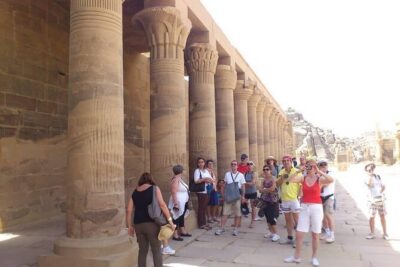
4-Day 3-Night Nile Cruise from Aswan to Luxor including Abu Simbel, Air Balloon
Read our review →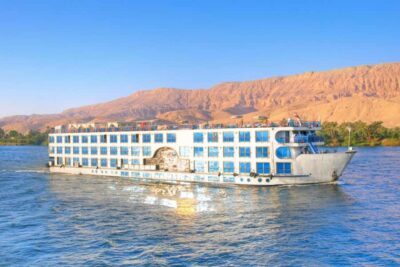
4-Day Nile Cruise from Aswan to Luxor with Guide
Read our review →
4-Days Nile Cruise From Aswan To Luxor including Abu Simbel and Hot Air Balloon
Read our review →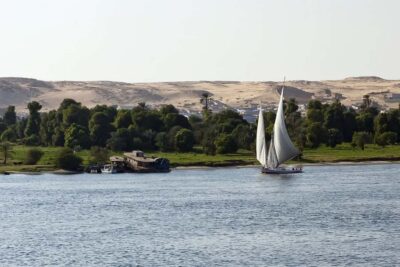
1 or 2-Hour Felucca Ride on the Nile with Transfers
Read our review →Browse the lists this tour appears in