
Reviewed · ABU SIMBEL TOURS
5-Day Nile Cruise Luxor to Aswan Abu Simbel and Hot-Air Balloon
The best part of this five-day Nile cruise is the rhythm: ancient temples by day, then a floating hotel, open buffet meals, and Nile views by night. You move from Luxor’s royal tombs to Aswan’s island temples without packing up every morning.
I like the strong concentration of major sights, especially Karnak, the Valley of the Kings, Edfu, Philae, and Abu Simbel. I also like that meals, four nights aboard ship, transfers, taxes, and several extra workshops are built into the price. The main caution is that the wording around admission tickets and optional visits is not fully clear, and the hot-air balloon ride is not included.
Key points to know before booking
- Four nights on the Nile: You sleep aboard the cruise ship while moving between Luxor and Aswan.
- A full ancient-Egypt itinerary: The route includes royal tombs, major temples, the Aswan High Dam, and a shared trip to Abu Simbel.
- Guides are a major part of the experience: Guides named in the supplied information include Mohamed Moniem and Mohamed Abdel Monem, with multilingual support noted.
- Meals and transfers are included: Breakfast, lunch, and dinner are provided for all four cruise days, along with air-conditioned transfers.
- The balloon ride costs extra: The title includes a hot-air balloon, but the ride is specifically listed as not included.
- Plan for a busy schedule: Most sightseeing blocks last one to two hours, with several major sites visited in quick succession.
A floating route through Egypt’s greatest sights
This cruise covers the classic Luxor to Aswan route in five days. That makes it a useful choice if you want to see Egypt’s major monuments without arranging separate hotels, drivers, trains, and day tours.
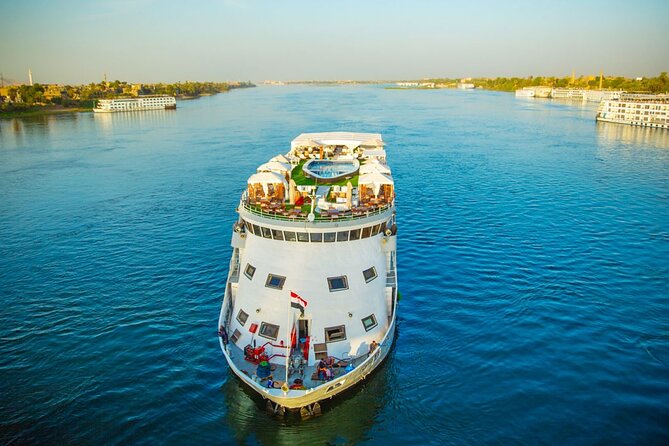
The ship provides the base. You return to the same room after sightseeing instead of facing another hotel check-in. Public areas, a sundeck, decorated lounges, and attentive staff give the trip a resort-like feel, though you should still think of it as an organized sightseeing cruise rather than a quiet luxury retreat.
The group can contain up to 20 people. That is small enough for a more personal guide experience than a large coach tour, but it is not a private trip. Your daily pace will be shaped by the group, the ship’s sailing schedule, and local traffic around the monuments.
The price is listed at $764.71 per person. For four nights, three meals a day, air-conditioned transfers, guided sightseeing, taxes, and the Abu Simbel outing, that can be a fair package price. The value depends heavily on what all sites mentioned means in practice, since the sightseeing section repeatedly calls admissions optional while the inclusions also say the sites in the program are covered.
I would ask for a written list of included entrance tickets before paying. That one question could make a large difference to the final cost.
More Boat Tours in Luxor
- Hurghada: 2-Day Luxor Tour with Hotel, Balloon, & Boat Ride
★ 4.5 · 1,113 reviews - From Luxor: 3-Night Nile Cruise to Aswan and Hot Air Balloon
★ 3.7 · 297 reviews - Amazing Sunset sailing by Felucca in Luxor -2 Hours (Private)
★ 5.0 · 255 reviews
Day one: Karnak and Luxor Temple
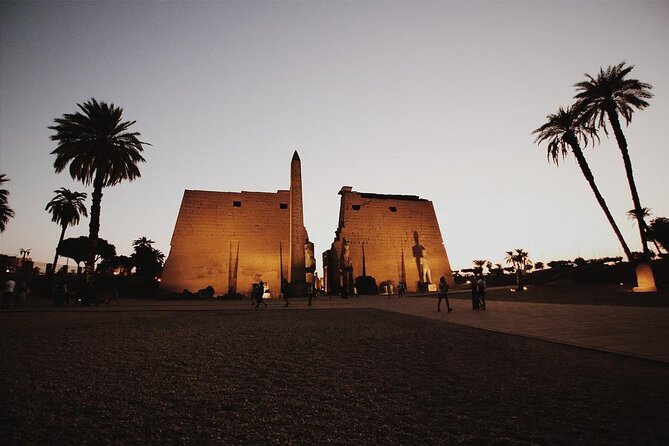
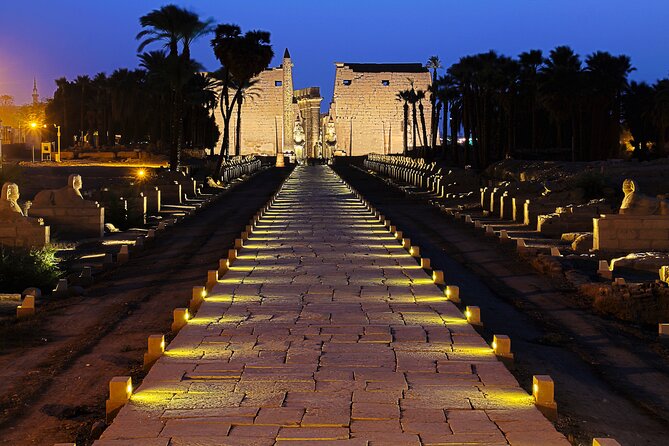
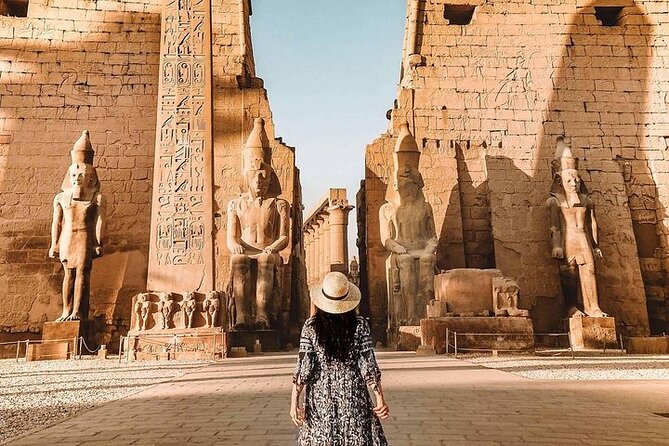
Your first sightseeing day centers on ancient Thebes, beginning with Karnak Temple. This is not a single small shrine but a huge religious complex developed over many centuries. The main focus is the worship of Amun Ra, and the scale is the point: long avenues, massive columns, courtyards, and layers of construction give you a sense of how much power and labor ancient Egypt could command.
Allow about two hours here. A guide matters because the site can feel like a forest of stone without a clear explanation of who built what. A good guide can help you separate the work of different rulers and explain why Karnak was treated as the earthly home of a god.
Luxor Temple follows, with about an hour at the site. It was built in the heart of ancient Thebes and later completed by Ramses II. Compared with Karnak, it is easier to grasp in one visit, and its location gives you a strong introduction to the city that grew around Egypt’s religious center.
I like the pairing. Karnak gives you scale, while Luxor Temple gives you a more compact visit with a clear connection to Amun. The possible drawback is timing: two major temples on the opening day can feel fast if you want to study every relief.
Both visits are described as optional, and admission tickets are not clearly identified in the day-by-day program. Confirm the arrangement before arrival.
Day two: royal tombs and the temple of Hatshepsut
The west bank of Luxor is the most demanding sightseeing day. You visit the Valley of the Kings, the Temple of Hatshepsut, the Colossi of Memnon, and the tomb of Tutankhamun.
The Valley of the Kings served as the burial ground for many Theban rulers. Unlike the broad temple complexes, this is a series of tomb entrances cut into dry hills, with painted corridors leading underground. The real prize is inside the tombs, where color and detail survive in places that look far more delicate than the sun-baked setting above.
The standard visit is listed at two hours. That sounds generous, but the amount you can see depends on which tombs are open and which entrance tickets are covered. The tomb of Tutankhamun is listed separately for 20 minutes, so you should treat it as an optional add-on unless the operator confirms otherwise.
Tutankhamun’s tomb is small compared with the grand burial places of more powerful kings. Its importance comes from the discovery of the young pharaoh’s largely intact burial goods, not from the size of the chambers. If you have already seen large royal tombs, this short stop offers a useful contrast.
Next comes Hatshepsut’s temple at Deir el Bahari, listed for two hours. Its terraces rise against the cliffs, and the design feels unusually ordered and broad. Hatshepsut ruled during the Eighteenth Dynasty, and the temple served as her mortuary monument.
This is one of the route’s most rewarding stops for anyone interested in architecture. It also gives you a break from underground tombs, with open terraces and a dramatic setting. Bring practical sun protection, since much of the visit is outdoors.
The Colossi of Memnon take about 30 minutes. These two huge statues portray Amenhotep III, who ruled in the Eighteenth Dynasty around 1350 BCE. The stop is brief, but it works well as a quick look at the scale of royal sculpture before you continue.
Day two packs a lot into one stretch. I like the variety, but you should not expect a slow, private archaeological study. The tour suits you best if you prefer seeing the major highlights with a guide who keeps the day moving.
Day three: Edfu and Kom Ombo
The cruise’s middle section brings you to two temples from Egypt’s later periods. Edfu Temple, dedicated to Horus, was built between 237 and 57 BC during the Ptolemaic period. It is among Egypt’s best-preserved ancient monuments, partly because desert sand covered it after the old pagan cult was prohibited.
The roof remains intact, which changes the feeling of the visit. You can read the temple as a complete architectural space rather than as scattered walls and broken columns. The reliefs tell stories connected with Horus, Isis, and Osiris, and the enclosed courtyards feel atmospheric even if the site is busy.
The scheduled visit lasts two hours. That gives your guide time to explain the myths and the temple’s plan, but the exact time ashore can depend on the cruise timetable.
Kom Ombo is unusual because it is a double temple. One side was dedicated to Sobek, the crocodile god, and the other to Horus, with later Roman additions. The two-part design is not merely a visual oddity. It reflects the way separate religious traditions shared one sacred complex.
You have about two hours here as well. I find Kom Ombo especially useful after Edfu because the temples feel different in purpose and design, even though both belong to Egypt’s later dynasties.
The drawback is that much of the route’s sightseeing is tightly scheduled around the ship. You get the important sites, but not unlimited time to wander. If you want long photography sessions or independent exploration, ask how much free time is built into each stop.
More Nile cruises around Luxor:
- 5 Days Private Guided Nile River Cruise Tour from Luxor to Aswan
★ 5.0 · 229 reviews - Luxor: Private East and West Banks Tour and Felucca Cruise
★ 4.7 · 209 reviews - From Luxor: Dendera Temple All-Inclusive Tour & Felucca Ride
★ 4.2 · 207 reviews - Luxor: Nile River Private Sunset Felucca Ride
★ 4.9 · 188 reviews
Day four: Philae, the High Dam, and an optional felucca
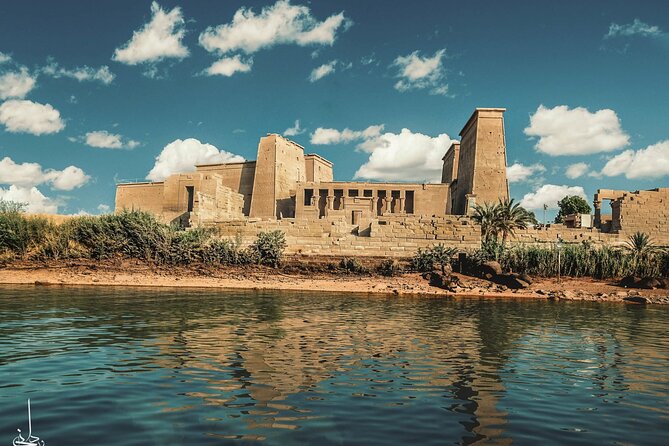
Philae Temple is reached in a setting designed to resemble its original island home. The temple complex was moved under a UNESCO-led rescue effort when the Aswan Dam threatened the original site. That relocation is an important part of the visit, because the monument you see is not simply an untouched relic. It is also the result of a major international effort to preserve Egypt’s ancient sites.
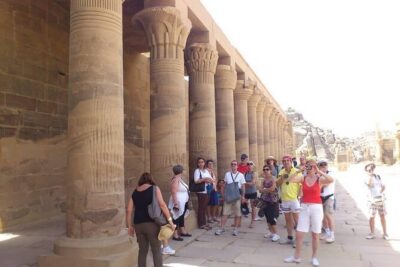
The temple is dedicated to Isis and includes several shrines and sanctuaries. The Kiosk of Trajan, also called Pharaoh’s Bed, is one of the recognizable structures on the island. Allow two hours, enough for a guided walk through the principal areas.
Philae has a different mood from Karnak and the Valley of the Kings. Water surrounds the setting, and the island location makes the visit feel more removed from modern Aswan. I would rank it among the most memorable stops on this route.
The Aswan High Dam follows, with about 40 minutes. Built between 1960 and 1970, it changed the management of the Nile and created Lake Nasser. The stop is more modern and engineering-focused than the temples, but it helps explain why Philae had to be moved and why the region changed so greatly in the twentieth century.
A sunset felucca ride on the Nile is offered as an optional activity for about an hour. Unlike the archaeological visits, it is listed as free, but the word optional still matters. Confirm whether it is included automatically or arranged only for people who request it.
The felucca is a pleasant counterpoint to the early starts and temple walks. You trade stone walls for open water, with the river carrying the story of Egypt into the present. Do not book this cruise only for the sailing, though. The ship’s movement is part of the experience, but the schedule is built around sightseeing.
Abu Simbel and the final morning
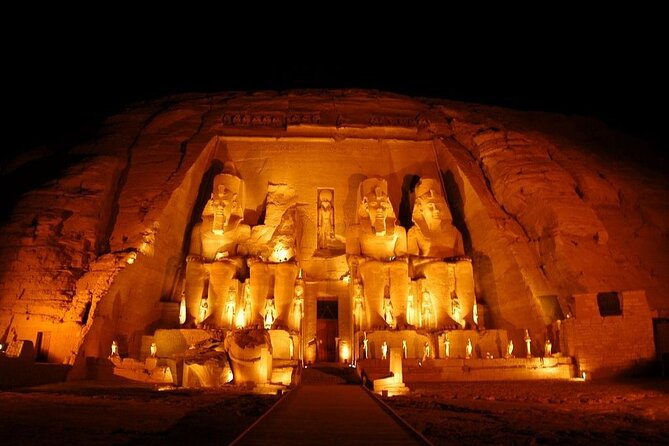
Abu Simbel is included as a shared trip, but the information says without ticket. That means you should budget separately for admission unless the operator gives you a different written answer.
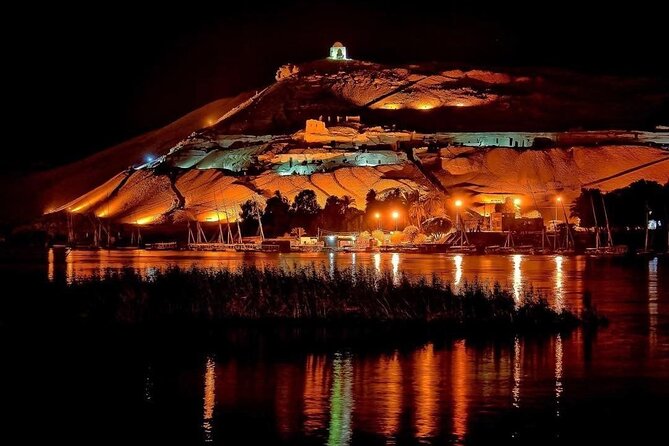
The temples at Abu Simbel are among the most famous monuments in southern Egypt. Their scale and isolation make the visit feel very different from the more concentrated temple areas in Luxor and Aswan. The trip also connects with the story of Lake Nasser and the huge preservation effort that saved the temples from rising water.
Because this is a shared excursion, expect a group arrangement rather than a private visit. The supplied details do not state the departure time, transport duration, or exact day of the Abu Simbel outing, so ask those questions before booking. Those details matter more here than at a site close to the cruise dock.
On day five, you check out after breakfast. A representative accompanies you to Aswan Airport, the Aswan train station, or an Aswan hotel. The listed transfer time is about 30 minutes, but you should still allow extra time if connecting with a flight or train.
One useful planning point is the journey to Luxor. If you are coming from Cairo, the distance is considerable. A flight or sleeping train may make more sense than a long daytime transfer, especially if you want to arrive rested for the first temple visits.
Life aboard the ship
The ship is presented as an elegant, comfortable base with decorated public spaces, a spacious sundeck, and cozy rooms. The supplied information does not name the ship category, cabin size, deck plan, or exact facilities, so I would not book based on luxury expectations alone.
The strongest practical benefit is having four nights of accommodation in one place. Breakfast, lunch, and dinner are provided for all four cruise days, with meals served as an open buffet. That saves you the trouble of finding restaurants between early sightseeing and sailing times.
Food quality can vary on any organized cruise, but the available comments describe the food positively. I would still treat the buffet as convenience first, not as a reason to skip local meals outside the package.
The staff receive repeated praise for being helpful, welcoming, and quick to assist. Guides also receive strong attention, particularly Mohamed Moniem and Mohamed Abdel Monem. The names appear in slightly different forms, so ask which guide is assigned to your departure. One guide is also described as helping during an emergency and providing service in multiple languages.
That personal support can make a real difference in Egypt, where transport, site entrances, and changing schedules may otherwise feel confusing. Still, tipping for the guide, ship staff, and drivers is not included. Carry small bills and treat tips as an expected extra rather than a surprise.
Extra stops that shape the day
The program includes visits to a papyrus factory, an alabaster workshop, and a Nubian perfume lab in Aswan. These stops can be interesting if you want to see how traditional products are made and sold.
They also take time away from monuments. If you enjoy shopping and demonstrations, you may appreciate the additions. If your priority is archaeology, ask how long each stop lasts and whether purchases are expected. The supplied information does not state that you must buy anything, so you should feel free to treat them as brief cultural stops.
A trip to a Nubian village is not included. That optional outing includes a Nubian house and authentic food, according to the description. It may appeal to you if you want a closer look at life around Aswan, but you will need to pay extra and confirm the duration and transport details.
The hot-air balloon ride over Luxor is also not included. This is the biggest title-to-inclusion mismatch. If the balloon is important to you, arrange it separately or obtain written confirmation that the operator can add it, along with the price, flight timing, pickup details, and weather cancellation terms.
What the $764.71 price really covers
At $764.71 per person, the package has a strong convenience value if the major entrance fees are genuinely included. You receive four nights aboard ship, twelve included meals, air-conditioned transfers, a guide, taxes, and a broad sightseeing program.
The price becomes less attractive if you must pay separate entrance fees at every temple, add Abu Simbel admission, pay for the balloon, arrange the Nubian village trip, and cover tips. The description says all fees and taxes are included, but the day-by-day schedule says admission tickets are not included. That conflict needs a clear answer before you commit.
Ask these questions:
- Which entrance tickets are included for Karnak, Luxor Temple, the Valley of the Kings, Tutankhamun’s tomb, Edfu, Kom Ombo, Philae, and Abu Simbel?
- Is the Abu Simbel transfer included but the entry ticket extra?
- Is the felucca ride included automatically?
- What is the exact ship name and cabin category?
- Which guide will lead your departure?
- What is the extra price for the balloon and Nubian village visit?
The tour offers free cancellation up to 24 hours before the local start time. Inside that window, the amount paid is not refunded and changes are not accepted. That is useful flexibility, but it does not replace checking the inclusions.
Who should book this cruise
I would recommend it to you if this is your first Nile cruise and you want the classic route handled in one package. It is also a good fit for families and couples who value organized transport, daily meals, and a guide who can explain the monuments rather than leaving you to decode them alone.
You should be comfortable with early starts, scheduled visits, optional add-ons, and group travel. The itinerary is active, and several days contain multiple major sites. It is less suited to you if you want complete independence, long stays at each monument, or a clearly defined luxury-cruise standard.
The repeated praise for the guides, ship staff, organization, Nile views, and archaeological program suggests that the human side of the trip is a real strength. I would place particular value on the guide assignment, since Mohamed Moniem and Mohamed Abdel Monem are singled out by name in the supplied comments.
FAQ
How long is the Nile cruise?
The experience lasts approximately five days and includes four nights of accommodation aboard the cruise ship.
What route does the cruise follow?
The cruise travels from Luxor to Aswan, with visits to major sites in Luxor, Edfu, Kom Ombo, and Aswan.
Is Abu Simbel included?
A shared trip to Abu Simbel is included in the program, but the description says it is without the entrance ticket. Confirm the current ticket arrangement before booking.
Is the hot-air balloon ride included?
No. The Luxor hot-air balloon ride is listed as not included and must be arranged or paid for separately.
Are meals included?
Yes. Breakfast, lunch, and dinner are included for four days, served as an open buffet.
Are airport and station transfers included?
Air-conditioned transfers are included. On the final morning, a representative accompanies you to Aswan Airport, Aswan train station, or an Aswan hotel.
Is the felucca ride included?
The felucca ride in Aswan is described as optional and free. Confirm whether it is part of your departure’s standard schedule.
Is a Nubian village visit included?
No. The Nubian village visit, including a Nubian house and authentic food, is listed as an optional extra.
How many people can join the tour?
The maximum group size is 20 people.
Can I cancel for a full refund?
Yes, if you cancel at least 24 hours before the experience start time. Cancellations or changes made less than 24 hours before the start time are not accepted for a refund.
More 5-Day Experiences in Luxor
- From Luxor: 5-Day Nile Cruise to Aswan with Balloon Ride
★ 4.2 · 168 reviews - Luxury 5 Days Nile River Cruise from Luxor to Aswan with Private Tour Guide
★ 5.0 · 114 reviews - From Luxor: 5 Days 4 Nights Nile Cruise to Aswan
★ 4.5 · 108 reviews - Nile cruise 5 days Private full board accommodation transferred guided tours
★ 4.0 · 104 reviews
More Abu Simbel Tours in Luxor
- Luxor: Abu Simbel Temple Private Guided Day Trip with Lunch
★ 4.6 · 546 reviews - 4 Days Aswan and Luxor Nile cruise&Abu Simbel by plane from Cairo
★ 5.0 · 155 reviews - 4 Nights Luxor to Aswan Nile cruise with Abu Simbel&Air Balloon
★ 5.0 · 155 reviews - Luxor: Edfu, Kom Ombo, Abu Simbel Private Tour & Entry Fees
★ 4.2 · 112 reviews
New on the Luxor list
- Private Tour Nile Felucca Ride at Sunset in Luxor★ 5.0 · 26 reviews
- Full-Day East and West Luxor Private Tour★ 4.5 · 26 reviews
- Marsa Alam: Snorkeling with Sea Turtles Marsa Mubarak★ 4.9 · 26 reviews
- Day Trip to Edfu & Kom Ombo temples from Luxor and drop off in Aswan or Luxor★ 5.0 · 26 reviews
- Private Full day East and West Bank, Luxor★ 5.0 · 26 reviews
- Luxor Day Tour: Kings Valley & Karnak & Luxor & Hatshepsut Temple★ 5.0 · 26 reviews
- Luxury Hot Air Balloon Experience in Luxor with Pick-up★ 5.0 · 27 reviews
- Full-Day Luxor Tour – Discover the East and West Banks of the Nile★ 5.0 · 27 reviews
Abu Simbel Tours, compared.
4-Days Nile Cruise From Aswan To Luxor including Abu Simbel and Hot Air Balloon
Read our review →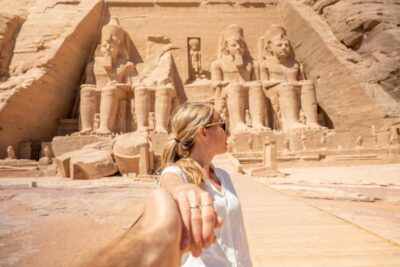
4-Day 3-Night Nile Cruise from Aswan to Luxor including Abu Simbel, Air Balloon
Read our review →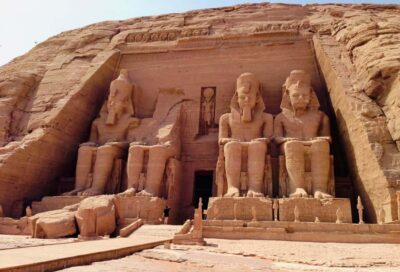
Abu Simbel Temple Private Guided Day Trip with Lunch
Read our review →4-Days Nile Cruise From Aswan To Luxor including Abu Simbel and Hot Air Balloon
Read our review →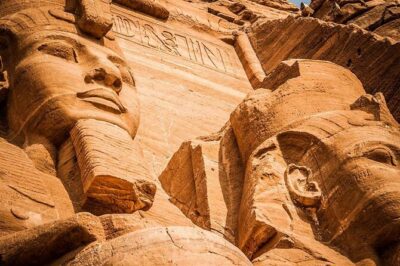
Private Day Tour to Abu Simbel Temples from Aswan
Read our review →4 Days Nile Cruise from Aswan to Luxor including Abu Simbel and Hot Air Balloon
Read our review →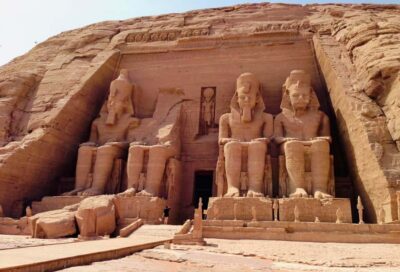
Browse the lists this tour appears in