
Reviewed · CAIRO TOURS
2 Days Private Guided Tour around Cairo and Giza
Cairo packs several thousand years into a city that rarely slows down. This two-day private tour gives you the big sweep: the Pyramids of Giza and Sphinx on day one, then the Egyptian Museum, Saladin’s Citadel, and Khan el-Khalili on day two. The added stops at Memphis and Saqqara make the first day much more than a quick pyramid photo stop.
I like the private vehicle and Egyptologist guide, especially in a city where traffic and site entrances can eat up precious time. I also like the flexible pacing: you can spend more time at the museum or bazaar instead of being tied to a fixed group schedule. The main drawback is cost control. At $95 per person, the tour is fairly priced for private transport and guiding, but all entrance fees and meals are extra, and hotel pickup arrangements should be confirmed in advance.
Key points to know before booking
- Three pyramid sites in one day: Giza, Memphis, and Saqqara give you a useful view of Egypt’s Old Kingdom.
- Private guiding: Only your group participates, with a private vehicle and Egyptologist guide.
- Early start: Pickup is scheduled for 8:00 a.m., helping you reach the Giza plateau before the day becomes harder to manage.
- The museum needs focus: Two hours is enough for major highlights, but not every gallery.
- Khan el-Khalili is flexible: You can browse, bargain, and possibly add a Papyrus Institute visit.
- Budget for extras: Admissions, food, camel rides, and the optional mummy room are not included.
Day one: Giza’s famous skyline and Egypt’s first pyramid
The first morning begins with pickup from your Cairo hotel at 8:00 a.m. The exact pickup area matters. Pickup is offered, but one booking experience involved meeting the guide at a different hotel because only certain hotels were covered. I would confirm your hotel address and pickup point before the day begins.
The private car is a useful part of this tour. Cairo and Giza are spread out, and the route takes you from the modern city to the Giza plateau, then south toward Memphis and Saqqara. You avoid arranging separate taxis and can leave your day bag in the vehicle while visiting the sites.
A few other Cairo days to weigh up
- White & Black Desert tour 2 Days 1 night camping from Cairo.
★ 5.0 · 649 reviews - Cairo: 2-Day Bahariya Oasis Camp and Desert Tour
★ 4.9 · 616 reviews - White & Black desert camping tour 2 Days 1 night From Cairo
★ 5.0 · 467 reviews
Giza plateau: Khufu, Khafre, and Menkaure
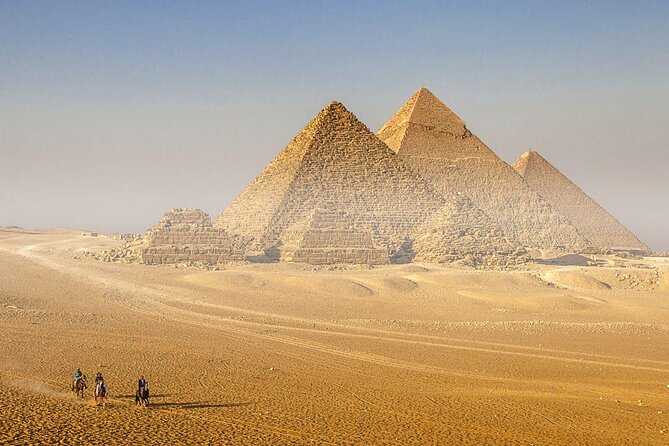
Your first major stop is the Giza Pyramids, where the three main pyramids belong to Khufu, Khafre, and Menkaure. The names can sound confusing at first. Khufu’s Great Pyramid is the largest, Khafre’s pyramid is the one that often appears tallest because it sits on higher ground and retains some casing stones near its top, and Menkaure’s is the smallest of the three.
The tour allows about two hours here. That gives you time to walk around the plateau, listen to your Egyptologist guide, and stop at the panoramic viewpoint where all three pyramids can appear in one photograph. This is one of the most useful parts of the morning because the structures are spread across a wide area. From ground level, it is easy to appreciate one pyramid and lose sight of the larger arrangement.
A camel ride is also offered as an option. It is not included in the price, so ask about the cost before agreeing. The same advice applies to any camel experience near the pyramids: confirm the price, duration, and what is included before you set off.
The tour description says admission to the pyramid area is not included. It also gives you time if you want to enter the Great Pyramid. Interior access requires a separate ticket and can be physically demanding, so decide before you arrive if that is important to you. Many people are satisfied with the exterior, but if entering Khufu’s pyramid is a personal goal, tell your guide early.
The Great Pyramid of Khufu
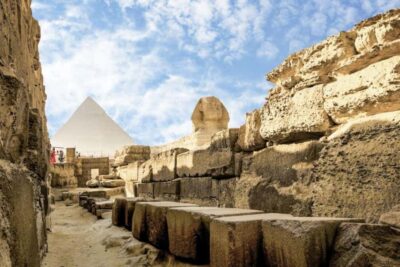
A separate 30-minute period is set aside around the Great Pyramid of Cheops, also called Khufu. This is your chance to walk close to the stone blocks, take photographs, and appreciate the scale from ground level.
The word touch appears in the tour description, but you should follow site rules and staff directions rather than assume every surface can be handled. The point of this stop is not simply to collect a photograph. It gives you time to see how the pyramid is built from enormous blocks and how its size changes your sense of distance.
A 30-minute visit is brisk. If you want extensive photographs, a camel ride, and an interior visit, the schedule may feel tight. The private format helps, since your guide can often adjust the pace, but the full day still has several stops ahead.
Sphinx and Valley Temple
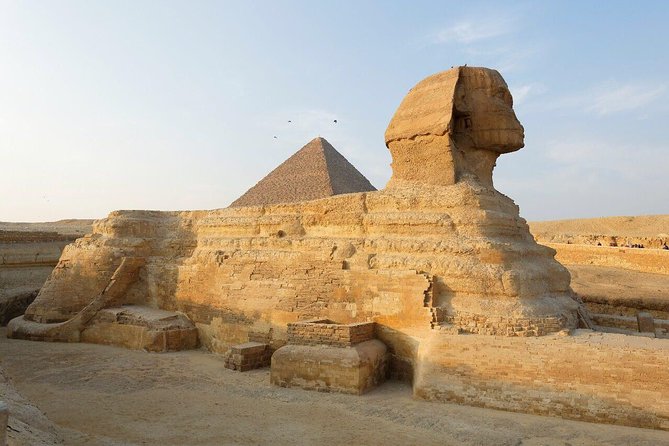
The route continues to the Great Sphinx, with its pharaoh’s head and lion’s body. The Sphinx is linked with Khafre, and your guide can explain its role in the pyramid complex and the nearby Valley Temple.
The Valley Temple is not just another ruin to pass through. It was connected with the preparation and mummification of the king before burial. The surviving stonework helps you understand that a pyramid was part of a larger ceremonial complex, not an isolated monument dropped onto the desert.
The planned visit lasts about an hour. This is a good place to listen rather than rush, since the meaning of the Sphinx and temple can be difficult to grasp from photographs alone. As with the other ancient sites, admission is not included, so set aside money for tickets.
Same base, a completely different day out:
- Cairo: Pyramids & Great Sphinx Private Tour with Camel Ride
★ 4.9 · 6,335 reviews - Tour to Giza Pyramids and The Egyptian Museum
★ 5.0 · 6,016 reviews - VIP All inclusive Best of the best Giza Pyramids,Sakkara,Memphis
★ 5.0 · 3,164 reviews - From Cairo: Pyramids of Giza, Sphinx, Saqqara & Memphis Tour
★ 4.7 · 3,110 reviews
Memphis: Egypt’s early capital
After Giza, you head to Memphis, the ancient capital founded by King Menes. The site is smaller and less visually dramatic than Giza, but it fills an important gap in the story. Memphis served as a center of government and culture for more than 3,000 years during Egypt’s early periods.
You will see the colossal statue of Ramses II and the alabaster Sphinx of Memphis. The one-hour stop works well as a change of pace after the open spaces of Giza. It is also a reminder that Egypt’s most important ancient cities were not limited to the monuments tourists know best.
Do not expect Memphis to feel like a second Giza. Its value comes from the objects and the historical setting, and your guide’s explanation will shape how much you get from the stop.
Saqqara and the Step Pyramid of Djoser
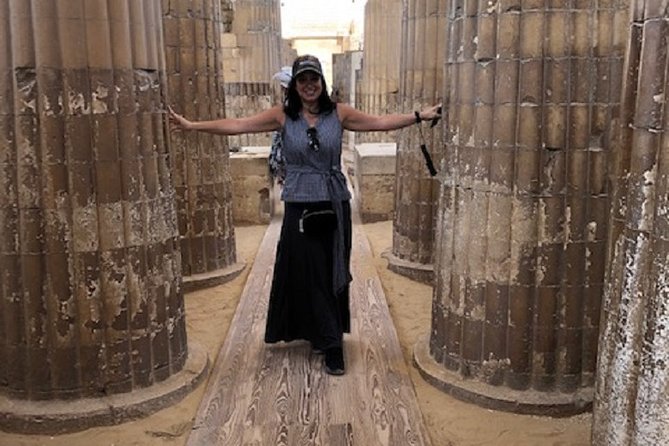
The final major visit is Saqqara, home to the Step Pyramid of Djoser. Built during the Third Dynasty around 2630 BC, it is described as the world’s oldest major stone structure. Its stepped design looks very different from the smooth-sided pyramids at Giza, making this a particularly useful comparison.
The tour allows about 90 minutes here. That is enough to see the Step Pyramid and understand its place in the development of pyramid building. You will also have a chance to compare the earlier stepped form with the later geometric shapes at Giza.
Day one covers a lot of ground. Giza, Memphis, and Saqqara are not three versions of the same attraction. Together, they show an architectural progression and give you more context than a Giza-only outing. The tradeoff is a long day with several vehicle transfers. If you prefer slow visits and extended time at one site, this schedule may feel packed.
Day two: Tutankhamun, Saladin, and Cairo’s market lanes
The second day begins with another hotel pickup. It focuses less on pharaonic monuments and more on Cairo’s museum collections, Islamic-era architecture, and traditional market streets.
The sequence is practical. You start indoors at the Egyptian Museum, continue to the Citadel, and finish at Khan el-Khalili. That final market visit gives you room to browse after the more structured sightseeing.
Egyptian Museum: a collection that needs a plan
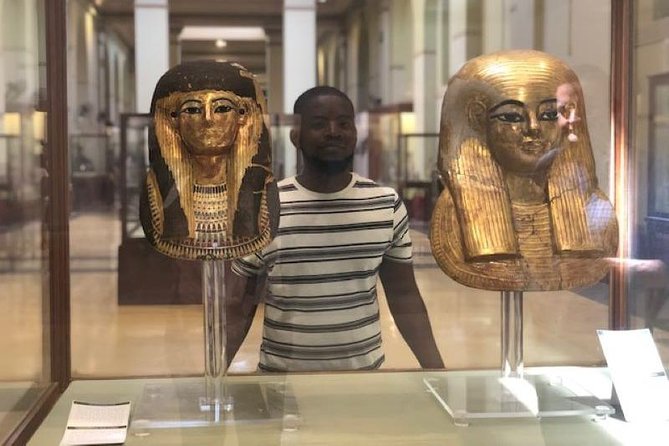
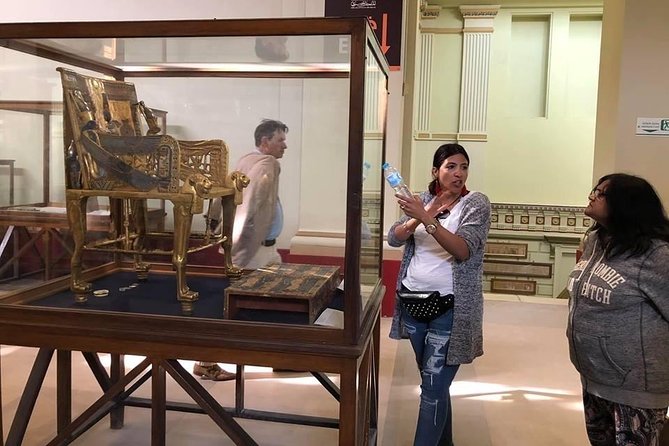
The Egyptian Museum contains about 250,000 antiquities, including the treasures of Tutankhamun and statues connected with Akhenaten. Two hours is enough for a guided introduction to major pieces, but not enough to inspect the entire collection in detail.
This is where an Egyptologist guide earns the cost of the tour. Without some direction, a museum of this size can become a parade of statues and display cases. Ask your guide to focus on the objects you care about most, such as Tutankhamun’s treasures, royal sculpture, or Akhenaten’s unusual artistic style.
The optional mummy room costs extra. If you want to see it, confirm the additional fee and arrange the timing with your guide. Since the museum entrance itself is also excluded, keep admissions separate from the advertised tour price.
I would not expect the same experience as a small specialist museum. The strength here is scale and range. You can see objects from many periods in one visit, while the limitation is that some displays may feel difficult to follow without explanation.
Cairo Citadel and the Mosque of Muhammad Ali
Next comes the Citadel of Saladin, built in the 12th century to defend Cairo against Crusader attacks. It later served as the seat of government for several ruling dynasties, including the Ayyubids, Mamluks, and Ottomans.
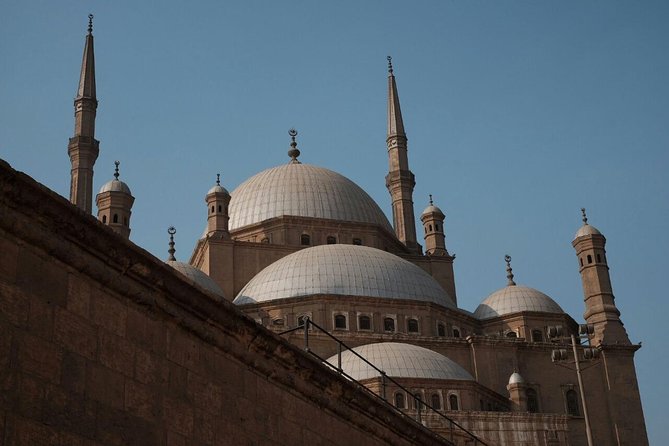
The two-hour stop gives you time to take in the fortress setting and the Mosque of Muhammad Ali, also called the Great Alabaster Mosque. The mosque occupies a high point inside the Citadel, with large interior spaces, domes, minarets, and elaborate wall decoration.
This is one of the best places on the tour for views over Cairo. The city spreads far beyond the Citadel, and the height helps you understand its size better than a street-level drive. Bring clothing suitable for visiting a religious site and follow instructions about footwear and behavior if requested.
The Citadel also provides a welcome contrast to the museum. At the Egyptian Museum, the focus is on objects removed from their original settings. Here, the buildings, courtyards, and elevated position create the experience.
Khan el-Khalili: bargaining and people-watching
The day ends at Khan el-Khalili, Cairo’s famous bazaar. You can browse handmade crafts, papyrus products, and other local goods, while your guide explains the market’s place in Cairo’s commercial life. Admission is free, but purchases are entirely your responsibility.
This is the part of the tour where a private guide can be especially helpful. You can decide how much time to spend shopping, looking around, or simply taking in the narrow lanes. Bargaining is expected in many stalls, but start with a price you can accept and do not feel pressured to buy.
The tour also offers an optional stop at a Papyrus Institute to learn how papyrus artwork is made. Treat this as a choice, not an obligation. If you already know you do not want to shop, tell your guide so the time can be used differently.
Use care with recommendations for shops. One experience praised the guide’s help but also warned that a guide may take you to businesses connected with friends, where prices can be higher than elsewhere in Egypt. You can listen to advice, compare prices, and politely decline. The private format gives you that freedom.
What the $95 price really covers
At $95 per person, the tour offers private transport, a qualified Egyptologist guide, bottled water, taxes, handling charges, and stated skip-the-line access. The value is strongest for two people or a small group that wants a dedicated vehicle and guide rather than joining a large coach.
The price does not cover any entrance fees or meals. Extra costs may include the pyramid interior, camel ride, museum mummy room, and any optional Papyrus Institute activity. Ask for a full list of current admission prices before the first morning so the budget does not come as a surprise.
Group discounts are offered, although the amount is not specified. Since the activity is private, the per-person cost may become more attractive as your group grows. A couple traveling alone may pay more per person than a family or group of friends, but gains flexibility and direct attention.
Guide quality and the private format
The guide is a major part of the experience. Guides associated with this tour include Zanaty, Abu, and Marco, though your assigned guide may differ. The strongest experiences are likely to come from a guide who can explain the monuments clearly, answer questions, and adjust the day to your interests.
A German-language booking described the guide and driver as a strong team, with punctual pickup, a clean car, calm driving, and a friendly manner. Another account singled out Zanaty for keeping the route on track while adding local food suggestions and less obvious stops. These details point to the real benefit of private touring: your day does not have to feel like a script.
Still, private does not mean every decision is automatically in your favor. Shop visits can affect your time and spending, so make your priorities clear. If you want more archaeology and less shopping, say so at the start.
The booking information says most people can participate, and children must be accompanied by an adult. No detailed accessibility information is provided, so you should ask about walking distances, steps, and site conditions if those details matter to you.
Who should book these two days
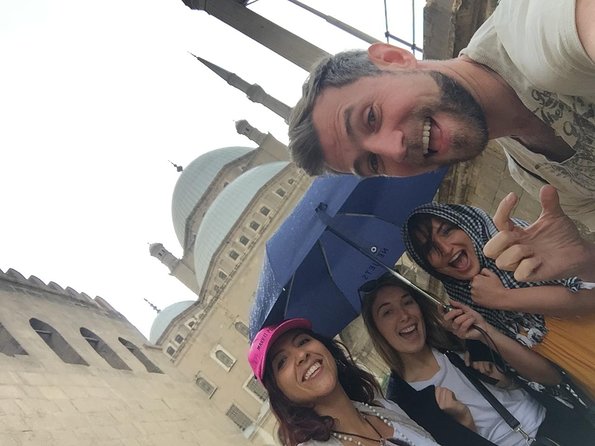
I would choose this tour if you have only two days in Cairo and want the major ancient and Islamic sights handled in one plan. It suits first-time visitors, families who prefer a private car, and anyone who wants an Egyptologist’s explanation instead of relying on guidebooks at the monuments.
It is also a good fit if traffic, negotiating transport, and planning several distant sites sound tiring. The driver handles the connections, while the guide helps you make sense of what you see.
I would think twice if you want long, quiet museum visits or a slow market afternoon. The schedule covers a lot, and day one in particular moves quickly. Independent visitors who enjoy arranging tickets and transport themselves may find the private-tour premium unnecessary.
Free cancellation is available up to 24 hours before the start time for a full refund. Changes or cancellations made inside that window are not accepted for a refund.
Should you book it?
Book this tour if your priority is seeing Cairo and Giza’s essential sights with private transport and a guide in just two days. The combination of Giza, Memphis, Saqqara, the Egyptian Museum, the Citadel, and Khan el-Khalili gives you a useful first look at several eras of Egypt.
Before paying, confirm your hotel pickup, ask about every entrance fee, and state your preferred balance of monuments, shopping, and food. If you do that, the $95 price can be solid value for a tightly planned introduction to Cairo.
FAQ
How long is the tour?
The experience lasts approximately two days. Day one begins with an 8:00 a.m. hotel pickup and visits Giza, Memphis, and Saqqara. Day two visits the Egyptian Museum, Cairo Citadel, and Khan el-Khalili.
Is this a private tour?
Yes. Only your group participates, and transport is provided by private vehicle.
Is hotel pickup included?
Pickup is offered from hotels in Cairo, but coverage may be limited to certain hotels. Confirm the exact pickup location before your tour.
Are entrance fees included?
No. Entrance fees for the attractions are not included in the listed price.
Are meals included?
No. Meals are not included.
Is a camel ride included?
No. A camel ride is available as an option at Giza, but it is not included in the tour price.
Can I visit the mummy room at the Egyptian Museum?
Yes. The mummy room is an optional visit, and an additional fee may apply.
Can children join the tour?
Yes. Children can participate, but they must be accompanied by an adult.
New on the Cairo list
- Private Tour Giza Pyramids Wonders All inclusive★ 5.0 · 26 reviews
- Private Half Day Tour to Giza Pyramids & Great Sphinx from Cairo★ 5.0 · 26 reviews
- Private Tour To Pyramids of Giza Memphis Saqqara With Lunch★ 5.0 · 26 reviews
- 2 days 1 night Luxor,Aswan & Abu simbel by flight from Cairo★ 4.5 · 26 reviews
- Private Day to Giza Pyramids, Egyptian Museum and camel sunset★ 5.0 · 26 reviews
- Siwa Oasis Tour 3 Day 2 Nights from Cairo★ 5.0 · 26 reviews
- VIP Cairo Day Trip Coptic Orthodox Church & Islamic Old Mosques★ 5.0 · 26 reviews
- Full Day Private Tour to visit Old Coptic Cairo & Islamic Cairo★ 5.0 · 26 reviews
Cairo Tours, compared.
Pyramids & Great Sphinx Private Tour with Camel Ride
Read our review →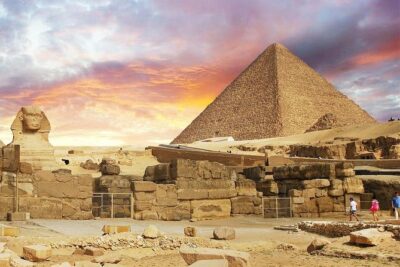
Tour to Giza Pyramids and The Egyptian Museum
Read our review →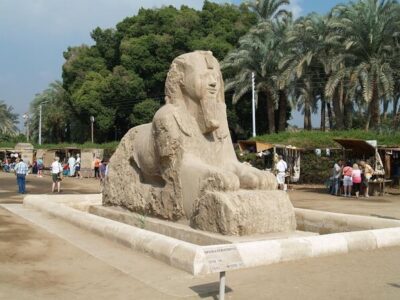
VIP All inclusive Best of the best Giza Pyramids,Sakkara,Memphis
Read our review →
Pyramids of Giza, Sphinx, Saqqara & Memphis Tour
Read our review →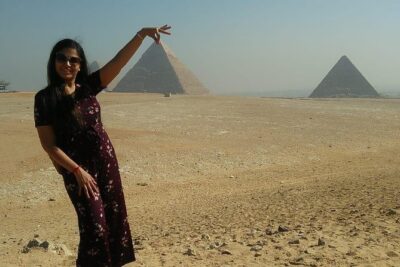
Cairo 8 Hour Private Tour of Pyramids, Egyptian Museum and Bazaar
Read our review →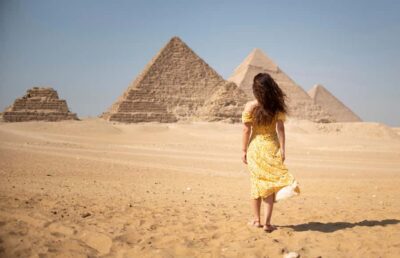
Half-Day Tour to Pyramids of Giza and the Sphinx
Read our review →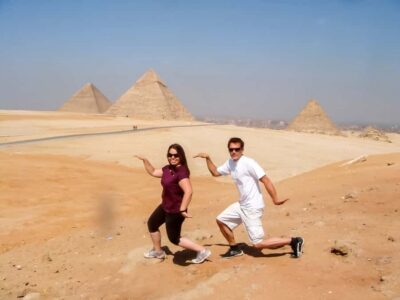
Private ViP all-inclusive Giza Pyramids,Sphinx,Inside Pyramid
Read our review →Browse the lists this tour appears in